Winter 2025: The Innovation Issue
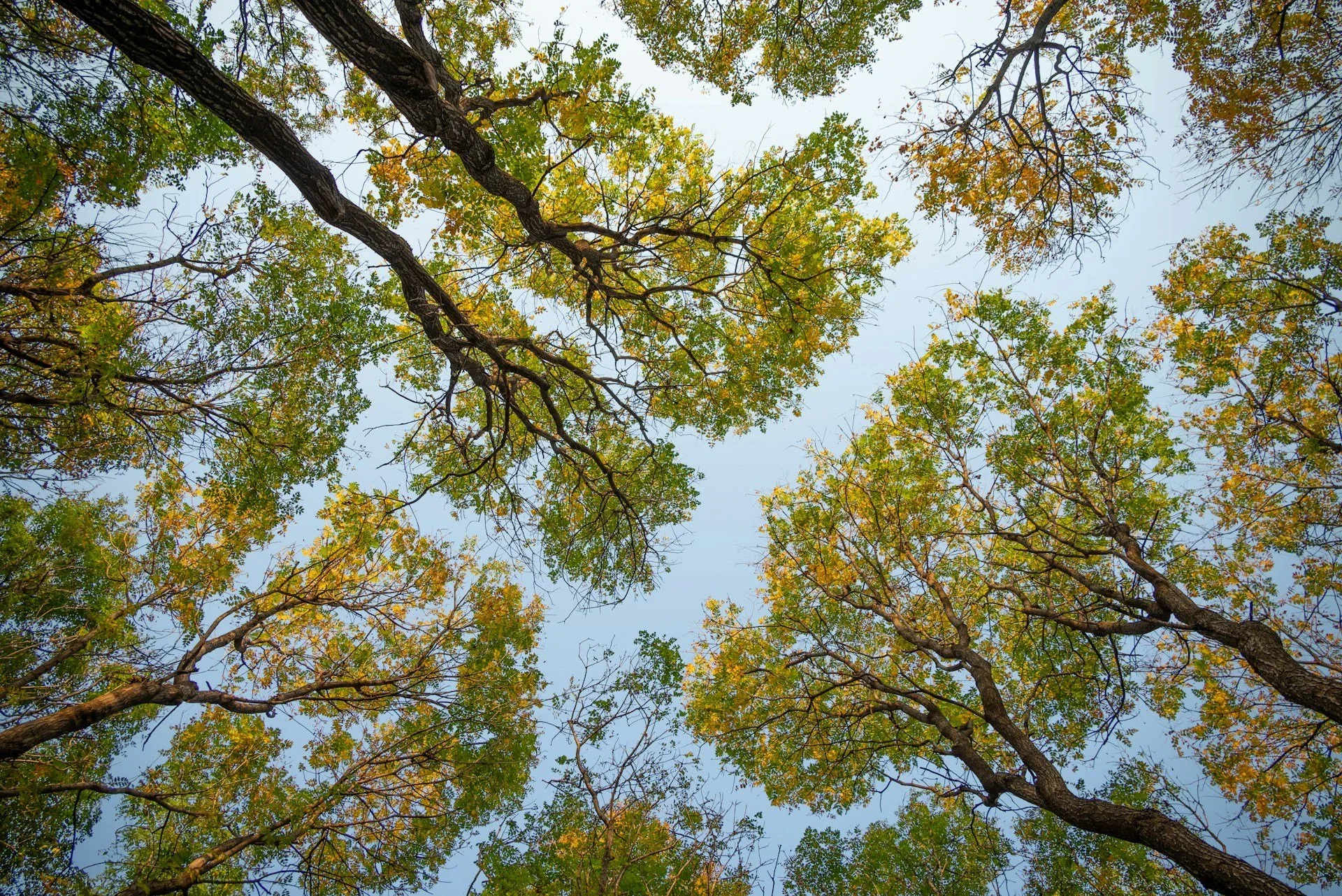
For tens of thousands of years, adapting to changing environments enabled our survival. Essentially - adapt or die. When, for example, homo sapiens arrived in North America, they encountered bountiful herds of great wholly mammoths. But their spearheads often broke against the tough skins of these formidable creatures, until we innovated. A notch carved into the base of spearheads enabled a stronger connection to the shaft. These new spears could pierce animal hides. Planting rather than gathering seeds was a game changing innovation. It resulted in a more stable food supply, ever larger populations living in villages and cities rather than roaming. Adaptive innovation, like biophilia, is hardwired into our DNA. We are extraordinary problem solvers, and in this moment, need to summon our innovative capacities. We must elect better leaders; scale up renewables; invest in peace; share wealth to reduce inequity; protect and restore biodiversity; eat more vegetables and use less plastic; scale up regenerative agriculture; and invest deeply in green infrastructure. The wish list for our flourishing is ambitious and long. And it will only be realized by marshalling our biophilic and innovative natures.
Advertisement
In This Issue
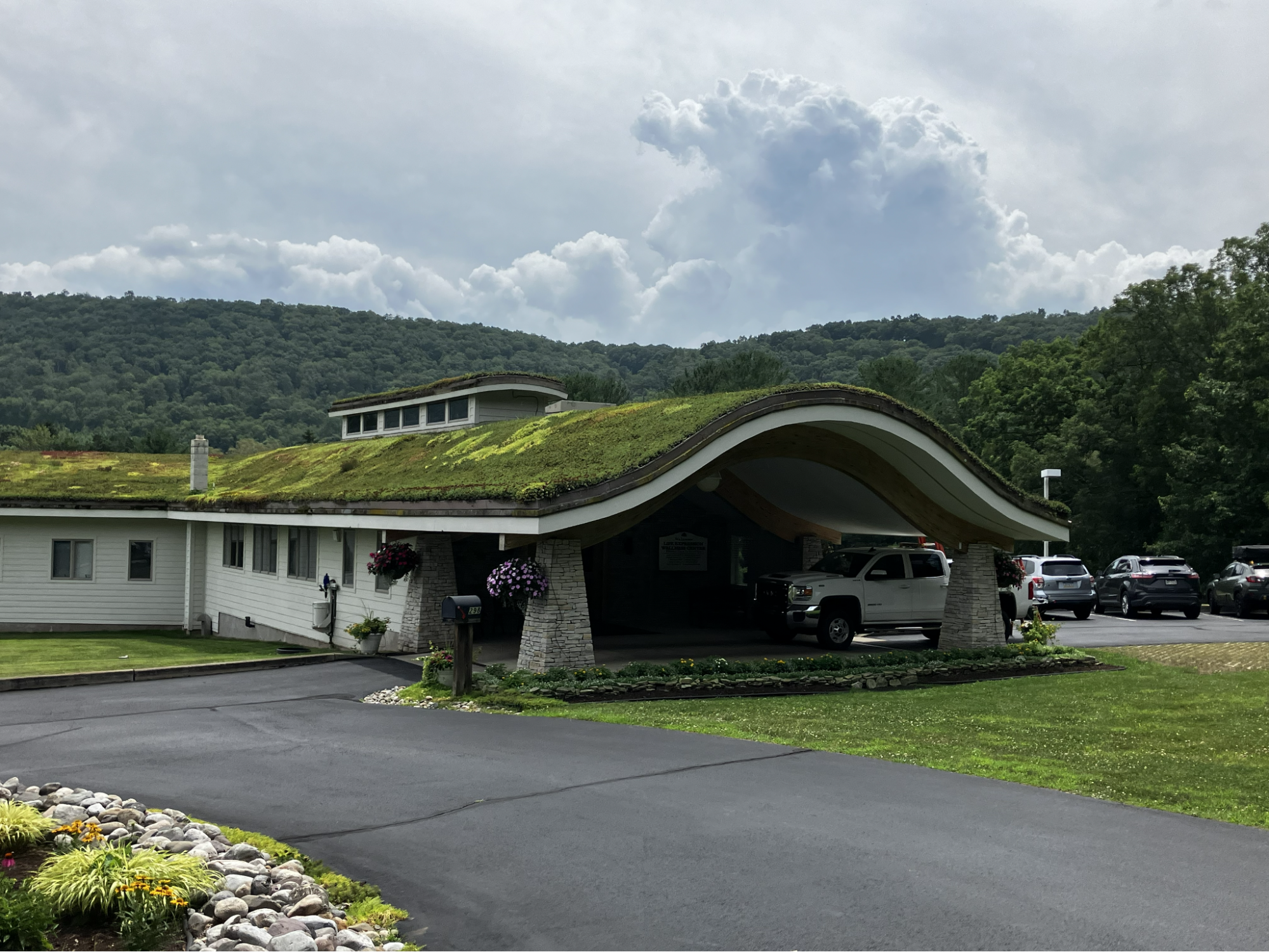
Learn how Toronto’s award-winning Green Roof By-Law and the Toronto Green Standard shaped resilient, climate-positive cities, improved air quality, supported pollinators, and provided energy savings, and why their loss could impact Toronto’s future livability
Green roof substrates are the foundation of successful living roofs, yet they are often misunderstood. This article explores how evolving guidelines, industry-led innovations, and ongoing research are reshaping green roof growing media, revealing why substrate choice is critical to plant performance, long-term durability, and the future expansion of green roofs in diverse urban climates.
Learn why engineered green roof soil is essential for long-term performance and plant health on rooftops. This article explores lightweight, durable green roof growing media, flexible soil systems for diverse applications, deeper soil solutions for amenity-focused roofs, and science-backed product development that meets industry standards and evolving design goals.
Discover how UNIQA’s award-winning green façade in Graz transforms a 1980s office building into a vibrant vertical ecosystem. This case study explores the project’s modular living wall design, innovative planting and irrigation systems, environmental benefits, and its role as a scalable model for urban green infrastructure retrofits across Europe.
What are the most transformative innovations shaping green roofs and green walls today? Leading industry experts share insights on performance-based design, smart irrigation, advanced leak detection, substrate innovation, wind uplift standards, and tech-enabled green walls.
Discover how leak detection systems protect green roofs and the waterproof membranes beneath them. This article explores common construction-related membrane risks, explains passive and automated leak detection technologies, and demonstrates through a real-world case study how early detection reduces repair costs, minimizes disruption, and safeguards the long-term performance of green roof systems.
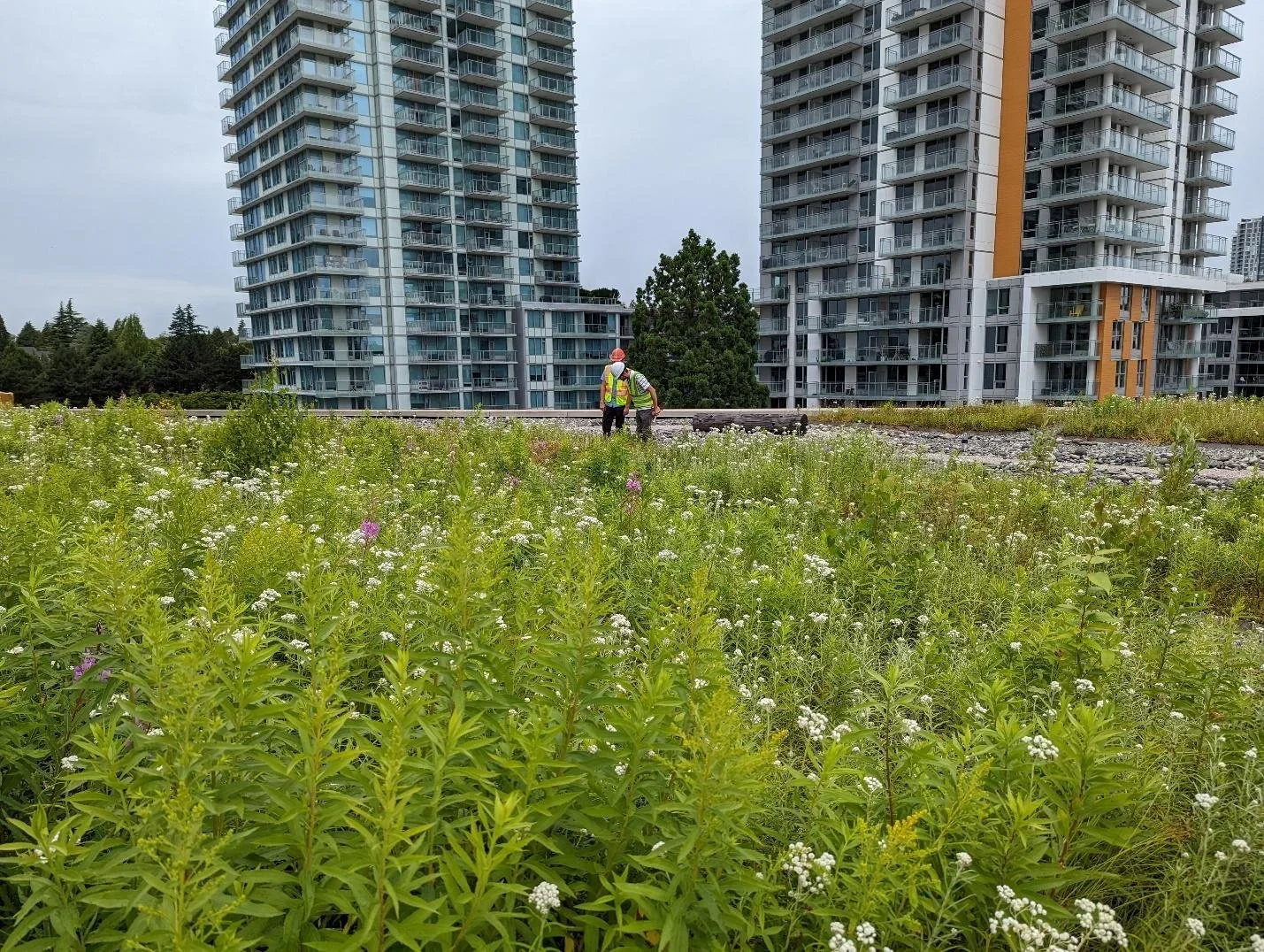
Toronto’s green roofs improve in plant health over time, with roof size, building height, and vegetation type driving long-term success. Insights from NDVI remote sensing guide sustainable, resilient urban green infrastructure planning.
This article explores the potential of growing fruiting crops beneath solar panels on green roofs, examining opportunities, challenges, and the role this innovative system could play in resilient urban food and energy systems.
This research explores saffron’s potential as a high-value, sustainable crop for Kentucky by comparing multiple growing systems and biofungicide treatments. By examining how different environments influence yield and plant health, the study offers new insights into optimizing saffron production and expanding its viability in regional agriculture.
This article explores the farm’s regenerative vision, hands-on education programs, real-world research, and the lessons it offers architects, and planners who wish to reimagine how food systems can be integrated into the built environment.
This article explores how disconnection is passed from one generation to the next, why wealthier nations often feel furthest from nature, and what we can learn from cultures where human-nature relationships remain strong.
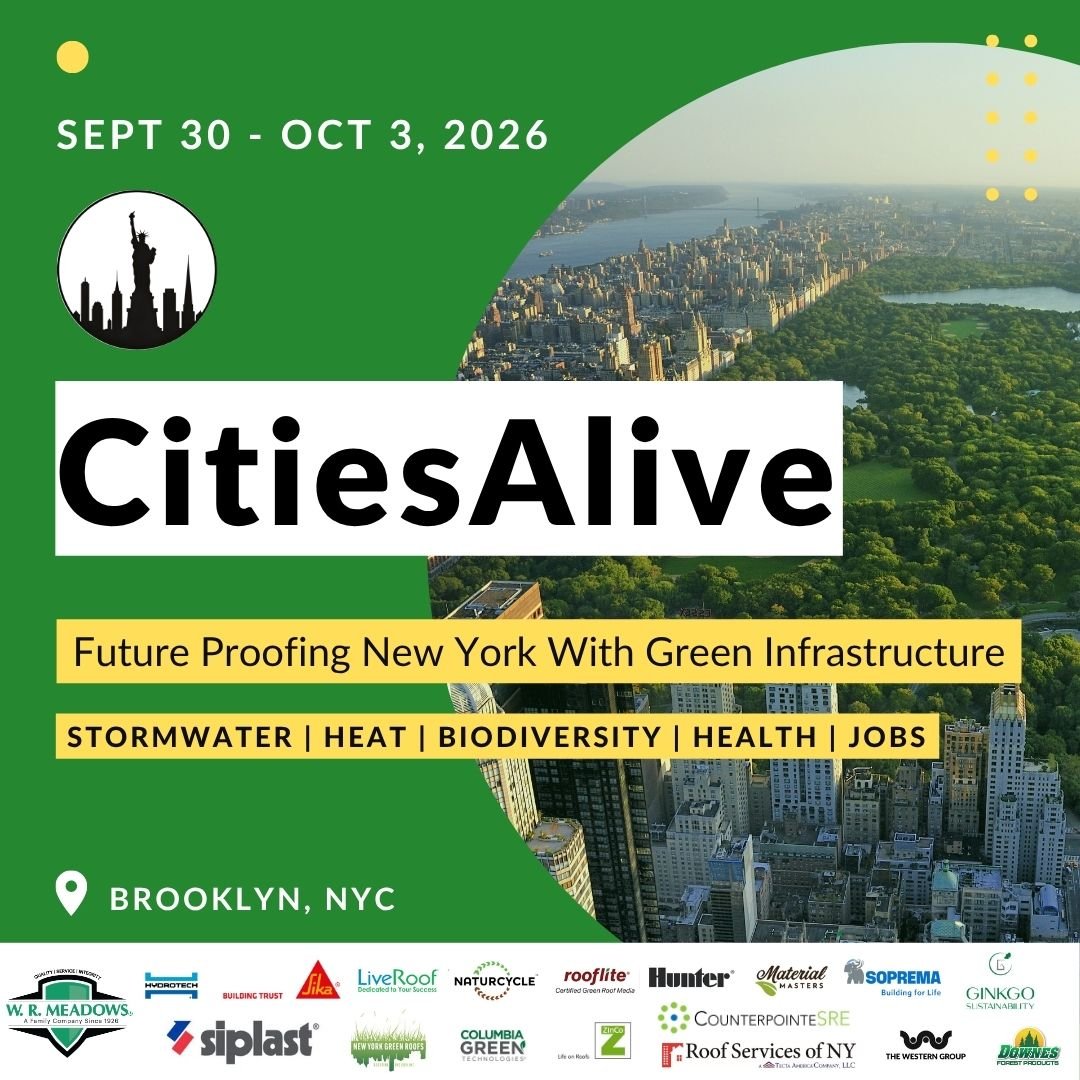
Explore Green Roofs for Healthy Cities’ 2025 achievements and plans for 2026, including professional training milestones, Grey to Green conferences across North America, new industry resources, and a preview of CitiesAlive 2026 in Brooklyn, New York.
Advertisement
Green Roof and Wall Industry News
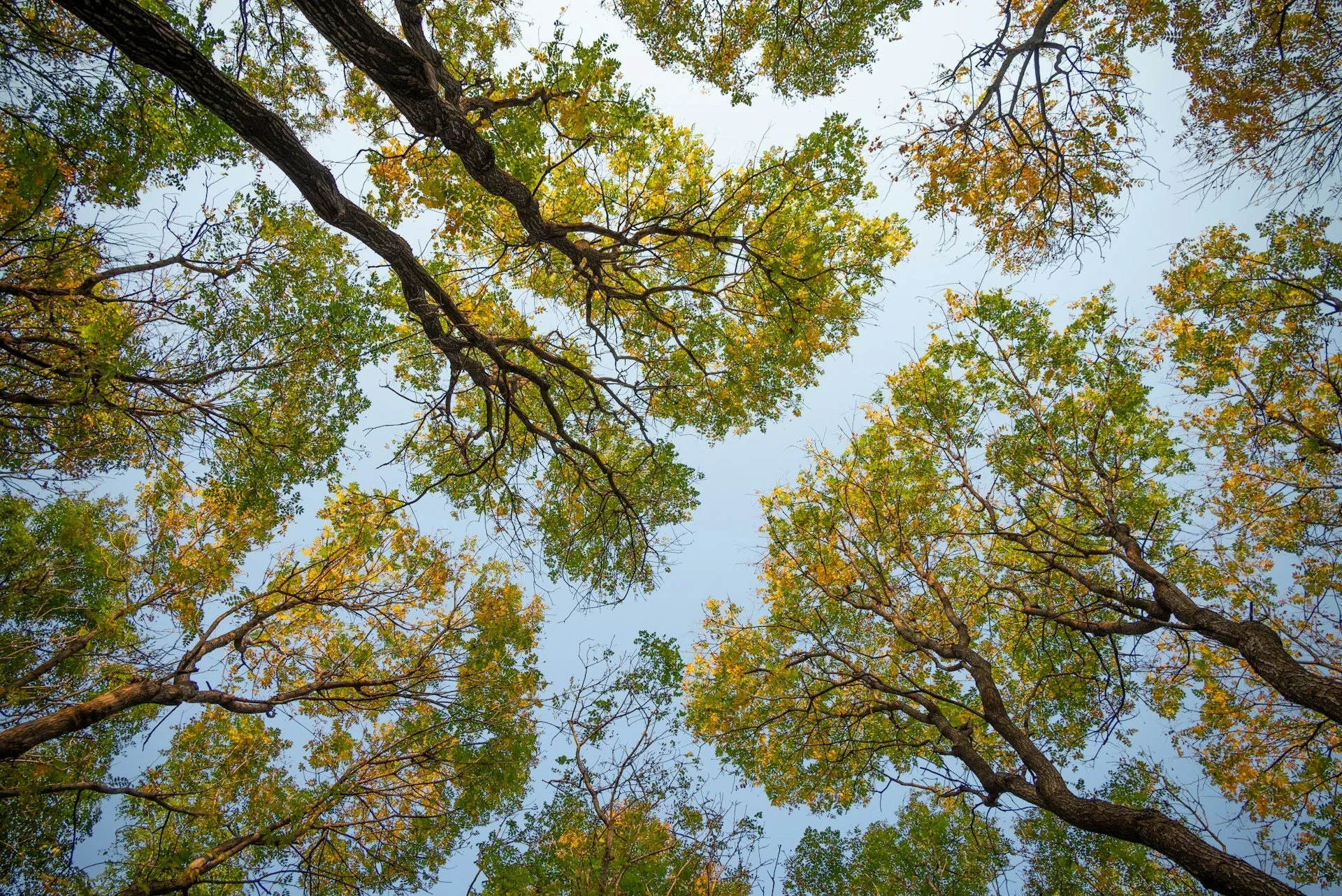
The Innovation Issue of the LAM underscores the importance of ongoing innovation in order to support the further scaling up of living architecture and other forms of green infrastructure in cities to address the climate crisis.
GBI’s ACCESS Program provides free green building certification and expert support to community-serving projects, removing financial barriers for nonprofits, affordable housing, and civic buildings. Nominations are open through January 31, 2026.
Arden Pontasch and Ryan Butcher are to Succeed Edmund Snodgrass of Emory Knoll Inc., as new majority owners.
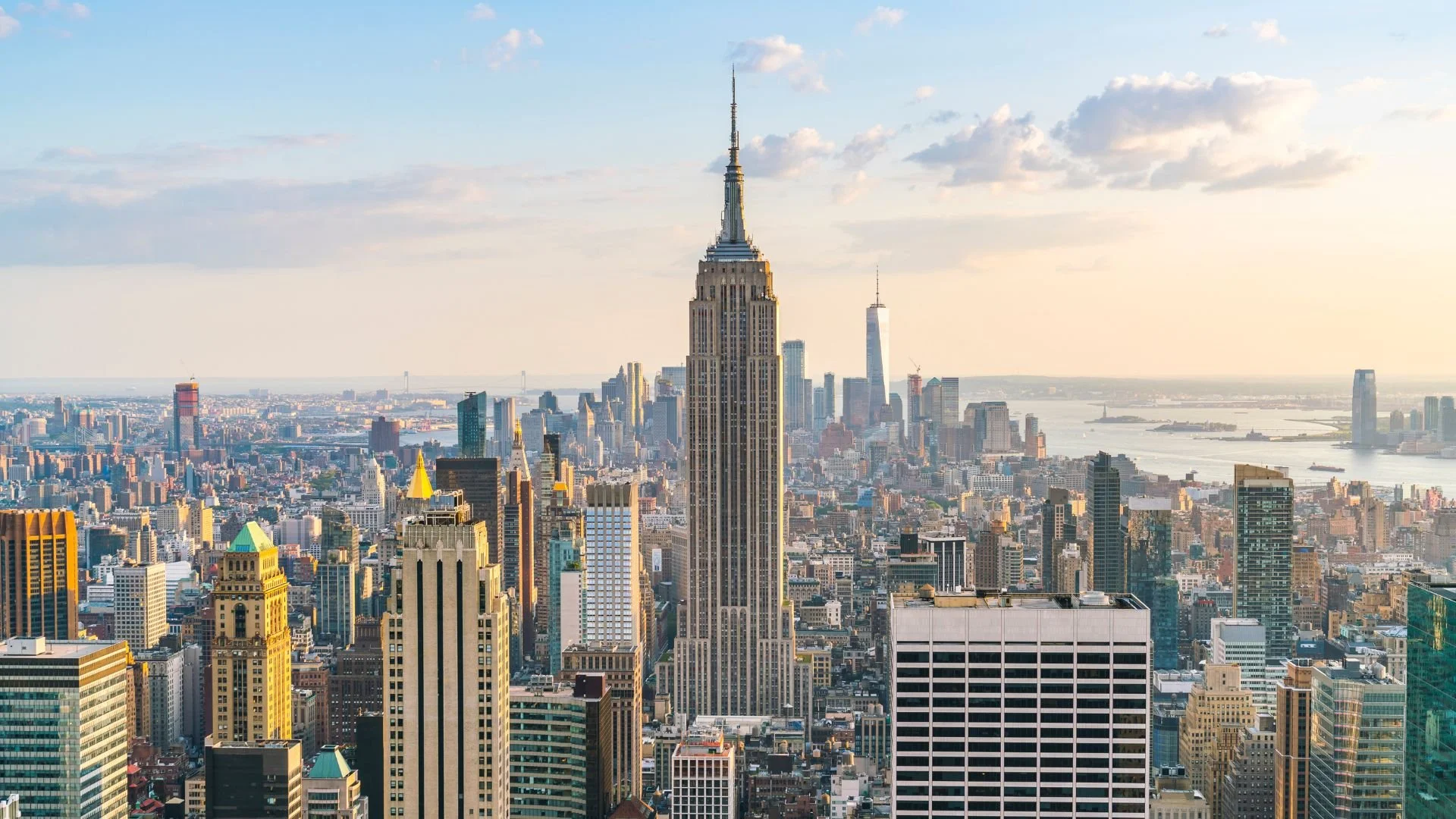
The Call for Proposals and Research Papers for CitiesAlive 2026 is now officially open. CitiesAlive 2026 takes place November 11 - 13, 2026 in Brooklyn, New York. It will feature a dynamic program of presentations, research, and dialogue shaping the future of green infrastructure.
Give the gift of learning! From December 1, 2024, through to January 15, 2025, professional designers, manufacturers, policy makers and researchers can take advantage of this opportunity to advance their knowledge, save 30 per cent on fees and earn continuing education units from ASLA, GRHC, AIA.
CitiesAlive 2026 will bring together developers, building owners, architects, landscape architects, engineers, designers and researchers for fantastic networking and knowledge-sharing in one of the world’s most influential cities.
The latest episode features the powerful impact the natural world can have on our physical and mental wellbeing, and how design can affect and influence how we live, work, play, and grow.
SOPREMA US is announcing the full transition of Tropical Roofing Products (TRP) to the SOPREMA brand
About
The Living Architecture Monitor is a publication by Green Roofs for Healthy Cities, with a mission to increase awareness of the economic, social, and environmental benefits of green roofs, green walls and other forms of living architecture. The Living Architecture Monitor also hosts the Journal of Living Architecture (JLIV), a peer reviewed, scientific journal published by the Green Infrastructure Foundation (GIF).