Understanding the Global Decline in Nature Connectedness
Advertisement
Introduction
Increasingly, people are becoming disconnected from nature. Research shows that people are spending more time indoors, and less outside with nature. Why are we becoming more and more disconnected from nature and how can we encourage people to reconnect with the Earth?
The Cycle of Change
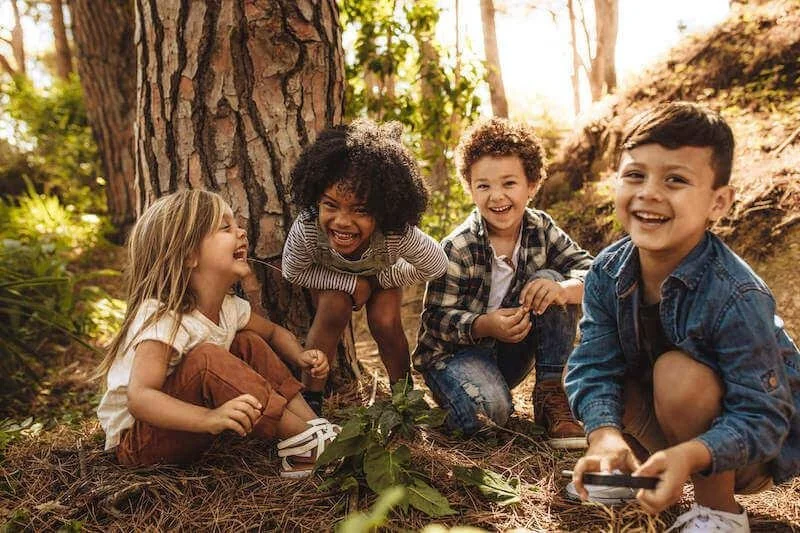
A recent study by Miles Richardson of the University of Derby shows that the reason we are not connecting with nature anymore, is not just because of the lack of contact, but because of what gets passed down from one generation to the next. This study found that 80 per cent of children in the study had their connection to nature largely shaped by their parents, as compared to the 20 per cent whose connectedness came from having direct contact with the environment.
Modern day parents often grow up in urbanized environments with less connection to nature and then the cycle compounds as they pass the lack of connection onto their children. This is the starting baseline, which they pass on to their own children who then become even more detached from nature. It's a vicious cycle.
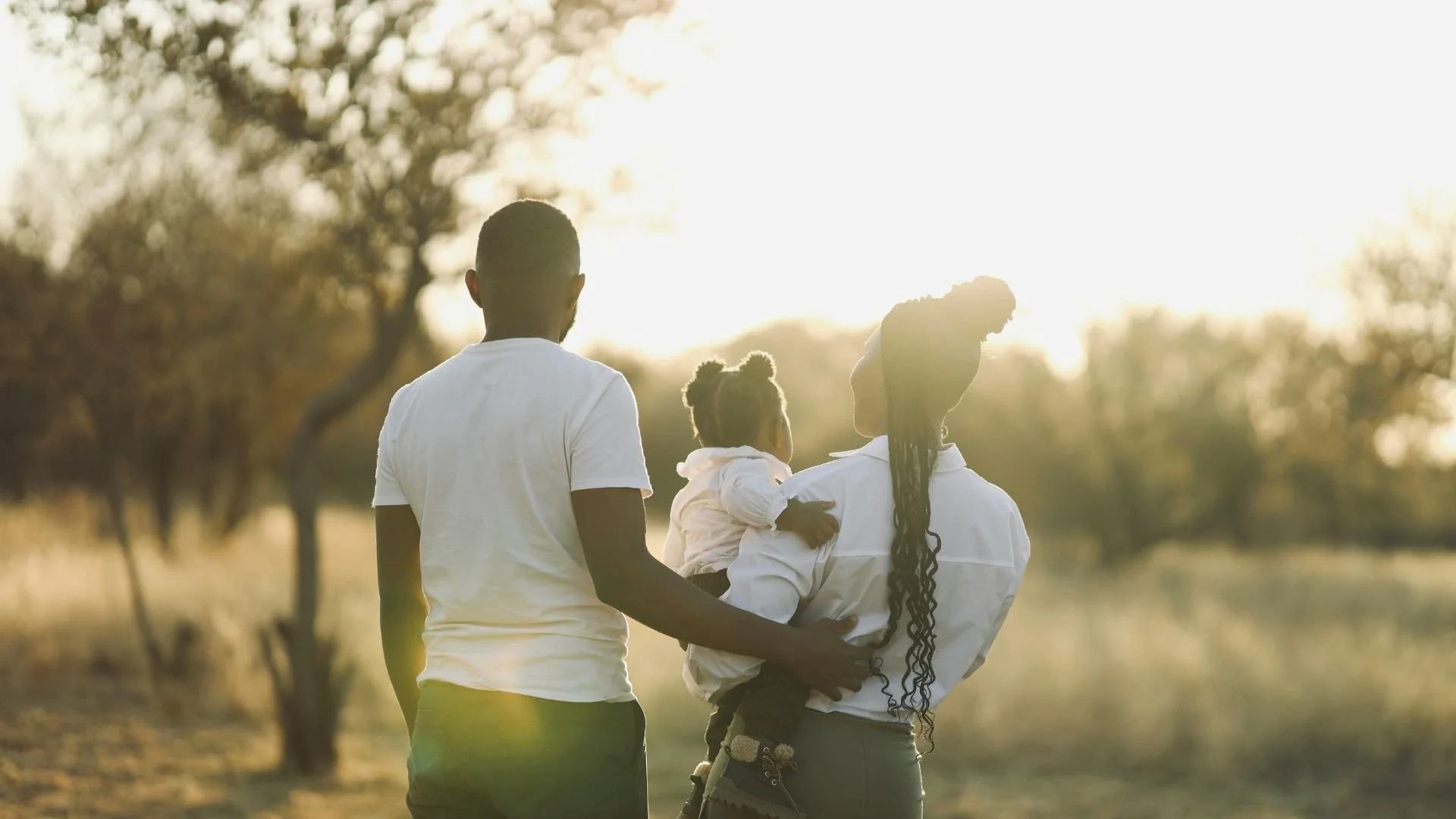
Being out in nature as children with parents creates a powerful cycle.
This intergenerational effect can help to explain why adding more green spaces in urban areas doesn’t always result in people having better connections to nature. If you’ve grown up mostly indoors, having a park built close by won’t necessarily force you to go outside more often. These patterns of behavior become built into us from a young age, which is why it can take decades for generations to rebuild their appreciation for nature. Researchers tested future scenarios and the most positive outcomes were the ones in which there was both large-scale access to nature, combined with child and family based interventions. Organizations like the Children & Nature Network have just finalized a new ten-year strategic framework aimed at ensuring that 20 million children across the U.S. experience healthy, joyful, nature-filled childhoods.
Advertisement
Connectedness to Nature
Another recent study, also by Miles Richardson, highlights connection to nature in various countries based on survey responses from nearly 57,000 people from 61 countries. By ranking countries based on where people feel the most and least connected to nature, we see dramatic differences that challenge ideas of progress and development.
Rankings by country were based on the “Connectedness to Nature Scale” which compares factors such as urbanization, biodiversity, socioeconomic conditions, spirituality, and attitudes towards technology.
Countries with the highest levels of “nature connectedness" included Nepal, Iran, South Africa, Bangladesh, Nigeria, Chile, Croatia, Ghana, and Brazil. While many of these countries have lower average incomes, citizens report stronger emotional and psychological connections to nature. To juxtapose these results, many wealthier OECD countries such as Canada, United States, United Kingdom, Germany, Netherlands, and Japan were ranked near the bottom for nature connectedness. .
Connectedness to nature can result in better mental health, well-being, and greater care for the environment. While environmental policies in wealthier countries may be technically stronger, the low levels of nature connectedness among their populations may help to explain why environmental degradation continues. Having low nature connectedness also affects environmental conditions in the global south. Arguably, people in wealthier countries create more environmental damage across the world, and use environmental policies as bandage solutions to help justify their overconsumption habits.
Advertisement
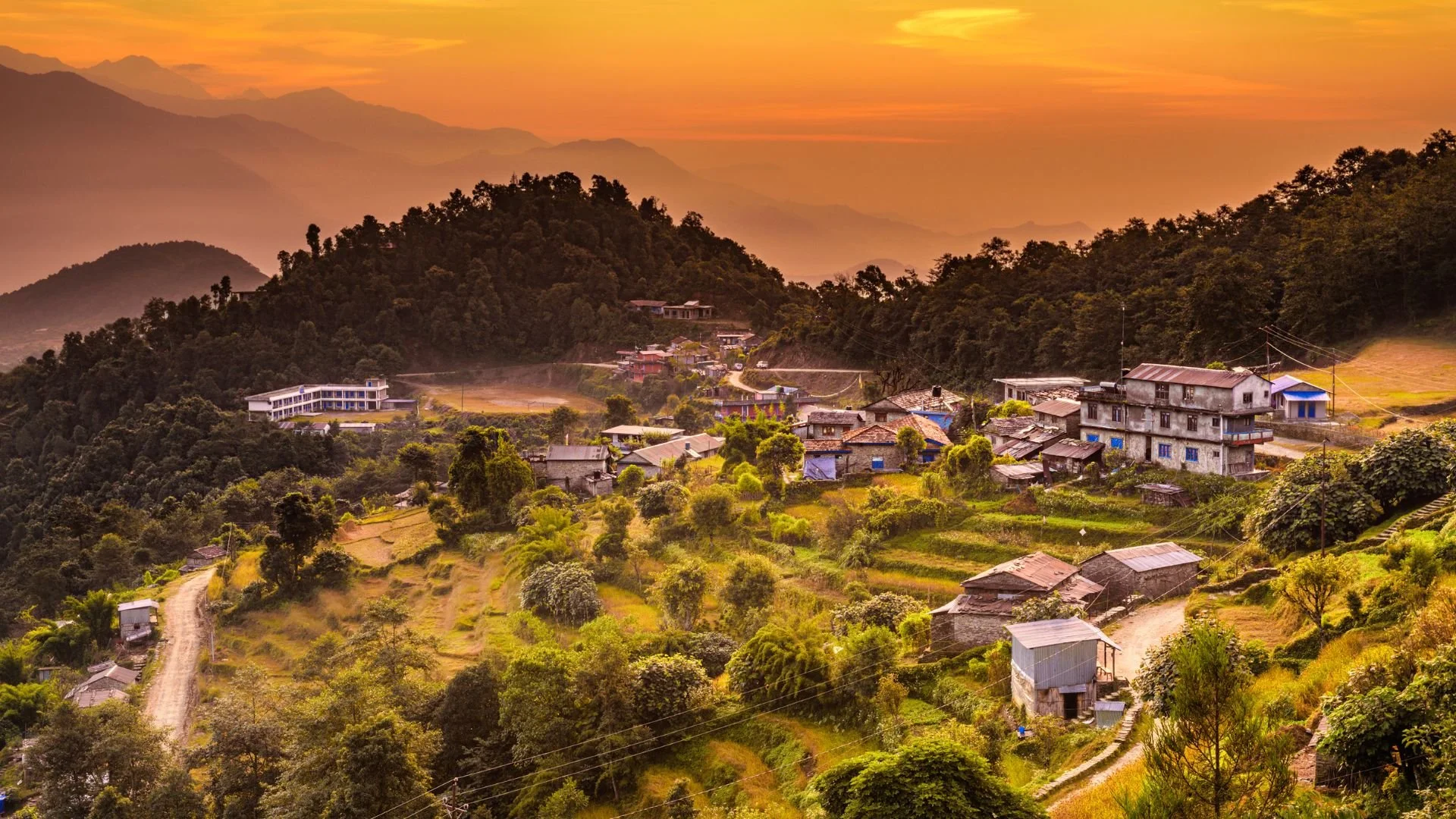
People in Nepal have the highest connection to nature.
While there is not a single factor that can explain why Nepali people had the highest connection to nature, there are many factors that compound. Most of Nepal’s population live in rural areas, which means they are more likely to grow their own food, take care of animals, and live amongst nature. This way of being is far different from the experience of the average North American who spends most of their time indoors and on screens, shops at giant grocery stores for food, and sees nature as an occasional recreational escape or opportunity for a luxury holiday.
Another reason is Nepal’s beautiful and biodiverse landscapes. There are over 22,000 species in Nepal, making up about 1.3 per cent of biodiversity in the world. Nature and people co-exist in many different ecosystems, from the high mountains to the gangetic plains. Nepalese people live with nature, rather than simply seeing “green spaces” as an addition to urbanized ways of life in North America.
Finally, spirituality and culture play a big role in our understanding of life, purpose, and how we see nature. Nepal has a largely Hindu population which sees nature as being sacred and part of daily life, rather than being separate from humans. Nature is not something to be dominated and controlled, but rather cherished and nourished. Seeing nature as part of oneself is feeling connected to it, and higher levels of spirituality can result in more connectedness to nature.
Conclusion
As the environment we habituate continues to degrade, it becomes ever more important to ask what our priorities are. We can learn from this research to rebuild our relationship to the natural world so that we can adapt and co-exist, or we can continue to become evermore disconnected and detached. Organizations like the Children and Nature Network provide research and resources to help us reconnect to nature. Yet if we remain disconnected, this imperils our health and well-being, and contributes to the paradigm of over consumption, and the dominating and exploiting nature for material wealth.
Advertisement
Rushil Malik is the Communications Manager for GRHC and is actively learning about the green roof industry.
Citations and More Information
Richardson, M., Lengieza, M., White, M.P. et al. Macro-level determinants of nature connectedness: An exploratory analysis of 61 countries. Ambio 55, 80–100 (2026). https://doi.org/10.1007/s13280-025-02275-w
Richardson M. Modelling Nature Connectedness Within Environmental Systems: Human-Nature Relationships from 1800 to 2020 and Beyond. Earth. 2025; 6(3):82. https://doi.org/10.3390/earth6030082
Children and Nature Network has resources to help you connect children to Nature. https://www.childrenandnature.org/members/ See Sustainable Futures Podcast Episode 26 Growing Children’s Connections with Nature”, with Laura Mylan. https://livingarchitecturemonitor.com/sustainable-futures-podcast/sustainable-futures-designing-green-communities-and-buildings
See “How to Flourish During Stressful Times” Steven Peck, Spring 2025. Living Architecture Monitor. https://livingarchitecturemonitor.com/articles/how-to-flourish-during-stressful-times-sp25