Articles
Nature, Mental Health, and Inequity: Rethinking Access in Our Cities
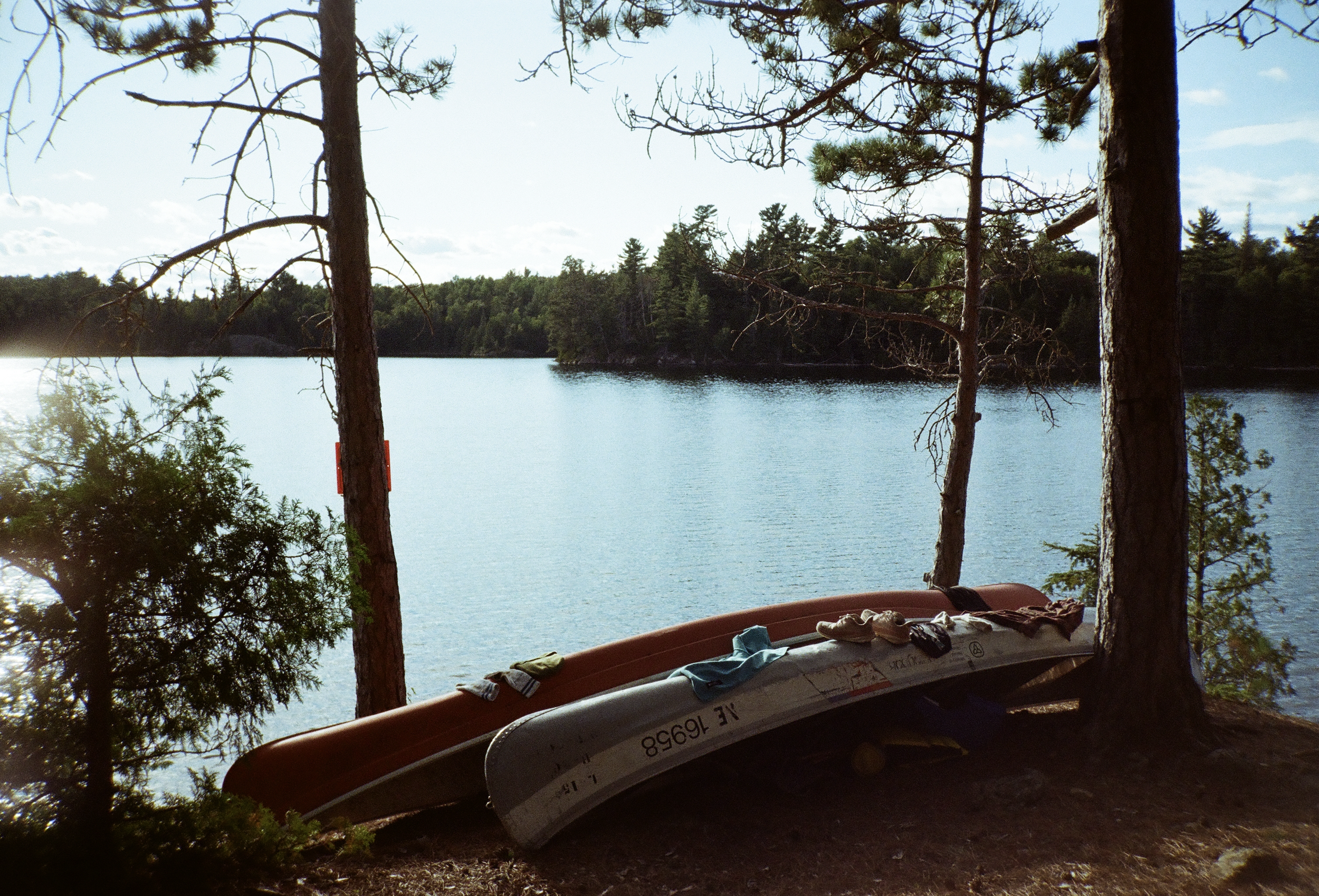
Discover how access to nature impacts mental health and wellbeing, and why green infrastructure in cities is a public health necessity. Explore the benefits of green spaces, the inequalities in access, and ways communities can take action.
Green Roofs and Fire Resilience: Extending Defensible Space Above Ground Level
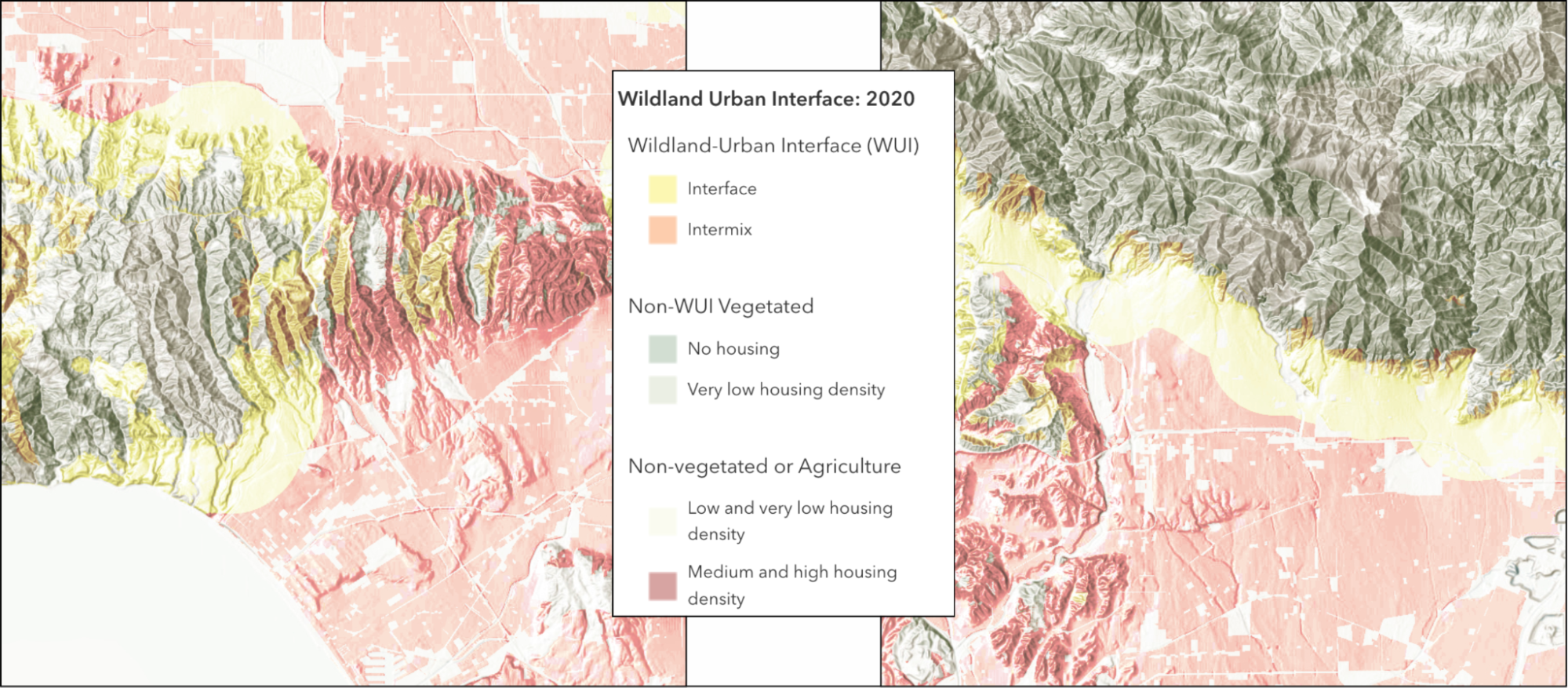
Extensive green roofs present a potentially novel approach to wildfire resilience, functioning as ember-resistant surfaces that can disrupt fire propagation. By elevating defensible space principles to the roof level, green roofs could offer a scalable strategy for mitigating wildfire risk.
Introducing the New Solar Green Roofs Resource Guide
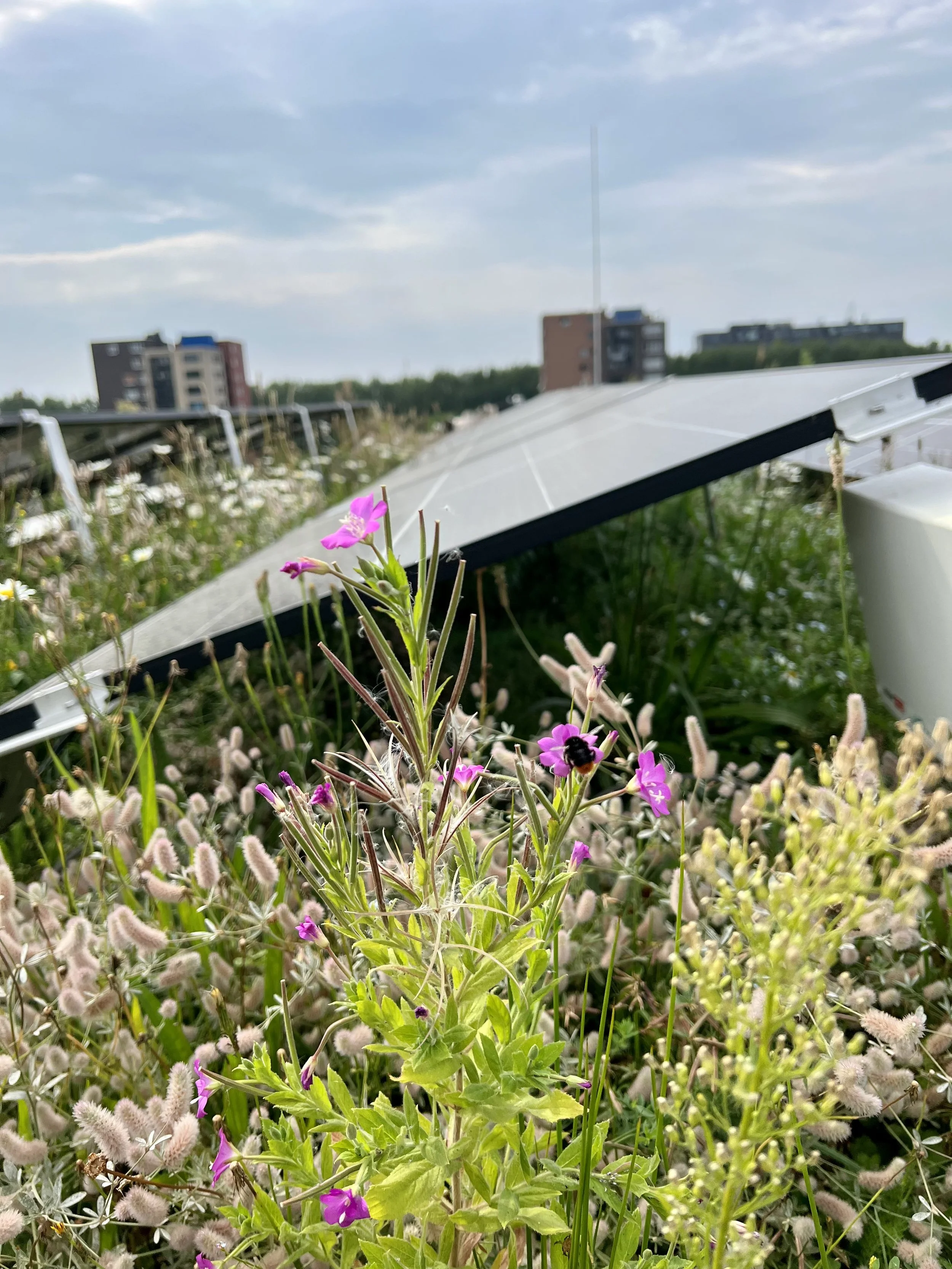
Learn about this free multidisciplinary guide by the World Green Infrastructure Network, the European Federation of Green Roof Associations, GRHC and Solar Power Europe. It is about designing, installing, and maintaining solar green roof projects with best practices, along with multiple case studies and supportive public policies.
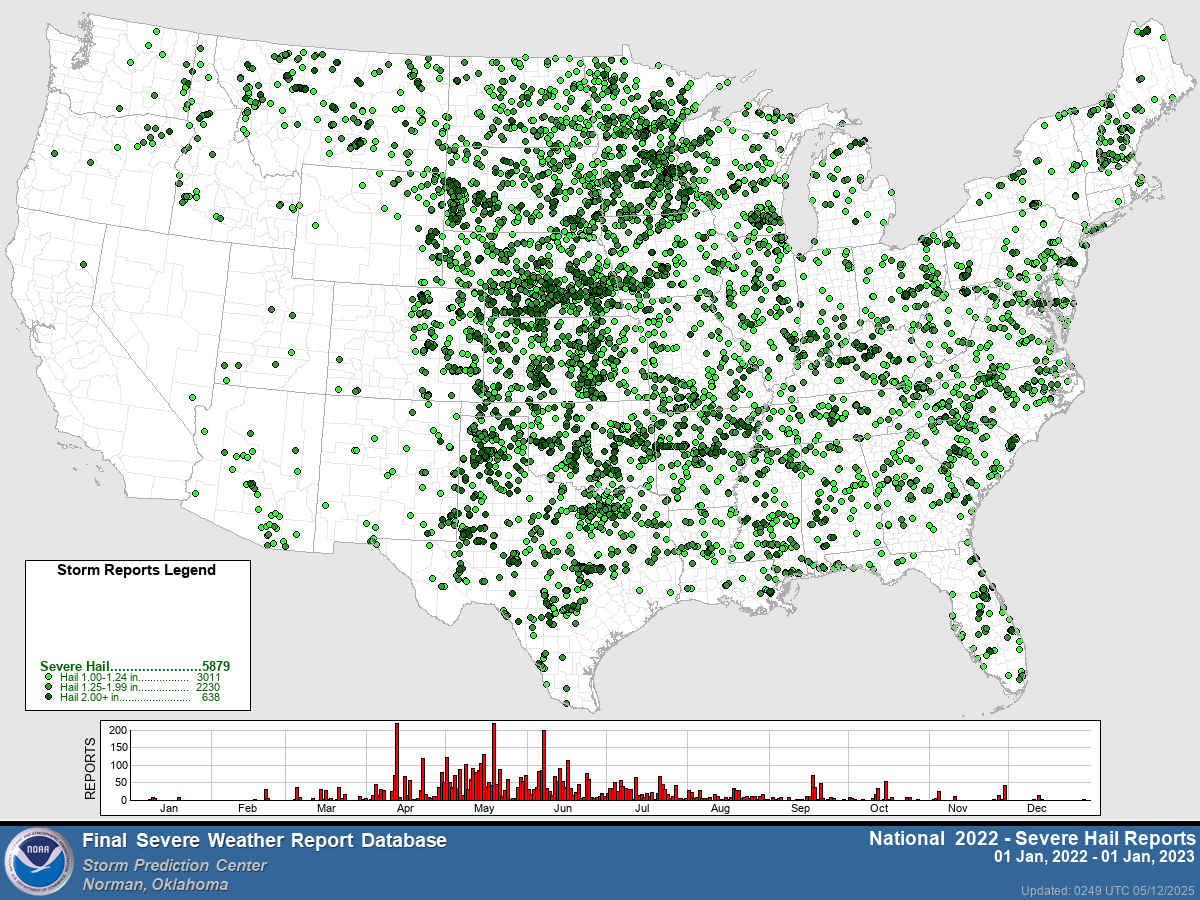
Green Roofs: A Strategic Shield Against Escalating Hailstorm Damage
Hailstorms are becoming an increasingly costly threat to buildings, particularly in regions like Texas, Colorado, and the Great Plains but research shows that green roofs are a resilient solution to mitigate hail damage and protect waterproofing.
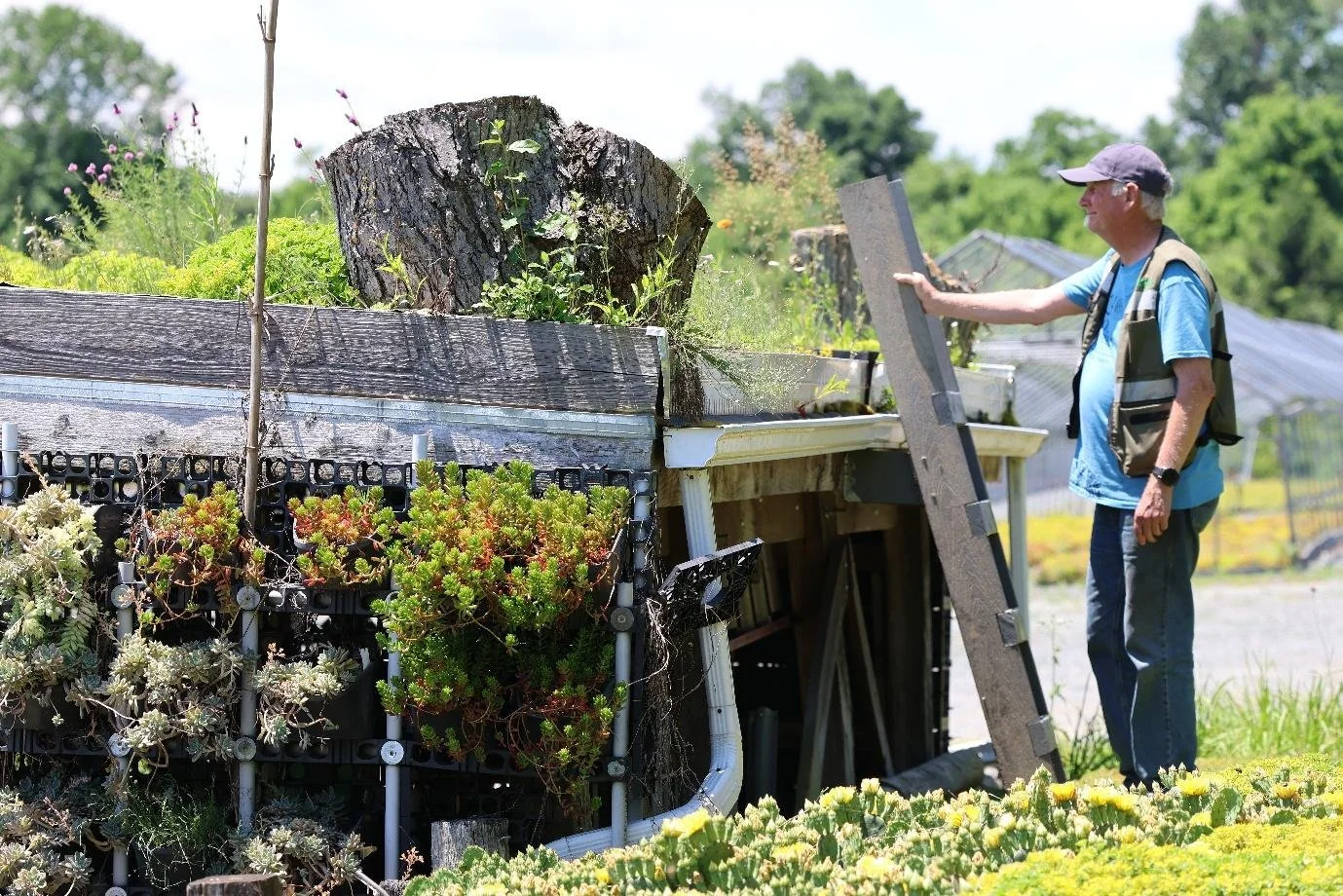
Enhancing Urban Biodiversity with Bio Strips on Green Roofs
Integrating bio strips into green roofs enhances urban biodiversity, improves stormwater management, and supports pollinators by creating structurally diverse habitats. This nature-based approach strengthens ecological resilience and reconnects fragmented urban ecosystems in the face of rapid urbanization.

Addressing Urban Heat Islands Benefits Everyone
Learn about how the Urban Heat Island and Social Justice are issues which are fundamentally interconnected and how green roofs and walls can help to address both.
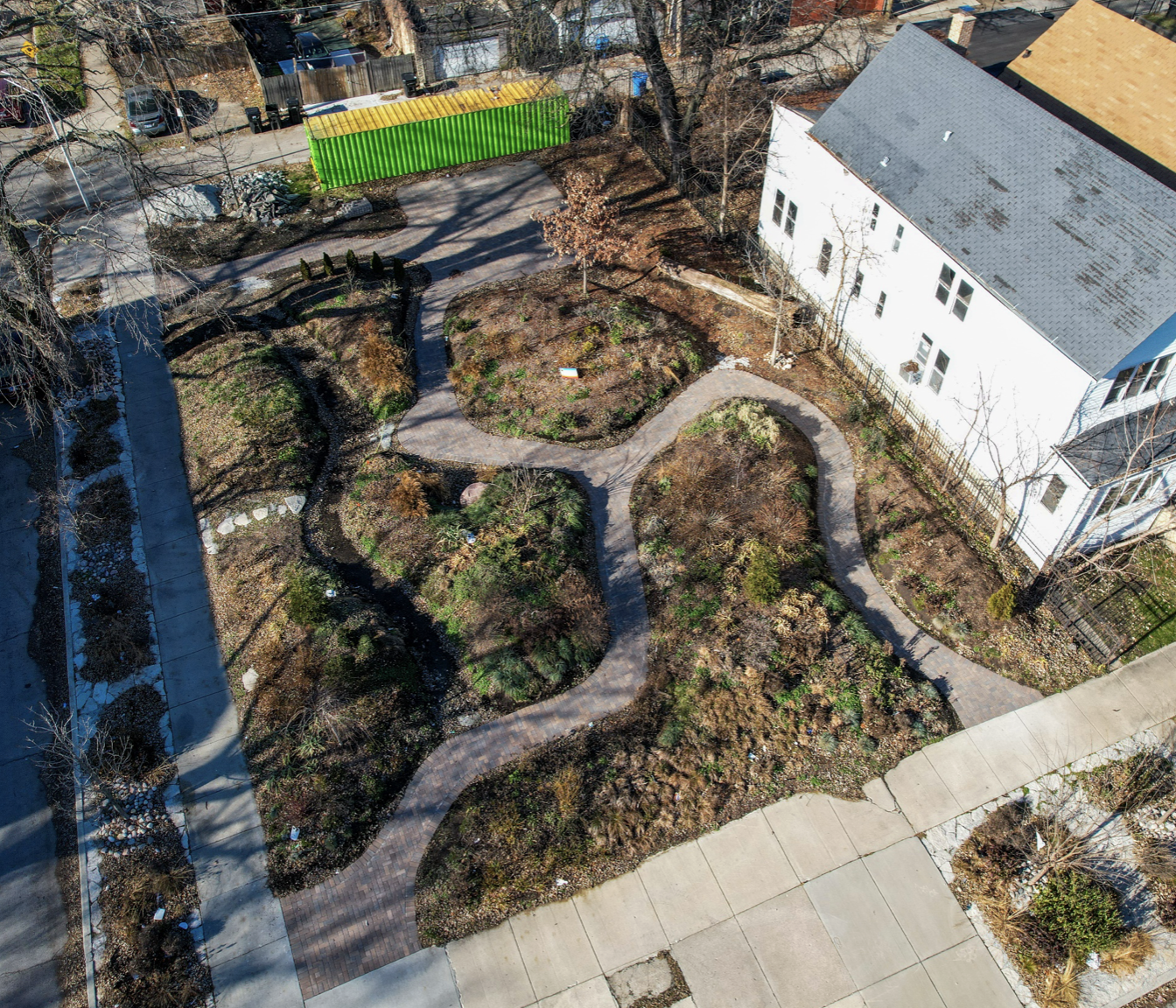
Visioning Community - Scale Green Infrastructure Part Two - Outcomes in Chicago
This article follows an earlier article in the LAM about the Green Infrastructure Foundation’s Green Infrastructure Charrette Program. Read about the Charrette held in Chicago and the plans to profoundly improve the neighborhood of West Woodlawn under the leadership of Blacks in Green.
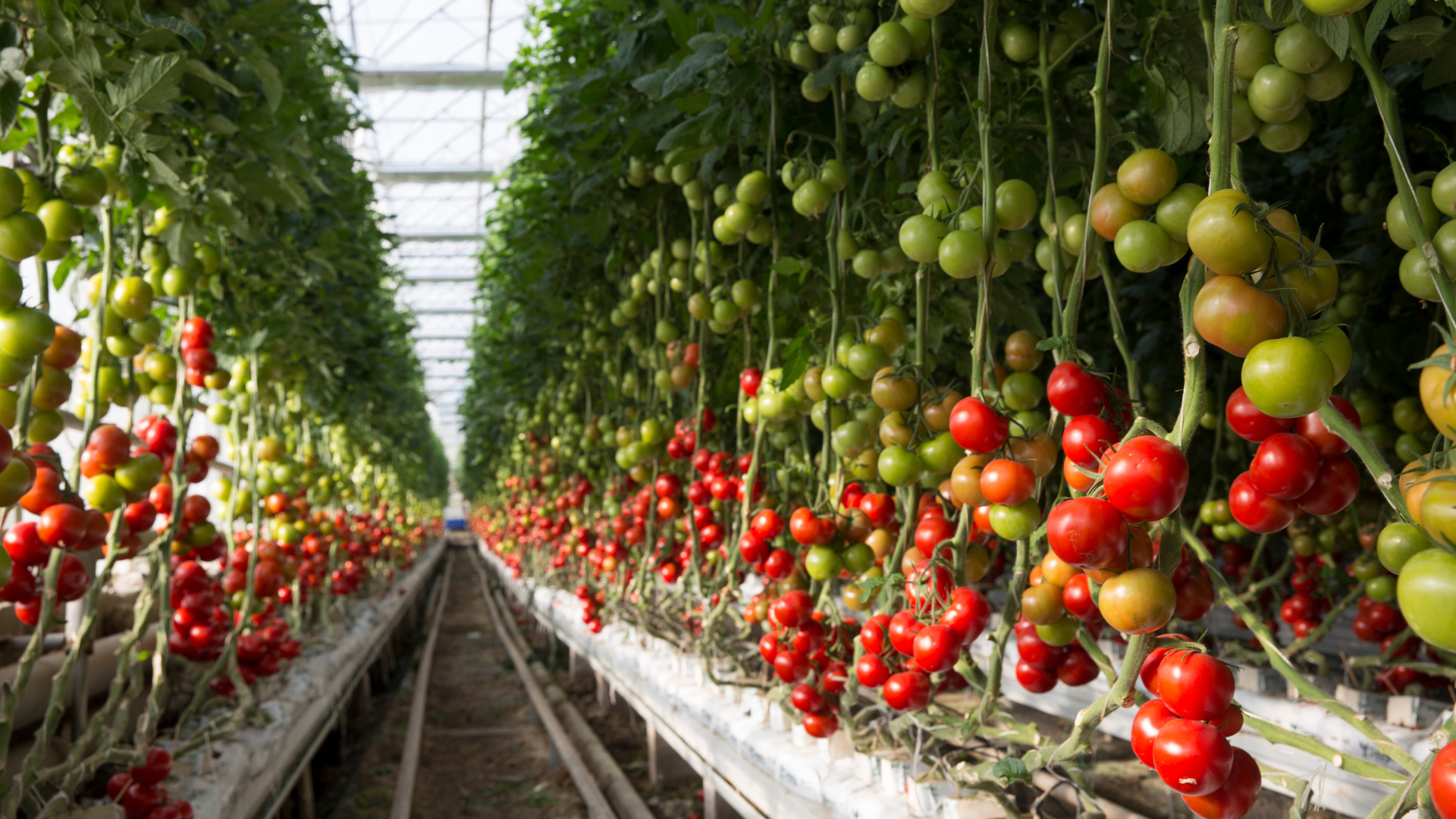
An Overview of Vertical Farming
Vertical farming offers a climate-resilient approach to food production by using controlled environments to grow crops efficiently with less land and water. Despite challenges like high energy costs, its potential for food security and urban integration is rapidly expanding.
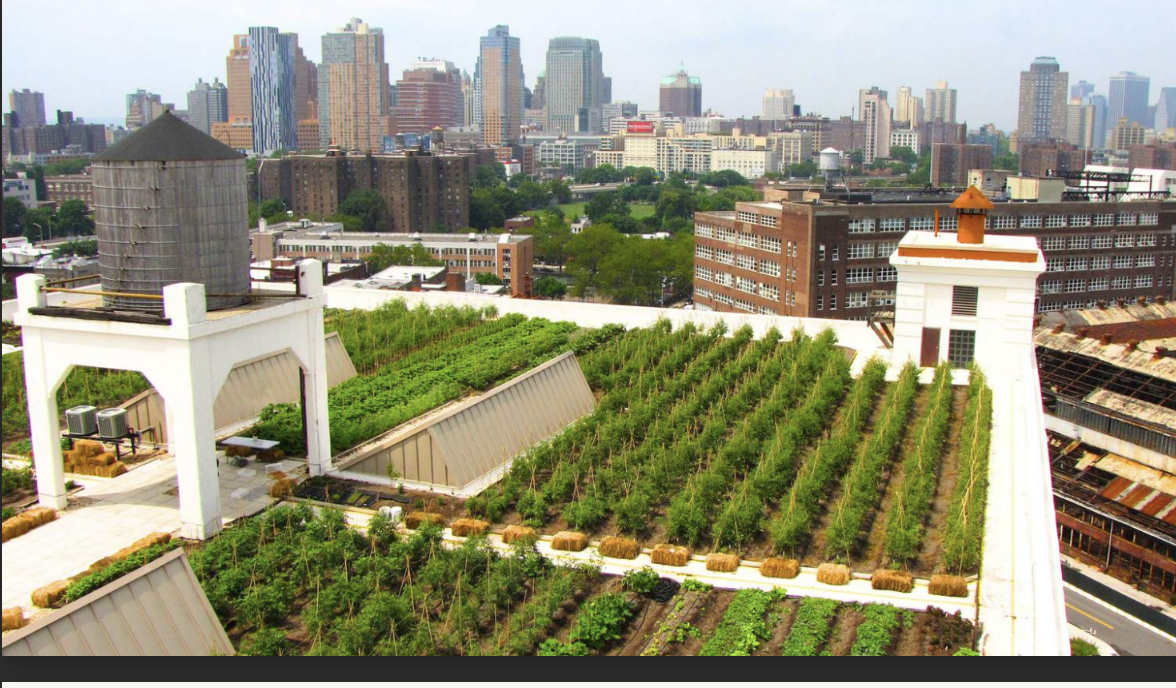
Brooklyn Grange: Growing a Greener Future Under New Leadership
Brooklyn Grange, a leader in urban agriculture, is expanding under new leadership. With a focus on rooftop farming, green infrastructure, and community engagement, the organization continues to transform urban spaces into biodiverse, climate-resilient ecosystems while promoting sustainability and food security.
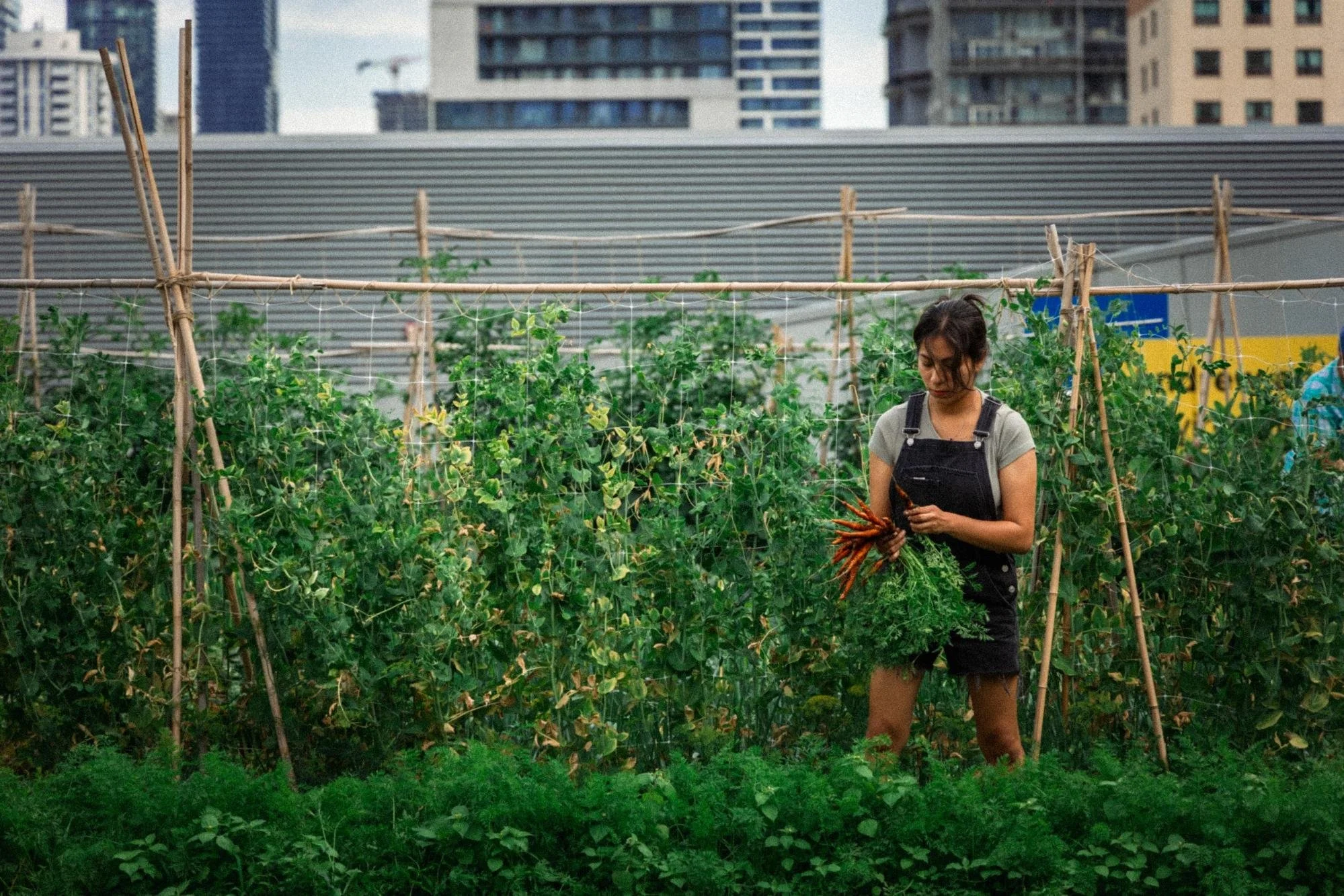
Cultivating Knowledge and Connection: Urban Agriculture and Ecological Literacy
Urban agriculture fosters ecological literacy, reconnecting city dwellers with nature. Explore how Toronto Metropolitan University’s Urban Farm cultivates sustainability, community, and hands-on learning. Read more on urban food systems and environmental awareness.

The Growing Importance of Investing in Food Resilience
This article highlights the importance of food resilience and the climate crisis and other challenges that affect it and provides solutions for strengthening our food system.
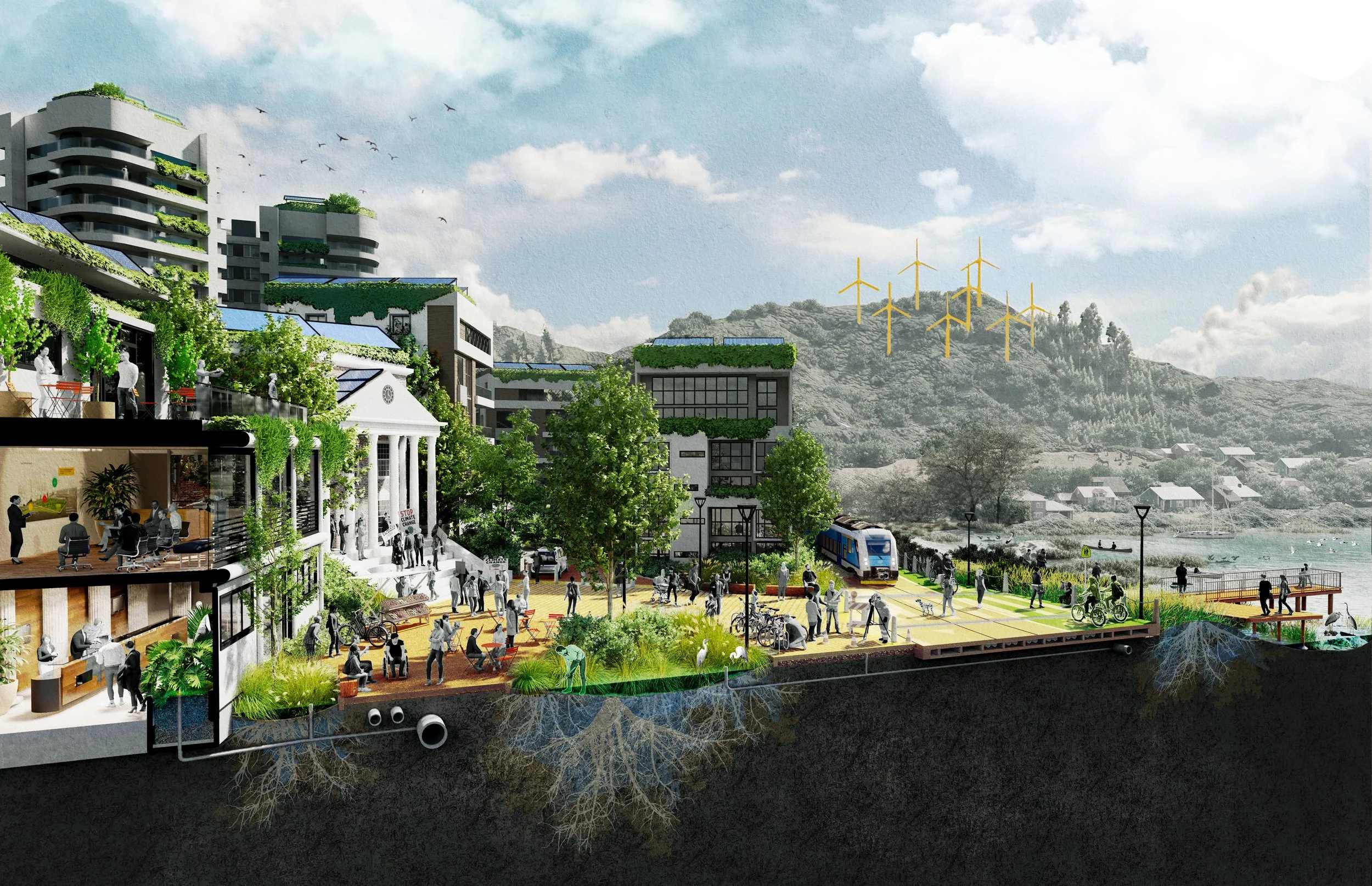
Introducing the New Pathfinder 3.0: A Climate + Biodiversity Positive Tool for Sites
Pathfinder 3.0, the latest update to Climate Positive Design's LCA tool, helps designers measure project impacts with expanded carbon datasets, biodiversity and water use analysis, and equity assessments. With enhanced features like GIS integration and project scorecards, it empowers sustainable, climate-forward design for spaces beyond buildings.

New Methods to Help Achieve Net-Zero Carbon Emissions for the Building Industries of Taiwan
Explore Taiwan's pioneering Life Cycle Carbon Database for landscaping (L-LCC), integrating embodied carbon and construction emissions analysis. Discover how this innovative system aligns with global net-zero goals by enabling sustainable design and reducing carbon footprints in urban landscapes.
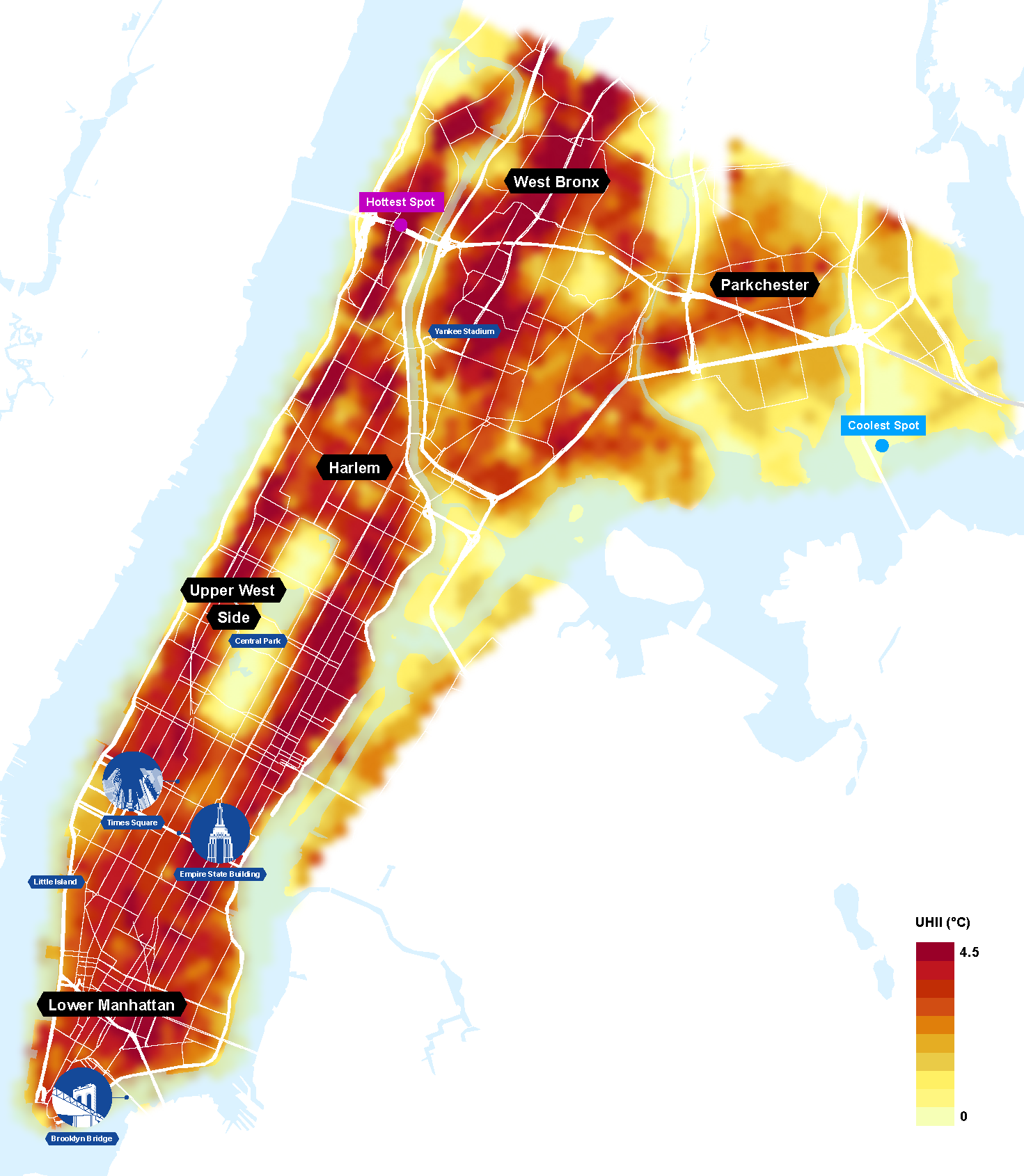
Cooling the Heat: Designing Cities for Climate Resilience
Urban heat is a growing threat, exacerbating health risks and inequality. Arup’s UHeat tool provides data-driven solutions to mitigate the Urban Heat Island effect, with case studies like Toronto showcasing strategies for resilience through green infrastructure, retrofitting, and equitable urban design for cooler, healthier cities.

Innovative Green Technology for Cleaner Indoor Air
The article highlights GINKGO’s breakthrough air purification systems, Stomata and Aether. Combining engineered plants, advanced filtration, and efficient irrigation, these systems remove 99.99% of indoor pollutants. With reduced maintenance and proven results, they offer a sustainable solution to improve air quality and enhance well-being in indoor spaces.
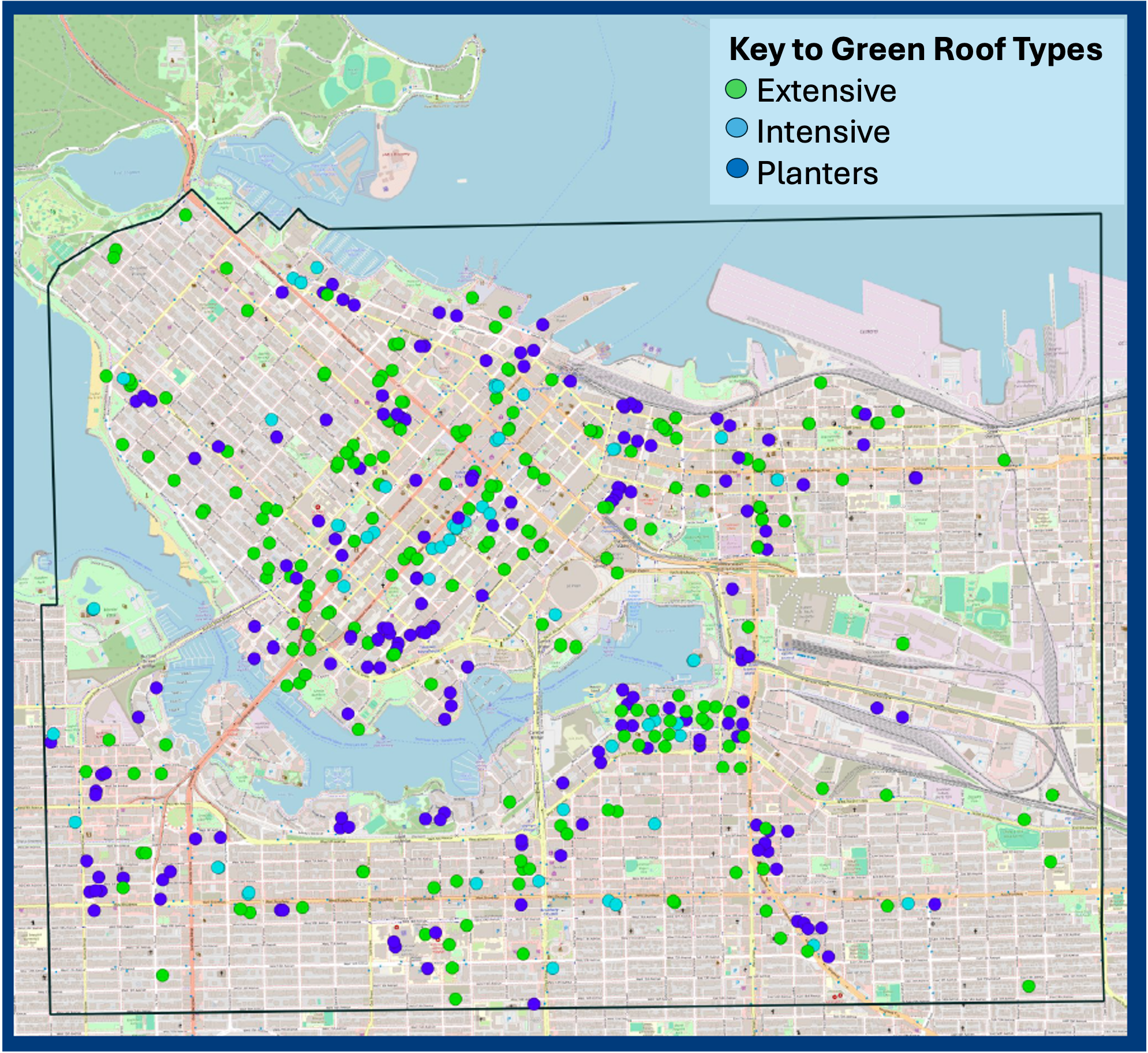
Mapping Vancouver’s Green Infrastructure and Roofscape with Gentian
Green roofs cover less than 2% of Vancouver’s roofscape, highlighting untapped potential for urban cooling and stormwater benefits. GRIN’s mapping technology can drive green infrastructure adoption across North America, fostering resilience and liveability. Support this transformative initiative through donations or by exploring its application in your city.

The Evolution of Biophilic Design: The 10 Year Anniversary of the 14 Patterns
Celebrating the 10th anniversary of 14 Patterns of Biophilic Design, this article explores the growing impact of biophilic design, innovative research developments, and the emergence of new patterns like "Awe," underscoring the critical role biophilia plays in enhancing health, well-being, and urban living.
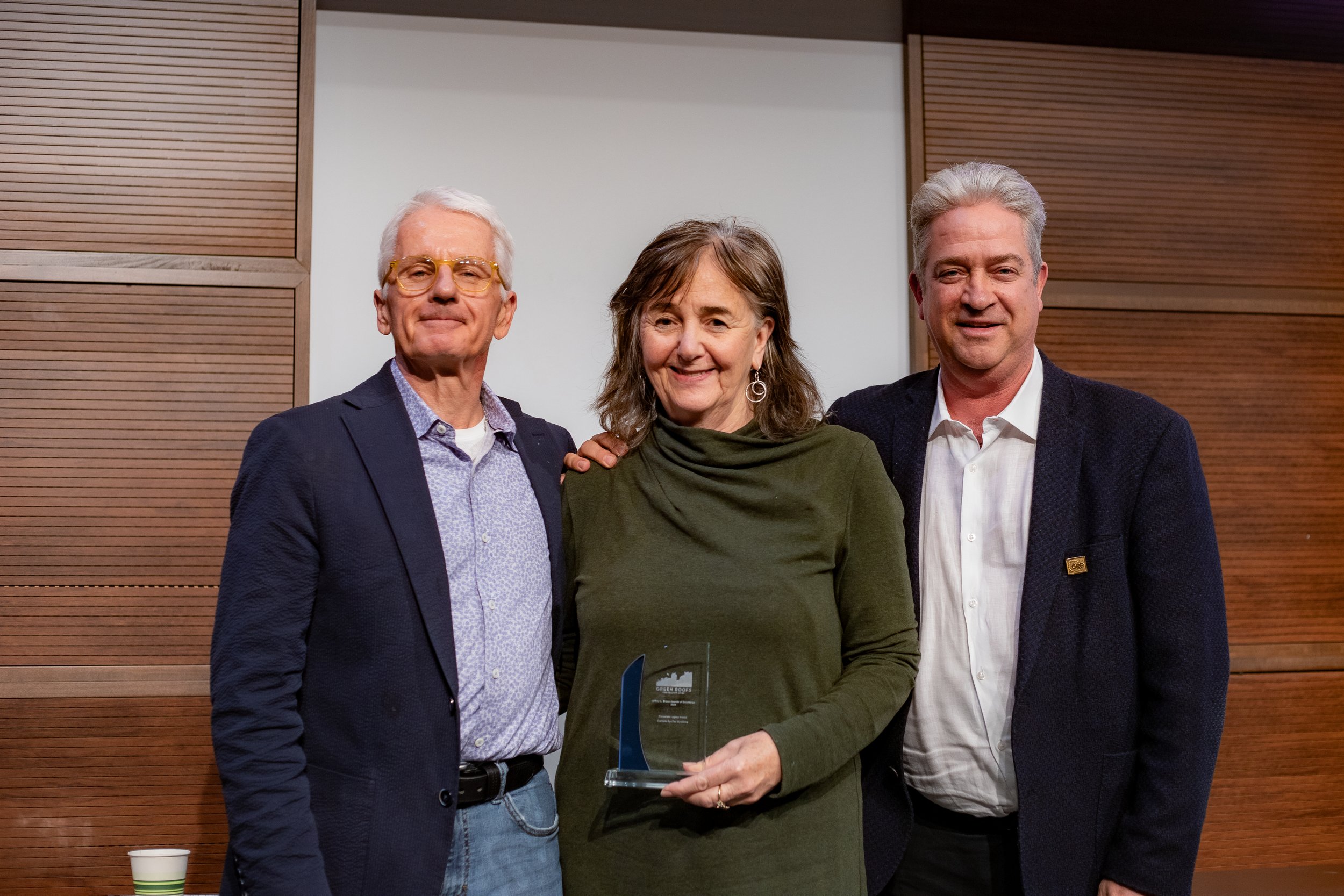
Toronto Celebrates Green Infrastructure Leadership and Achievements at CitiesAlive Conference
The City of Toronto welcomed more than 300 green infrastructure professionals on November 6 to 9 for the 20th anniversary of the CitiesAlive conference. The conference highlights green infrastructure design, research, policy and innovation from across the world.

A Review of The Science of Biophilia, Biophilic Design and Human Health Impacts
Explore how biophilic design reduces stress, improves recovery times, and enhances well-being. Studies reveal that exposure to real or simulated nature benefits patients, workers, and students by lowering blood pressure, heart rate, and enhancing cognitive function.
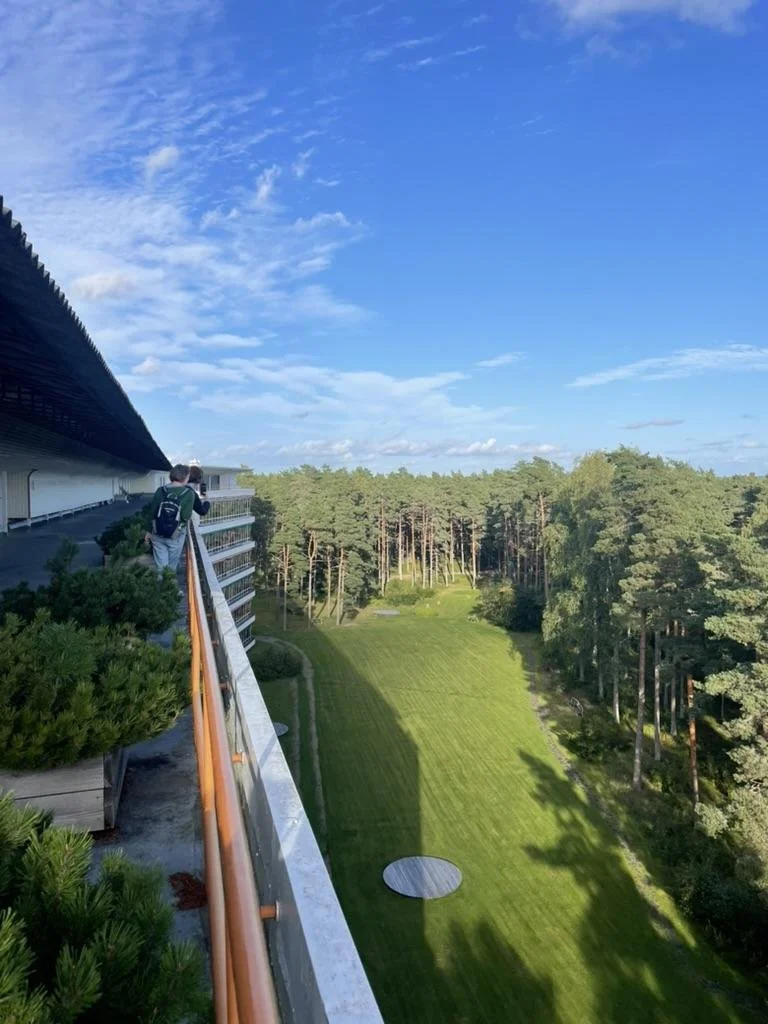
Adopting AIA Resolution #1: Prioritizing Human Wellness in Architectural Design
The recent AIA resolution emphasizes integrating human health into architectural design, advocating for biophilic principles. This shift aims to enhance well-being and address global health challenges through nature-focused, human-centered environments.