Addressing Urban Heat Islands Benefits Everyone
Advertisement
Introduction
A colleague of mine, an activist for social and environmental justice issues, told me that every time he confronts an environmental issue and keeps pushing on it, the issue shows itself as a social justice issue. Likewise, every time there is a social justice issue, as he digs deeper, it shows its roots as an environmental issue. The essence of this is that environmental and social issues are inextricably linked and hence, we cannot address one of these issue areas without understanding its relationship to the other.
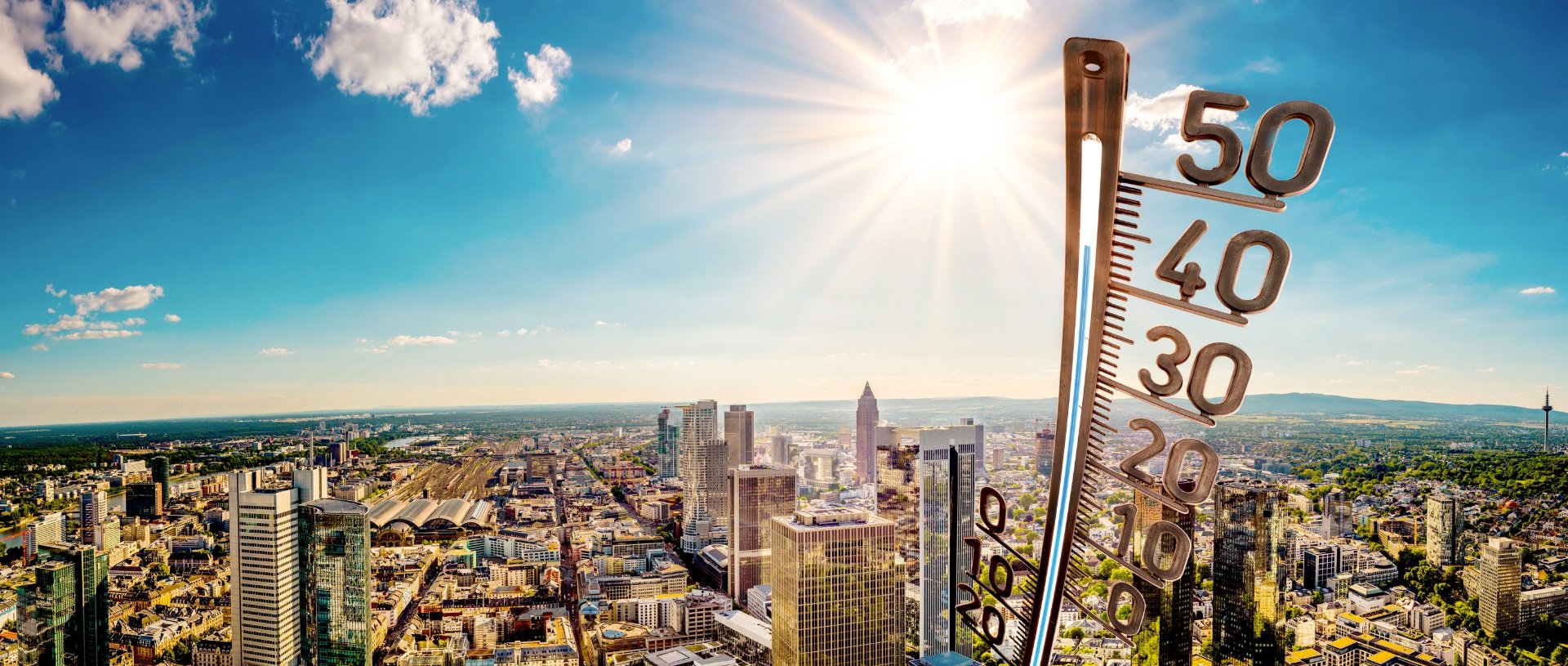
Already, we are seeing rapidly rising temperatures in cities.
Recent Research
There is no better example of this interrelationship than with the anthropological impacts of the Urban Heat Island (UHI) effect. Data and studies by many researchers have found broadly disparate UHI impacts on low-income urban neighborhoods and neighborhoods with mostly black and brown residents. Here are just a couple examples of this research:
A study of 174 U.S. cities by Columbia University found 84 per cent of areas with a history of racially-biased housing policies had a significantly higher UHI of as much as 12.6 degrees Fahrenheit, years after the policies were reformed;
U.S. EPA estimates that many urban areas are 10 degrees Fahrenheit warmer than their surrounding areas. Other studies have shown that Black households and households living in poverty have the highest surface level heat indices in 169 of 175 U.S. cities.
For too many of these residents there is a limited ability to escape from the heat in neighborhoods with fewer trees, parks and proximity to bodies of water. Many of these households also experience higher energy bills that contribute to racial disparities in energy poverty, generally defined as spending more than 6 per cent of household income on energy costs.
Window air conditioning units, often the only option for low-income urban renters, use at least one kilowatt of electricity for every hour of operation. A 2022 study of residential buildings in Montreal found that every one degree Celsius of increased cooling demand annually added 4.5 kilowatt-hours per square meter, and increased cooling degree hours by 11.7 per cent.
In the U.S., nearly one in seven families are experiencing energy poverty, according to research by Rocky Mountain Institute, with an average energy cost burden of 14 per cent of household income versus 3 per cent in energy costs for all other households. The link between UHI effects as an environmental issue and a social justice issue is clear.
Advertisement
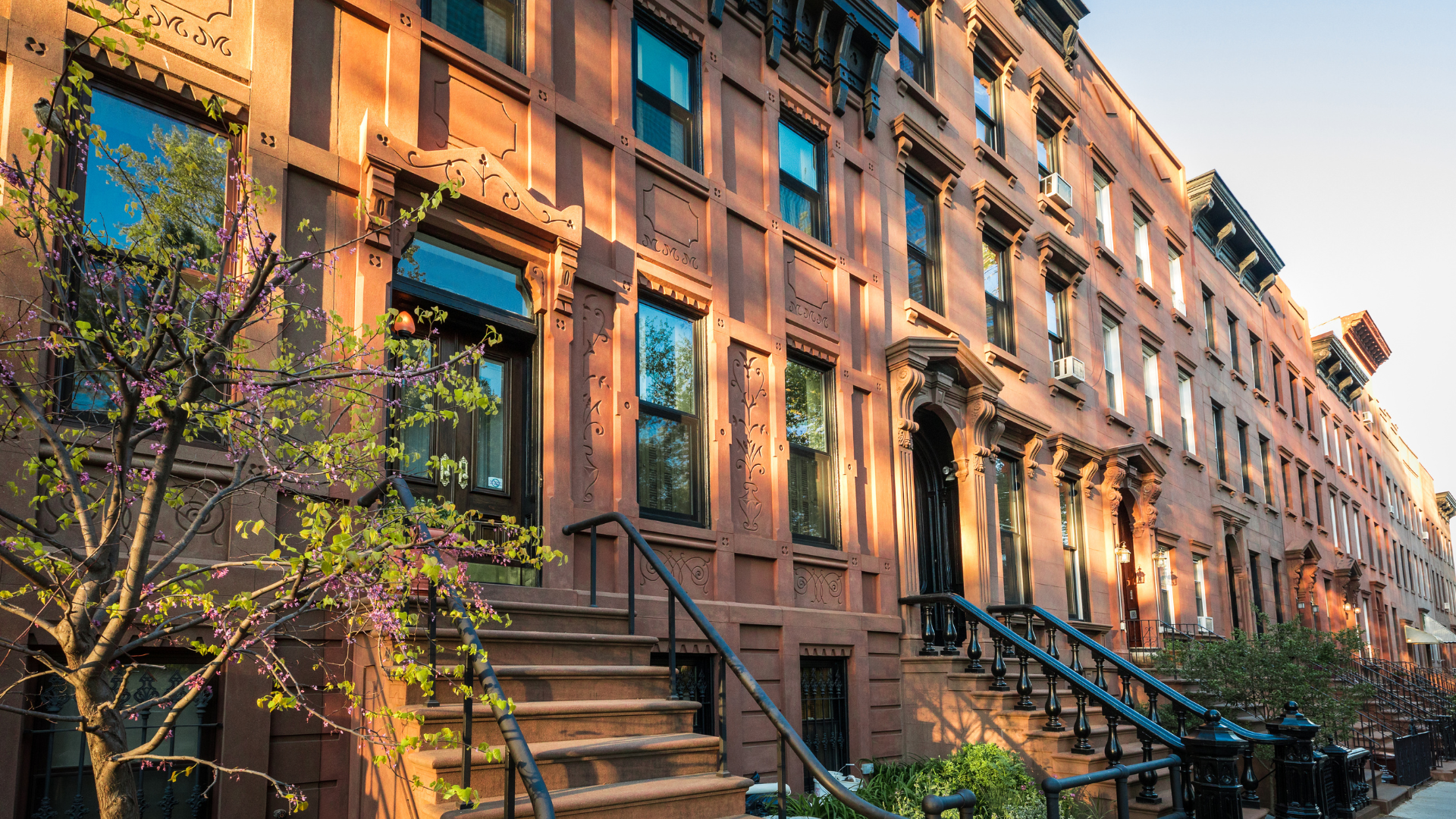
Social issues and environmental issues are often inextricably linked. We are seeing the growing urban heat island in cities which is a classic example of this.
Solutions to the UHI
Fortunately there are also solutions for mitigating the UHI, even as the planet gets hotter every year and more people move to urban areas. Ground-breaking research by Shanguo Zhao and Xiaosong Zhang, published by Frontier Energy Research, found that a green roof reduces the cooling loads of a building by 9-12 per cent when AC is 25-50 per cent of a building’s total energy load. Equally seminal research by Dr. Brad Bass in Toronto quantified the reduction in UHI and corresponding energy demand for cooling from building threshold levels of green roofs in the downtown urban core.
As with other sustainability measures, there is some misalignment of the benefits and return on investment for a building owner that installs a green roof and other green infrastructure measures. Yes, there are direct benefits to a building owner from reduced energy costs, reduced or eliminated fees for stormwater runoff, and extended roof membrane life expectancy. But there are also these broader sustainability benefits, including the mitigation of UHI effects, for which there are fewer direct payback mechanisms.
A 2023 study published in Lancet estimated that as many as four per cent of all deaths in the summer months in urban areas are linked to UHI effects. Given the critical role of the UHI in the health of inner-city residents, the costs for energy, and the clear racial disparities in its impacts, we need to think about UHI in a broader context.
As we do with other aspects of infrastructure and systems, UHI should be confronted with a district or utility model. We already spread the costs and benefits of our energy systems, public transportation, water management and other infrastructure services, far from perfectly but at least with a shared sense of the greater community. We could do the same with more robust initiatives to mitigate and adapt to the effects of the UHI.
Building owners should be incentivized for the broader benefits that result from their investments in green roofs and green walls. The energy cost savings from a one degree reduction in the UHI could fund a lot of green roofs, but how do we capture and share that benefit?. We can also support greater implementation of more green infrastructure systems at scale, and reach critical levels, with tools such as “tree increment financing”, modeled after TIF districts for other forms of infrastructure.
Tax Increment Financing (TIF) districts are under-developed areas that could see large increases in the property tax base and tax revenues from new development. With TIF, a portion of these future increased property taxes are captured upfront as an “increment” that is used to fund public improvements, such as streets, parks, water and sewer infrastructure. Tree Increment Financing is based on this model and seeks to capture the lifecycle benefits of tree plantings (energy savings, stormwater management, increased property values, etc.) to help fund the upfront costs of the tree planting. It could be used with other forms of green infrastructure as well.
Those are some ideas for the carrots, but there should also be sticks. More cities are establishing requirements that buildings of certain types in certain areas must either reduce their contributions to UHI directly such as with a green roof, or contribute to a fund that builds green infrastructure elsewhere in the area with that goal.
Conclusion
The good news is that we know how to measure and map UHI and urban hot spots. We are better at quantifying the mitigation and adaptation benefits of green infrastructure, including for UHI. And there can be benefits for everyone, regardless of social position, whether you are in a large office building or in one of the neighborhoods surrounding the central business district. We need to establish new financial incentives to support measures that will reduce the urban heat island in the years to come.
Advertisement
Michael Krause is a board member of Green Roofs for Healthy Cities and the Green Infrastructure Foundation. He is the Chief Operating Officer for Renewable Energy Partners, a solar developer based in Minneapolis.
References
“Temperature-related mortality burden and projected change in 1,368 European regions,” The Lancet, September 2024, Garcia-Leon et al.
“The Urban Heat Island Effect and Equity,” Applied Economic Clinic, July 2021, Alisalad and Majumder.
“Experimental analysis of energy consumption of building roof energy-saving technologies,” Frontier Energy Research, October 2023, Zhao and Zhang.
“Impact of urban heat island on cooling energy demand for residential buildings in Montreal,” Energy and Buildings, October 22, Errebai et al.
“1 in 7 Families Live in Energy Poverty,” Rocky Mountain Institute, December 2023, Rubin, Freed and Aggarwal.
“Poor neighborhoods are hotter than rich ones-especially during heat waves,” Columbia Climate School, December 2021.