Enhancing Urban Biodiversity with Bio Strips on Green Roofs
Advertisement
Introduction
The global human population is anticipated to reach approximately 8.5 to 9.9 billion by the year 2050 (Kc et al. 2017), with between 55 per cent and 78 per cent of these individuals expected to reside in urban environments (Jiang et al. 2017). This significant shift toward urbanization inevitably places increased pressure on urban lands, potentially leading to substantial alterations in habitat quality. Such urban expansion is projected to cause a decline of around 52 per cent in the relative abundance of species (Li et al. 2022).
Green roofs have emerged as an effective strategy to mitigate some of the ecological pressures accompanying urban development, addressing issues such as air pollution, adaptation to climate change based extreme temperature fluctuations, and flooding which requires better stormwater management. These benefits can be substantially amplified by integrating bio strips into green roofs that are not already designed and maintained to support biodiversity.
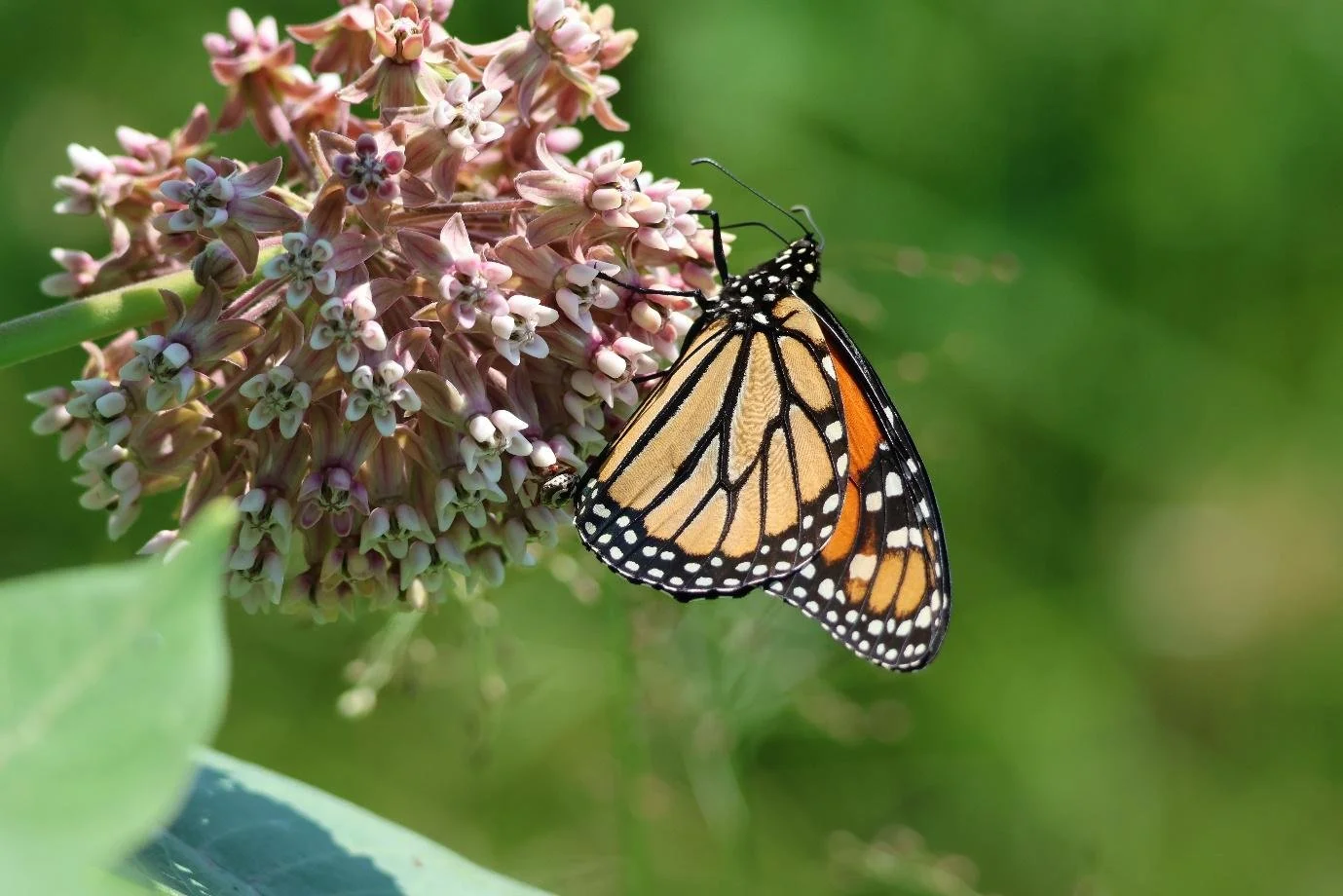
A monarch butterfly Danaus plexippus feeding on common milkweed Asclepias syriaca present within a bio strip at Emory Knoll Farms. These strips of flower rich resources act as pit spots for many species and show us how important these strips can be for migrating species. Photo: J. Johnson
Bio Strips and Their Ecological Importance
Bio strips, composed of narrow bands of diverse native vegetation traditionally found along agricultural fields and waterways, provide crucial habitats for pollinators and other wildlife species. When applied to green roofs, these vegetated corridors can partially restore ecological continuity lost through habitat fragmentation, improving the ecological stability and biodiversity within urban areas while supporting greater evapotranspiration and stormwater management.
Benefits of Bio Strips on Green Roofs
Bio strips typically contain a blend of native grasses, wildflowers, and shrubs, collectively supporting greater species richness compared to typical urban green spaces. Ecological surveys, such as those I conducted at Emory Knoll Farms, highlight this potential. In a comparative study, a six-minute sweep-net sampling within a bio strip hosting 18 native plant species yielded 42 insect species, whereas an adjacent natural meadow containing only 6 native grass species supported just 17 insect species. This observation underscores the bio strip’s alignment with optimal foraging theory (OFT), which postulates that organisms maximize their net energy gain by selecting resource-rich, minimally taxing habitats (Pyke 2010). Incorporating bio strips into green roofs enhances structural complexity, microhabitats, and invertebrate diversity, serving as ecological refuges and corridors beneficial to wildlife at various trophic levels.
Advertisement
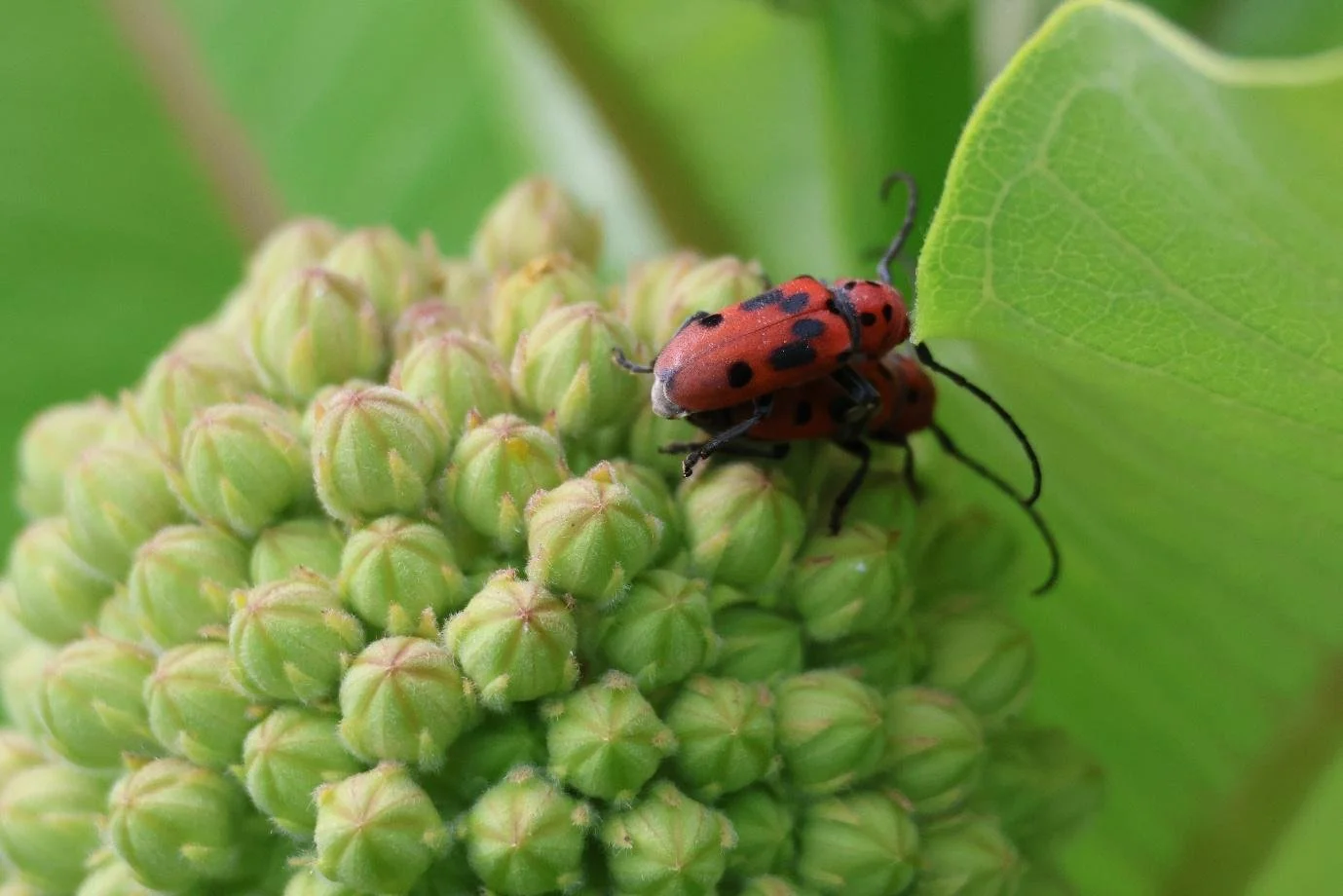
A species of Longhorn beetle, the Red milkweed beetle Tetraopes tetrophthalmus on its host plant A. syriaca. The importance of host plant relationships and local invertebrates should be thought of within the planting of any green roof design. Photo: J. Johnson
Enhancing Urban Biodiversity
Urbanization typically results in habitat fragmentation and a reduction of green spaces, adversely affecting wildlife populations and impacting human well-being. Traditional green roofs, while beneficial, often lack plant diversity and structural complexity, frequently relying upon a limited selection of hardy plants such as sedum. Through direct observation of garden habitats, I have found that both species richness and structural diversity are critical drivers of biodiversity. In biodiversity audits I have conducted in residential gardens, plots that combined high plant species richness with vertical layering such as herbaceous groundcover and shrubs alongside transitional zones between managed and semi-wild areas consistently supported greater invertebrate richness and functional diversity. Bio strips can enrich rooftop habitats in a similar way by offering abundant floral resources for pollinators, structural complexity, and ecotonal features that offer a wide range of microhabitats and ecological niches for insect species to exploit.
Native plants, adapted to regional ecological conditions, are recommended, as these plants support specialized interactions with local herbivorous insects, subsequently feeding birds, bats, and other predators, thereby establishing functional, self-sustaining urban ecosystems. Additionally, bio strips enhance ecological connectivity, crucial for wildlife migration and genetic diversity.
Additional Ecological Benefits
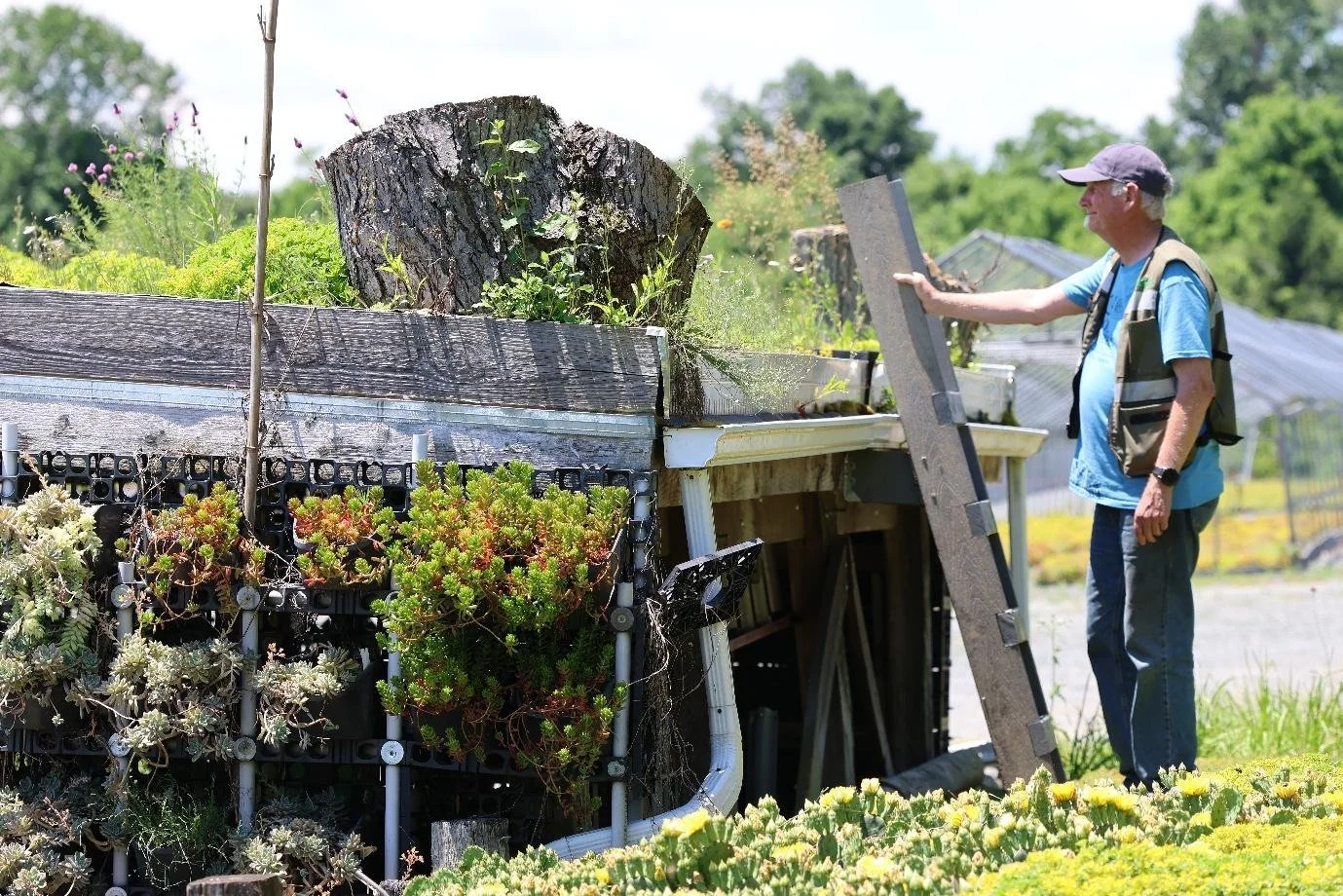
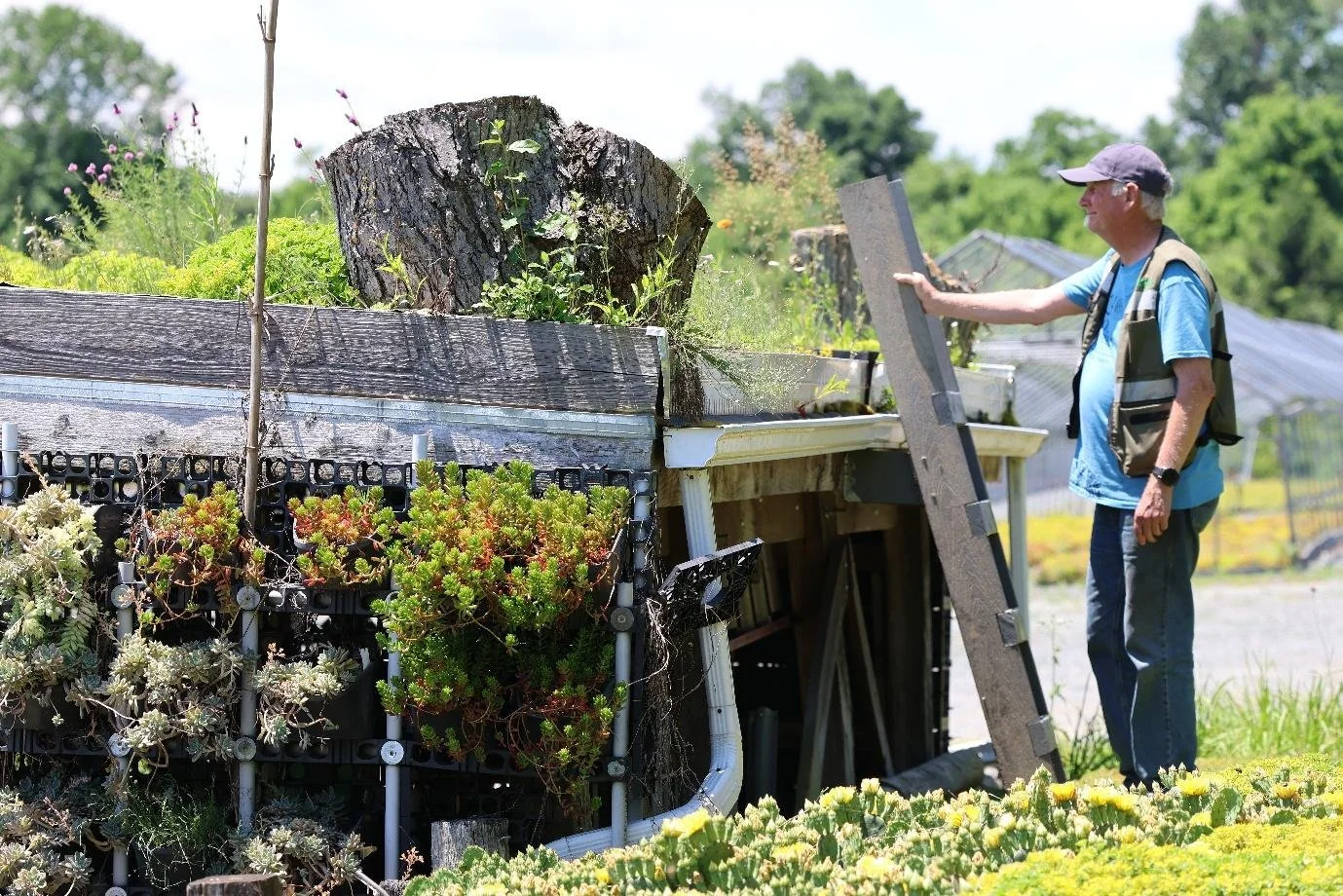
Edmund Snodgrass, a green roof specialist observing biodiversity on a green roof experiment site within the grounds of Emory Knoll Farms, adding structural complexity through vegetation and deadwood. Courtesy J. Johnson
Bio strips could play a bigger role in urban hydrology, enhancing stormwater management and soil stability. Their diverse root systems aid in reducing runoff, enhancing water infiltration, and maintaining moisture retention, potentially extending the lifespan of green roofs. These vegetated strips also help filter urban pollutants, thereby improving water quality in local waterways.
Moreover, green roofs mitigate urban heat island effects by reducing surface temperatures. Bio strips further enhance cooling through shading and evapotranspiration, simultaneously improving air quality by capturing airborne pollutants, absorbing carbon dioxide, and increasing oxygen production through photosynthesis.
Putting it into Practice
There is potential to enhance biodiversity on green roofs by adapting the bio strip approach to a broader range of urban settings and climatic conditions. Originally developed in terrestrial agricultural contexts, bio strips can be effectively adapted to rooftop environments to enhance ecological function, increase biodiversity, and introduce structural habitat complexity. With appropriate design and regionally suitable plant selection, this approach could be applied more widely, enhancing the ecological value of urban green infrastructure and strengthening connectivity within fragmented landscapes.
Advertisement
Selecting Appropriate Plant Species
The establishment of bio strips requires thoughtful consideration in selecting plant species, ensuring they are native or adapted to regional conditions and the specific limitations of rooftop media depth. Key considerations include:
Flowering Plants: Species providing continuous nectar and pollen throughout the growing season, facilitating the complex ecological interactions between pollinators and flowering plants.
Drought-tolerant Grasses: Species resilient to shallow substrate depths and limited irrigation, suitable for urban environmental conditions. They are able to withstand droughts by going into dormancy.
Structural Plants: Native shrubs and perennials that enhance habitat complexity, offering shelter and resources for wildlife.
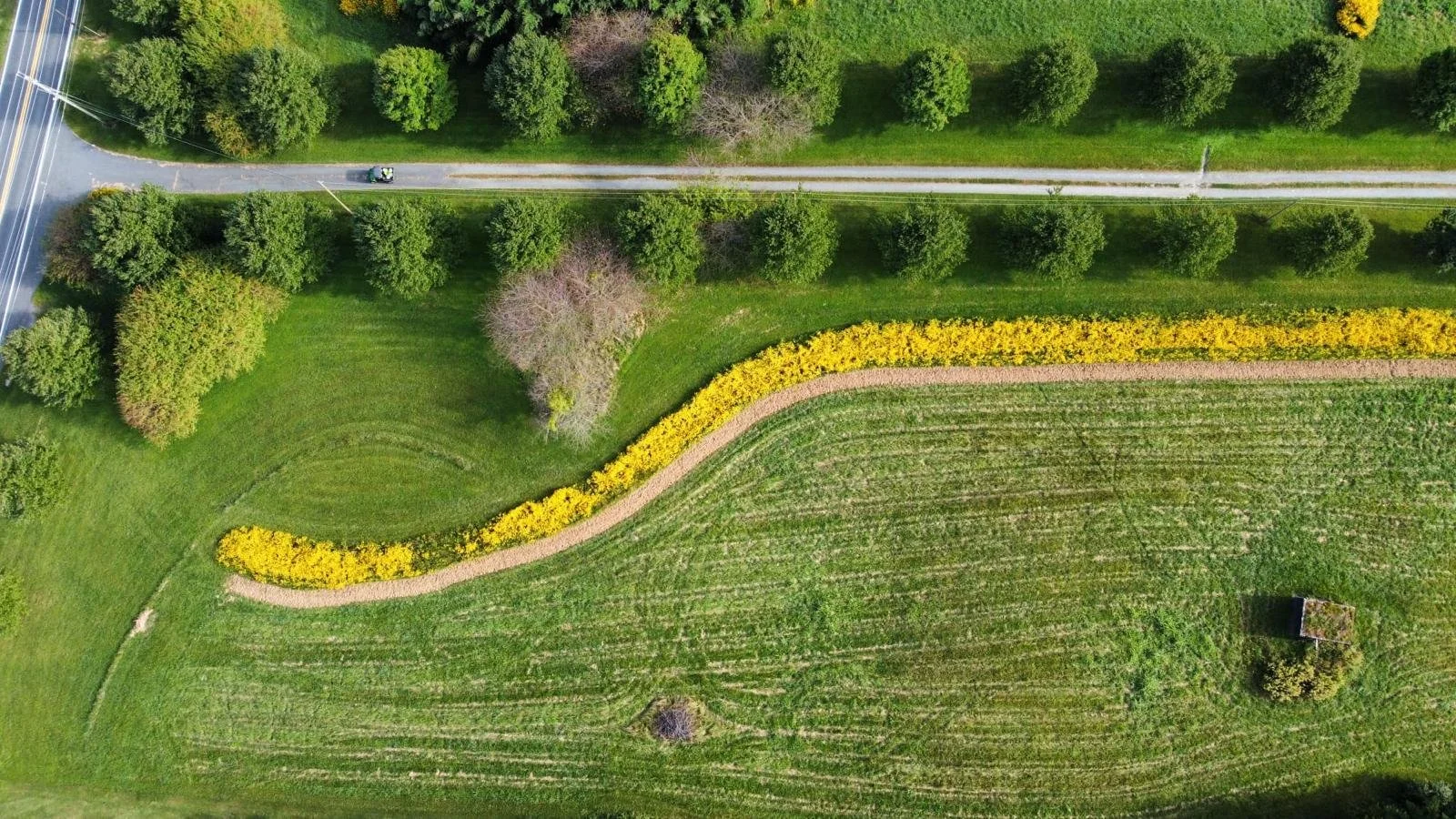
A bio strip consisting of the drought-tolerant North American native Bidens ferulifolia has been established, with the adjacent brown area representing tilled ground prepared for future seeding. This rotational approach adding new bio strips alongside existing ones aims to provide a continuous supply of floral and structural resources for wildlife. However, the original bio strip is likely to become dominated by grasses within a year. While ploughing and reseeding are feasible in terrestrial systems, such management is not suitable for green roof environments. Instead, alternative strategies such as selective cutting, low-nutrient substrates, and targeted reseeding should be considered to maintain biodiversity and suppress grass encroachment. This cycle will continue for maximum biodiversity richness. Photo: J. Johnson
Careful selection ensures compatibility with local wildlife, taking into account synchronization of blooming periods and providing critical larval food sources.
Media Depth and Placement Considerations
Substrate depth significantly influences plant selection and biodiversity potential on green roofs. To maximize ecological outcomes:
Identify roof areas capable of supporting deeper media than an extensive green roof to accommodate greater botanical diversity. This may include areas close to edges or along the path of supportive beams.
Coordinate rooftop bio strips with adjacent ground-level vegetation, promoting vertical ecological continuity.
Assess local landscapes to ensure rooftop plantings align with and enhance existing ecological networks.
Vary the composition of substrate to allow for more species diversity.
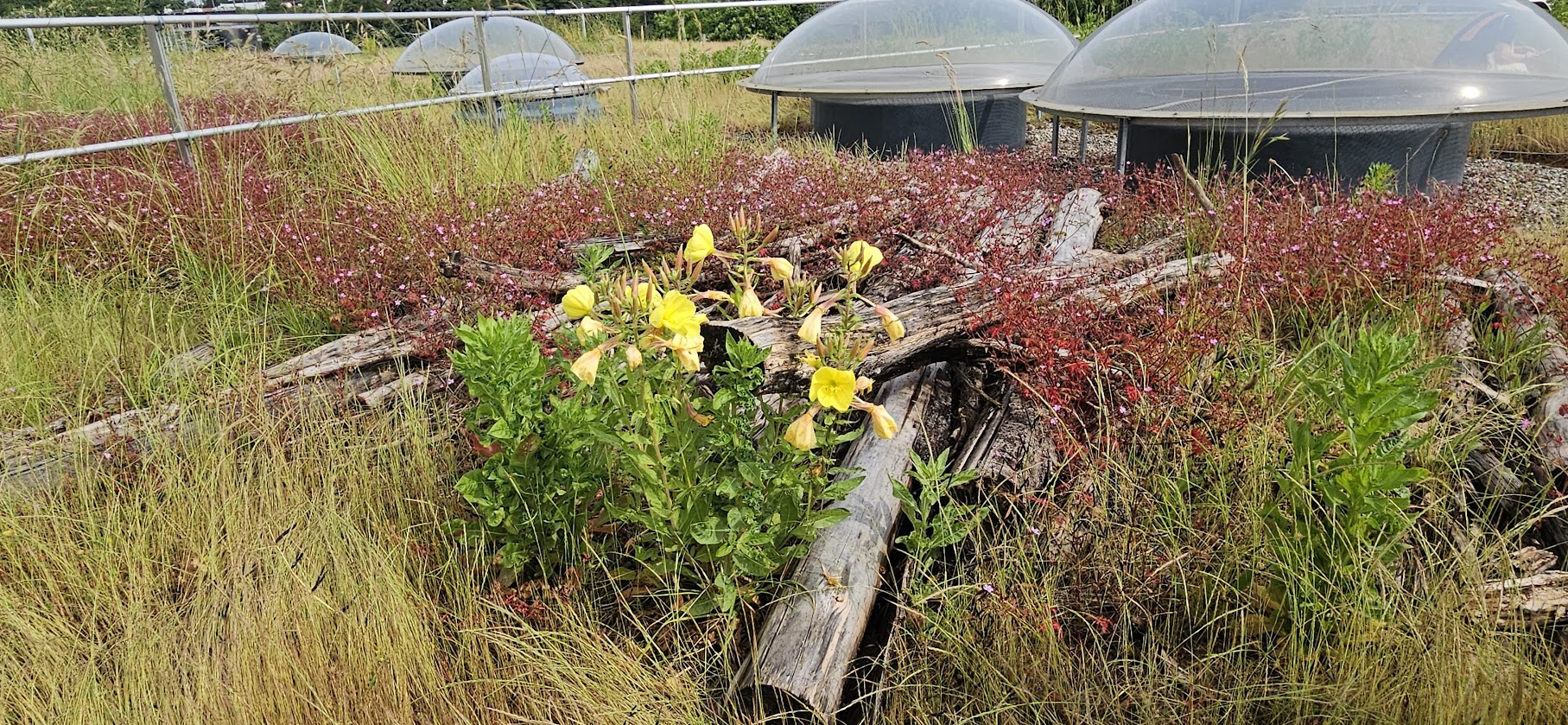
The careful placement of logs can help to support insect diversity for twenty years or more on green roofs as they slowly decompose. These logs were placed on a green roof in Basel, Switzerland. Photo: S. Peck
Minimal, deliberate management practices, including periodic refreshing, selective weeding, and abstention from chemical pesticide use, are essential for maintaining ecological balance and integrity.
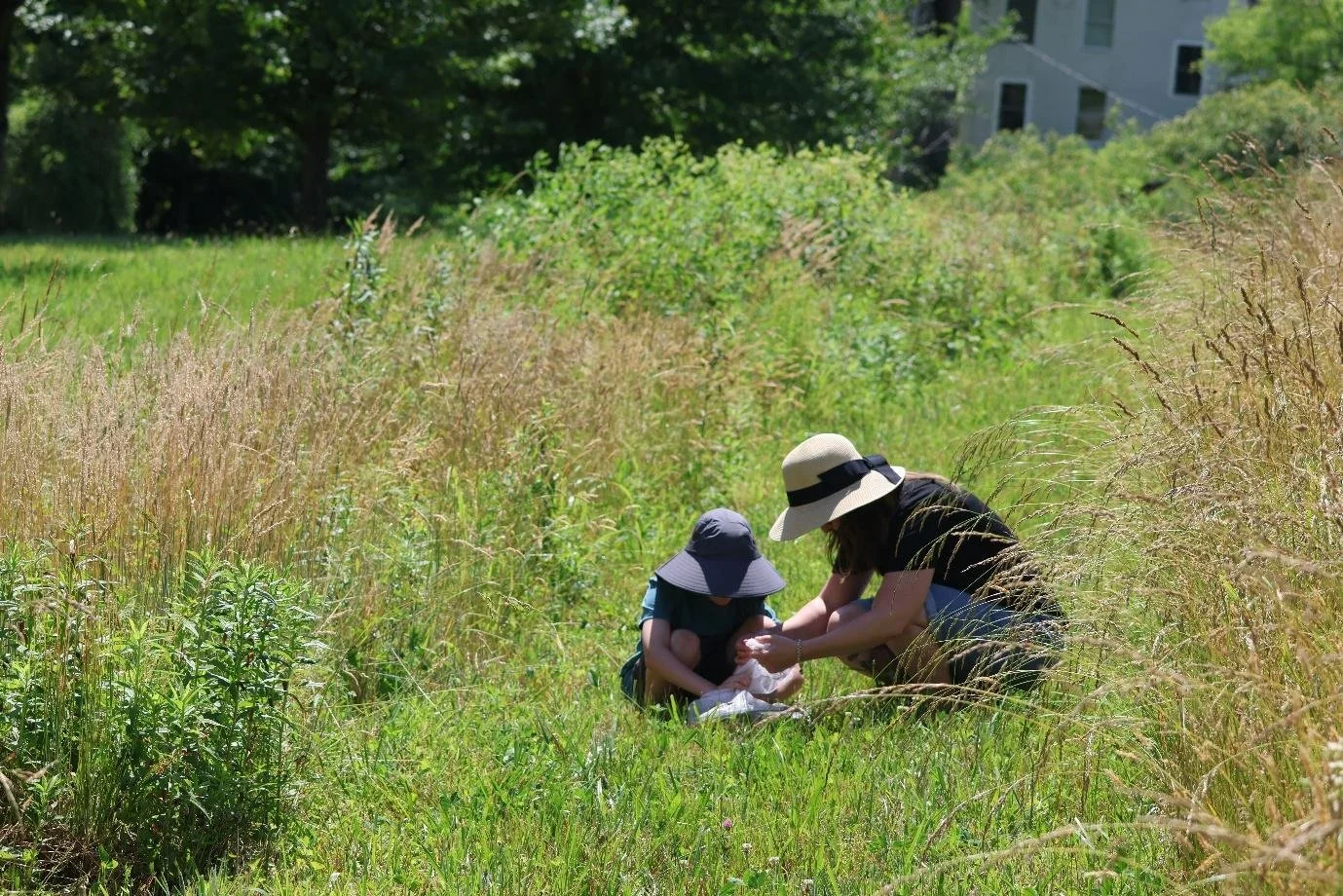
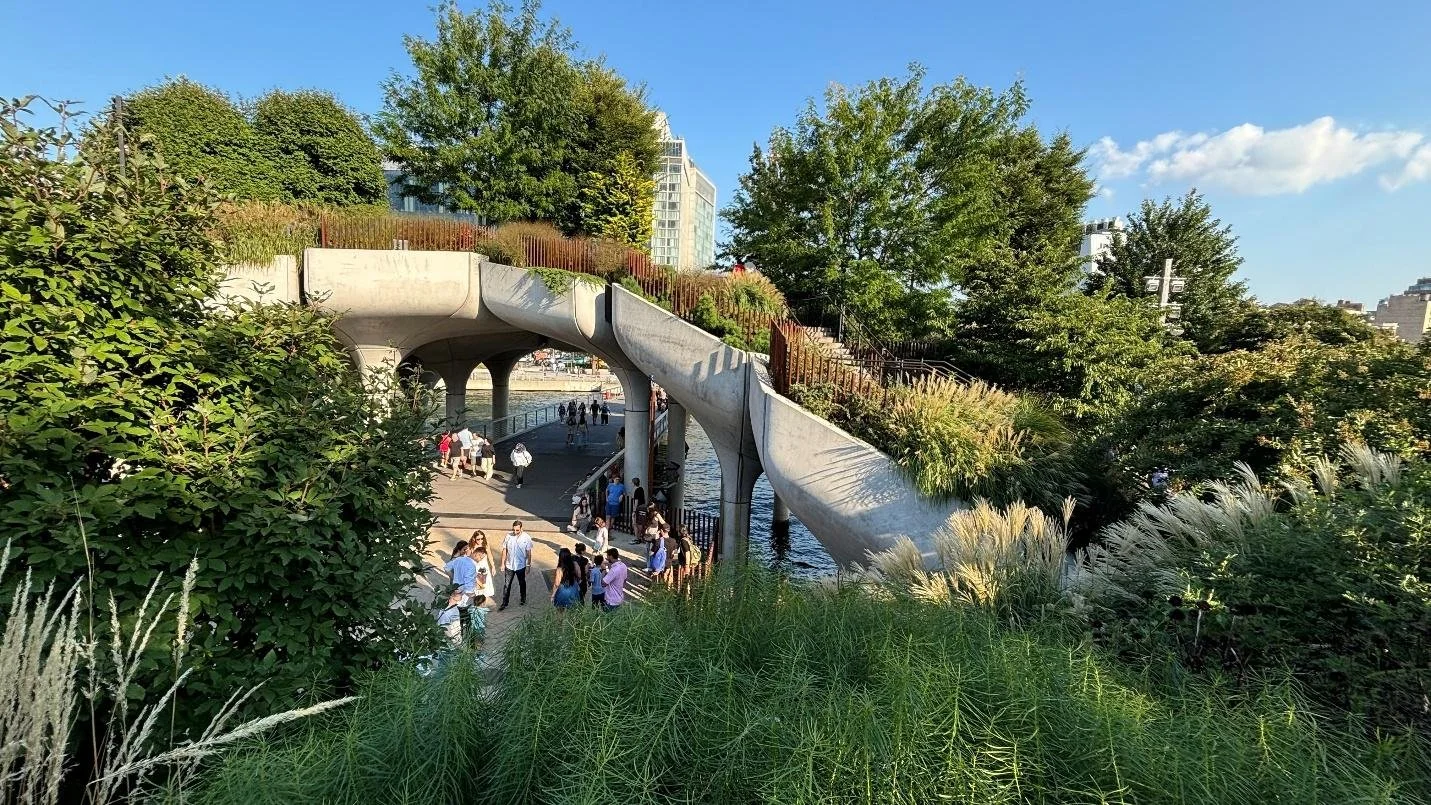
Educating the younger generation of the importance of biodiversity is of tremendous importance. Research has shown that children who grow up with an intimate experience of nature are far more likely to support environmental and conservation efforts than those who do not. See childrenandnature.org. Photo: J. Johnson
Conclusion
As we stand at a critical juncture in Earth's ecological history, the thoughtful integration of bio strips into urban landscapes presents a means of reconciling human expansion with the preservation of biodiversity. This is a relatively new approach to improving the ecological diversity of typical green roofs. By recognizing and restoring ecological connectivity through such innovative design, we foster a healthier urban ecosystem for future generations. Embracing bio strips within green roof strategies represents a practical yet profound commitment to sustaining life's complexity and abundance amidst an increasingly urban world. More biodiverse green roofs have greater resiliency in the face of climate change and can enhance the performance characteristics of green roof technologies.
Advertisement
Johnnie Johnson is an ecologist based in England, who is a passionate environmentalist, with an interest in promoting biodiversity within urban areas. He founded Gardenecologist.com to share eco-friendly practices and inspire readers to cultivate thriving, nature friendly landscapes. See www.gardenecologist.com or contact: johnnie@gardenecologist.com

References
Li, Guangdong, et al. “Global Impacts of Future Urban Expansion on Terrestrial Vertebrate Diversity.” Nature Communications, vol. 13, no. 1, (2022)
Kc, S. & Lutz, W. The human core of the shared socioeconomic pathways: Population scenarios by age, sex and level of education for all countries to 2100. Glob. Environ. Change 42, 181–192 (2017)
Jiang, L. & O’Neill, B. C. Global urbanization projections for the shared socioeconomic pathways. Glob. Environ. Change 42, 193–199 (2017)
Pyke, G. H. “Optimal Foraging Theory: Introduction.” ScienceDirect, Academic Press, 1 Jan. (2010), www.sciencedirect.com/science/article/abs/pii/B9780080453378002102 (Accessed 3rd April 2025)