Green Roofs: A Strategic Shield Against Escalating Hailstorm Damage
Advertisement
Introduction
Green roofs can protect roofing membranes from the worsening impact and frequency of hail damage in areas such as Texas, Colorado and the Great Plains in the United States.
Our research team employed the UL 2218 Standard for Impact Resistance of Prepared Roof Covering Materials to assess the protective capabilities of green roofs. Through rigorous testing, including dropping steel balls onto various roof surfaces, we found that both loose-laid and extensive modular green roof profiles as shallow as four inches met the UL 2218 Class 4 requirements. This classification indicates exceptional resistance to hail impact, comparable to traditional hail-resistant roofing materials. Notably, roofs with UL 2218-rated materials can qualify for insurance premium discounts of up to 35 per cent. This research demonstrates that green roofs provide a comparable Class 4 rating and should be recognized as a qualifying option for the same insurance premium discounts.
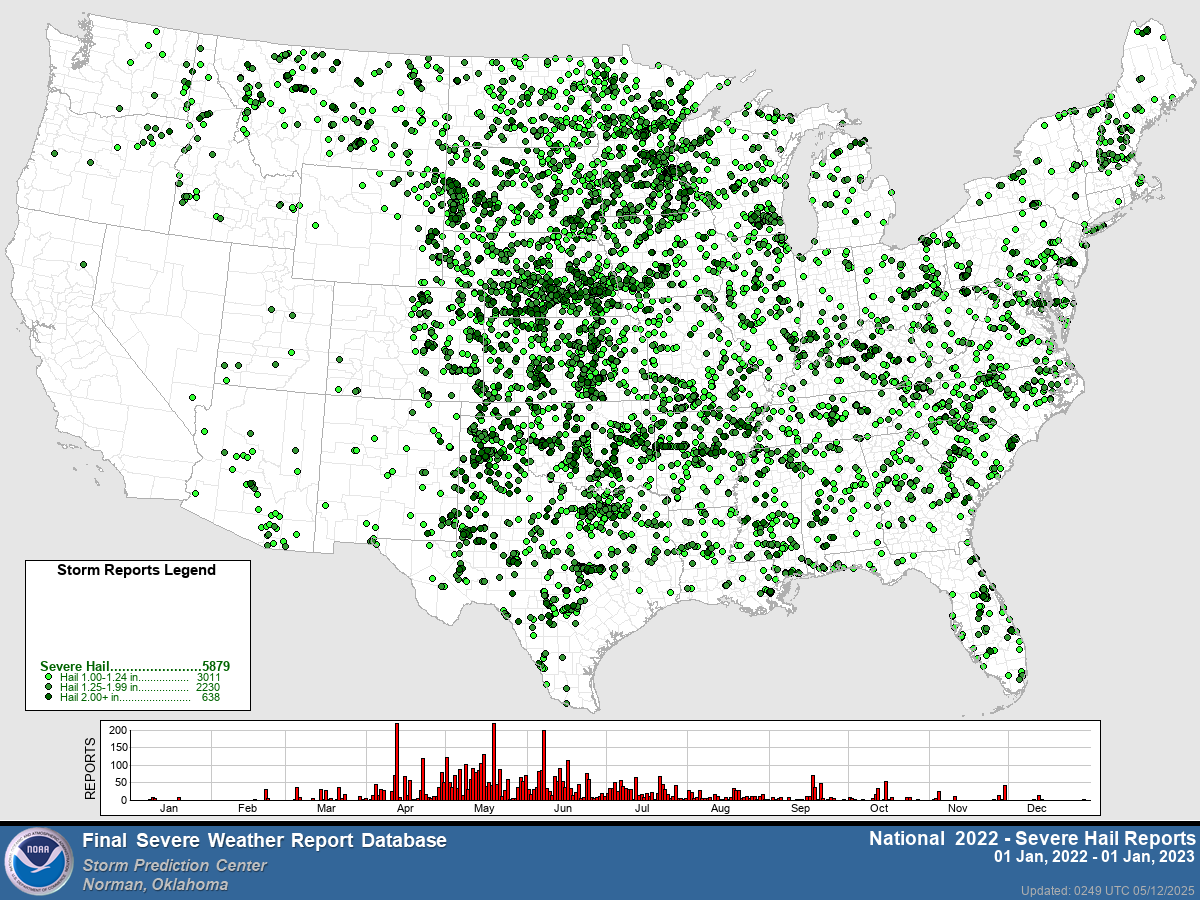
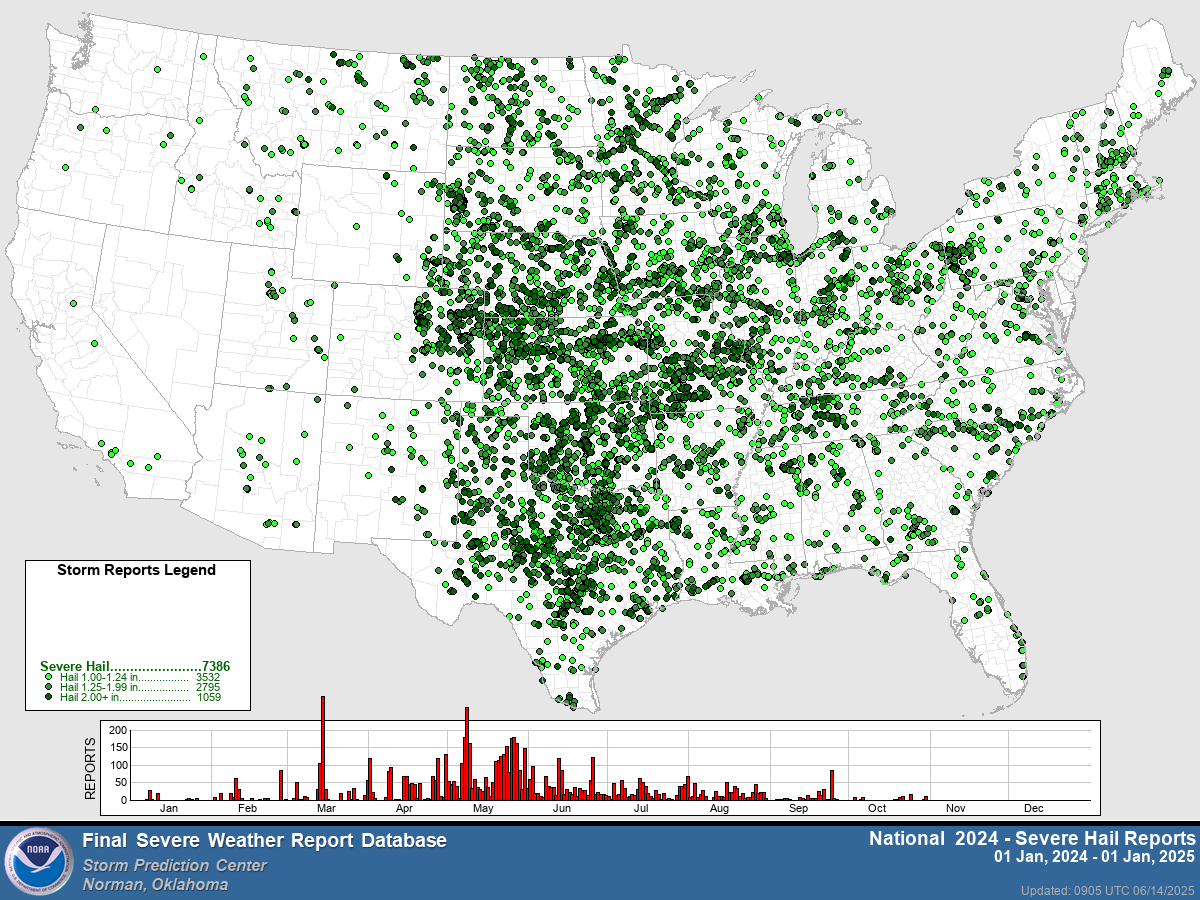
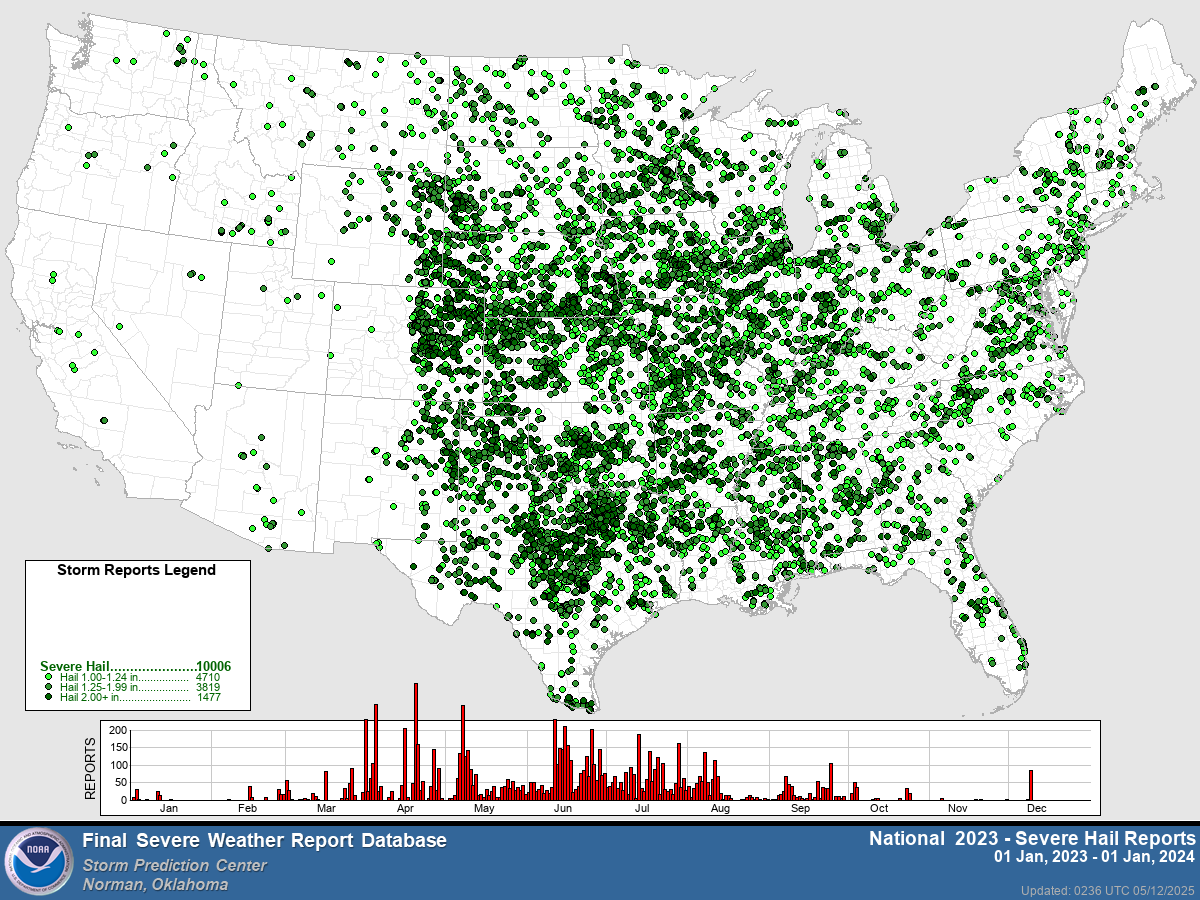
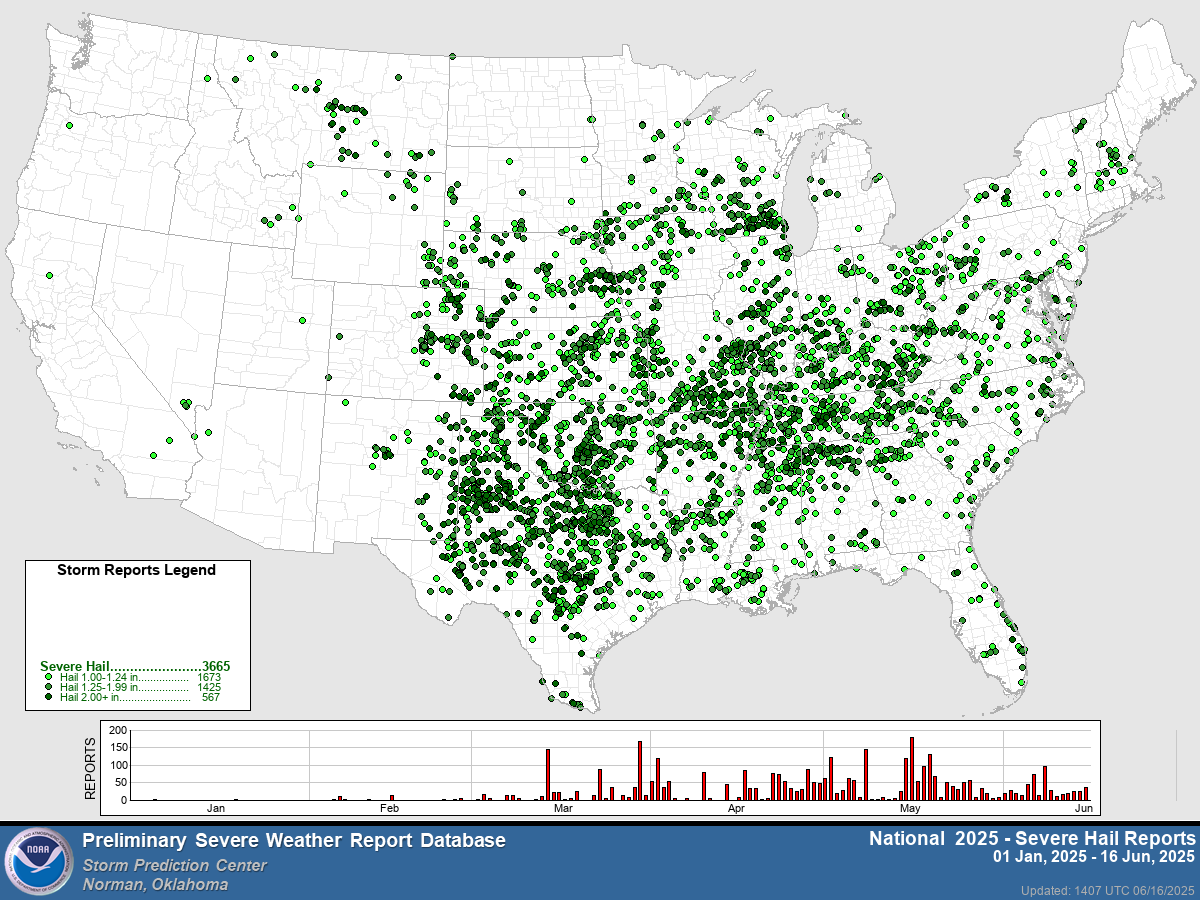
The geography of Severe Hail Related Weather. New Rufsum Page - NOAA/NWS Storm Prediction Center
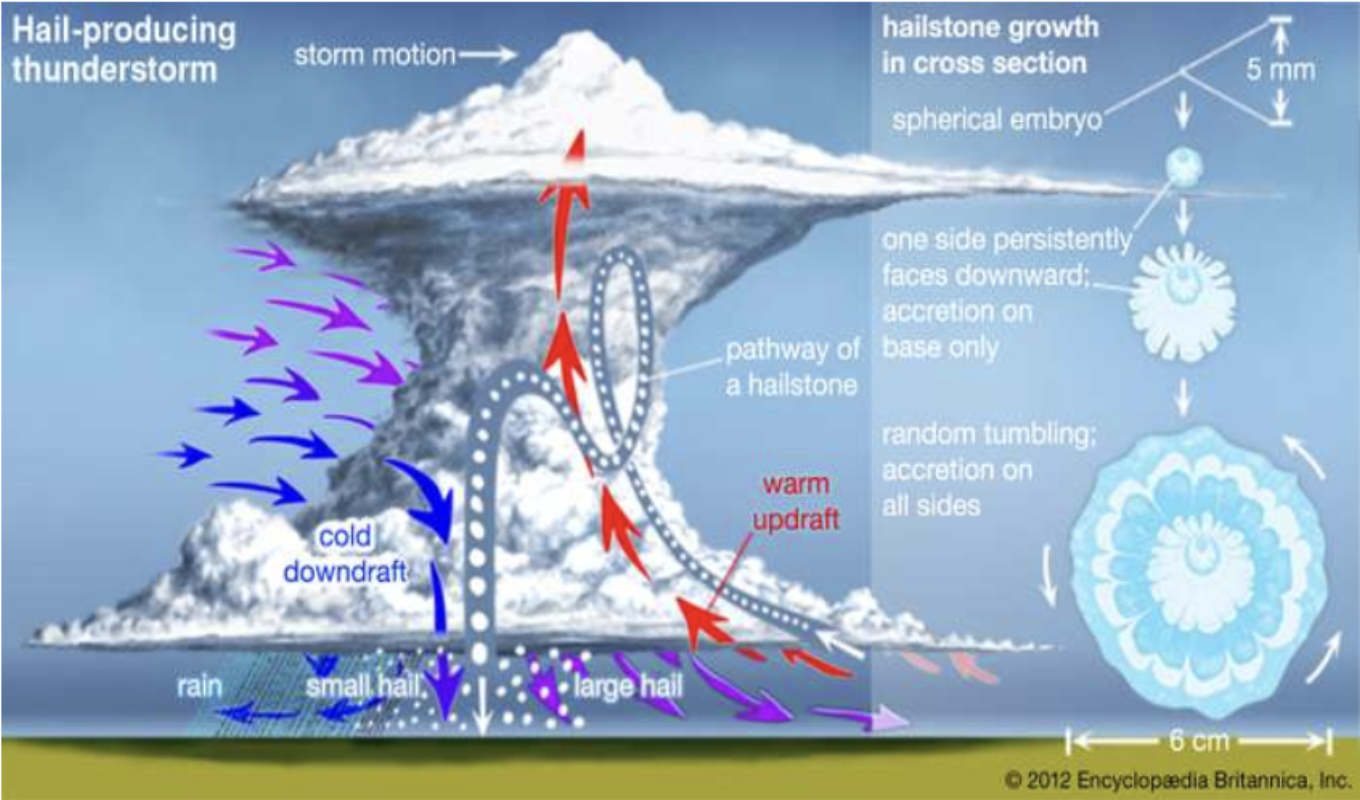
Hail producing thunderstorms and how they work. Photo: Encyclopaedia Britannica Inc.
Hailstorm frequency and severity have increased over the past decade, and it is a growing concern. The United States, particularly the Great Plains and Midwest, frequently experience severe hailstorms. In 2023, Texas recorded 1,123 major hail events—the highest in the nation. Other states like Kansas and Nebraska also reported over 400 hailstorms each during the same period. These storms have not only increased in frequency and severity but also carry larger hailstones and hit with more intense winds. In May of 2025, a supercell storm struck Austin, Texas, with winds up to 85 mph and baseball-size hail, causing significant property damage and power outages.
The economic impact of hailstorms is substantial. And as our cities continue to expand, the number of roof surfaces exposed to hailstorms – and consequently at risk of damage – continues to increase. In 2024, over 567,000 homes across the U.S. experienced hail damage, with Texas accounting for approximately 72 per cent of these incidents. The cumulative reconstruction cost value for these damages was estimated at $160 billion. Given this financial burden, integrating green roofs as a protective measure against hail damage can serve as a cost-effective strategy. Beyond their environmental and aesthetic benefits, green roofs can prolong the life of underlying roof membranes by 35 to 60 years, especially in regions with extreme weather conditions. The filter cloth, drainage layers, growing medium and plants protect underlying membranes from excessive expansion and contraction by moderating temperatures. This prolongs membrane life expectancy.
The benefits of green roofs are not merely theoretical. During the May 2017 hailstorm in Denver, developer Kyle Zeppelin observed that buildings with green roofs sustained no damage, while adjacent structures without green roofs suffered significant harm. Zeppelin noted that the cost of replacing the damaged roof was higher than the initial investment in the green roof, underscoring the long-term financial advantages of such installations.
Advertisement
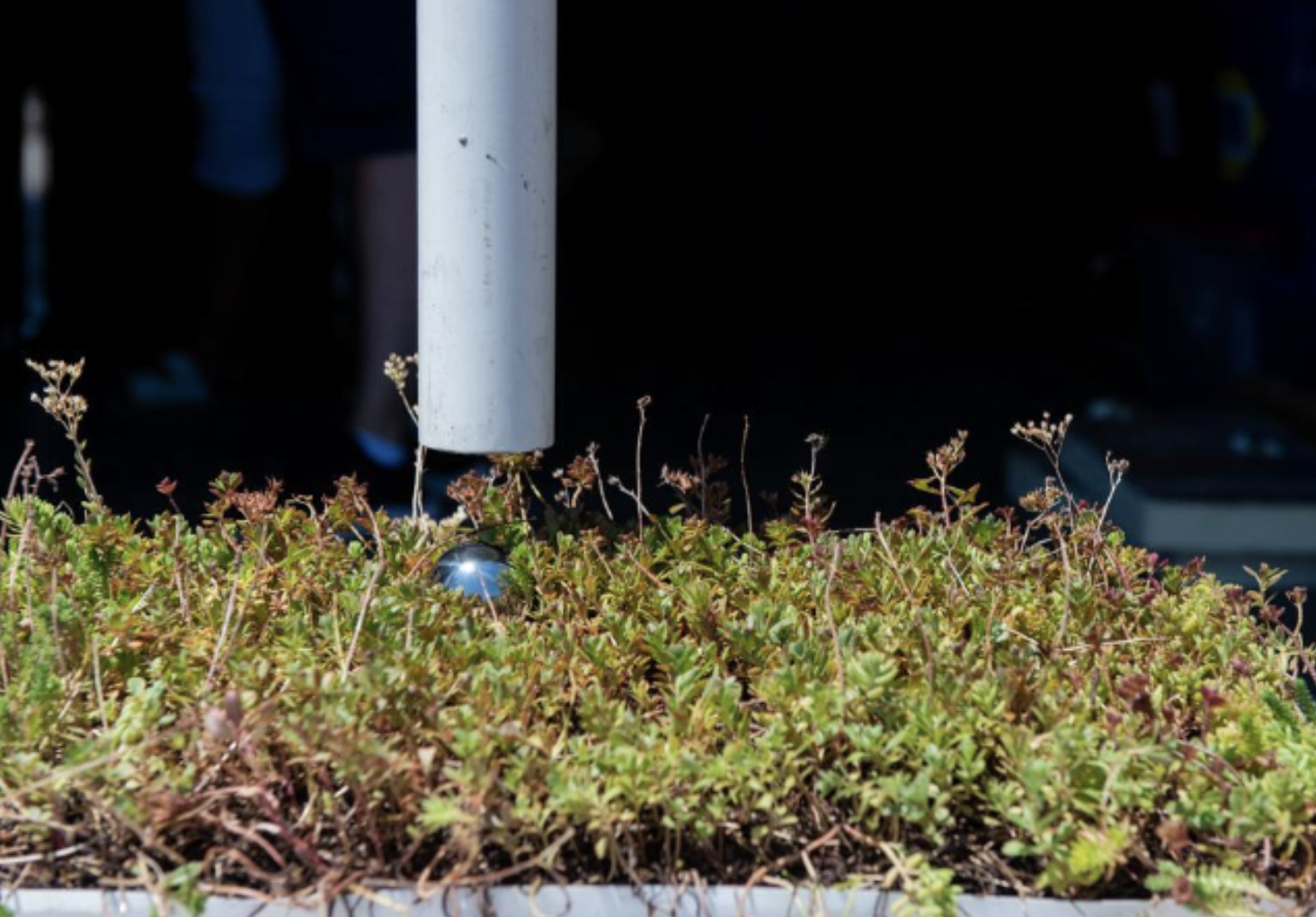
UL 2218 Testing Run on Green Roof Module involves dropping steel balls from various heights and assessing the damage. Photo: CU Denver CAP Visual Resources Center
Yes, green roofs can save homeowners from costly repairs by significantly reducing the impact of hailstorms on roofing systems. The growing medium and vegetation absorbs the impact of hailstones and distribute the force, thus minimizing damage to the underlying roof.
Here's how green roofs help mitigate hail damage:
Cost Savings: In areas prone to hail, green roofs can significantly reduce the cost of roof damage by protecting the roofing membrane.
Absorption of the Impact:The growing medium and vegetated layer on a green roof act as a buffer, absorbing the direct impact of hailstones protecting the roofing membrane.
Extended Lifespan:By protecting the roofing membrane from UV radiation, extreme temperature fluctuations, and damage from extreme weather events green roofs can extend the life of the roof membrane, prolonging the need for repairs.
As hailstorm frequency and severity continue to rise, adopting green roofs presents a proactive approach to building resilience. By enhancing roof durability and qualifying for insurance discounts, green roofs offer both environmental and socio-economic benefits. For property owners in hail-prone areas, investing in green roofs is not just an ecological and aesthetic choice but a strategic financial decision.
Advertisement
Research conducted by Assistant Professor Leila Tolderlund, LEED AP, GRP, University of Colorado Denver, University of Copenhagen and City of Sonderborg, with research Assistants Martin Egan, GRP, Adam Bosco, and Professor Peter Jenkins, PhD, University of Colorado Denver



References
Tolderlund, Leila, et al. "Analysis of Green Roofs Ability to Mitigate Hail Damage on Roofs." International Journal of Scientific and Research Publications, Volume 11, Issue 4, April 2021 351 ISSN 2250-3153
New Rufsum Page - NOAA/NWS Storm Prediction Center (accessed June 14th 2025)
https://chat.openai.com/chat (accessed June 14th 2025)
https://www.ncei.noaa.gov/news/national-climate-202505 (accessed June 14th 2025)