Rewilding Green Roofs for Resilient Stormwater Retention
Advertisement
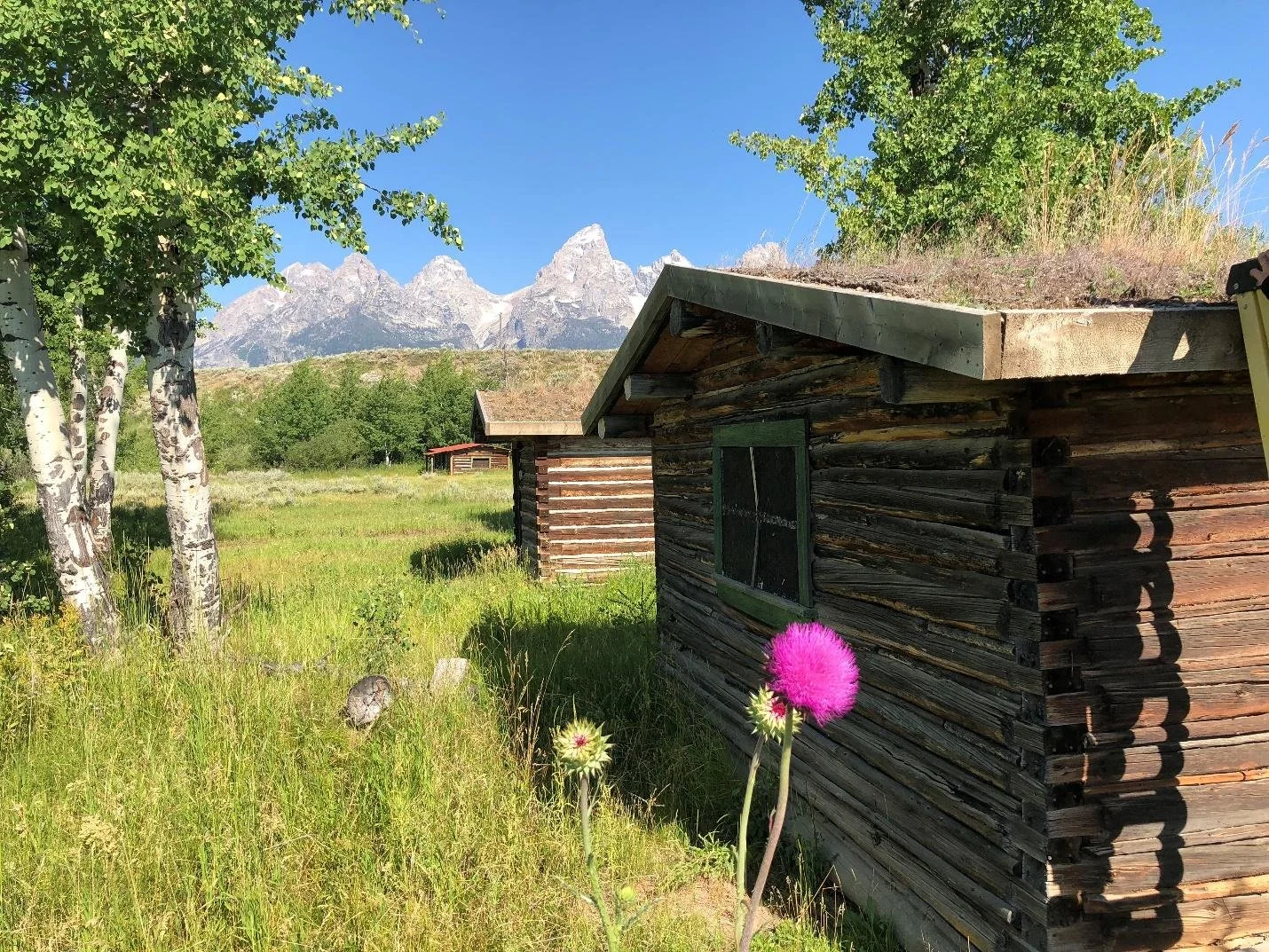
Staff at Grand Teton National Park, in conjunction with faculty and students at the University of Pennsylvania restored several of the famous Bar BC Dude Ranches (built 1912), complete with sod roofs. Philanthropist John D. Rockefeller once slept under these sod roofed cabins. His visits and philanthropic efforts helped establish the national park and also inspired some of the first roof gardens in New York City, which originally included native gardens. Photo: Bruce Dvorak
Origins of Rewilding Green Roofs
Hundreds of years ago, all green roofs had meadow-like vegetation. In Scandinavia, the birthplace of grassed roofs, the rooftop vegetation was as diverse as the surrounding meadows. Squares of sod were cut up from local fields and meadows and were placed on rooftops for their insulative properties and as a protective covering over the thick birch bark waterproofing. A diversity of plants thrived and rejuvenated on these sod roofs for many decades, and some for hundreds of years. The vegetation has endured drought, heat, cold, and wetter-than-normal cycles through the decades. This was largely due to the natural conditions that continually “rewild” the vegetation through self-seeding and the sprouting of spontaneous vegetation when favorable conditions prevail.
Materials used to construct modern green roofs have little in common with traditional sod roofs, and for good reason. The green roof industry has made many important improvements to waterproofing, drainage systems, and substrates. However, when it comes to plants, there is an opportunity for further exploration. While sedum monocultures are the standard for green roofs, there is growing evidence that rewilding green roofs may help them endure through extreme weather events and retain more water.
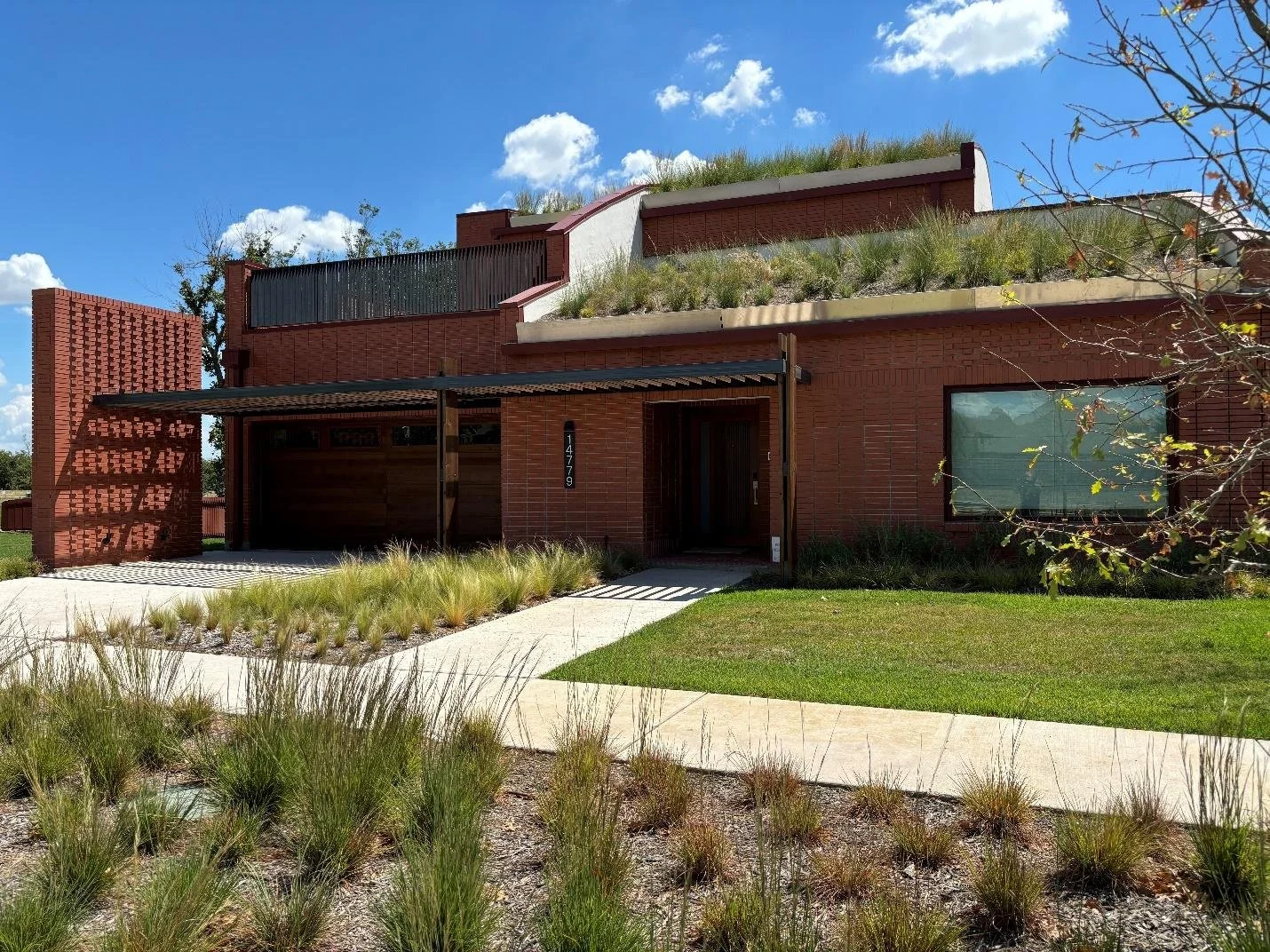
A modern version of the “sod-style” green roof makes a debut at Tapestry, a new residential community in Frisco, Texas, a suburb of Dallas. Here, every home comes complete with native plantings for rooftops and landscapes. Photo: Bruce Dvorak
Advertisement
Rewilding and Stormwater Research
In an in-depth trial study, Zhang et al. found that wildflowers on green roofs can attenuate 10 to 16 per cent more water than succulent monocultures (Zhang, Szota et al. 2018). In another experimental study, Nagase and Dunnett found that grasses and wildflowers that were taller and broader than sedums retained significantly more water, in part due to their greater capacity for interception of rainfall, evaporation, and evapotranspiration (Nagase and Dunnett 2012). In a global modeling study of green roofs, Zheng et al., found that diverse green roofs with grasses outperformed sedum monocultures for stormwater retention (Zheng, Zou et al. 2021). However, the inclusion of sedums as a nurse crop to establish meadow-like vegetation on green roofs may play an important role in establishing such an approach (Butler and Orians 2011). This means that it may be possible, or preferable for some succulent green roofs to become interplanted with grasses and wildflowers.
Moreover, it may not always be necessary to intentionally plant natives into sedum roofs, as native plants may spontaneously appear. In regional observations of constructed green roofs (not simulations), spontaneous vegetation was found to be widespread. For example, in Paris, France, over 400 taxa of plants were found across 43 observed green roofs, and much of that diversity was spontaneously generated (Muratet, Barra et al. 2024). In Sweden, researchers observed 92 plant taxa on 41 green roofs in cold climates. Twelve of the spontaneous species observed are considered rare or threatened (Lönnqvist, Blecken et al. 2021).
Many of the volunteer plants that typically establish on green roofs are annuals. Annuals tend to grow rapidly and complete their life cycle in one growing season or less. They don’t require irrigation because they germinate and grow when climate conditions favor their growth, flowering, and reseeding, often in the spring or fall. Because of their rapid production, they soak up and use water when it is available.
However, not all volunteer vegetation may be wanted. Local experts are needed to decide which ones should be removed and which can stay. This is because a plant that is weedy and unwanted in one region may be considered beneficial or not a problem in another region. Highly aggressive taxa on green roofs can be harmful because they can reduce plant diversity overall and suppress desirable plants that support other ecosystem goals, such as pollination, food sources, or habitat for wildlife.
Another consideration with rewilding is the importance of communicating and maintaining an ecological aesthetic. Richard Sutton argues that green roofs with an ecological aesthetic in place may need some interpretation to inform about “ecological-based” forms of beauty that appreciate multiple viewpoints and may include rewilding (Sutton 2014).
What this means is that no matter what the original planting design for a green roof may be, a multi-species sedum carpet or seeded meadow, spontaneous vegetation will show up, and some of those species may provide beneficial ecosystem services, including stormwater retention and greater vegetative cover. This approach is in line with integrated methods used to make stormwater management more resilient (van Duin, Zhu et al. 2021).
Advertisement

A well-established irrigated sedum-based green roof in Kansas City was expanded through interplanting with native perennials, such as penstemon and coreopsis, shown here. Photo: Bruce Dvorak
Rewilding a Sedum Roof
One approach to rewild green roofs is to interplant an existing sedum roof. The former TWA Headquarters building in Kansas City, Missouri, is an exceptional example of this approach. Over the years, supervisor and native plant expert, Maggie Riggs, implemented a plan for expanding the plant palette of a sedum roof through the plugging and self-seeding of native perennial vegetation. Maggie selected colorful and long-blooming native perennial plants that typically grow to less than two feet high (61 cm). She selected showy plants such as penstemon, coreopsis, spiderwort, milkweed, and thirteen other native taxa, making for a more attractive, resilient green roof. These native perennials improve stormwater resiliency because they will soak up moisture, long after the sedums stop taking up moisture. The client was pleasantly surprised about how much they liked the new additions, and they decided to rewild another green roof on the other side of the building.
Rewilding with Grasses, Wildflowers, and Sedums
Ballard, Washington, is an urban neighborhood in the Seattle metroplex. When the opportunity came to update the Ballard Branch public library, the design team picked up on the Scandinavian heritage of the community and designed a library with a grassed roof. One of the main goals for including a grassed green roof on the library was to make a cultural connection to the Scandinavian heritage of the community and recall the traditional building techniques. The long, saddle-shaped grassed roof is critical to the design, not only because it is visible from nearby apartments, but also because it covers over eighty percent of the site and functions as a key element for the project to achieve its multiple goals. This project was an early example in the Seattle area of how to create a cultural hub that integrates ecology, culture, aesthetics, maintenance, and sustainability.
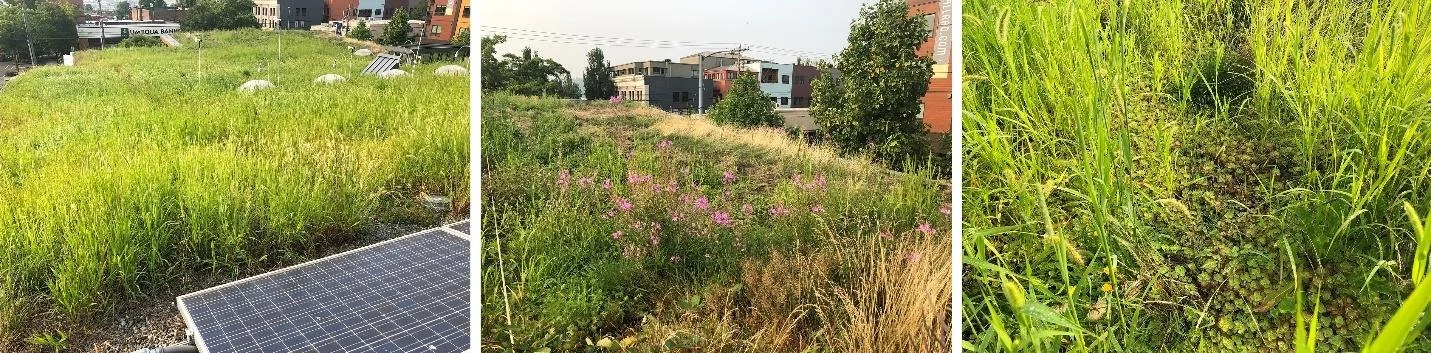
Left: lengthwise view of the library's grassed roof from the top of the saddle near the solar panels. A public viewing overlook and skylight bubbles can be seen in the center right. Middle photo: Pink blooming fireweed plants (Chamaenerion angustifolium) volunteered onto this roof and were retained because of their ecosystem services. Right: native sedums were used to establish planted and spontaneous vegetation. Photos: Bruce Dvorak
From an ecological perspective, the grassed roof was designed to retain stormwater and help keep the building cool during summer. The 4-inch deep (10 cm) substrate (American Hydrotech) was installed in 2005 and was heavily plugged with native grasses. A small section of the roof included swaths of native and non-native sedums, as a nurse crop for native grasses and forbs.
When the green roof was designed, there were few grassed green roofs in the region to learn from, so the design team did not know if or how the green roof’s vegetation would respond to Seattle’s dry summers. Fortunately, all the intended vegetation was established in the first few years without irrigation. However, a drip irrigation system was installed later to help get water to the roots of the herbaceous vegetation during dry summers.
Advertisement
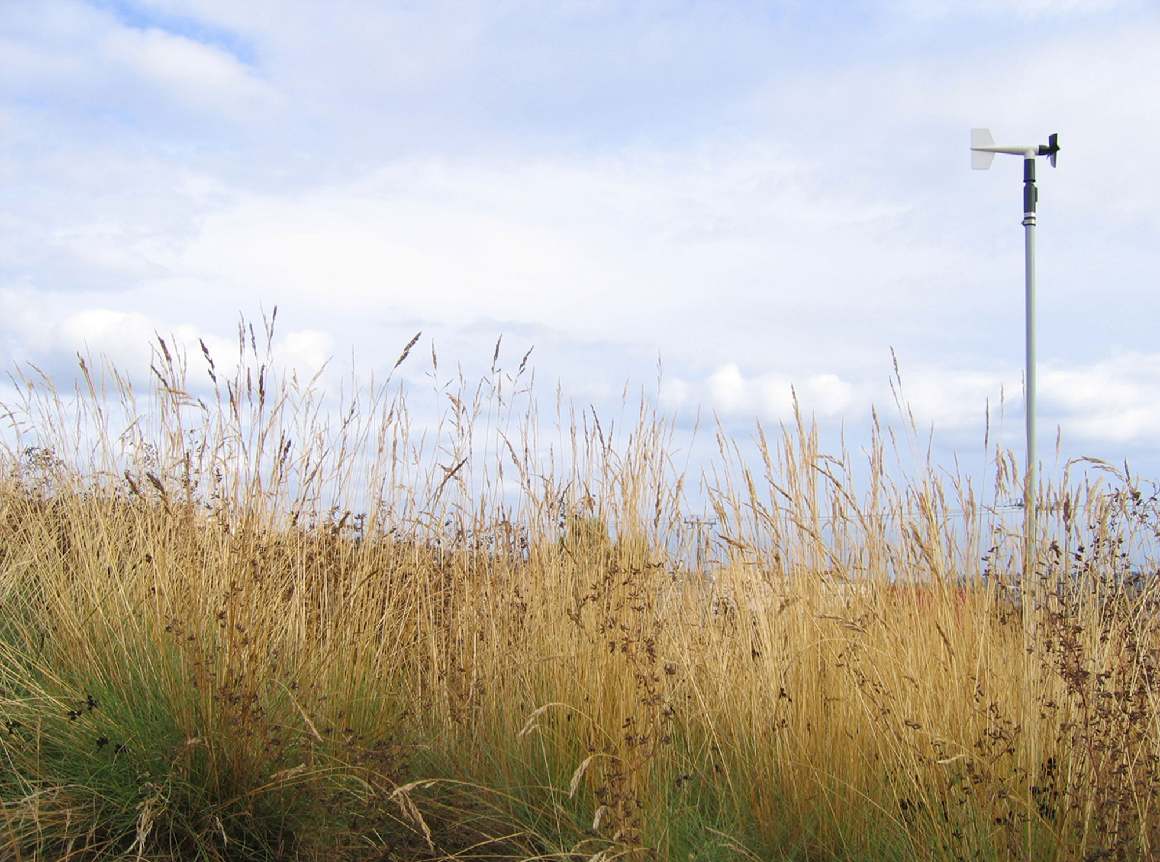
Anemometers were installed on the Ballard green roof so patrons below can monitor the wind and weather atop the green roof. Idaho fescue (Festuca idahoensis) grass is native to nearby regions and was included as a major player in the original planting, shown here in summer dormancy. Photo: Swift Company LLC (with permission)
The roof’s maintenance plan accommodates plant succession. Each year, the influx of spontaneous vegetation is assessed, including native and exotic species. Aggressive species such as foxtail (Alopecurus) are typically removed by hand, but fireweed (Chamaenerion angustifolium) is retained because it is a significant pollinator and host plant for the region. The grassed roof is maintained through trimming and leaving the vegetation in place to help build organics in the substrate. The Ballard Library green roof received a Green Roofs for Healthy Cities award in 2006.
Rewilding with Meadows
A roof meadow is typically planted with a diversity of grasses and wildflowers, native and sometimes exotic vegetation for color. The roof meadow at the Omni Ecosystems headquarters building in the Bronzeville neighborhood of Chicago is a good example of a roof meadow. It was designed for aesthetics, soaking up rainwater, and for demonstration. The green roof was established by plugs and seeding into their proprietary 5-inch-deep (12.7 cm) substrate (Omni Infinity Media), which has over 1500 microflora when installed. The result is a colorful rooftop meadow that was established quickly and immediately began delivering ecosystem services.
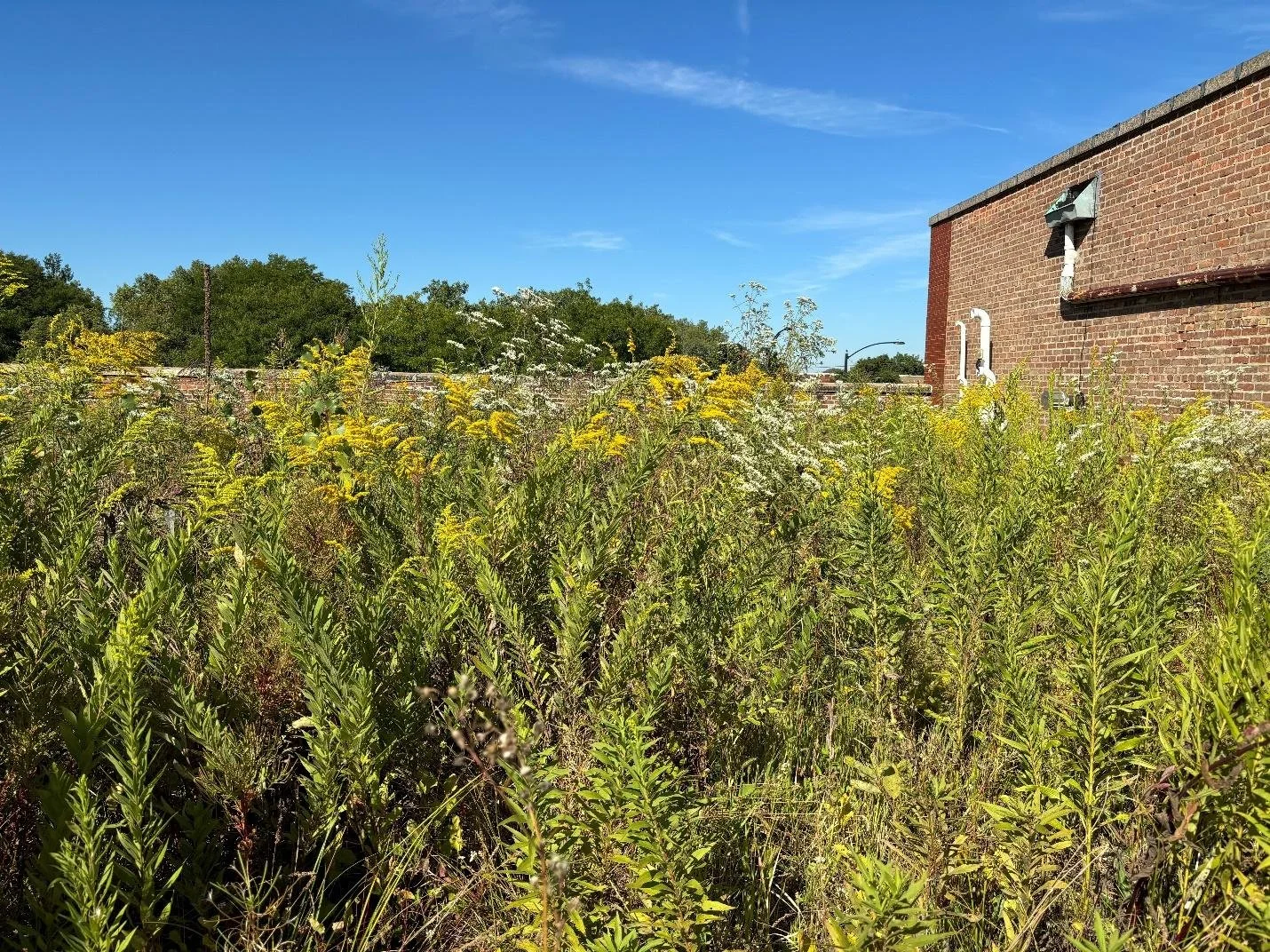
A stand of native goldenrod grows with other native and non-native vegetation to establish a dense rooftop meadow at the Omni Headquarters building in downtown Chicago, Illinois. Photo: Bruce Dvorak
Regarding plant succession, each year, the roof takes on new volunteer vegetation. Initially planted in 2020, the seed mix included a diversity of annuals and sugar beets (for a fall harvest). Over time, spontaneous vegetation arrived from wildlife visits and wind dispersion of ambient seed. Some of the spontaneous vegetation is retained and has had ecological and aesthetic implications. Although 17 native taxa were intentionally planted, 25 taxa have spontaneously established, of which 15 are native. In 2025, 89 taxa were observed on the roof. Thirty-two are native to the Chicago region. One of their favorite spontaneous native plants is fleabane daisy (Erigeron philadelphicus). Bees also love it because it is an early-blooming annual that soaks up early spring rains.
Advertisement
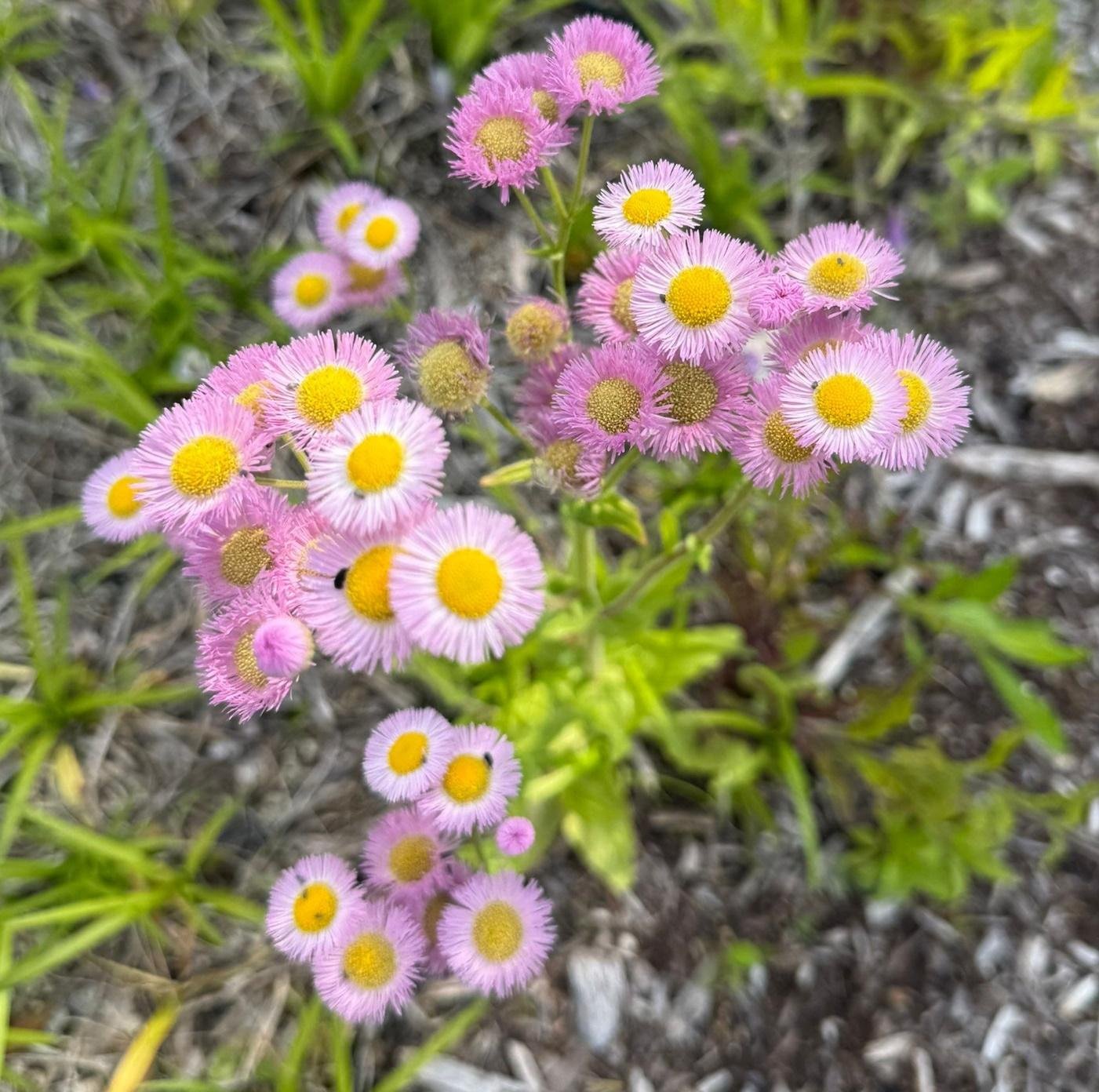
Fleabane daisy (Erigeron philadelphicus) is an annual plant, native to the Chicago region. This one found a home on the Omni Ecosystems headquarters building. It serves an important role for bees, butterflies, and moths in North America and can be retained on green roofs intended for rewilding. Photo: Omni Ecosystems (with permission)
Typically, if there is too much plant diversity with an extreme range of plant heights, a green roof with too much height diversity can appear gangly, “messy,” or unkept. The maintenance approach on this roof provided by the Omni Ecosystems staff favors plants of similar heights. This roof has a mix of native and colorful exotic vegetation. Quick-growing exotic annuals are used to quickly establish a meadow aesthetic. This project demonstrates how an ecological aesthetic can be maintained on an accessible roof garden through active observation and understanding of how native and exotic plants behave on green roofs.
Rewilding with Prairies
Prairies can be another model for rewilding green roofs. Where a meadow may include exotic vegetation, a prairie typically is intended to retain only native vegetation. A prairie-based green roof on the roof of Studio Gang’s Chicago office takes such an approach. Constructed in 2015, this prairie roof only has a 5-inch-deep (12.7 cm) substrate (Omni Ecosystems). An annual nurse crop was used to help establish the native prairie seed mix. Perennial plants can take two to three years to mature, so the nurse crop played an important role in their establishment.
Once established, the green roof is now maintained to preserve the intended and spontaneous native vegetation. Aggressive exotic vegetation is strategically removed after proper identification. Removal can include the whole plant (leaving media in place) or clipping it before it bolts (goes into seed production), whichever is most effective.
A Bioblitz is a quick assessment of ecosystem vitality. A total of 157 unique taxa were observed during Studio Gang’s 2024 Bioblitz of the green roof, including plants, insects, birds, mammals, fungi, lichen, and protozoa. Intentional and spontaneous vegetation both contributed to the rooftop’s plant diversity. Of the 92 taxa documented on the roof, 72 were native species, 56 of which were intentional, and 16 were spontaneous (22 per cent). The spontaneous forms of plants included forbs, grasses, tree seedlings, and one fern (Onoclea sensibilis).
Advertisement
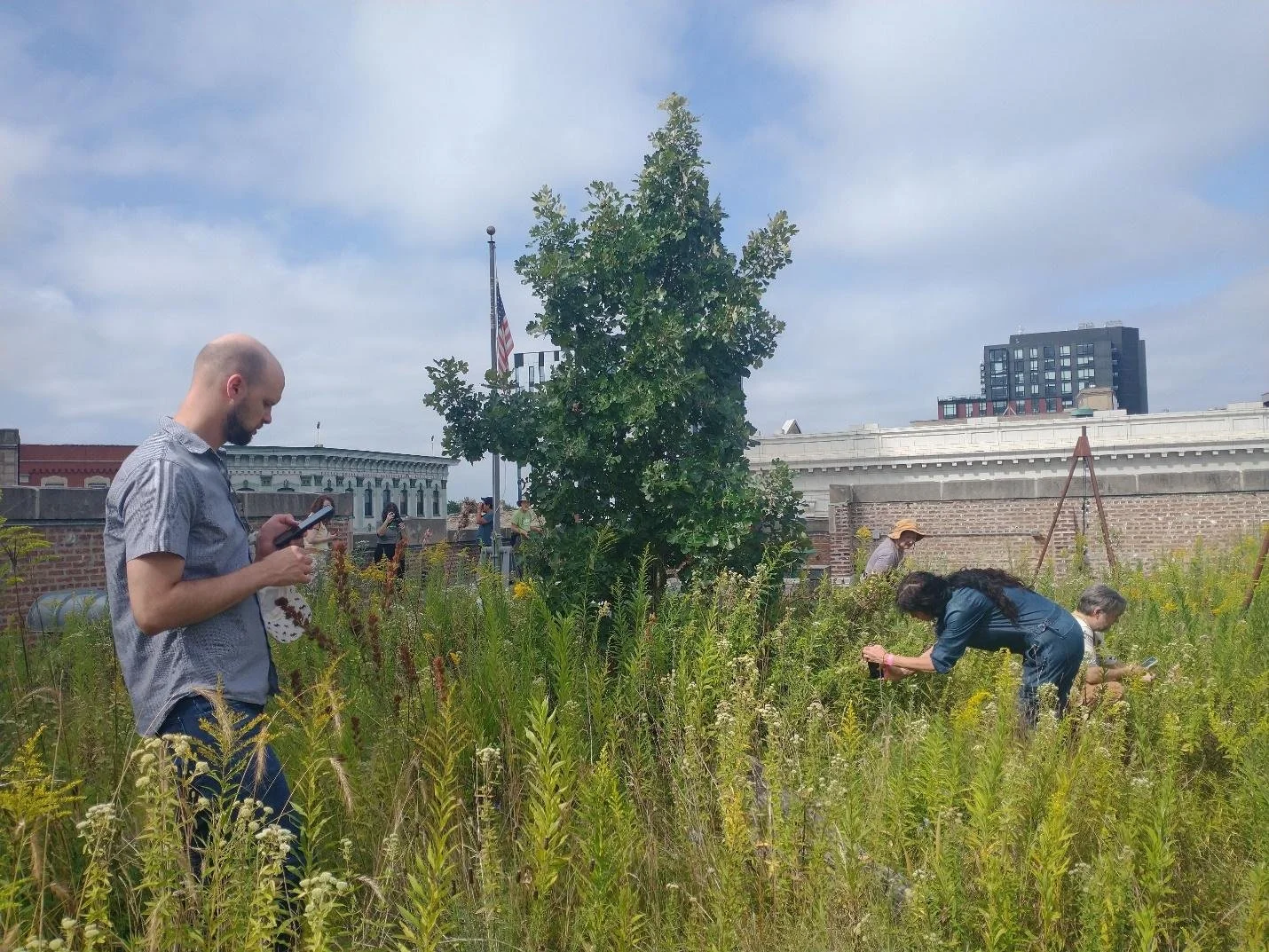
Staff, volunteer ecologists, and citizen scientists document plants, insects, birds, fungi, and microflora conducting a Bioblitz. This is an intense but short recording of the many forms of life observed on the Studio Gang meadow roof. Photo: Studio Gang (with permission)
With observations made during the Bioblitz, Studio Gang used the Floristic Quality Assessment (FQA) to measure the quality of its vegetative habitat. Since 2019, the rooftop composition has achieved the highest category, “Natural Area Quality,” affirming its success in creating a diverse and supportive habitat for both micro- and macro-organisms. It should be noted that although rewilding can be beneficial for green roofs and create more sustainable forms of urbanism, high-quality habitats on the ground with important native plants should be retained. Since biodiverse green roofs have no ground connection and lack the complexity and dynamics of land-based habitats, they should not be considered an equal replacement for quality terrestrial habitats (Williams, Lundholm et al. 2014). Rewilding green roofs can help recover habitat in locations where terrestrial habitats are degraded or no habitat remains.
Over the years, water retention and irrigation needs have evolved as the prairie roof has matured. Michael Devenport (with Omni Ecosystems), who maintains the roof, said, “The irrigation needs of the green roof have declined significantly as the native plants have matured and diversity has increased”. He attributes this phenomenon to increased biomass in the rhizosphere and full vegetative cover, which shades the substrate and keeps it and the roots cool and alive. Michael has observed that in the first years after installation, irrigation was needed more frequently, and runoff from irrigation water frequently ponded near the drains. Now, with more mature and diverse vegetation, very little ponding occurs. This means that as the vegetation matures, it becomes stronger, can tolerate droughts more readily, and its root systems soak up more water.
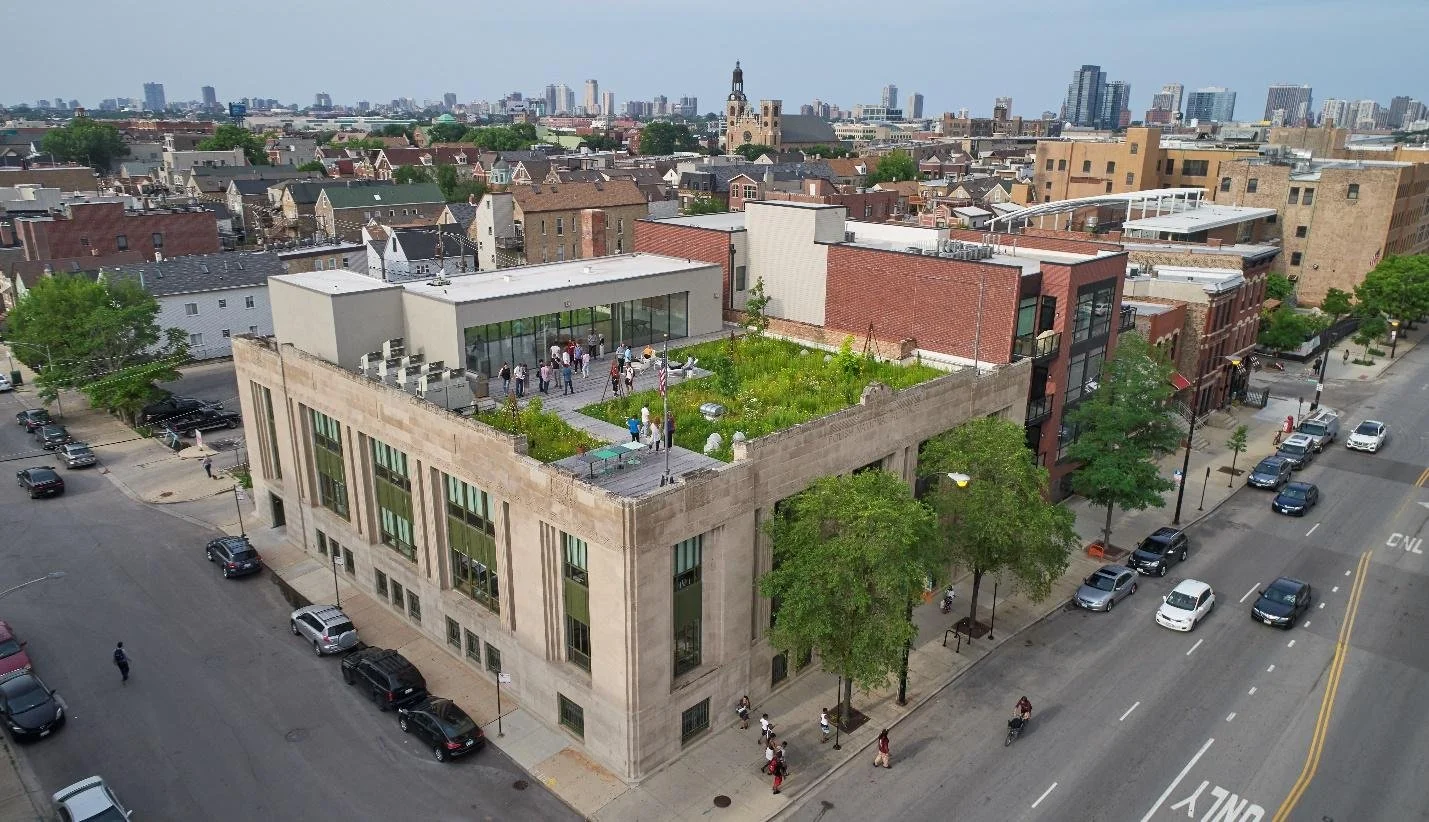
The Studio Gang green roof has 157 unique taxa, of which many were common across the region when prairies and savannas once covered the land. Each year, a Bioblitz assessment is made to observe ecological changes taking place and to inform future maintenance activities. Photo: Tom Harris (with permission)
Conclusion
Rewilding can make green roofs more diverse, beneficial, and resilient to climate extremes. While rewilding may not be appropriate for every green roof, where they are implemented successfully, an informed approach to maintenance is essential. The building owners and those who maintain the roof typically meet at least once a year to discuss maintenance plans. In summary:
Research shows that increasing the diversity of taxa and forms of plants on green roofs can improve stormwater retention and resilience.
Retention of beneficial spontaneous vegetation can be an easy way to diversify existing green roofs.
Seasoned green roof maintenance professionals should be consulted to know which volunteer vegetation is helpful to retain and which should be removed.
Establishment methods include using sedums as a nurse crop or through direct seeding onto an appropriate substrate design.
Rewilding green roofs may require some selective removal of gangly or overly aggressive species.
Encouraging rewilding through spontaneous vegetation is not recommended without consultation and agreement of the building owner.
To learn about how green roofs can support biodiversity, see the Living Architecture Academy Course: Case Studies of Biodiverse Green Roofs, by Bruce Dvorak.
Advertisement
Bruce Dvorak, FASLA is a Professor at Texas A&M University in the Department of Landscape Architecture and Urban Planning, where he has been conducting green roof and living wall research since 2009. Bruce is a member of the GRHC Research Committee and founded a new Regional Academic Center of Excellence in 2022, the Southern Plains Living Architecture Center. Bruce received the GRHC Research Award of Excellence in 2017 and teaches green roofs and living walls in his courses in landscape architecture programs at Texas A&M University. His edited book, Ecoregional Green Roofs: Theory and Application in the Western USA and Canada (2021) provided inspiration and content for this article.
Acknowledgments
I would like to thank Barbara Swift for sharing her knowledge about the design and long-term care of the Ballard Library green roof and for her review of this article. Thank you also to Molly Meyer and Michael Davenport of Omni Ecosystems. Thanks to Michael for sharing his knowledge of the Omni Ecosystems and Studio Gang green roofs, and his review of this article and sharing of photography. Thank you also to Lydia Link with Studio Gang; her comments, suggestions, and sharing of photography.
References
Butler, C. and C. M. Orians (2011). "Sedum cools soil and can improve neighboring plant performance during water deficit on a green roof." Ecological Engineering 37(11): 1796-1803.
Lönnqvist, J., G.-T. Blecken and M. Viklander (2021). "Vegetation cover and plant diversity on cold climate green roofs." Journal of Urban Ecology 7(1): juaa035.
Muratet, A., M. Barra, L. Hardion and F. Chiron (2024). "Origins and drivers of roof plant assemblages: Designing green roofs for biodiversity conservation." Urban Forestry & Urban Greening 94: 128247.
Nagase, A. and N. Dunnett (2012). "Amount of water runoff from different vegetation types on extensive green roofs: Effects of plant species, diversity and plant structure." Landscape and Urban Planning 104(3-4): 356-363.
Sutton, R. (2014) “Aesthetics for Green Roofs and Green Walls”. Journal of Living Architecture. Issue 1(2): 1-19.
van Duin, B., D. Z. Zhu, W. Zhang, R. J. Muir, C. Johnston, C. Kipkie and G. Rivard (2021). "Toward more resilient urban stormwater management systems—Bridging the gap from theory to implementation." Frontiers in Water 3: 671059.
Williams, N. S., J. Lundholm and J. S. MacIvor (2014). "Do green roofs help urban biodiversity conservation?" Journal of Applied Ecology 51(6): 1643-1649.
Zhang, Z., C. Szota, T. D. Fletcher, N. S. Williams, J. Werdin and C. Farrell (2018). "Influence of plant composition and water use strategies on green roof stormwater retention." Science of the Total Environment 625: 775-781.
Zheng, X., Y. Zou, A. W. Lounsbury, C. Wang and R. Wang (2021). "Green roofs for stormwater runoff retention: A global quantitative synthesis of the performance." Resources, Conservation and Recycling 170: 105577.