Articles
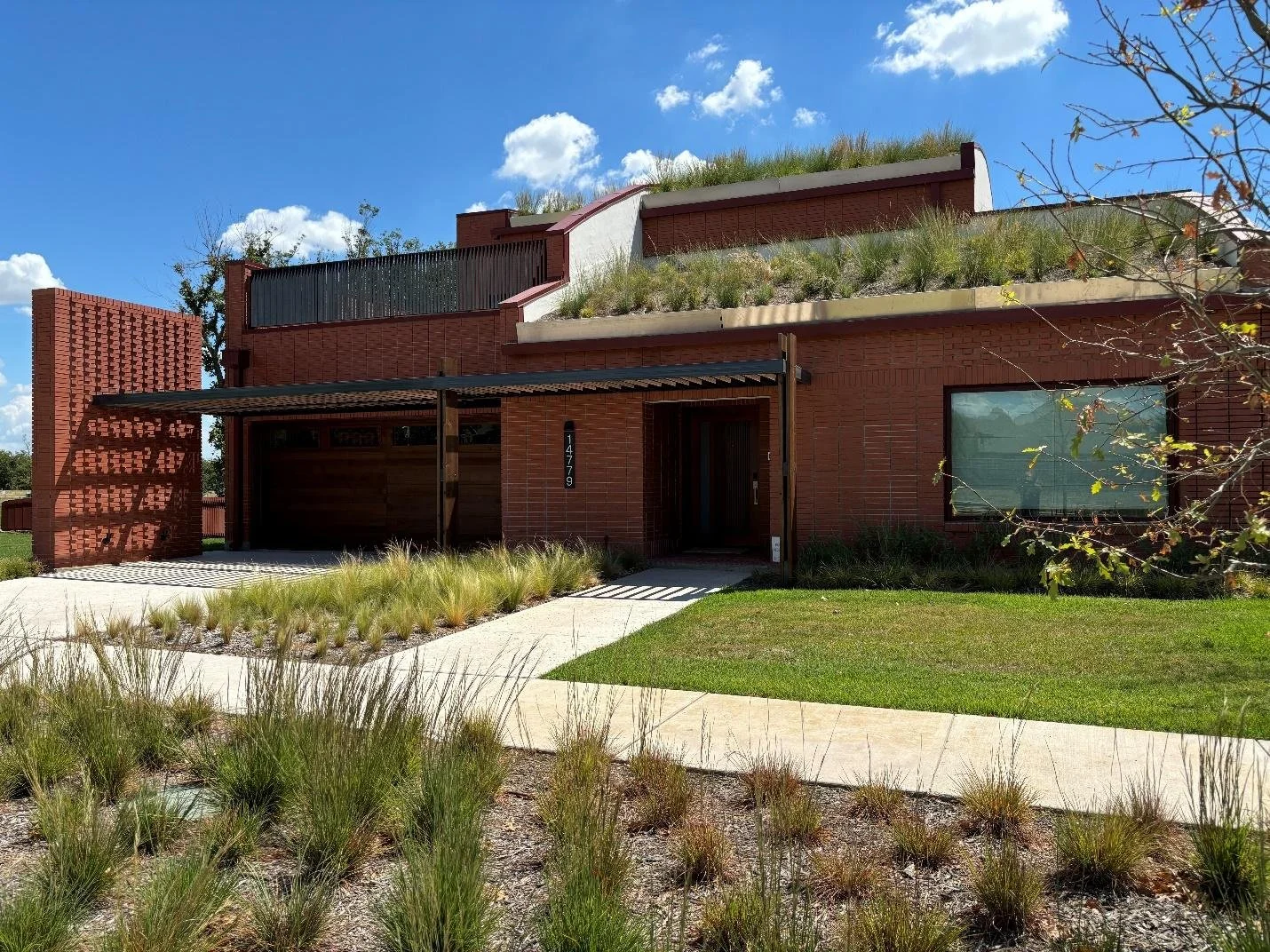
Rewilding Green Roofs for Resilient Stormwater Retention
Although succulent monocultures are the default for many green roofs, rewilding green roofs with wildflowers and grasses can enhance stormwater retention and make them more adaptive to extreme climate events. Learn about rewilding green roofs.
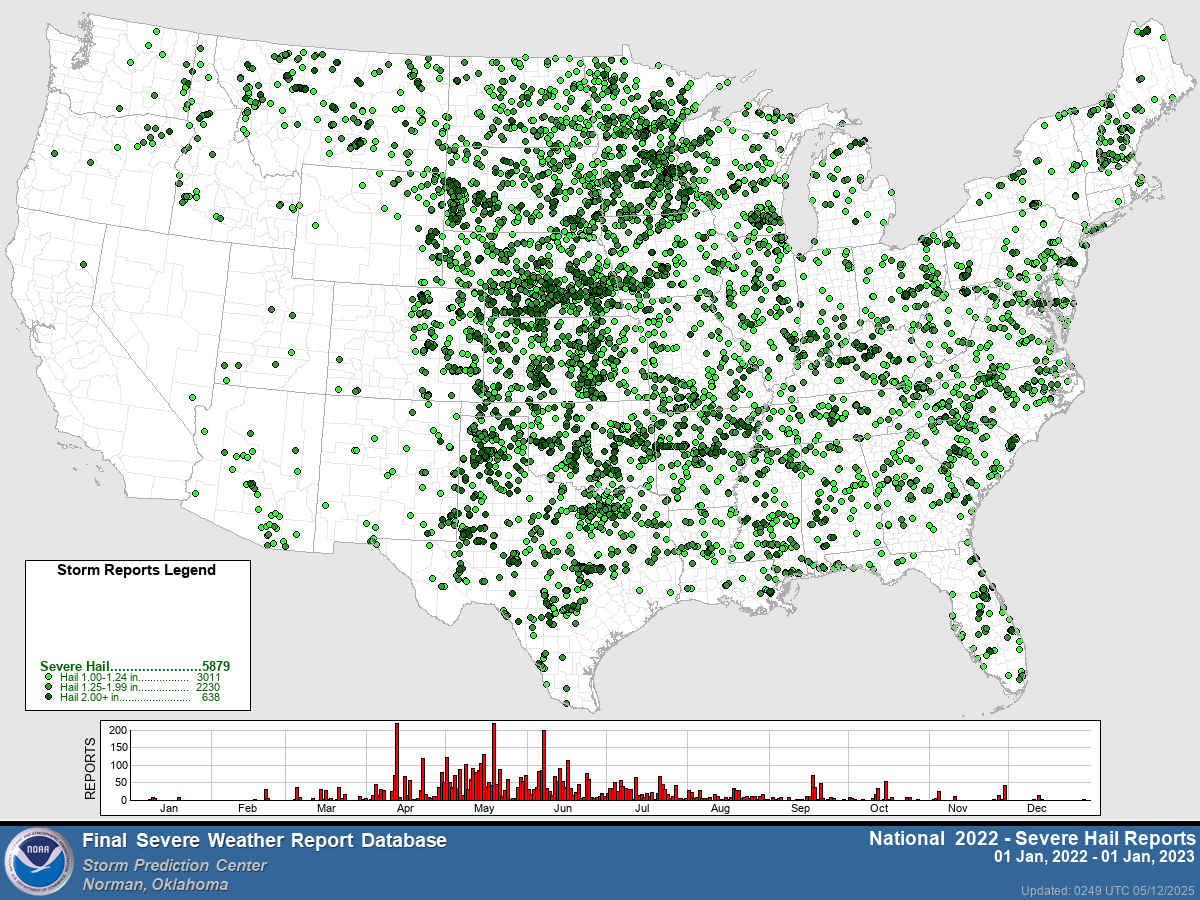
Green Roofs: A Strategic Shield Against Escalating Hailstorm Damage
Hailstorms are becoming an increasingly costly threat to buildings, particularly in regions like Texas, Colorado, and the Great Plains but research shows that green roofs are a resilient solution to mitigate hail damage and protect waterproofing.

Proposed Federal Legislation Targets Urban Heat Crisis with $100 Million in Community Solutions
This proposed federal legislation could direct $100 million to combat extreme heat with community projects like green roofs, cool pavements, and shade structures, prioritizing vulnerable communities and advancing climate resilience across the U.S.
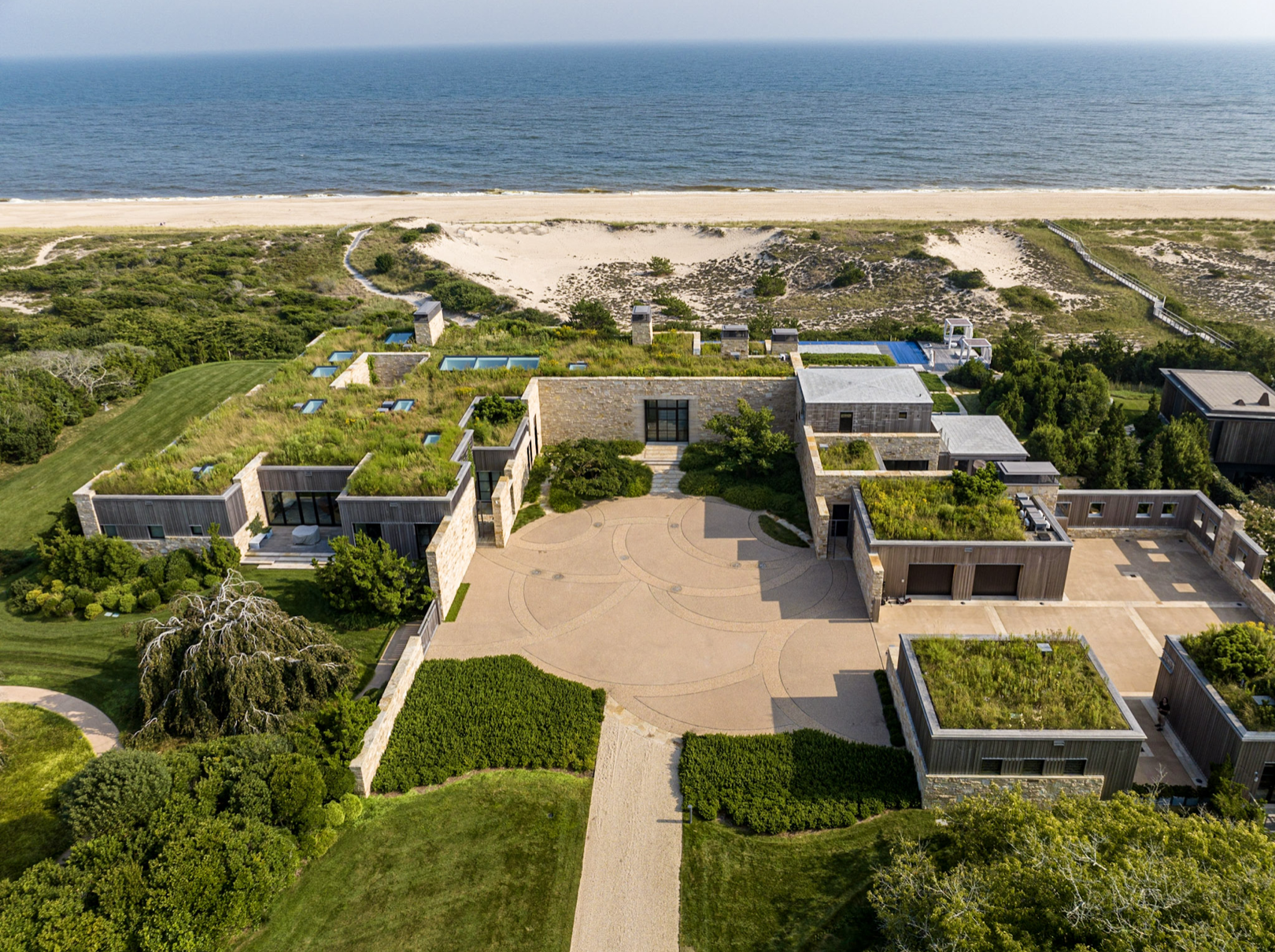
Preserving a Coastal Habitat Integrating a Home Into the South Shore Dunes
This GRHC Awards of Excellence project features a green roof designed to cover a beach house on New York State’s Long Island, seamlessly integrating it into the landscape.
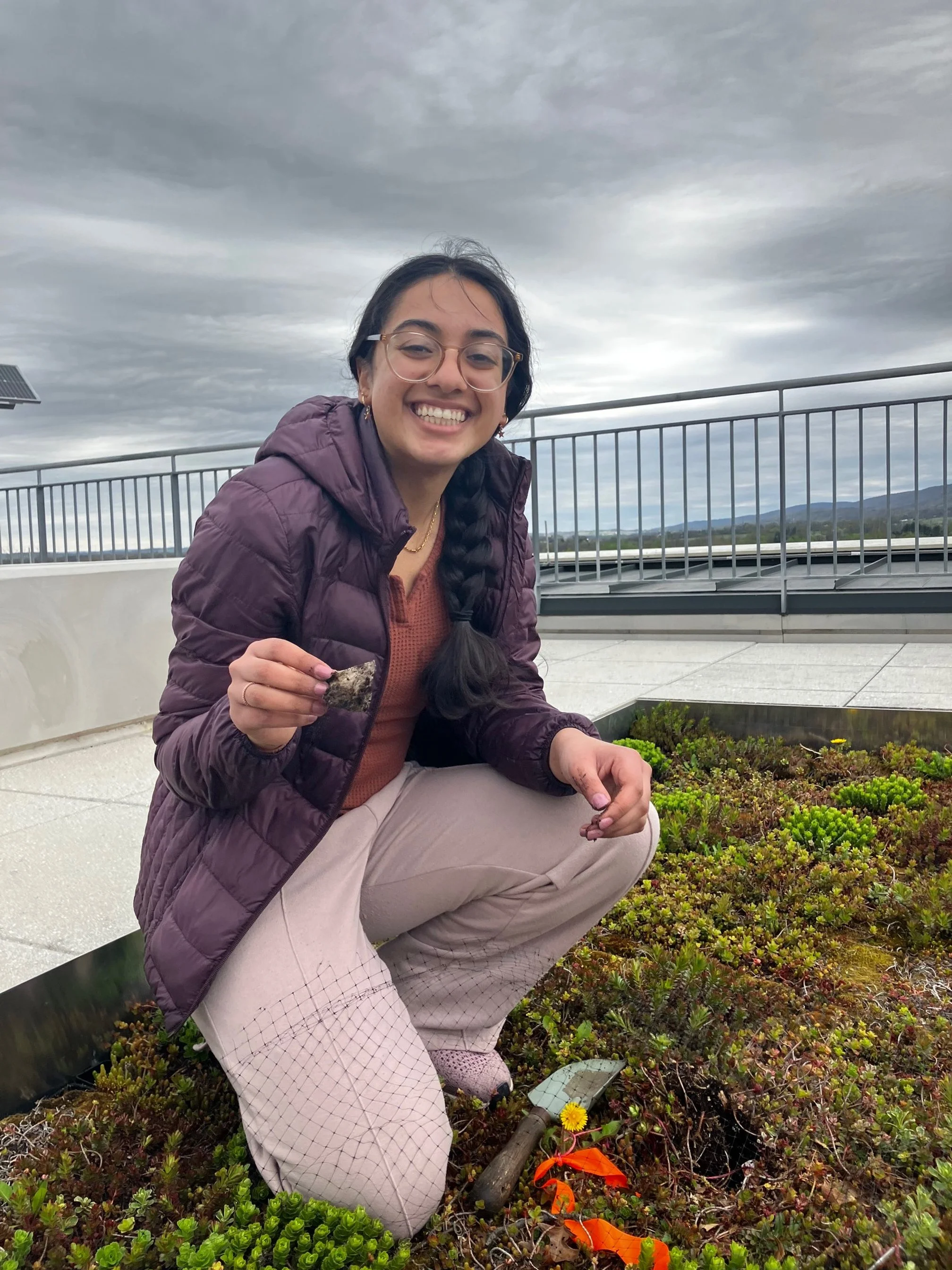
How Hungry Is Your Roof? Come Find Out With Us!
The Regional Academic Centers of Excellence are initiating a study on green roof growing media microbes to improve our understanding of their many roles and you are invited to participate.

Nature and Water Scarcity: Leveraging One to Address the Other
The European Water Resilience Strategy emphasizes sustainability but overlooks urban green infrastructure. Cities must be central to water resilience efforts through nature-based solutions like green roofs, permeable surfaces, and water-sensitive urban design.

Podcast | Addressing Urban Heat Islands with Grace Wickerson
This episode of Sustainable Futures Designing Green Communities and Buildings sits down with science communicator, policy advocate, and scientist Grace Wickerson of the Federation of American Scientists (FAS). Join for a conversation on extreme heat, the importance of science communication, and ways in which FAS is trying to improve our communities.
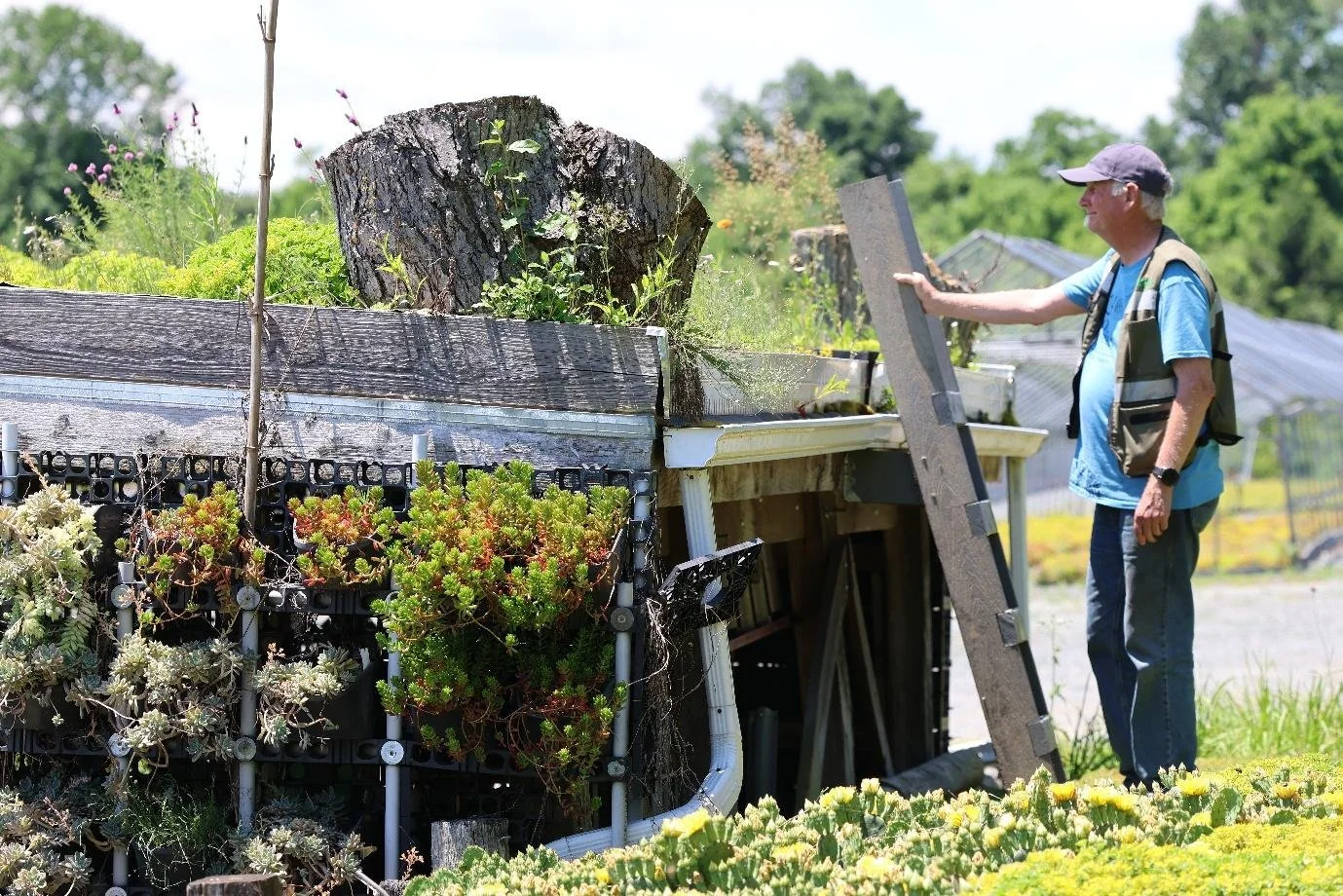
Enhancing Urban Biodiversity with Bio Strips on Green Roofs
Integrating bio strips into green roofs enhances urban biodiversity, improves stormwater management, and supports pollinators by creating structurally diverse habitats. This nature-based approach strengthens ecological resilience and reconnects fragmented urban ecosystems in the face of rapid urbanization.

Addressing Urban Heat Islands Benefits Everyone
Learn about how the Urban Heat Island and Social Justice are issues which are fundamentally interconnected and how green roofs and walls can help to address both.
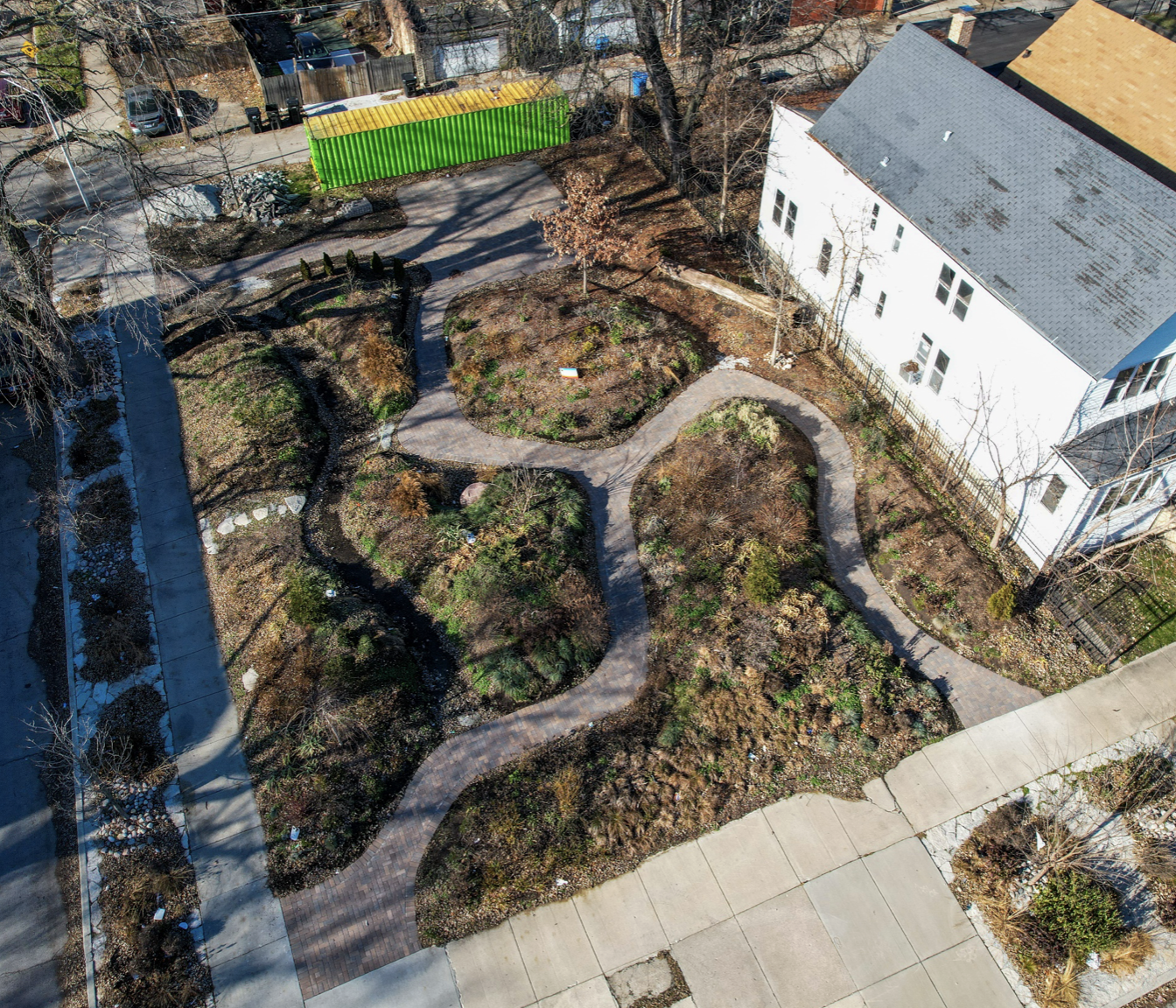
Visioning Community - Scale Green Infrastructure Part Two - Outcomes in Chicago
This article follows an earlier article in the LAM about the Green Infrastructure Foundation’s Green Infrastructure Charrette Program. Read about the Charrette held in Chicago and the plans to profoundly improve the neighborhood of West Woodlawn under the leadership of Blacks in Green.
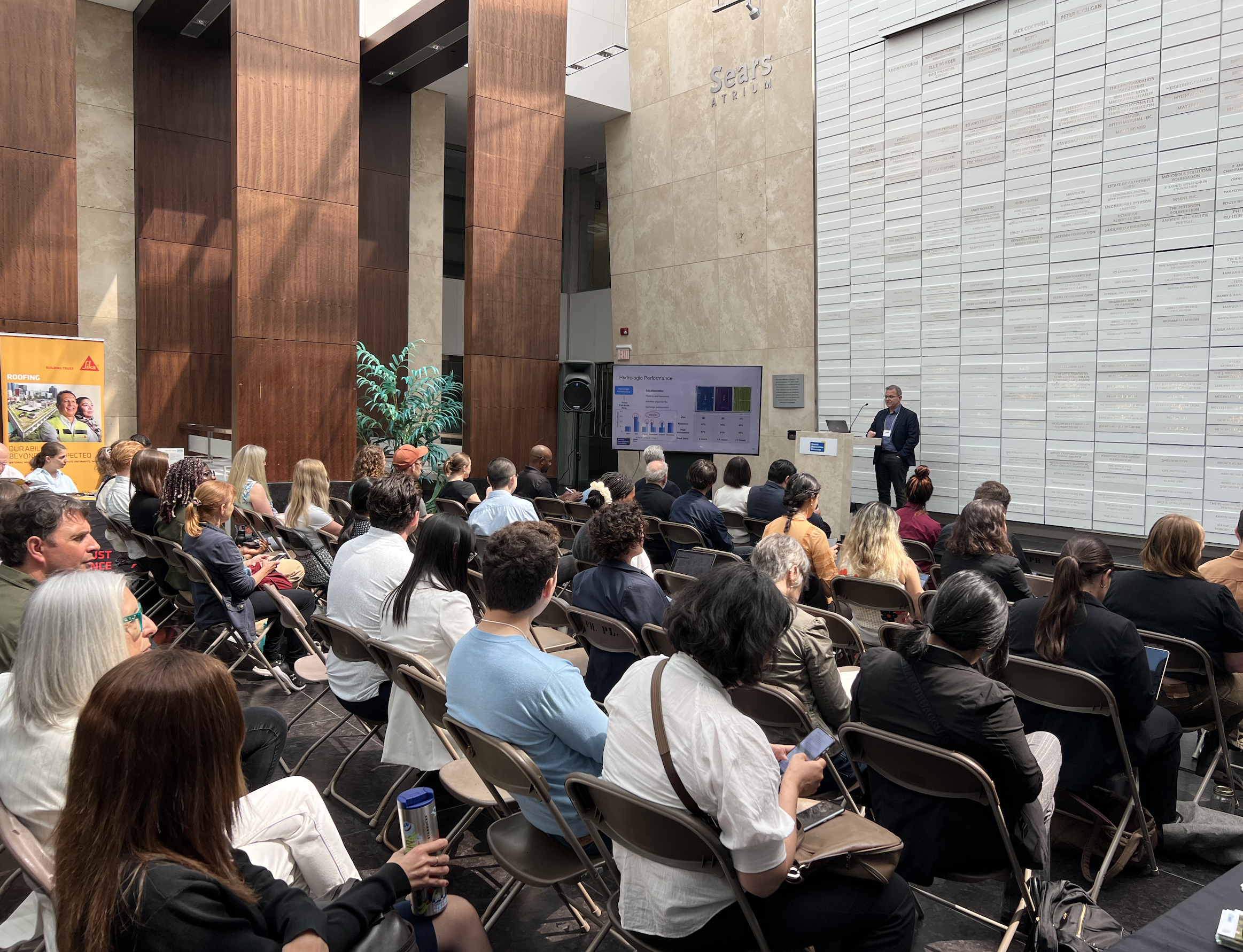
Build Your Climate Resilience: Explore Green Roof Training and Events in 2025
Explore Green Roofs for Healthy Cities upcoming US events, GRIMP trainings, new resources, and more in this article.

How to Flourish During Stressful Times
How to overcome the shock doctrine, manage stress, and flourish during chaotic political times. These approaches promote well-being while fostering resilience and positive change.
Four Strategies to Feed Wildlife with Green Roofs
Wildlife are always on the lookout for food, water, clean air, shelter, or rest. Insects are integral to the global food web, and green roofs can provide for the food needs of wildlife. In this article, four strategies are discussed to feed and support insects on green roofs.
Sustainable Futures Podcast: Going Slow with Benjamin Fahrer
This episode features farmer, rooftop agriculturalist, and integrated ecology advocate Benjamin Fahrer, owner of Top Leaf Farms. Join us for a conversation on the importance of food, soils, and a better, more sustainable path towards growing food.
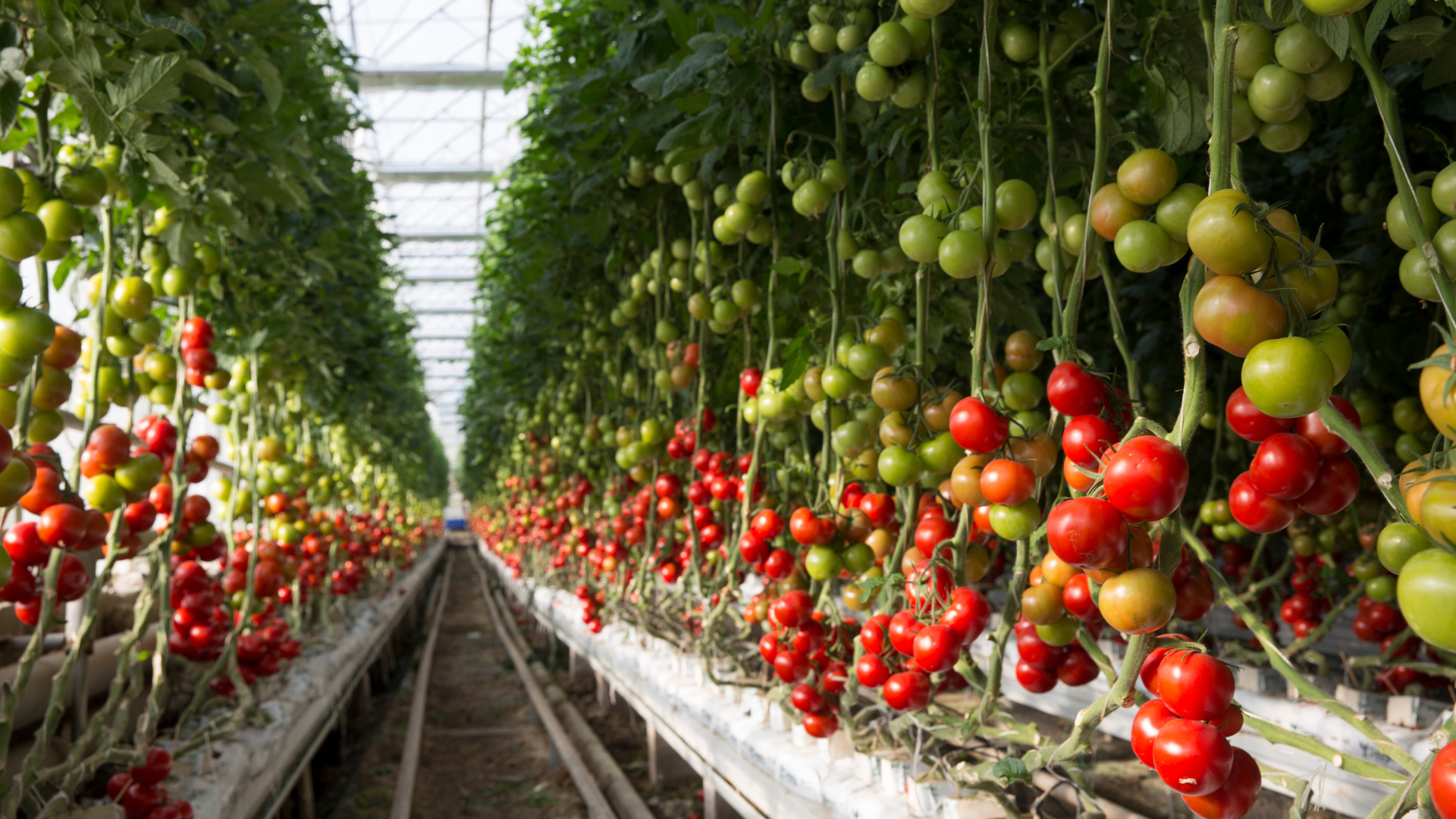
An Overview of Vertical Farming
Vertical farming offers a climate-resilient approach to food production by using controlled environments to grow crops efficiently with less land and water. Despite challenges like high energy costs, its potential for food security and urban integration is rapidly expanding.
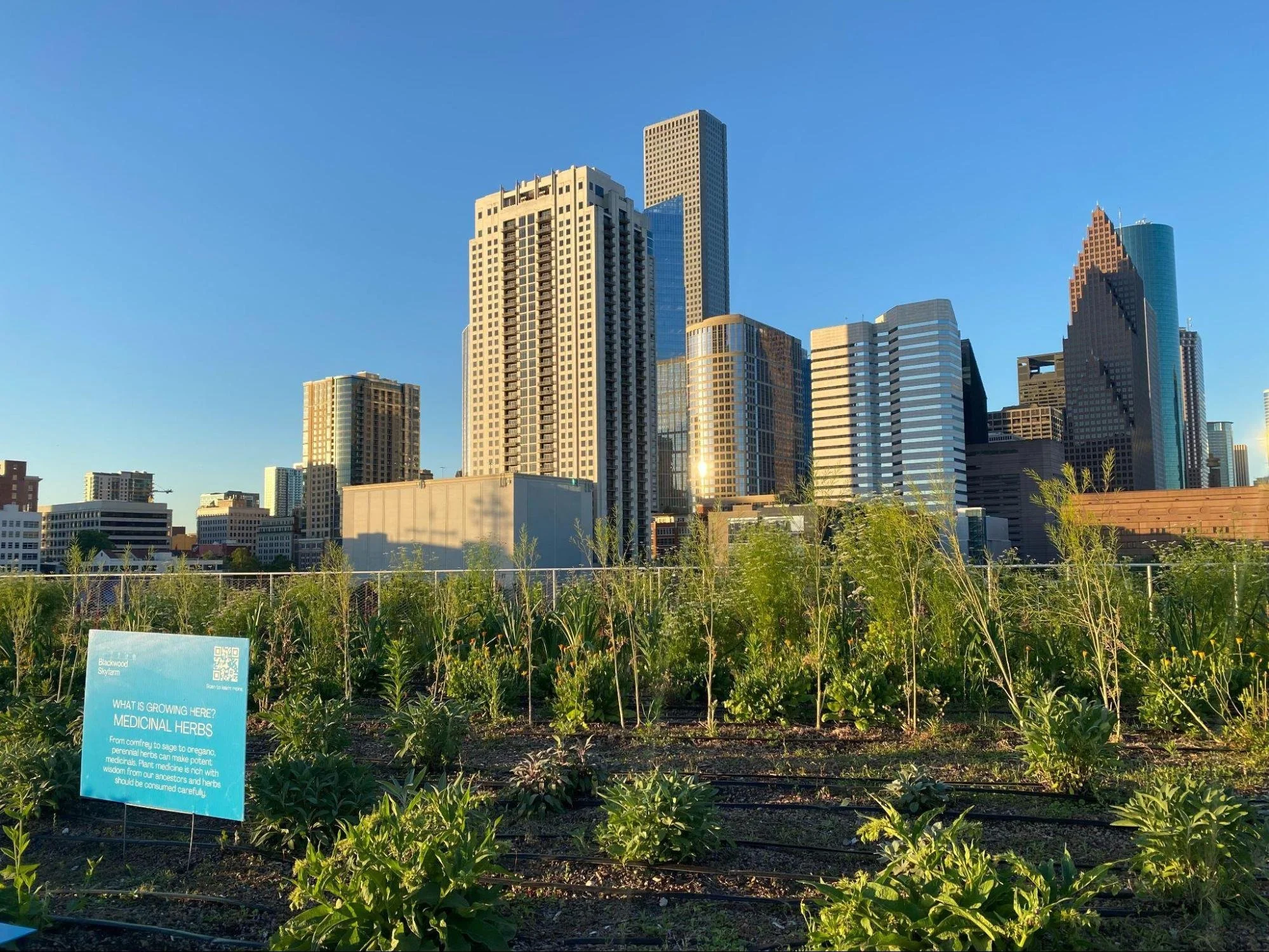
Rooftop Farming Takes Hold in Downtown Houston
Blackwood Skyfarm at POST Houston is a pioneering 1-acre rooftop farm that enhances urban agriculture, promotes biodiversity, and fosters community education. Open daily, it offers workshops, volunteer programs, and a farmers market, serving as a model for sustainable rooftop farming.
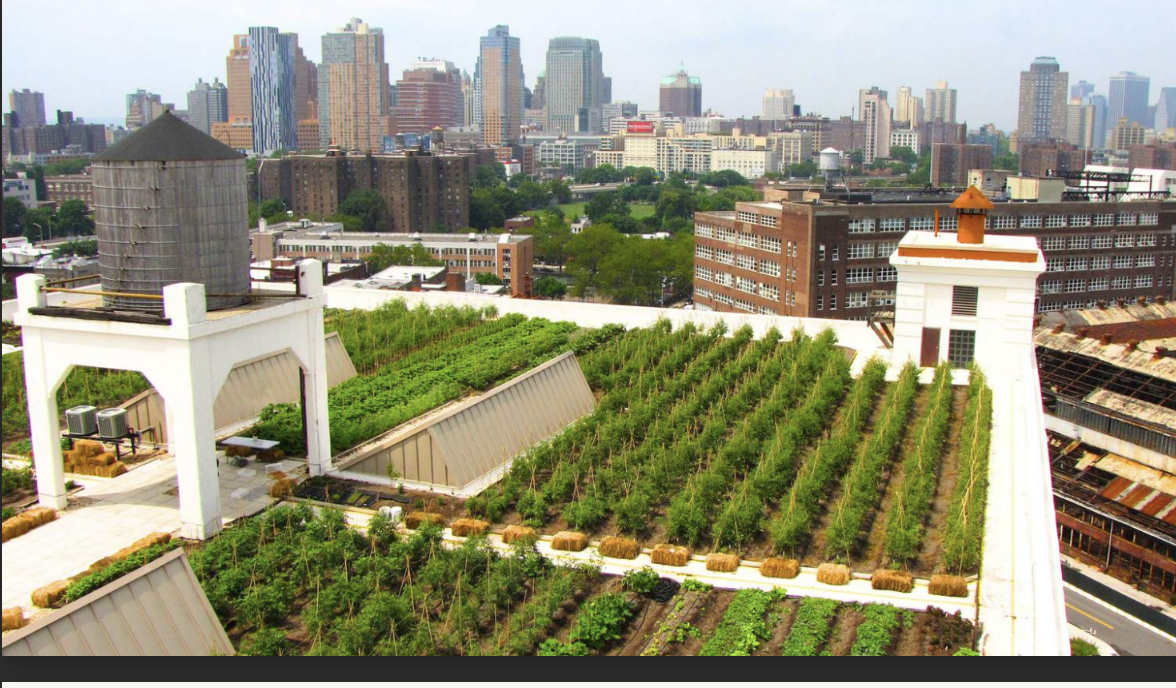
Brooklyn Grange: Growing a Greener Future Under New Leadership
Brooklyn Grange, a leader in urban agriculture, is expanding under new leadership. With a focus on rooftop farming, green infrastructure, and community engagement, the organization continues to transform urban spaces into biodiverse, climate-resilient ecosystems while promoting sustainability and food security.
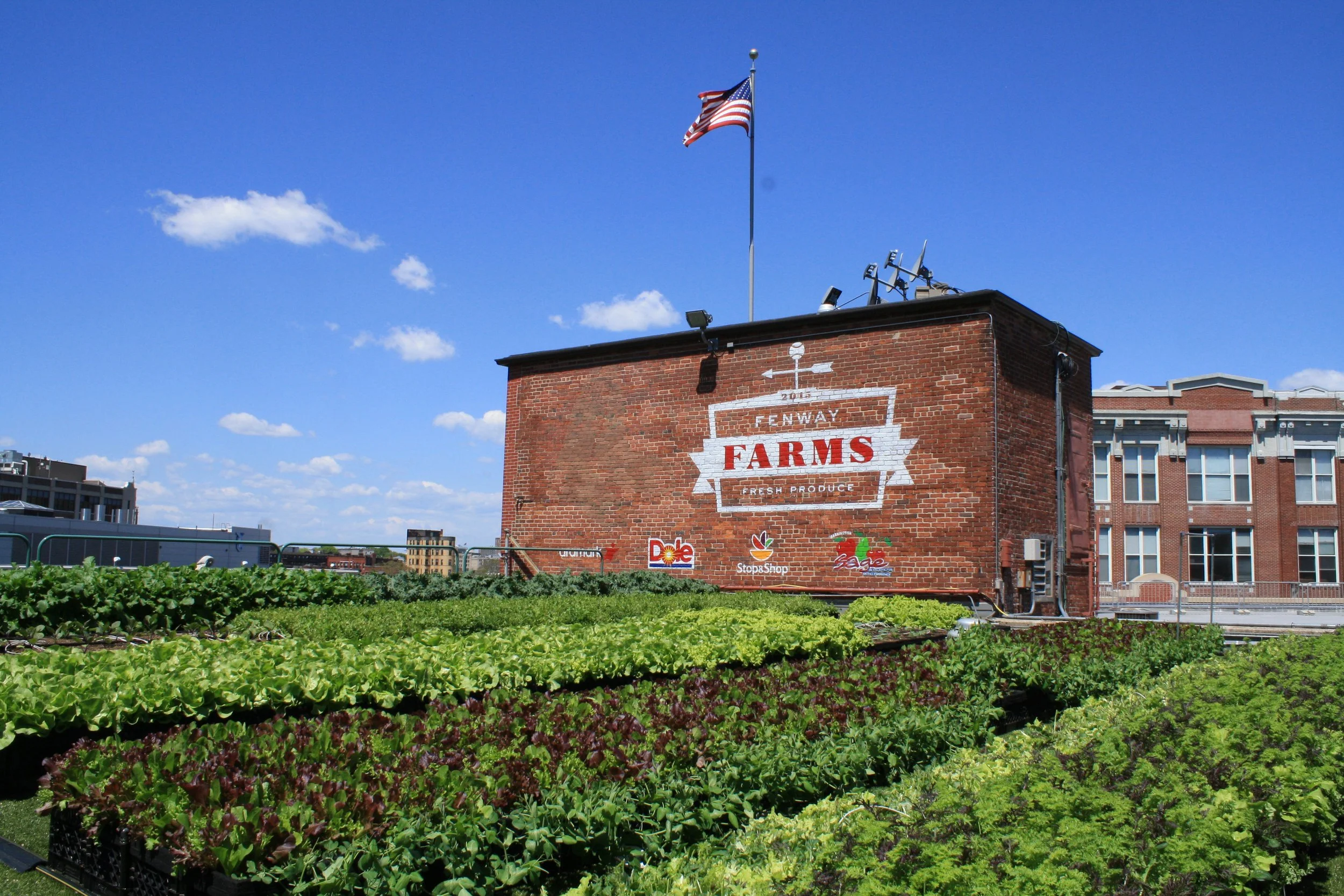
A Decade of Green Innovation and Fresh Produce at the Park
Fenway Farms celebrates a decade of sustainability at Boston’s historic Fenway Park, producing thousands of pounds of fresh produce annually. This pioneering rooftop farm showcases how urban agriculture can thrive in unconventional spaces while enhancing community engagement and environmental stewardship.
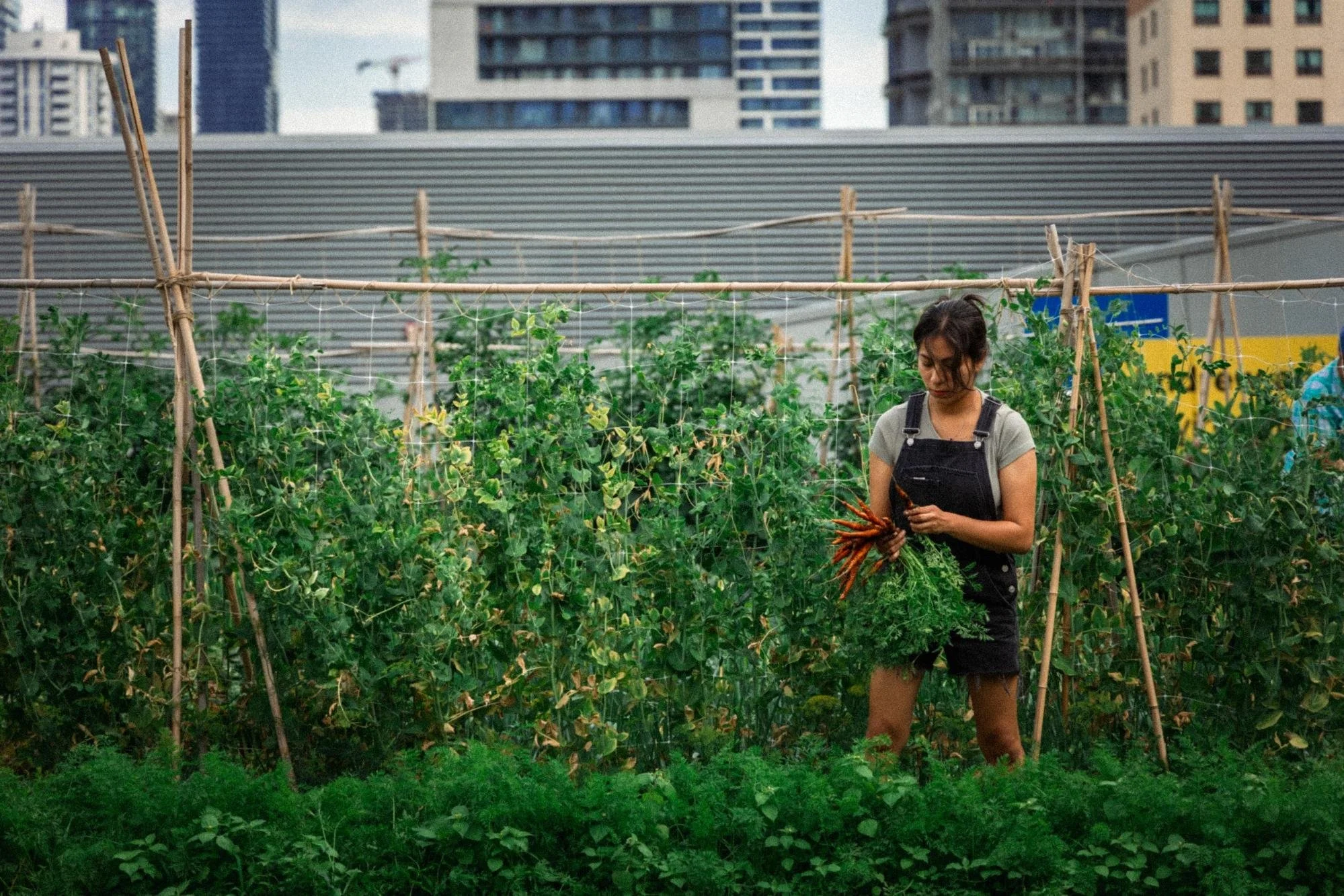
Cultivating Knowledge and Connection: Urban Agriculture and Ecological Literacy
Urban agriculture fosters ecological literacy, reconnecting city dwellers with nature. Explore how Toronto Metropolitan University’s Urban Farm cultivates sustainability, community, and hands-on learning. Read more on urban food systems and environmental awareness.
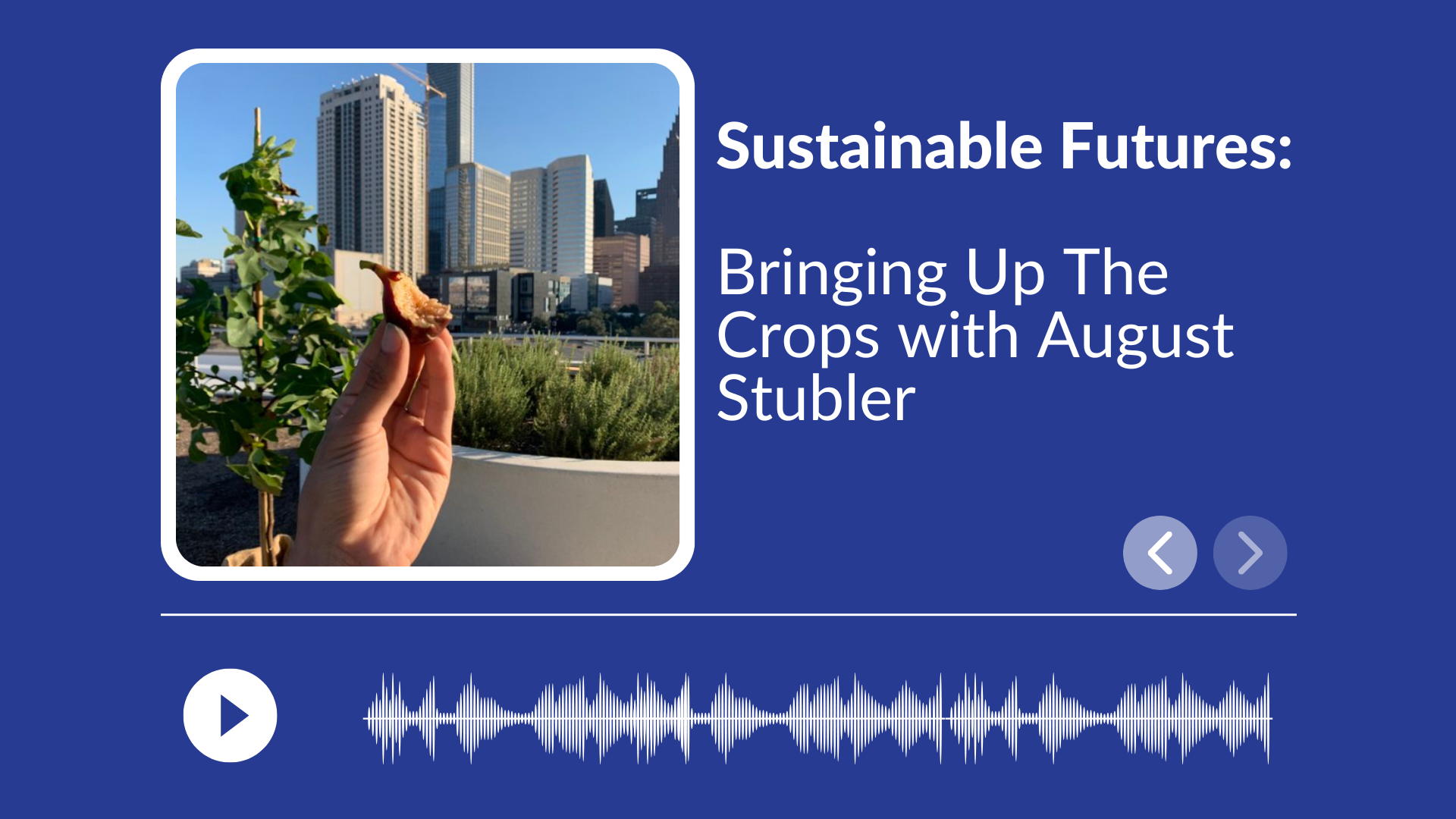
Sustainable Futures Podcast: - Bringing up the Crops with August Stubler
This episode of Sustainable Futures: Designing Green Communities and Buildings podcast features rooftop farmer and sustainable food systems advocate August Stubler, who oversees the operations of the Blackwood Educational Land Institute’s Skyfarm at POST Houston. Join us for a conversation on the importance of connecting people with food production and bringing farming into our cities.