Advertisement
Introduction
Urban flooding is rapidly becoming one of the most pressing climate adaptation challenges facing Canadian municipalities. Intensifying rainfall events, expanding impervious urban surfaces, and aging drainage infrastructure are placing unprecedented pressure on municipal stormwater systems. In many Canadian cities, combined sewer systems and undersized drainage networks are increasingly unable to accommodate short-duration, high-intensity storms, leading to surface flooding, sewer overflows, infrastructure damage, and growing economic losses.
Climate projections suggest that extreme precipitation events in Canada could increase by 10–20% by 2050, with the frequency of historical “100-year storms” rising substantially. In 2024 alone, Canada experienced approximately CAD 8.5 billion in insured losses from climate-related disasters, including nearly CAD 1 billion associated with flooding in Toronto.
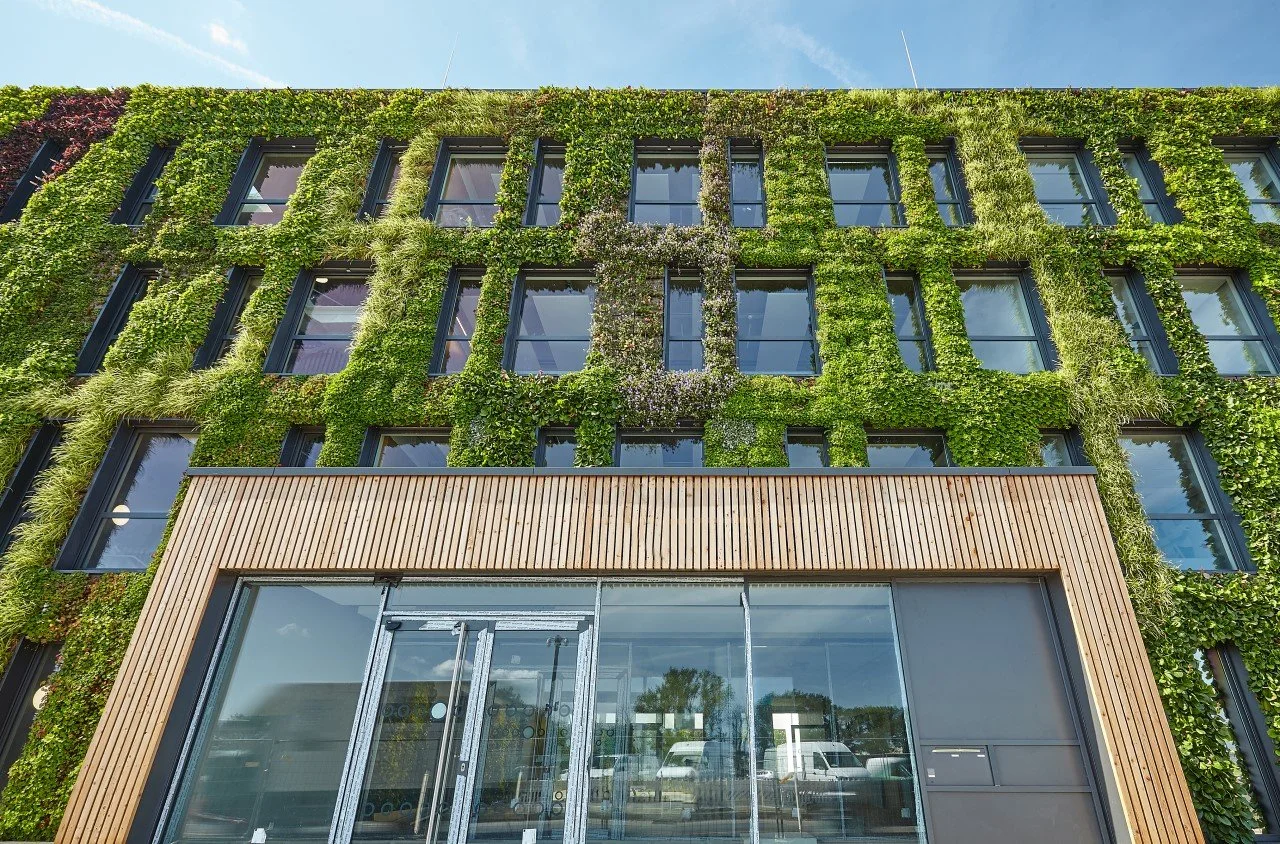
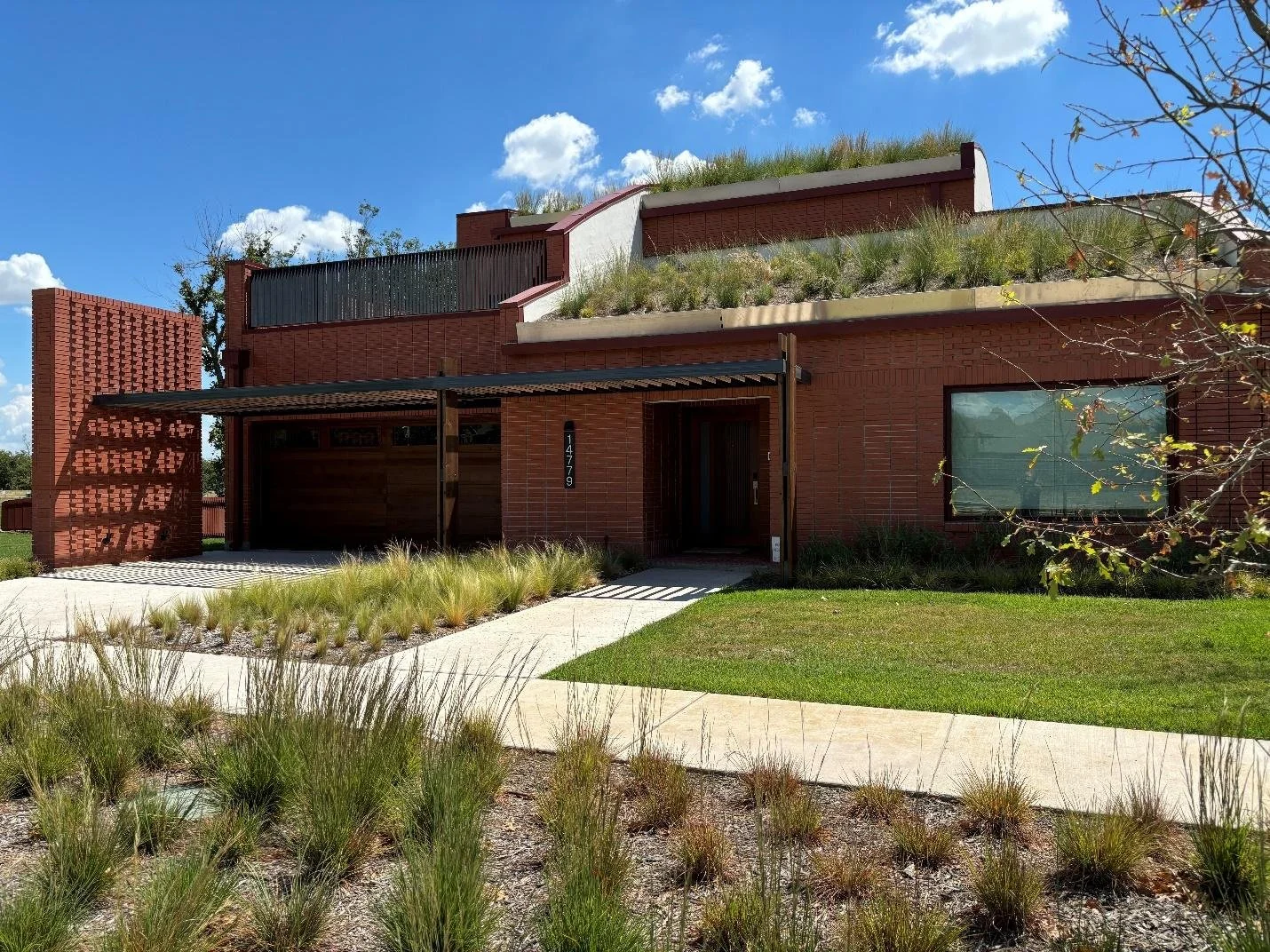
As municipalities seek resilient and scalable stormwater management strategies, nature-based roofing assemblies are increasingly recognized as a practical and distributed form of green infrastructure. Commercial rooftops represent millions of square metres of underutilized urban surface area that can be transformed into active stormwater management assets. Flood mitigation roof assemblies (FMRAs), including vegetated (green) roof assemblies (VRAs), blue roofs, and hybrid blue-green systems, can retain, detain, delay, and evapotranspire rainfall before runoff enters municipal drainage systems.
Unlike conventional grey infrastructure, which focuses on rapidly conveying stormwater away from urban areas, FMRAs manage rainfall at the source. This shift toward distributed hydrological control is becoming increasingly important in climate adaptation planning and low-impact development strategies across Canadian municipalities.
Advertisement
Municipal Stormwater Requirements Are Driving Change
Across Canada, municipalities are adopting increasingly aggressive stormwater retention and runoff reduction targets.
Toronto’s Wet Weather Flow Management Guidelines require developments to retain the first 5 mm of rainfall on-site through infiltration, evapotranspiration or reuse strategies. According to the guidelines, storms of 5 mm or less contribute approximately 50 per cent of Toronto’s average annual rainfall volume, highlighting the importance of managing frequent, low-intensity rainfall events at the source.
Vancouver has adopted even more ambitious green infrastructure stormwater targets. Current guidelines require green infrastructure systems to retain the first 24 mm of rainfall from impervious surfaces, representing approximately 70 per cent of the city’s annual rainfall volume. Additional guidance targets retention of 48 mm over a 24-hour period to capture nearly 90 per cent of annual rainfall volume.
Other municipalities, including Calgary and Montreal, are also increasingly integrating green infrastructure and rooftop stormwater controls into climate resilience planning frameworks. However, while municipalities are implementing ambitious stormwater requirements, a major challenge remains:
“How can designers, municipalities, and regulators reliably quantify and verify the hydrological performance of rooftop nature-based systems under realistic rainfall conditions?”
This knowledge gap represents one of the most significant barriers to broader implementation and code integration of FMRAs.
The Missing Link: Quantifiable Hydrological Performance
Despite growing adoption of green and blue roofs, current performance evaluation methods remain highly fragmented. Existing standards, including ASTM and FLL protocols, primarily focus on evaluating individual components such as drainage layers, substrates, or material water retention characteristics under simplified laboratory conditions. These methods often fail to capture the integrated hydrological behaviour of complete roof assemblies under dynamically varying rainfall intensities, antecedent moisture conditions, and back-to-back storm events.
For municipalities and designers, this creates significant uncertainty. A green roof may perform exceptionally well during isolated rainfall events but behave very differently under saturated conditions or during consecutive storms. Similarly, retention-based systems and detention-based systems may achieve comparable runoff reductions while exhibiting fundamentally different hydraulic responses in terms of peak flow attenuation, runoff delay, and drainage duration.
Without standardized system-level testing methodologies, municipalities lack a consistent basis for:
comparing technologies;
establishing performance benchmarks;
integrating rooftop systems into stormwater regulations; and
validating long-term flood mitigation performance.
This challenge becomes increasingly critical as municipalities transition based stormwater management frameworks.
Advertisement
NRC’s National NBS-CR Consortium Initiative
To address these challenges, the National Research Council of Canada (NRC), in collaboration with Carleton University and a national industry consortium, launched the Nature-Based Solutions on Commercial Roofs (NBS-CR) initiative under the Climate Resilient Built Environment (CRBE) program. The consortium includes major roofing manufacturers, industry associations, and green infrastructure stakeholders, including Soprema, ZinCo, Siplast, Sika, LiveRoof, RCABC, CRCA, QMRA, NLSM, ABT Drains and Bioroof.
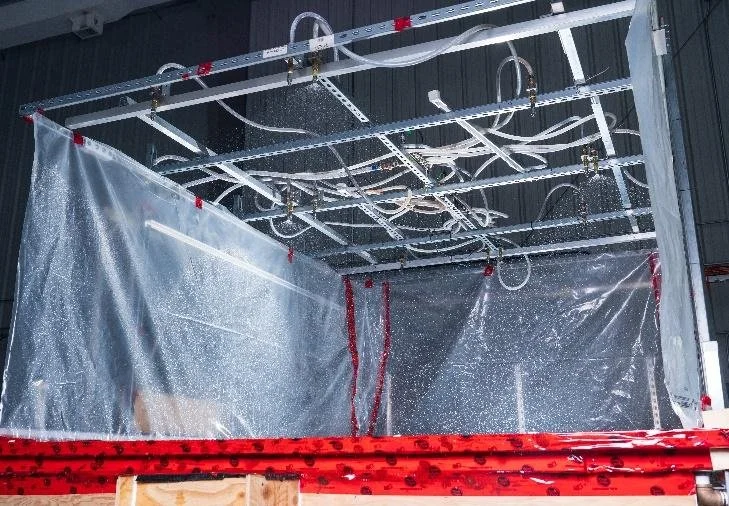
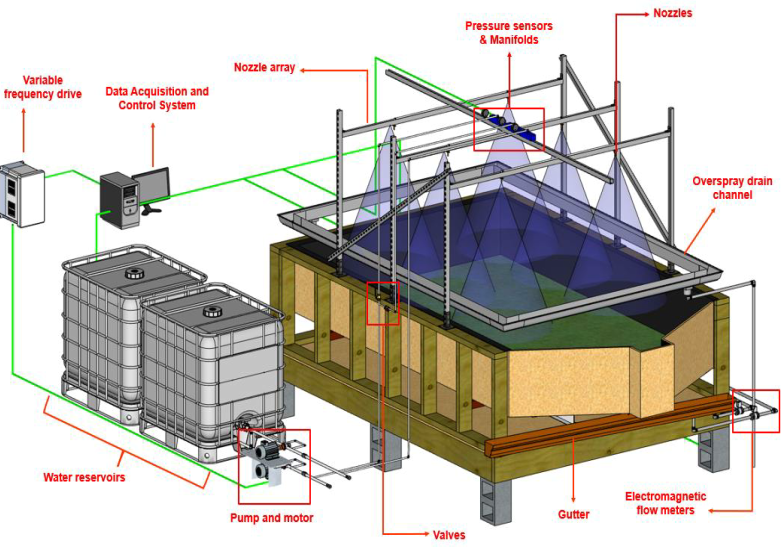
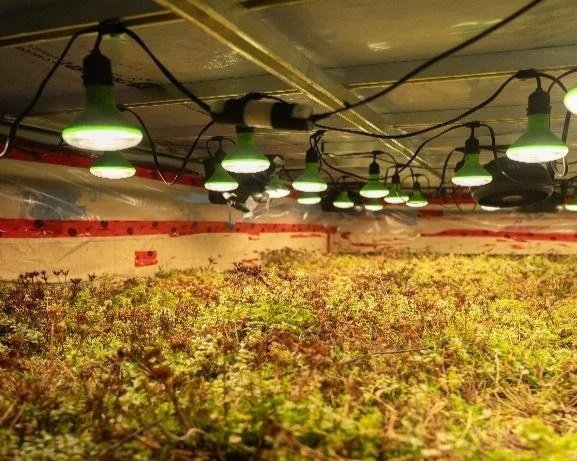
The objective of the initiative is to develop science-based, standardized methodologies capable of evaluating the hydrological performance of rooftop flood mitigation assemblies under realistic Canadian climatic conditions. Central to the project is the development of two advanced testing platforms:
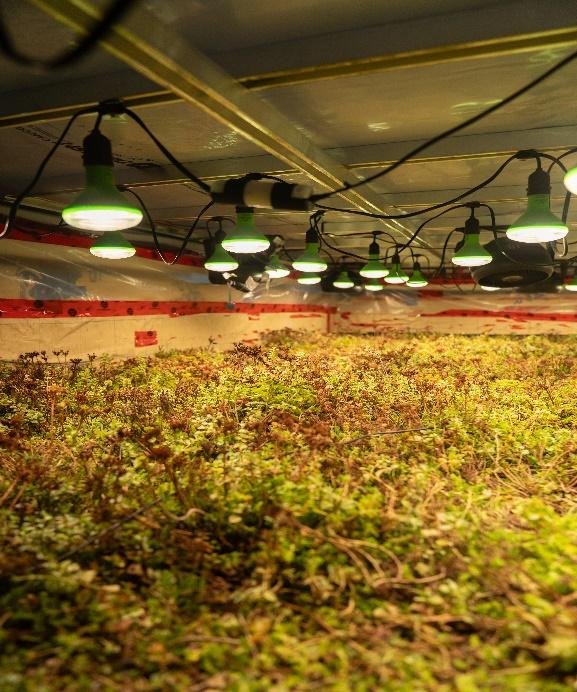
a laboratory-based Dynamic Rain Simulator (DRS) (Figure 1); and
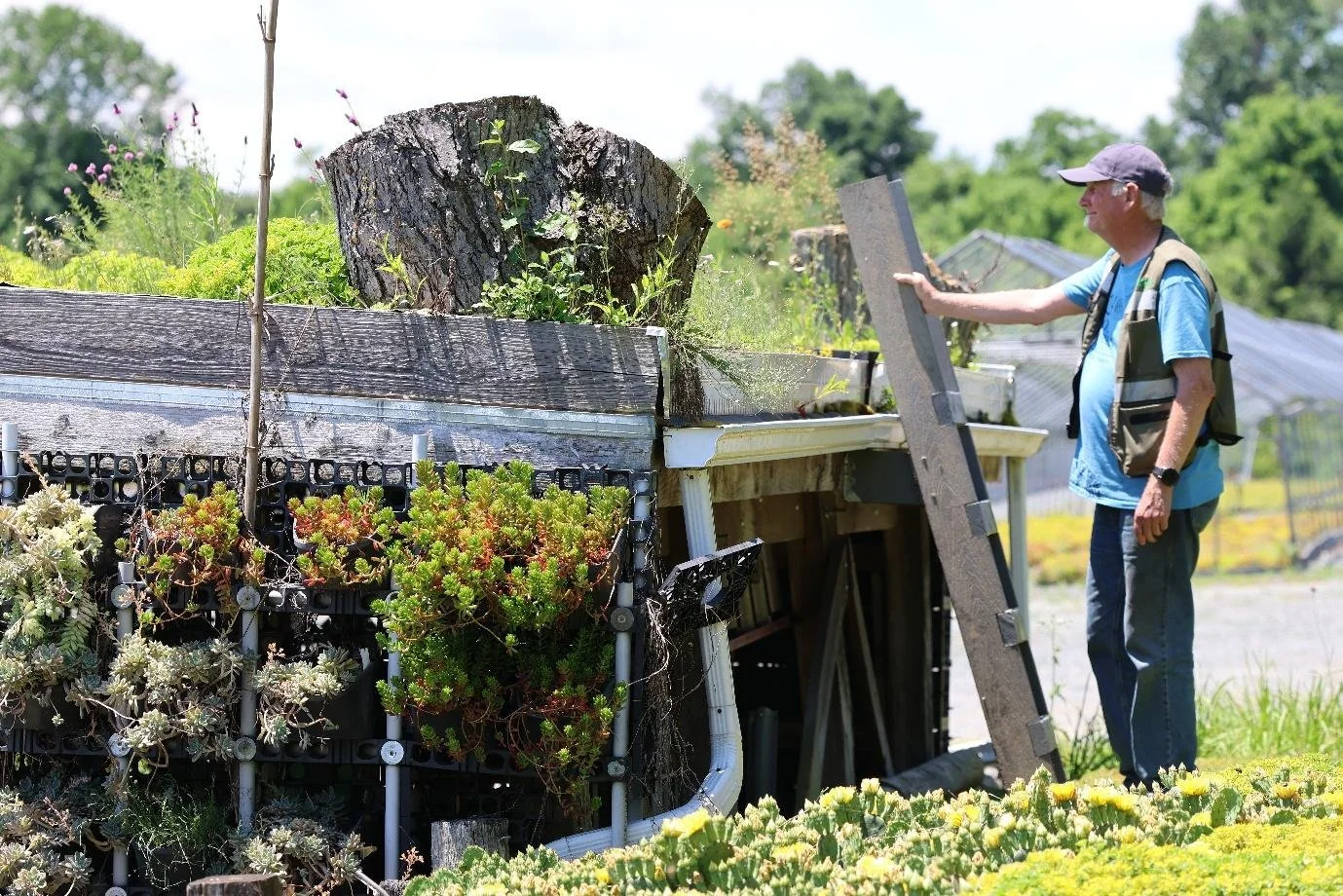
a Field Rain Simulator (FRS) installed on a rooftop test facility in Ottawa (Figure 2).
Figure 1: Dynamic Rain Simulator (DRS)
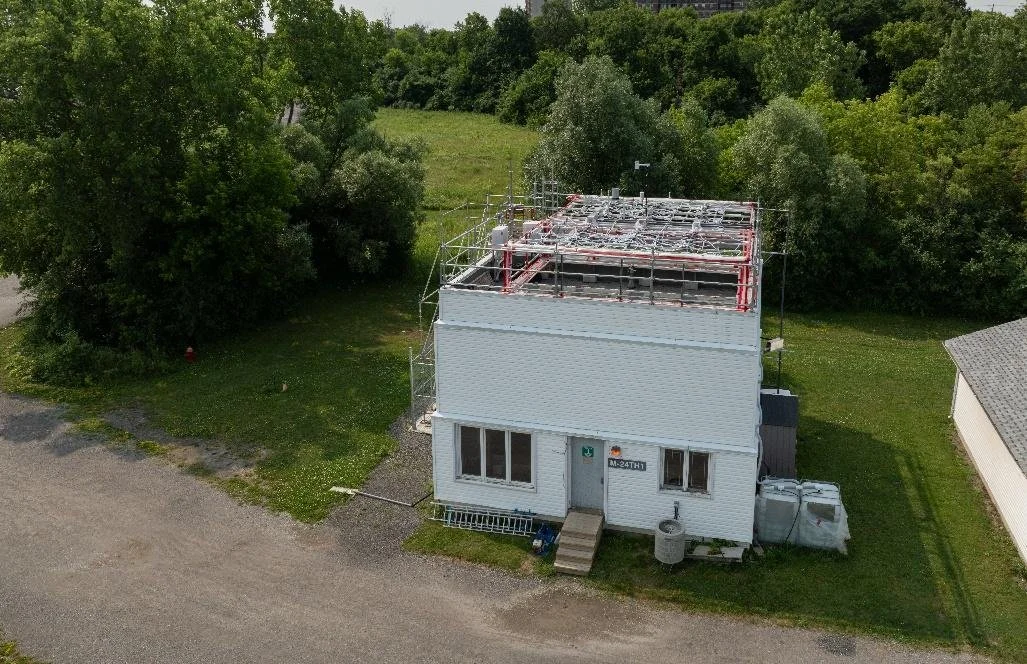
Figure 2: Field Rain Simulator (FRS)
The Dynamic Rain Simulator enables repeatable rainfall simulation on full-scale 8 ft × 12 ft roof assemblies under controlled laboratory conditions. It is developed to establish a standardized laboratory-based methodology for evaluating the hydrological performance of flood mitigation roof assemblies (FMRAs) under controlled and repeatable rainfall conditions. The system can reproduce rainfall intensities ranging from low-intensity storms to extreme events exceeding 100 mm rainfall depths. Importantly, the testing methodology also incorporates varying antecedent moisture conditions and back-to-back storm events to better simulate realistic urban hydrological conditions.
In contrast, the FRS was developed as a full-scale outdoor research and product optimization platform for the green roof industry. The facility enables side-by-side evaluation of different roof system configurations under both natural rainfall and artificially simulated storm events. Manufacturers and designers can directly compare retention and detention systems, substrate depths, drainage configurations, vegetation assemblies, and flow-control strategies under real climatic conditions. The FRS captures the influence of evapotranspiration, seasonal recovery, snow accumulation, snowmelt, drying cycles, and consecutive rainfall events. This allows industry partners to better understand long-term hydrological behaviour and optimize system designs for municipal stormwater requirements and climate resilience objectives.
Together, the DRS and FRS establish a national framework for standardized laboratory benchmarking, field validation, and performance-based engineering of rooftop nature-based flood mitigation systems.
Advertisement
Towards National Standardization and Climate Resilience
Active research and testing are currently underway through this research initiative, involving the evaluation of multiple retention- and detention-based roof system configurations under both laboratory-controlled and field-simulated rainfall conditions. The ongoing research is generating valuable hydrological performance data related to rainfall retention, runoff delay, peak flow attenuation, drainage behaviour, evapotranspiration recovery, and system response under consecutive and high-intensity storm events.
The significance of this research extends far beyond green roof technology alone.The NBS-CR initiative is helping establish the scientific foundation necessary to support:
future CSA and municipal performance standards;
evidence-based stormwater regulations;
climate-resilient building design; and
standardized hydrological verification methodologies for rooftop nature-based systems.
By developing quantifiable and repeatable testing methods, the project aims to bridge the gap between research, design practice, municipal policy, and code development.
Conclusion
Flood mitigation roof assemblies represent one of the most promising nature-based strategies for managing urban stormwater in Canadian cities. However, broader adoption requires more than policy ambition alone. One of the key lessons emerging from current research is that rooftop stormwater performance is highly dynamic and strongly influenced by rainfall intensity, antecedent moisture conditions, seasonal variability, evapotranspiration recovery, and system configuration. As a result, simplified or component-level evaluation methods are often insufficient to fully characterize the real hydrological behavior of rooftop flood mitigation systems under Canadian climatic conditions.
The NRC-led NBS-CR initiative is addressing this critical national gap by developing advanced rainfall simulation methodologies, system-level performance metrics, and standardized testing protocols for rooftop nature-based systems. Through collaborative research involving municipalities, academia, and industry, the project is laying the groundwork for future standards, improved municipal decision-making, and more resilient urban infrastructure.
Advertisement
Sudhakar Molleti, Ph.D., is a Senior Research Officer and Team Lead of the Building Envelope Systems and Insulation group at the National Research Council Canada. With over 20 years of experience, his research focuses on the wind, moisture, energy, and climate resilience performance of roofing and building envelope systems, including green roofs and photovoltaic roof assemblies. He has authored more than 70 technical publications and led the development of multiple ASTM and CSA standards. Sudha currently serves as Vice Chair of the ASTM D08 Committee on Roofing and Waterproofing and is an active contributor to CRCA and ULC technical committees. He is the recipient of the ASTM William C. Cullen Award and the CRCA Frank Ladner Award for his outstanding contributions to roofing research and standards development
Mirza Mohammed Abdul Basith Baig is a PhD candidate in the Department of Civil and Environmental Engineering at Carleton University, conducting research in collaboration with the National Research Council Canada (NRC) through the Nature-Based Solutions for Climate Resilience (NBS-CR) project. His research focuses on green infrastructure systems, particularly green, blue, and hybrid roof technologies for urban stormwater management and climate-resilient building design. His broader research experience includes low-impact development (LID) systems, hydrological modelling and simulation, life cycle assessment (LCA), along with solar photovoltaic (PV) design and integration in the built environment.