Green Walls: Green Infrastructure That Fights Climate Change
Advertisement
Introduction
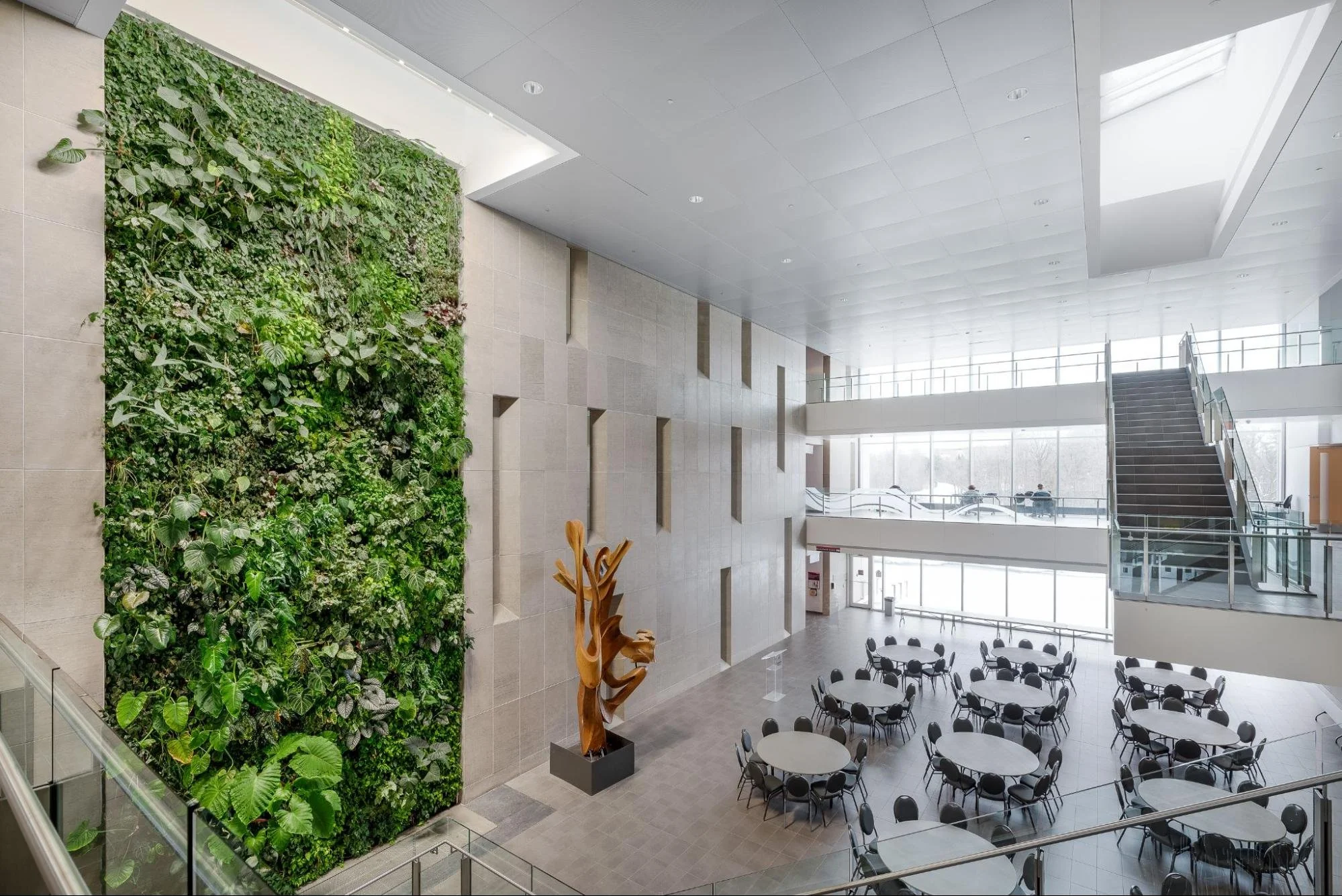
In the face of rising temperatures, intensified rainfall and declining biodiversity, urban environments are under pressure to adapt. Among nature-based solutions, living plant walls, (also known as green walls or vertical gardens), stand out as powerful and flexible tools that contribute directly to climate change adaptation and mitigation. Backed by data from dozens of scientific studies and climate-specific simulations, these systems offer quantifiable benefits for cooling urban spaces, reducing building energy use, supporting biodiversity, and managing stormwater. Here’s how living walls are transforming cities from concrete heat traps into thriving green infrastructure.
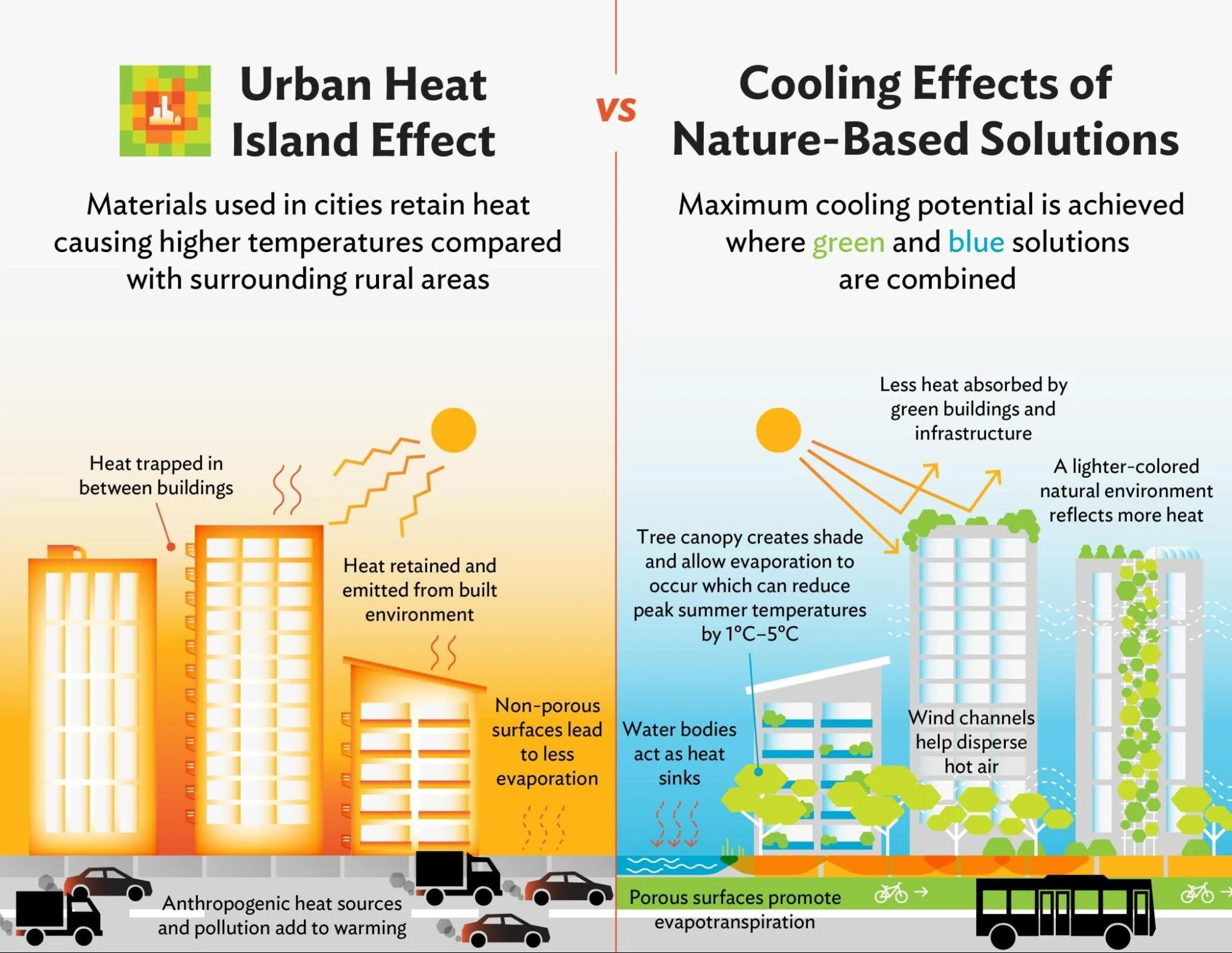
How green infrastructure can help cool urban areas reducing the urban heat island effect. Photo: Development Asia I Celina Garcia and Nathan Sarcia
Reducing the Urban Heat Island Effect
Cities experience significantly higher temperatures than surrounding rural areas—a phenomenon known as the Urban Heat Island (UHI) effect. This is largely due to impervious materials like concrete and asphalt that absorb and re-emit solar heat. In hot summers, this can make cities up to 8 °C warmer than nearby countryside.
Green walls help mitigate UHI through evapotranspiration, shading, and surface insulation.
According to a systematic literature review of over 647 case studies, green walls can reduce ambient air temperature by up to 8 °C (~15 ° F) in dense, high-rise urban environments, especially when installed on narrow street corridors. Through the use of Analytic Hierarchy Processes modeling it was also confirmed that increasing leaf area index (LAI) as measure of the density of vegetation coverage, from 1.5 to 3 on green walls improves UHI mitigation by up to 90 per cent, especially in Mediterranean cities. Optimal cooling performance was observed on buildings up to 20 meters tall, with increasing wall coverage and LAI directly improving cooling performance.
Advertisement
Saving Energy Through Building Envelope Insulation
Beyond outdoor comfort, green walls also reduce indoor energy demands by buffering buildings against temperature extremes. Reducing energy consumption can contribute to reducing associated greenhouse gas emissions resulting from energy generation.
Peer-reviewed studies show that green walls can result in:
Up to 50.6 per cent reduction in building cooling demand
Up to 16.5 per cent reduction in heating demand, depending on wall orientation, system type and climate zone
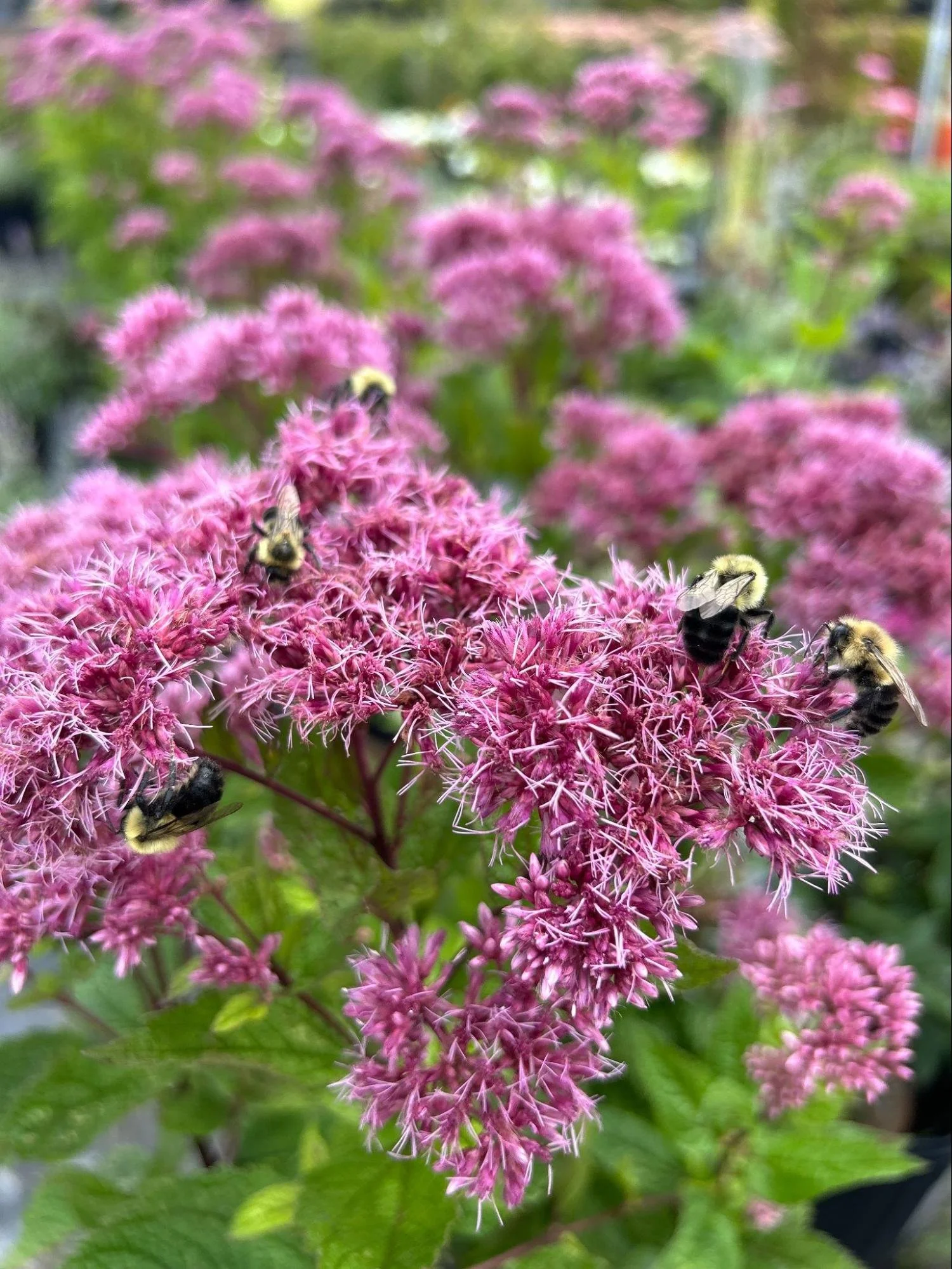
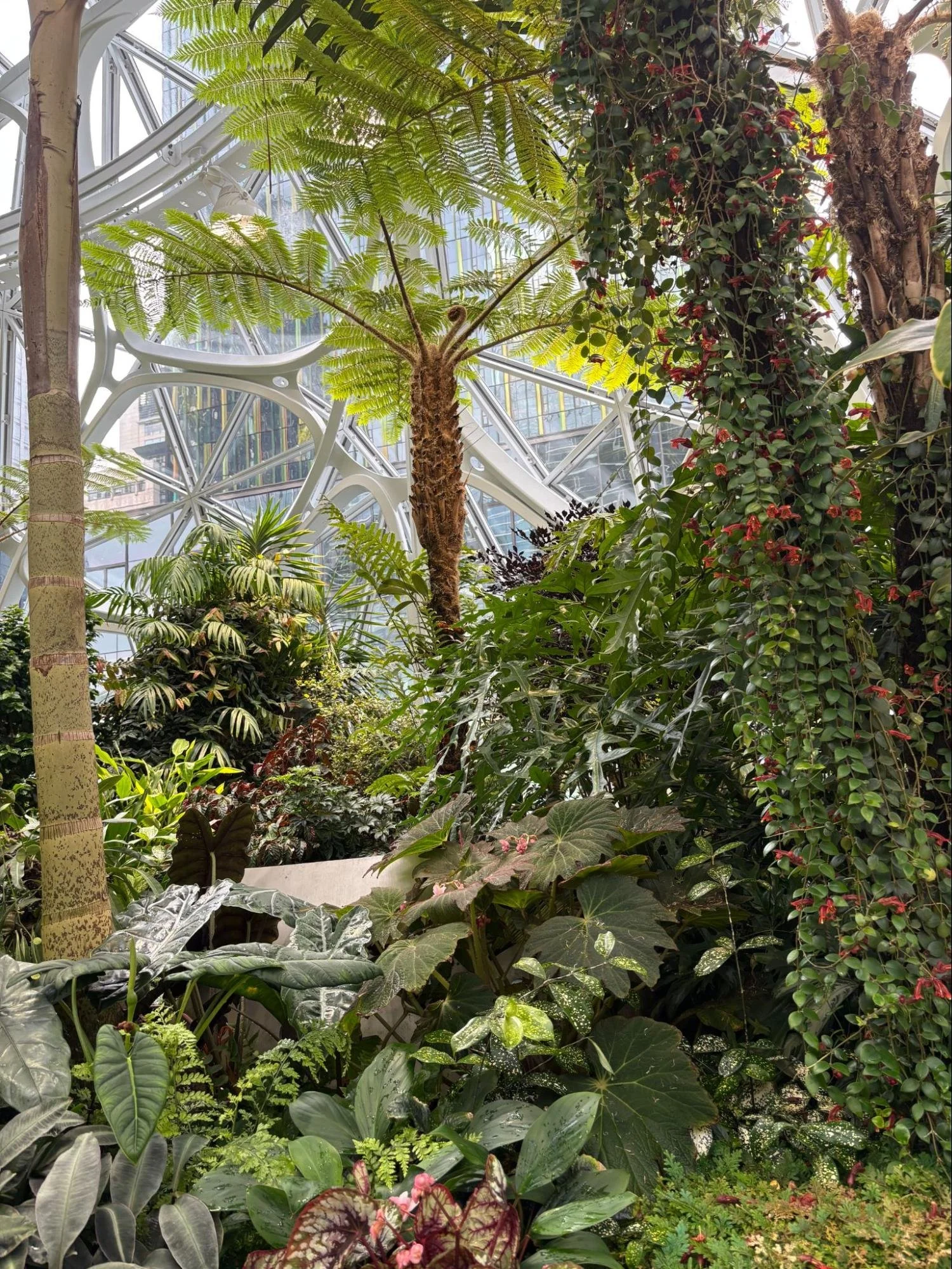
Plants attract pollinators such as bees, thus supporting biodiversity.
In Mediterranean climates (Csa), cooling energy reductions average 33.9 per cent, and temperature drops of up to 6 °C on building surfaces have been recorded during peak summer days. These energy savings can translate directly to fewer carbon emissions from electricity generation, and fewer operating costs, helping buildings meet climate resilience and performance goals.
Supporting Urban Biodiversity
Green walls offer more than temperature control—they can also provide critical habitats in vertical space, supporting urban biodiversity goals, especially in dense cities with little real estate for traditional ground based green space.
According to the Analytic Hierarchy Processes evaluation, vegetation coverage and LAI are the two most influential factors in determining the extent of biodiversity in green walls. These systems can:
Support pollinators like bees and butterflies;
Provide nesting and refuge for urban birds; and
Help developers meet the UK’s new Biodiversity Net Gain 10 per cent policy requirements
Green walls allow cities to host more species without sacrificing developable land, making them an ideal tool for biodiversity conservation in dense urban areas.
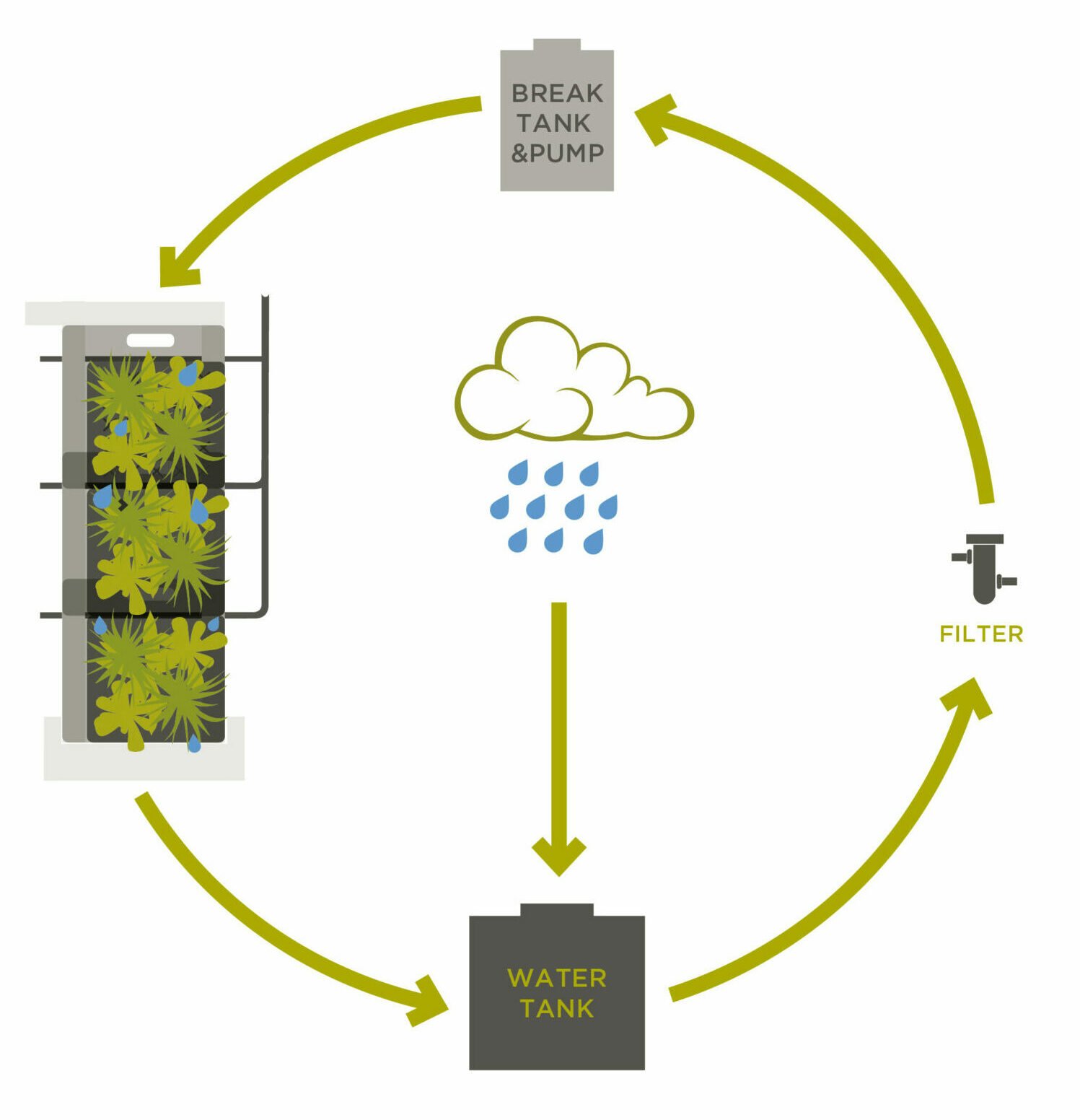
Water flow and storage diagram using rainwater for green walls. Photo: Sempergreen infographic
Stormwater Harvesting for Irrigation
In addition to cooling and habitat creation, green walls can be irrigated using harvested stormwater, providing a powerful climate adaptation strategy in cities facing combined sewer overflow (CSO) issues, or drought.
While most of the research emphasizes thermal and energy benefits, a 2020 review of green infrastructure strategies found that integrated systems combining green walls with sustainable drainage (like rainwater harvesting) offer both ecological and engineering benefits—reducing runoff volume, filtering pollutants, and recharging irrigation loops naturally.
In cities where rain events are increasing due to climate change, this dual-function infrastructure can help to reduce flood risks while avoiding drawing water from the municipal potable supply during periods of drought.
Advertisement
Enhancing Air Quality and Human Comfort
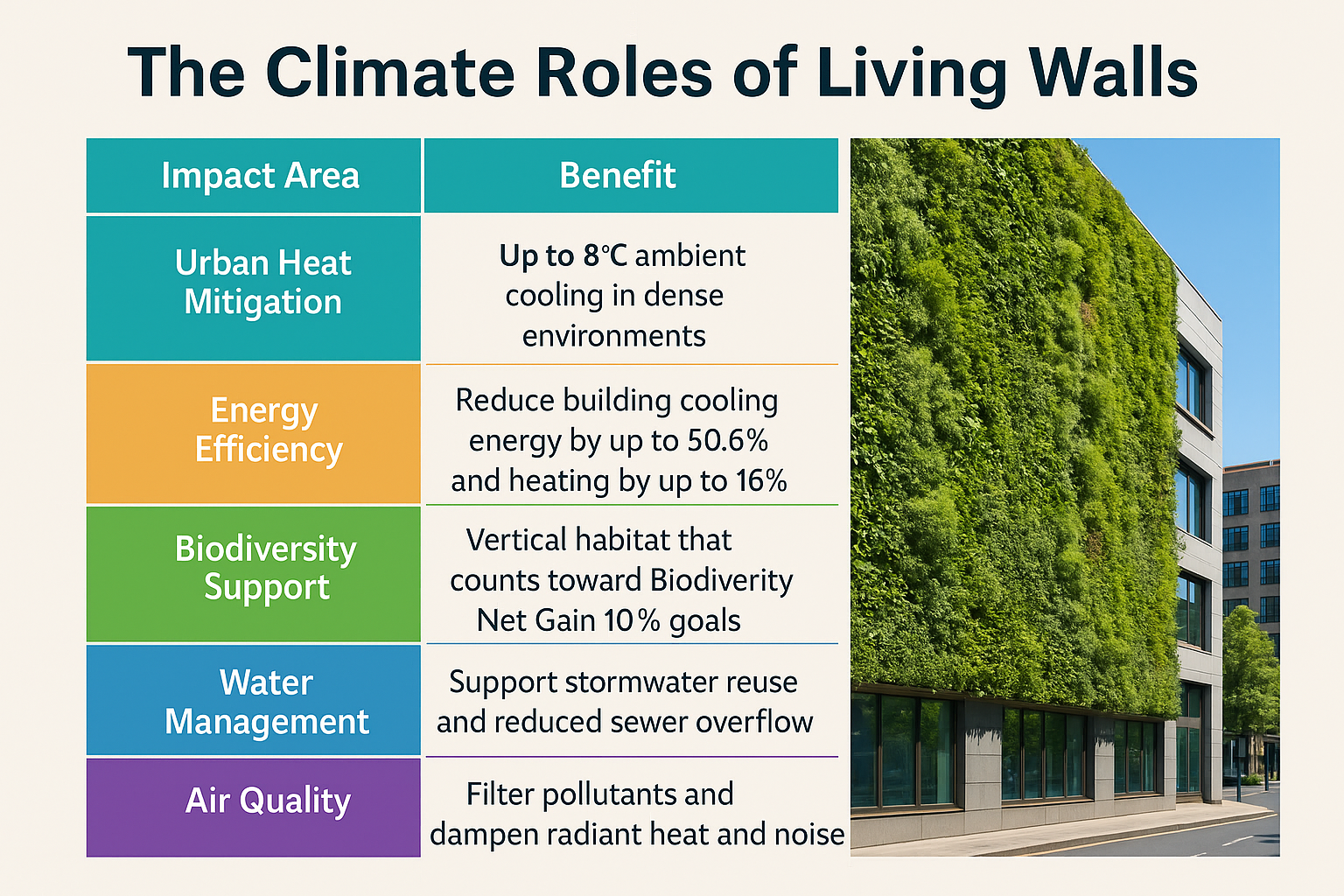
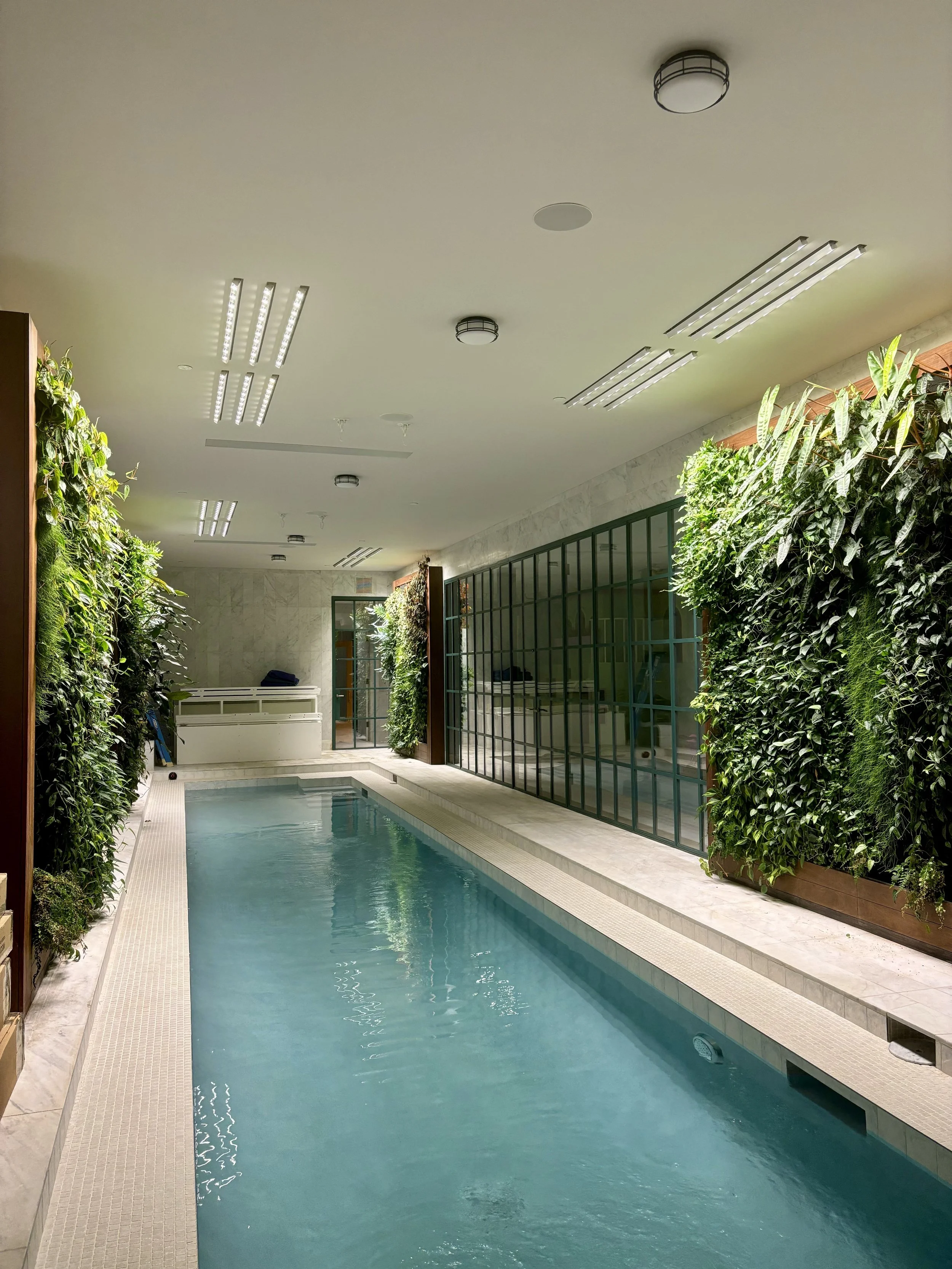
Photo: Lily Turner via Chat Gpt
Green walls are fantastic to look at and listen to. Green walls also:
Filter particulate matter and carbon dioxide;
Buffer wind and noise, while producing positive sounds; and
Reduce daily temperature fluctuations on facades
A study completed in 2022 noted that vegetation intercepts up to 90 per cent of solar radiation, depending on density, and that green walls provide both radiant heat blocking and latent cooling through evapotranspiration. Additionally, indoor comfort improves by up to 5 °C with well-designed living wall systems installed on sun-exposed facades.
Conclusion
In the face of accelerating climate impacts, we need to start thinking differently about how we build. Green walls offer more than aesthetic value—they’re practical, science-driven tools for cooling cities, conserving energy, restoring biodiversity, and managing water. Their flexibility makes them easy to integrate, even in dense urban areas. As we rethink our infrastructure for a hotter, wetter, more uncertain future, living walls should be seen not as optional upgrades—but as essential components of climate-resilient design. The sooner we treat them that way, the better equipped our cities will be to thrive.
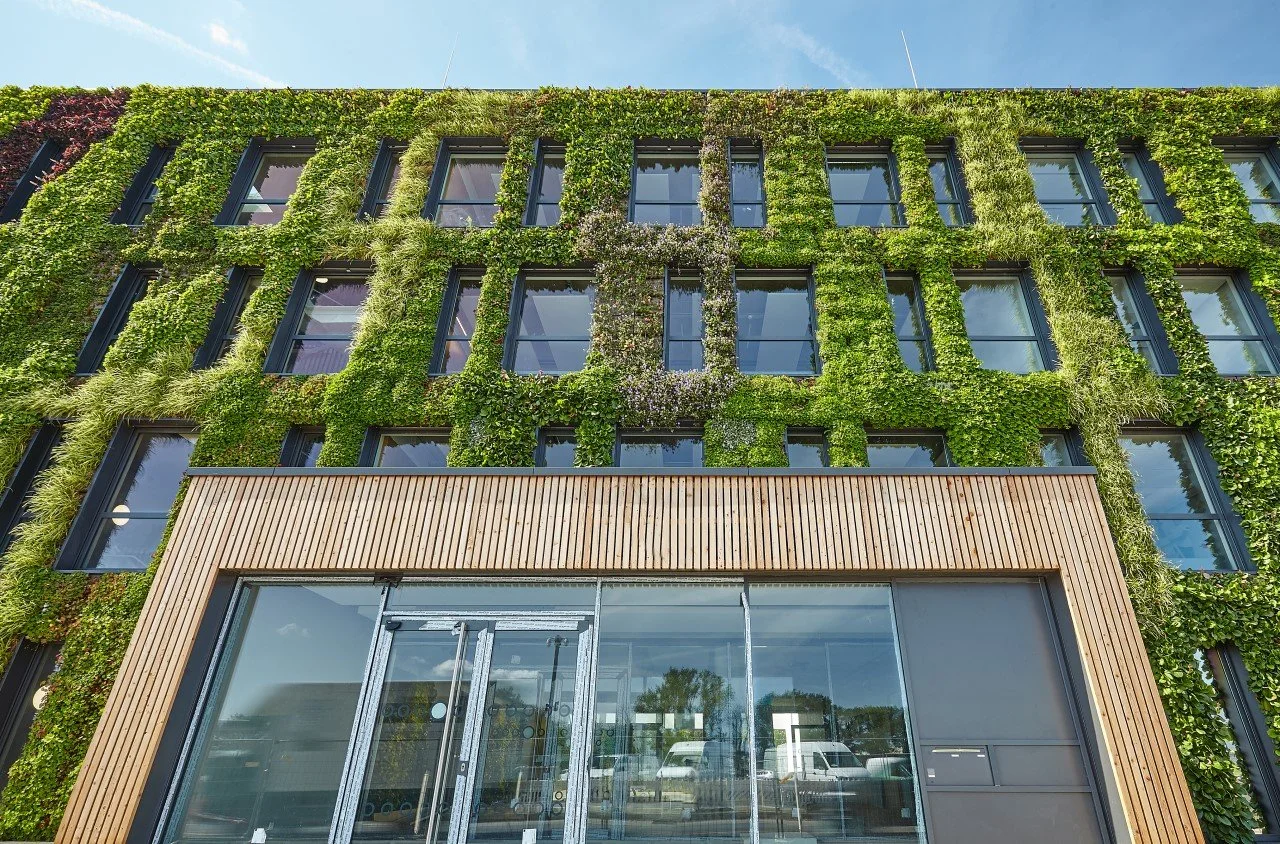
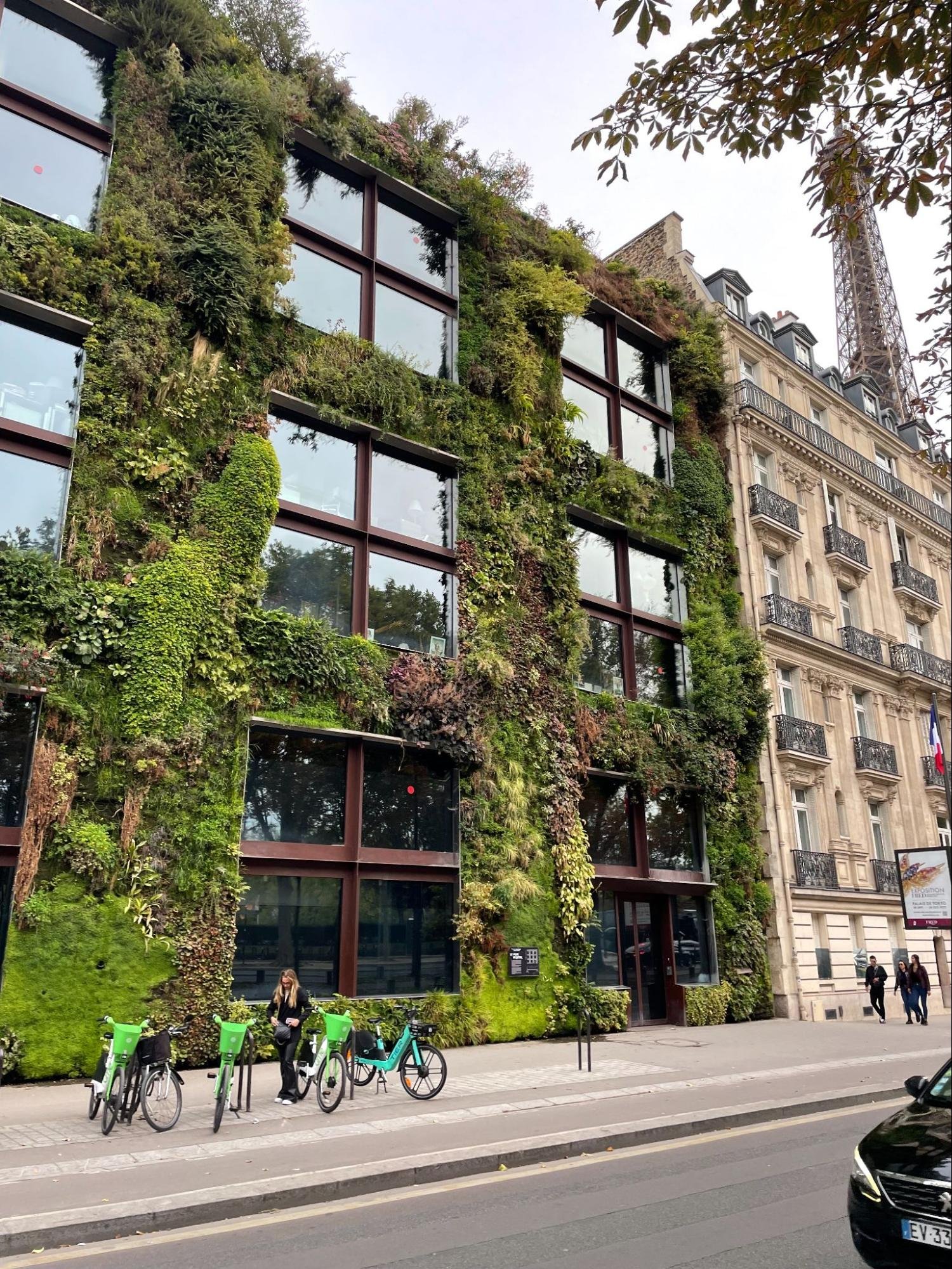
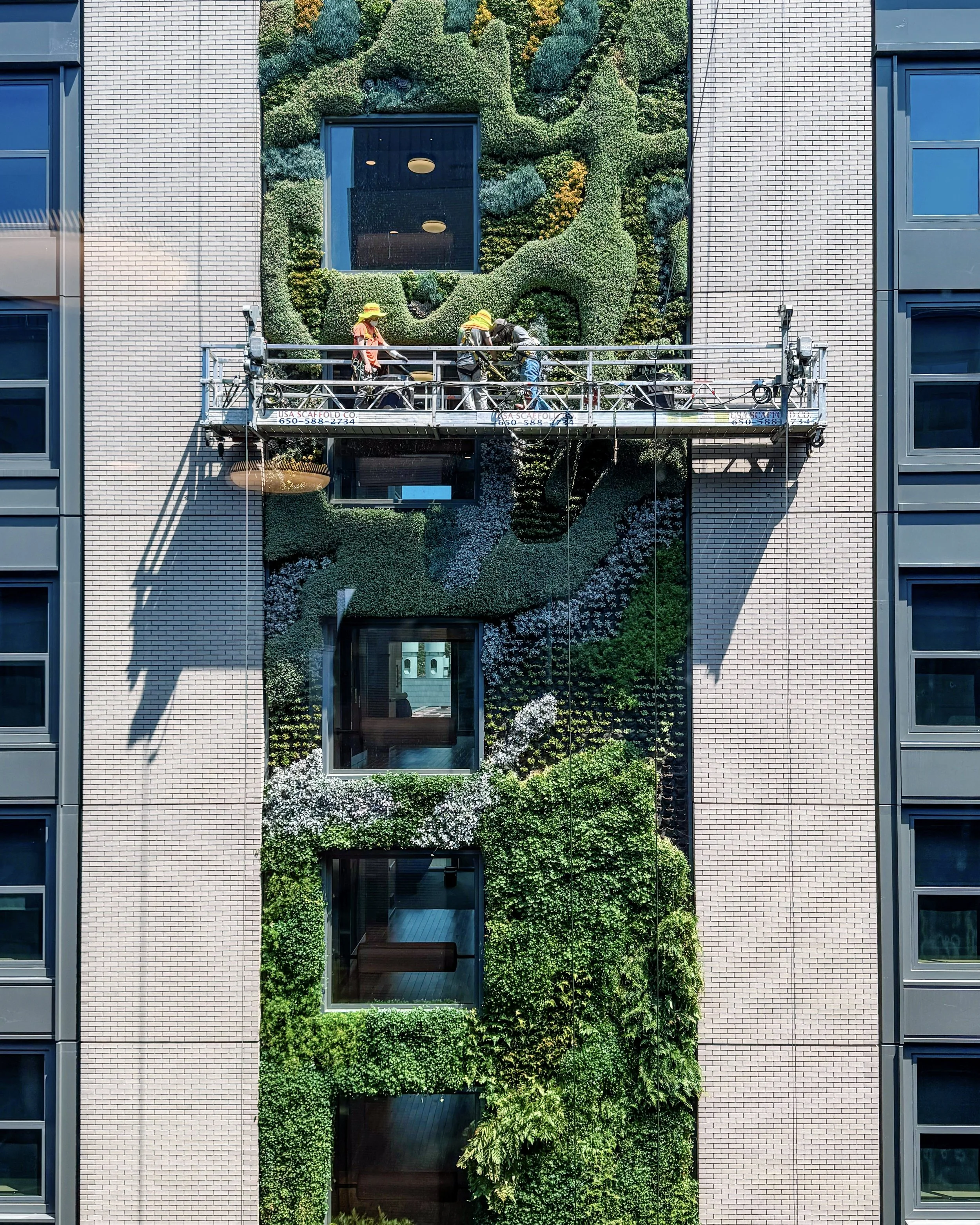
Left: Enni Headquarters in Moers, Germany. Project by SemperGreenwall. Right: A beautiful green wall completely covering the concrete of the building. Photo: Lily Turner, Urbanstrong
Advertisement
Lily Turner, WELL AP, Director of Green Walls at Urbanstrong, which specializes in green walls. Lily is chair of GRHC’s Green Wall Committee. Reach out to Lily Turner at lturner@urbanstrong.com.
References
Susca, T., Zanghirella, F., Colasuonno, L., & Del Fatto, V. Effect of Green Wall Installation on Urban Heat Island and Building Energy Use: A Climate-Informed Systematic Literature Review. Renewable and Sustainable Energy Reviews, vol. 159, 2022. https://doi.org/10.1016/j.rser.2022.112100
Iaria, J., & Susca, T. Analytic Hierarchy Processes (AHP) Evaluation of Green Roof- and Green Wall-Based UHI Mitigation Strategies via ENVI-met Simulations. Urban Climate, vol. 46, 2022. https://doi.org/10.1016/j.uclim.2022.101293
Balany, F., Ng, A. W. M., Muttil, N., & Muthukumaran, S. Green Infrastructure as an Urban Heat Island Mitigation Strategy—A Review. Water, vol. 12, no. 12, 2020. https://doi.org/10.3390/w12123577