UC Berkeley’s Enormous Green Walls at the New Helen Diller Anchor House
Advertisement
Introduction
When UC Berkeley opened the Helen Diller Anchor House in August 2024, it wasn’t just unveiling a new residence hall for transfer students. It was introducing a living exemplar of biophilic design—a bold architectural statement that weaves nature directly into the built environment. Central to achieving this are two monumental living walls, each stretching nearly 13 stories high. Together they transform the building’s central courtyard into a vertical garden of light, air, and greenery.

The two living walls are between an outdoor courtyard, allowing students to walk through a well designed biophilic space. Photo: Jason O’Rear
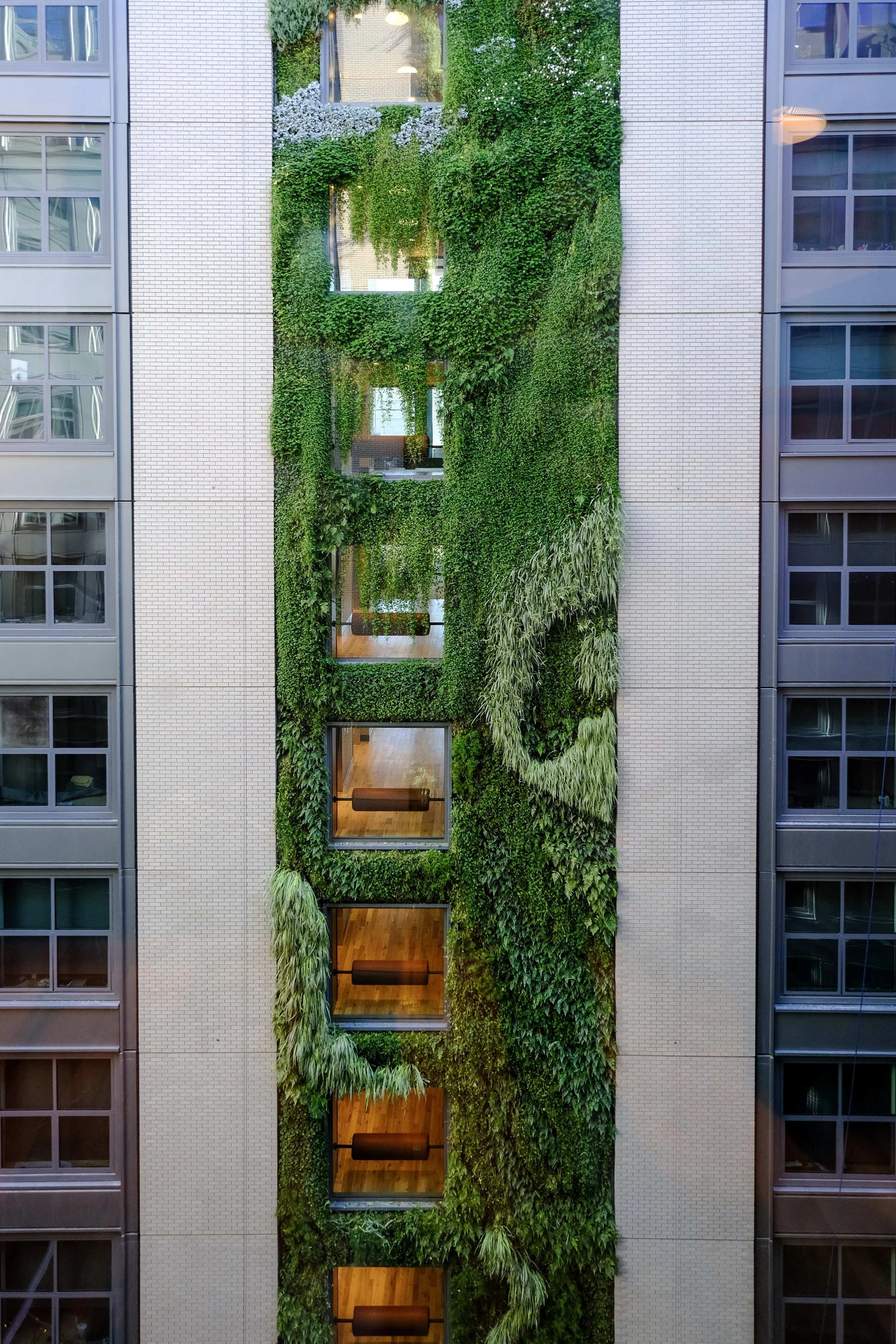
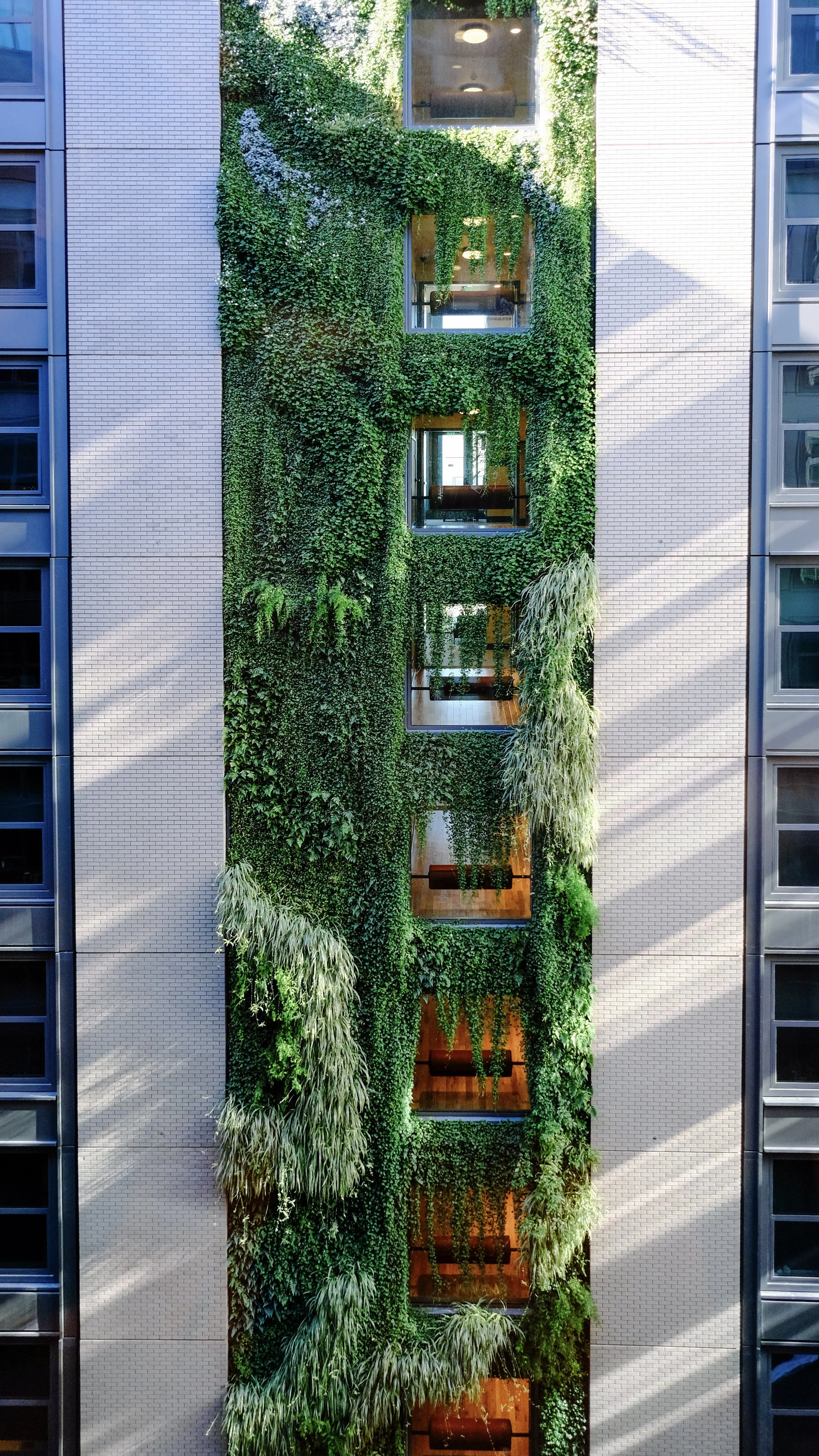
The Anchor House project represents a collaboration between Morris Adjmi Architects, Andrea Cochran Landscape Architecture and Habitat Horticulture, with living wall designer Mickey Mangan guiding the horticultural execution. Each living wall measures roughly 19 feet wide by 120 feet tall, creating an unbroken expanse of plant life that visually anchors the courtyard and gives residents a constant reminder of the natural world. Around 20,000 total plants find their home in this wall, split between 11 different species. Carefully considered planting schemes layer sun-loving species at the upper reaches with shade-tolerant plants below, ensuring ecological diversity while responding to the microclimates and varying levels of light available to the courtyard. This installation utilizes Habitat Horticulture’s GrowTex® system, which consists of two layers of non-woven geotextile made from recycled plastic water bottles and one layer of woven geotextile that’s highly moisture-retentive. Together they provide the optimum growing medium with an ideal ratio of moisture and air that does not degrade over time.
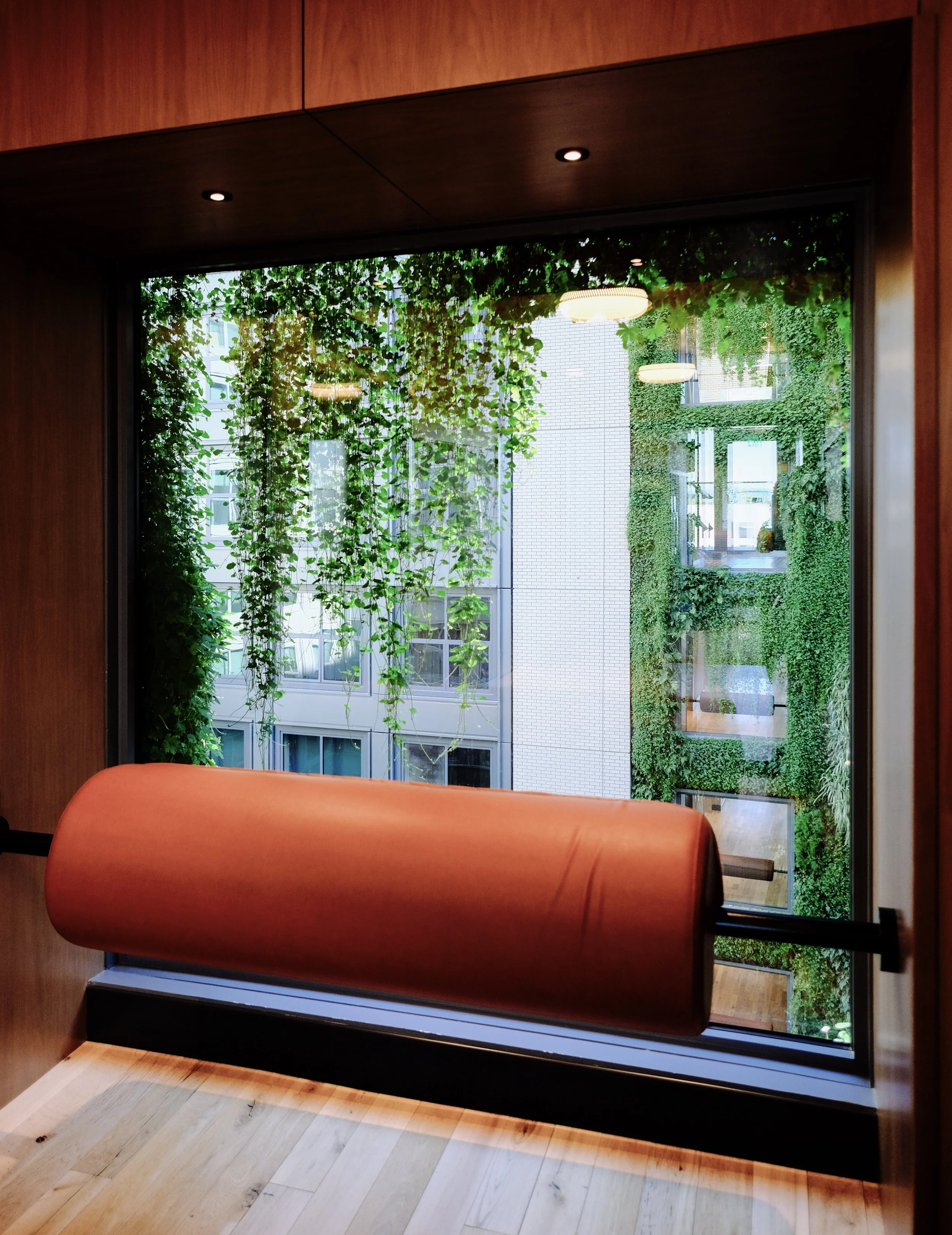
From the very beginning, the project team conceived Anchor House as a place where students could thrive—not just academically, but physically and emotionally. The biophilic design framework of Stephen R. Kellert, a renowned scholar and practitioner of biophilic design, is reflected throughout the project. In his work, The Practice of Biophilic Design (2015) Kellert emphasized the importance of nature as a fundamental human need which must be met on a daily basis. The living walls provide a direct experience of nature, offering students a multisensory encounter with greenery as they move through the courtyard or look out from their residence windows. Daylight floods the space through large operable windows, while fresh air circulates naturally, reinforcing circadian rhythms and enhancing comfort.
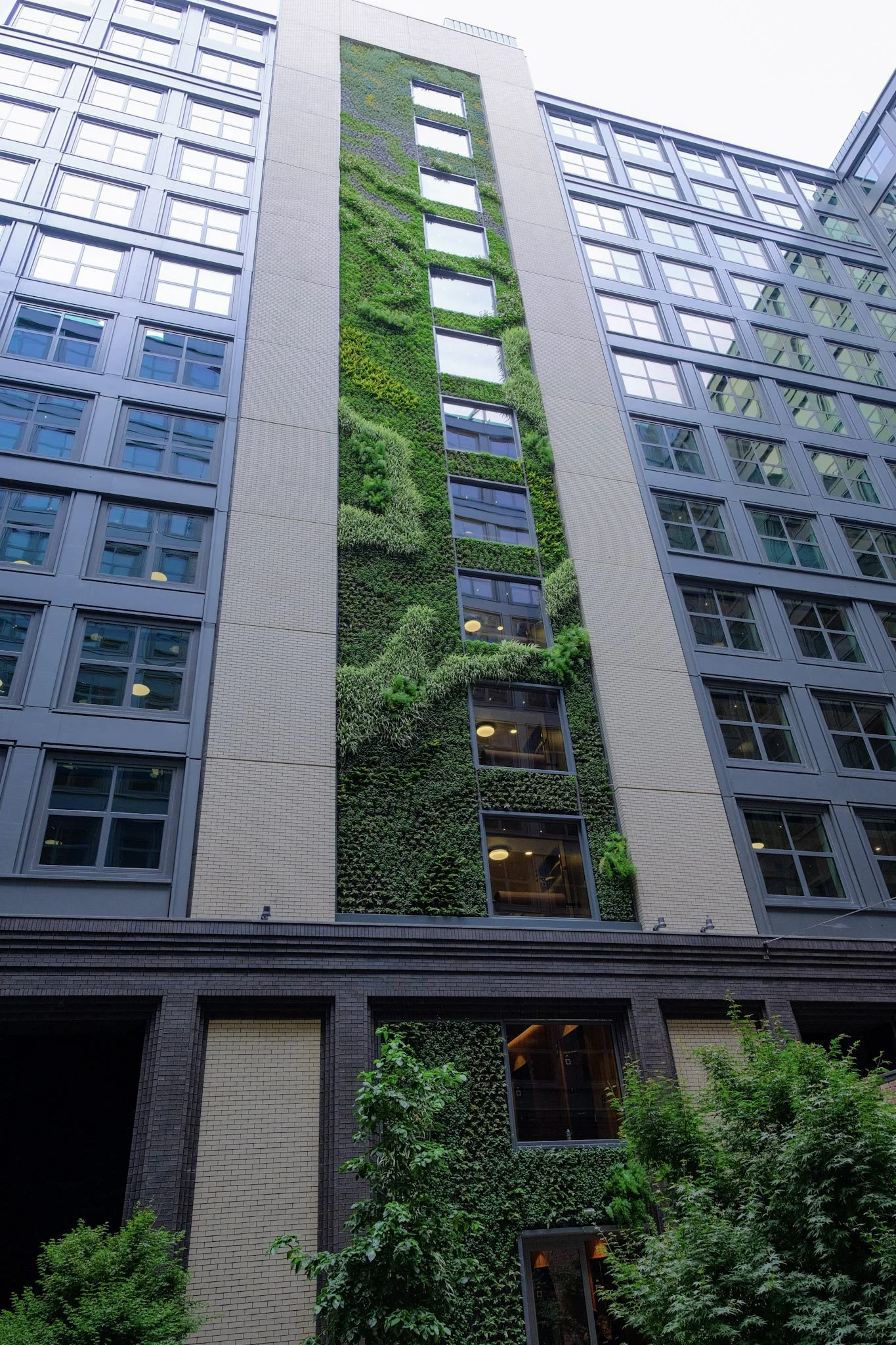
Each living wall measures 19 feet wide by 120 feet tall, and features over 20,000 plants. Photo: Lucas Floyd
Equally important is the spatial experience created by the courtyard itself. The soaring prospect of the vertical gardens is balanced by intimate “refuge” spaces tucked beneath staircases, such as the Hideaway lounge, where students can find moments of quiet reflection. The design language of the courtyard—layered brickwork salvaged from the site’s historic bus depot, warm wood finishes, patterned paving, and vegetation—creates what biophilic theorists call “organized complexity.” It is at once dynamic and composed, a setting that feels naturally evolving but deeply intentional.
Cultural resonance is also embedded in the design. By reusing the old depot’s brick arches, the project maintains a tangible link to Berkeley’s architectural history while introducing a forward-looking model of ecological stewardship. A student-run rooftop vegetable garden extends this ethos, connecting students to sustainable food systems while providing an additional layer of restorative green space.
Biophilic Design and Human Wellness
The health and wellness benefits of these design choices are multifaceted. Research consistently shows that views of greenery and access to natural light reduce stress, improve mental focus, and promote recovery from fatigue—critical for students adjusting to new academic and social environments. The courtyard’s living walls provide these benefits at an immersive scale, turning an everyday backdrop into a therapeutic presence. Physical well-being is also supported by the building’s generous amenities, including an 8,600-square-foot fitness center, outdoor terraces, and walkable gardens that encourage active lifestyles. Social health is equally prioritized: shared kitchens, lounges, and terraces all look onto the greenery, encouraging informal encounters and strengthening community bonds.
In environmental terms, the living walls contribute to better air quality, and the courtyard’s orientation and ventilation allow students to experience this benefit firsthand. Operable windows allow them to feel breezes drifting across the courtyard, hear the rustle of leaves, and see the constant play of daylight across the plants. These subtle cues root them in place and remind them that even in dense urban settings, nature can be present, restorative and beautiful.
Advertisement
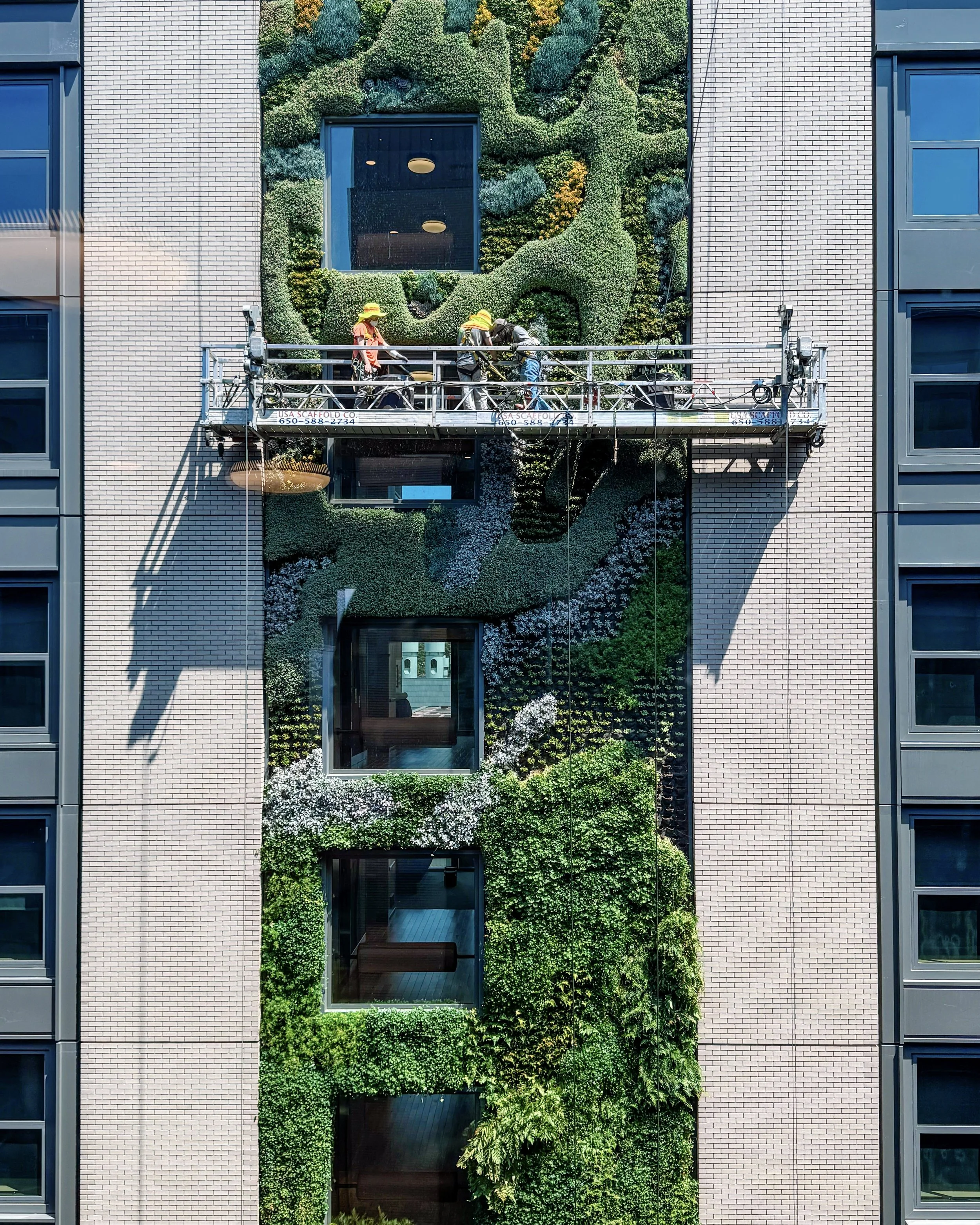
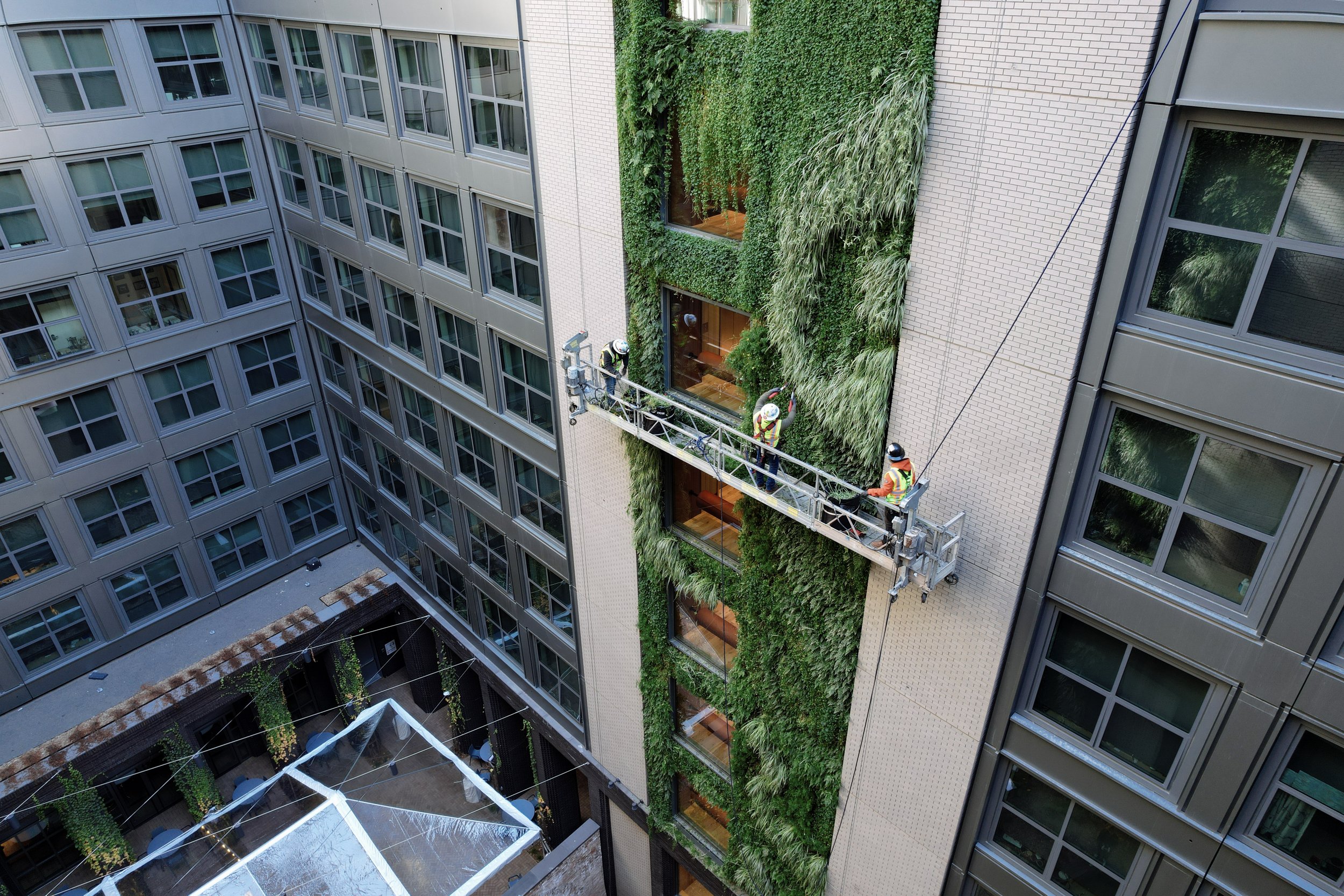
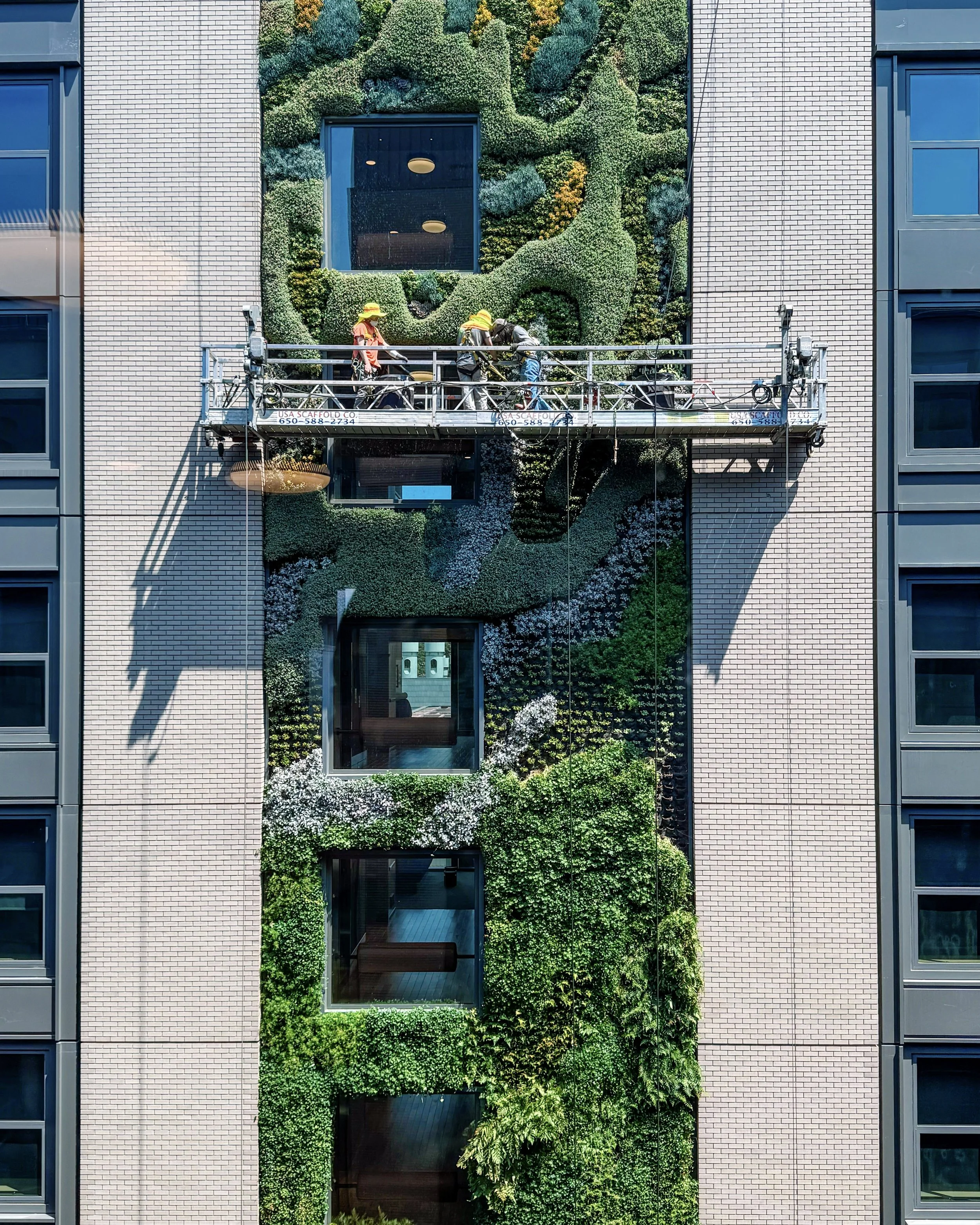
Quarterly maintenance occurring using the swing stage. Photo: Lucas Floyd
Maintenance
Maintaining the living walls at Anchor House requires careful planning and specialized techniques. A swing stage lowered from the roof gives technicians full access to the 13-story installation, allowing them to trim back overgrowth, remove dead foliage, and control pests with precision. This high-level service is performed quarterly, while biweekly visits via a ladder focus on the lower sections of the walls. These routines ensure the walls remain vibrant, the design intent stays clear, and the vertical ecosystem continues to thrive in peak health.
Student Reaction
One student on Reddit recently shared the following::
“I just walked into Anchor House the other day and it’s gorgeous. Everything is brand new, it’s literally across the street from campus. Much nicer than other housing facilities operated by the university and very cool for transfer students to build community—we’ve never had something like this before. ... I was so impressed.”
Conclusion
The Helen Diller Anchor House demonstrates how biophilic design can move beyond aesthetics to become a core driver of health and well-being. By making nature not a decorative afterthought but a structural element of student life, the project redefines what campus housing can offer. The living walls are daily companions, shaping the rhythms, moods, and experiences of those who call the building home. In doing so, Anchor House sets a powerful precedent for universities and urban housing alike: that a building can be both a place to live and a place to flourish.
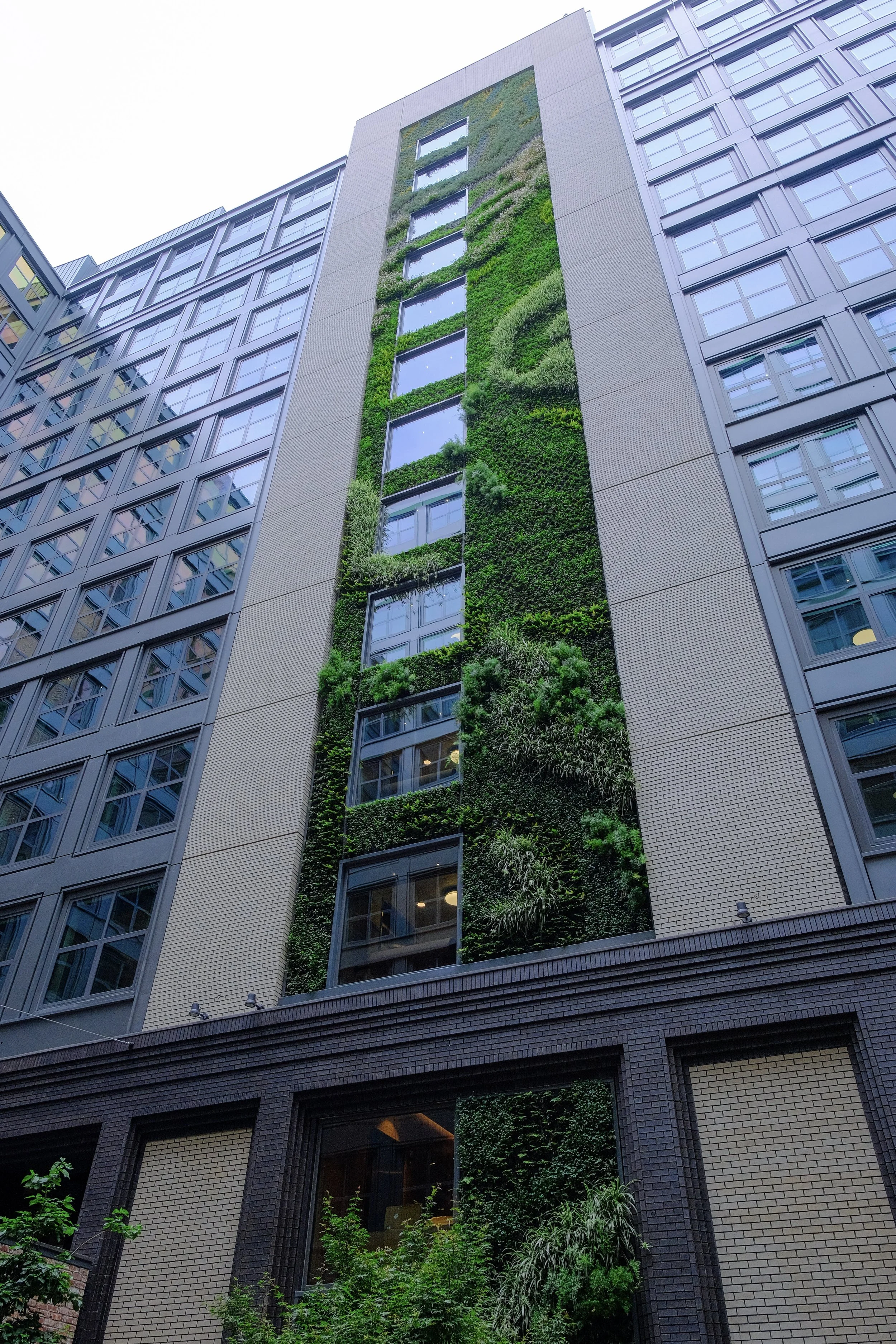
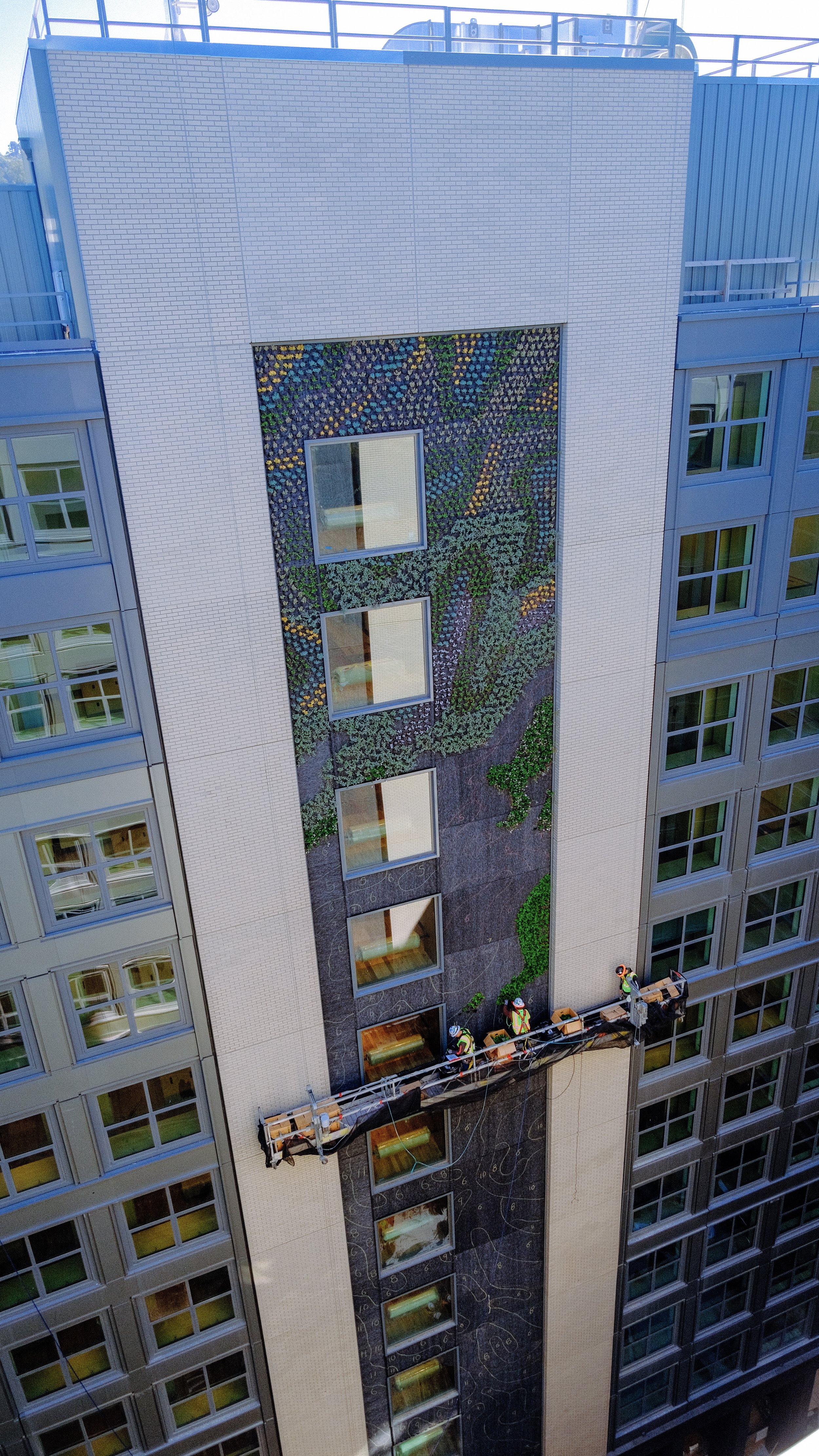
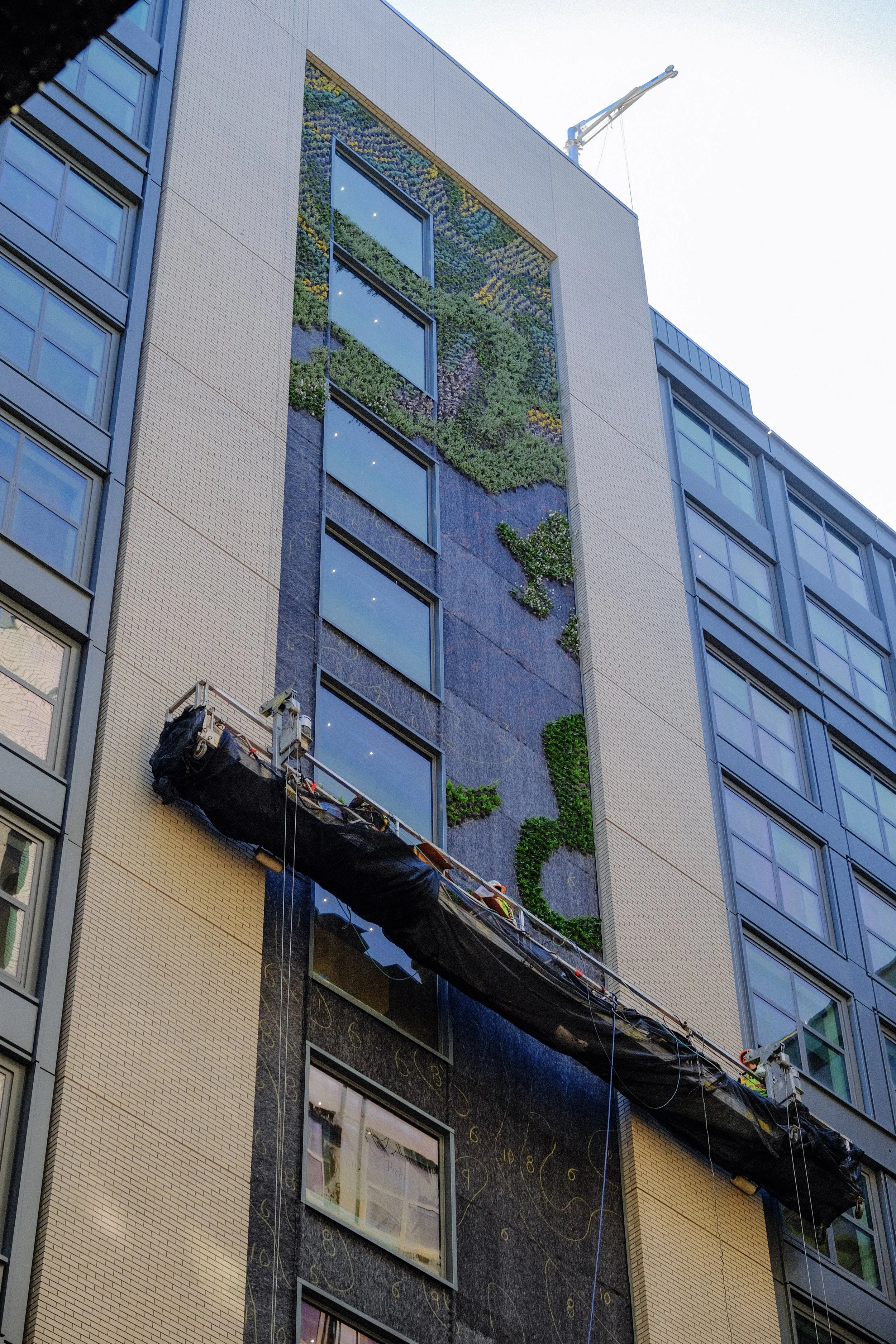
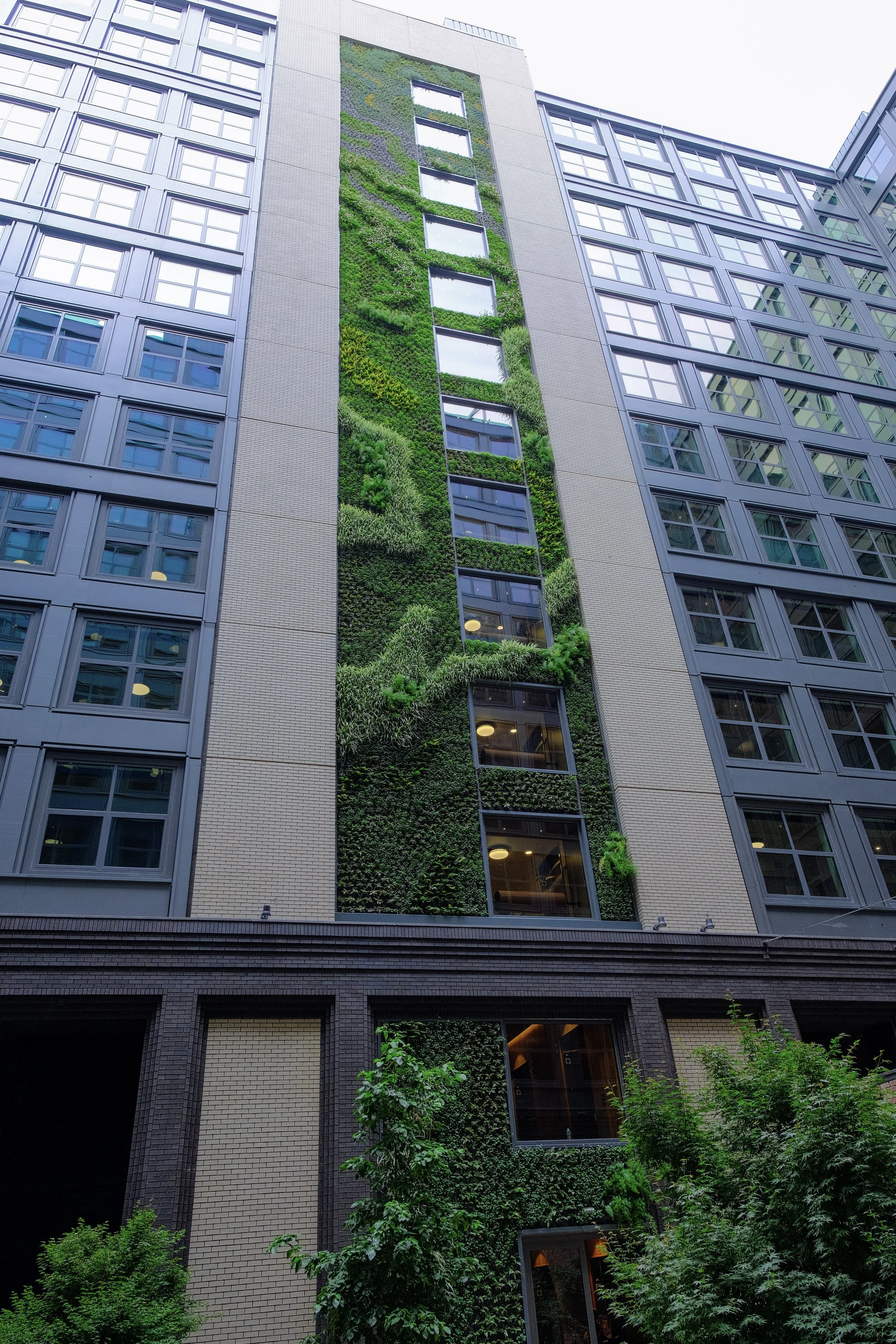
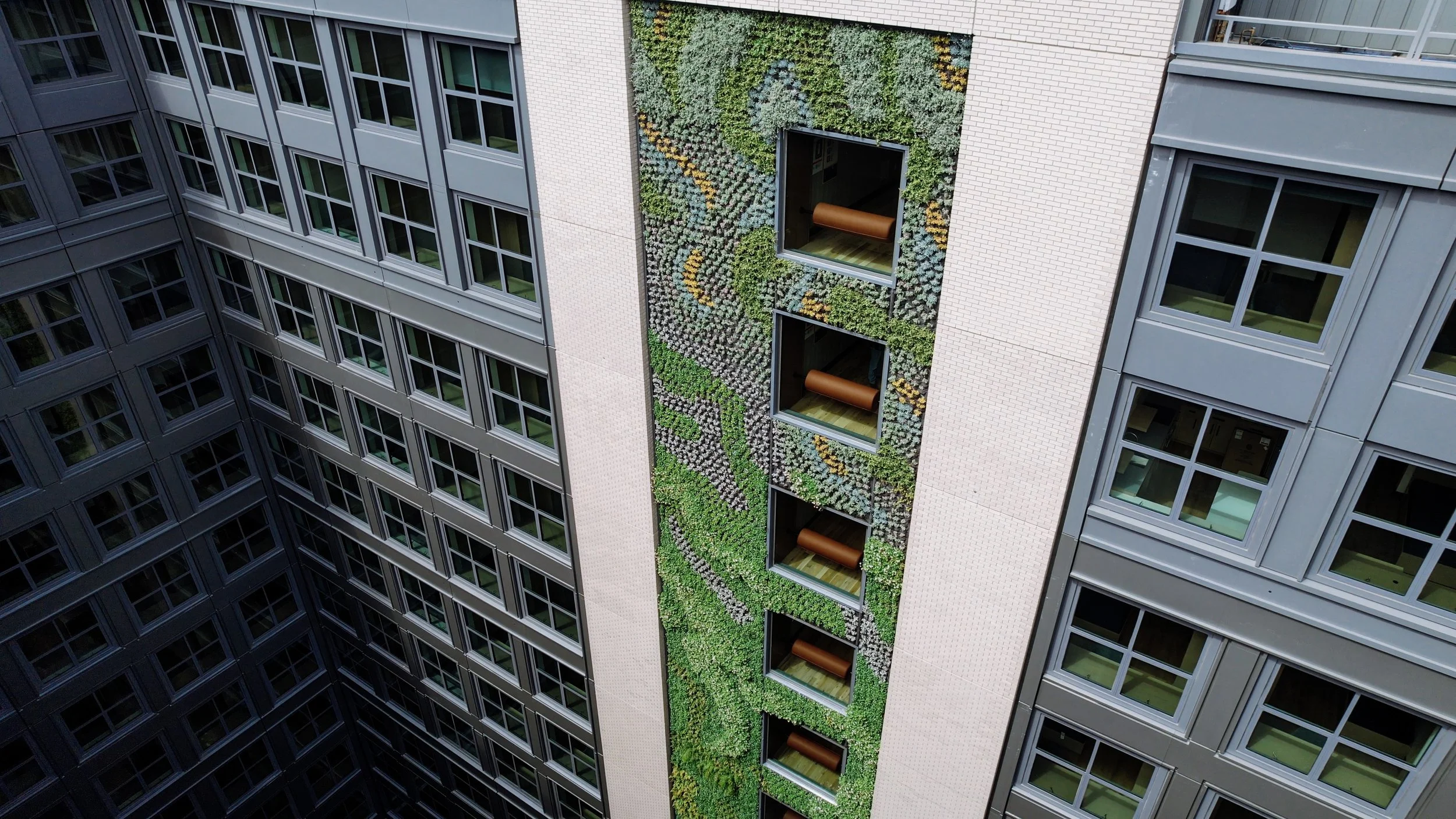
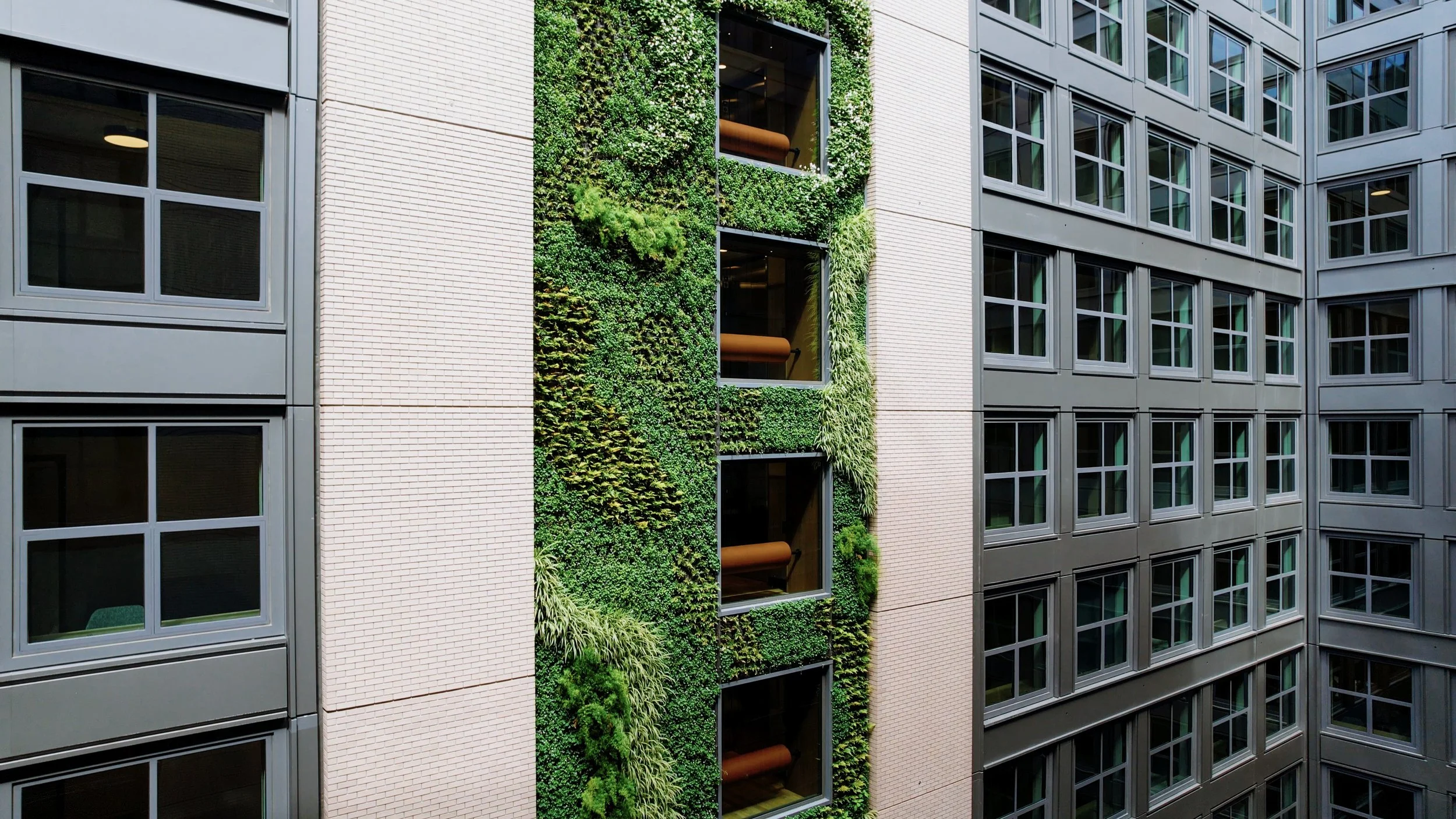
Photos: Lucas Floyd
Advertisement
About the Author
Lucas Floyd runs marketing at Habitat Horticulture. He’s passionate about showcasing how plants can transform spaces.
For more information, including a drone video tour, see here.
Link for photos: https://adobe.ly/3UNIFMz
The photographer is listed in the copyright info for each photo. Two of the images are Jason O’Rear, the rest are Lucas Floyd