Translating Biodiversity into an Increased Return on Investment for Developers and Property Owners
Advertisement
Introduction
Despite notions to the contrary, real estate developers and property owners can translate biodiversity into an increased return on investment (ROI) by following a clear, three-step strategic framework:

Chipmunk in garden. Photo by: Nick and Karen Landrun
Step 1: Preserve and enhance biodiversity
Step 2: Create opportunities for biodiversity-driven biophilia
Step 3: Harvest the intrinsic and extrinsic benefits of biophilia
Step 1: Preserve and Enhance Biodiversity
"Biodiversity" has three components: diversity of bio-habitats (fields, forests, marshes, ponds, etc.), diversity of species, and genetic diversity within the species. While most of us learned species were classes "of individuals having common attributes and designated by a common name" (Merriam-Webster), the standard biological classification of species is based on reproductive compatibility. Thus, all domestic breeds of dogs belong to one species, but there are over 17,500 species of butterflies worldwide.
Land development significantly reduces the biodiversity of land areas, creating monocultures of plants, extensive areas of non-productive hardscape, little habitat variability, few food and water sources, and significantly reduced opportunities for many species to survive. Conflicts with human activities further reduce site biodiversity.
Actions to preserve site biodiversity vary according to the human habitat being constructed (e.g., agricultural, industrial/commercial, residential, urban, suburban), but developers of residential and mixed-use communities can increase retained biodiversity, and the residents of existing communities can restore or amplify biodiversity by taking the steps outlined below.
Complete a McHargian analysis¹ of the ecosystem and significant habitats (on-site and nearby).
Inventory wildlife use of the site across all seasons.
Implement water availability strategies for drinking water and aquatic habitat (supporting frog choruses).
Construct specialized wildlife corridors tailored for birds, pollinators, reptiles, amphibians, and mammals.
Create appropriate wildlife crossings to minimize fragmentation.
Require lighting strategies dedicated to night-time darkness and dark-sky protection.
Specify mandatory bird-safety windows along corridors and open park spaces.
Regulate the use of poisons and chemical applications.
Design for and regulate pets within natural sensitive areas.
Remove and prohibit invasive plants throughout the development.
Require predominantly native vegetation across landscape designs.
Manage natural decay by retaining safe snags, fallen logs, and leaf litter.
Foster living soil and living water where balanced natural ecology maintains soil fertility and clean water systems.
Of the three aspects of biodiversity—diversity of species, diversity of bio-habitats, and genetic diversity—humans typically respond most strongly to the diversity of species. People may find ten house sparrows or ten yellow-tailed butterflies pleasant, but they extract significantly more joy from the presence of ten distinct species of birds or butterflies interacting across the landscape. Species diversity is a biophilic attribute.
Advertisement
Step 2: Create Opportunities for Biodiversity-Driven Biophilia
People may enjoy seeing a herd of zebras on a savanna, but get more excited about seeing lions, giraffes, zebras, and hippos sharing the same space. A simple sedum-covered roof does not inspire the same positive response as a complex, ecologically diverse green roof. This joy, and sometimes awe, in the diversity of plants and animals is a biophilic response.² "Biophilia" is defined as the innate love of life and the living world—a built-in human tendency to seek connections with nature, animals, and plants.
Biophilia embraces all of nature, from the sounds of a waterfall and the warmth of natural sunlight to the feel of raw wood.³ Studies show that biophilic encounters profoundly improve human physical, mental, and spiritual well-being by reducing physiological stress, enhancing cognitive function, and accelerating physical healing.⁴ These encounters can also inspire deep personal joy and awe.⁵
Biodiversity contributes directly to human health in multiple ways: providing clean air and water, supporting nutritional security, supplying foundational materials for modern and traditional medicines, regulating the human immune system, lowering blood pressure, reducing anxiety, and elevating baseline moods.⁶ Developers and Home Owners Associations (HOAs) can cultivate meaningful opportunities for biodiversity-driven biophilia through the initiatives outlined below.
Develop the "Biophilic Story" for the community, describing local ecology and defining how nature is integrated, protected, and accessed.
Create "fourth places"⁷ and programs as dedicated neighborhood nature nodes and social spaces.
Implement educational programming for contractors, builders, and residents regarding the local ecology they share.
Integrate community and personal technology via citizen-science platforms (e.g., Merlin, iNaturalist).
Design and support programs with dedicated internal coordinators and qualified external ecological personnel.
Foster an enduring culture of curiosity, community engagement, and environmental stewardship.
These natural elements transform residential neighborhoods by providing continuous multi-sensory stimulation, structural landscape depth, and shared green spaces that serve as permanent, high-value community infrastructure.
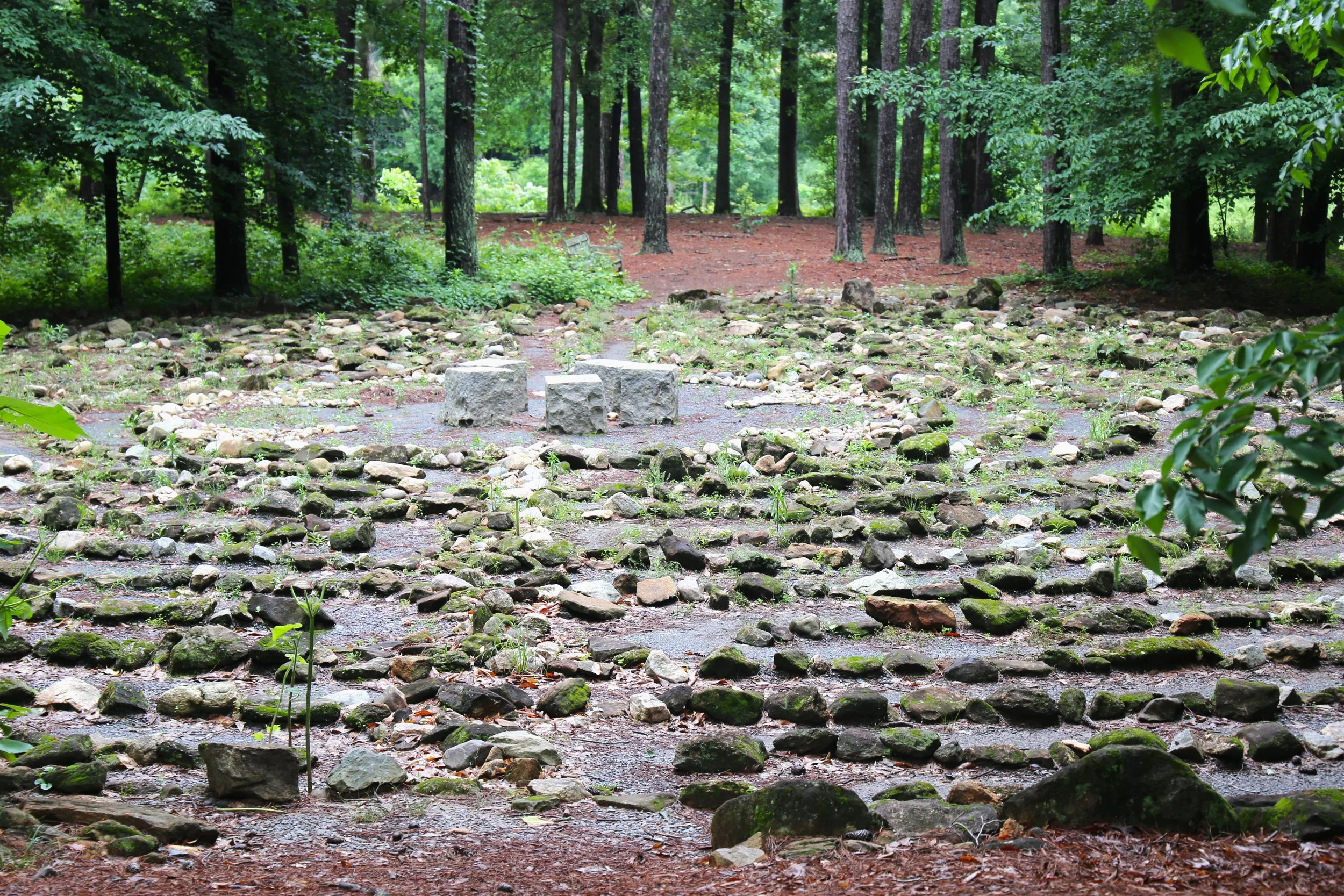
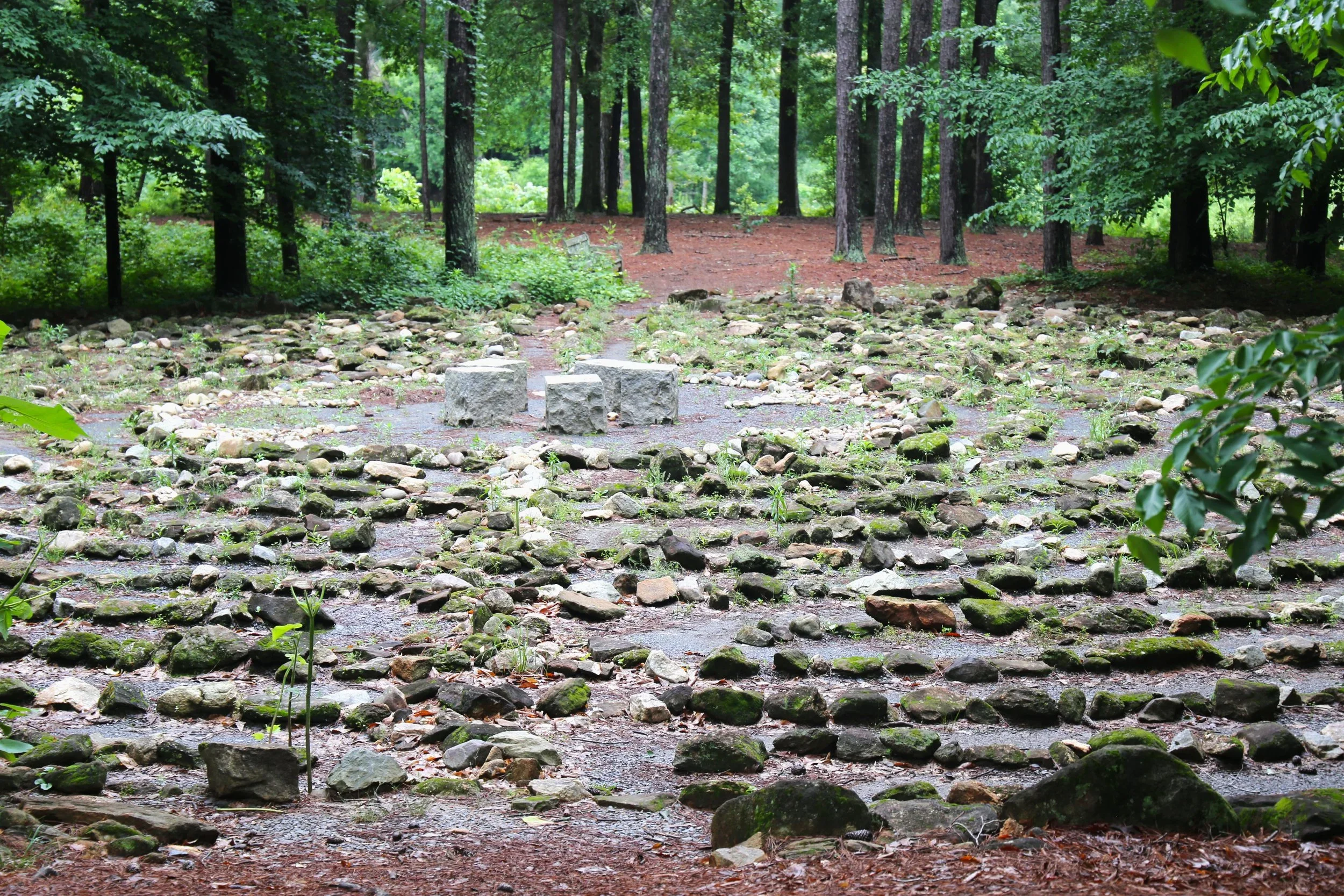
Labyrinth in the woods at Serenbe, Georgia. Photo: Dan Slone
Step 3: Harvest the Intrinsic and Extrinsic Benefits of Biophilia
The operational adjustments executed in the previous phases will generate measurable returns for two distinct sectors of development performance. The community experiences a major amplification of human capital and social cohesion, while property assets see sharp spikes in market demand and structural cost efficiency.
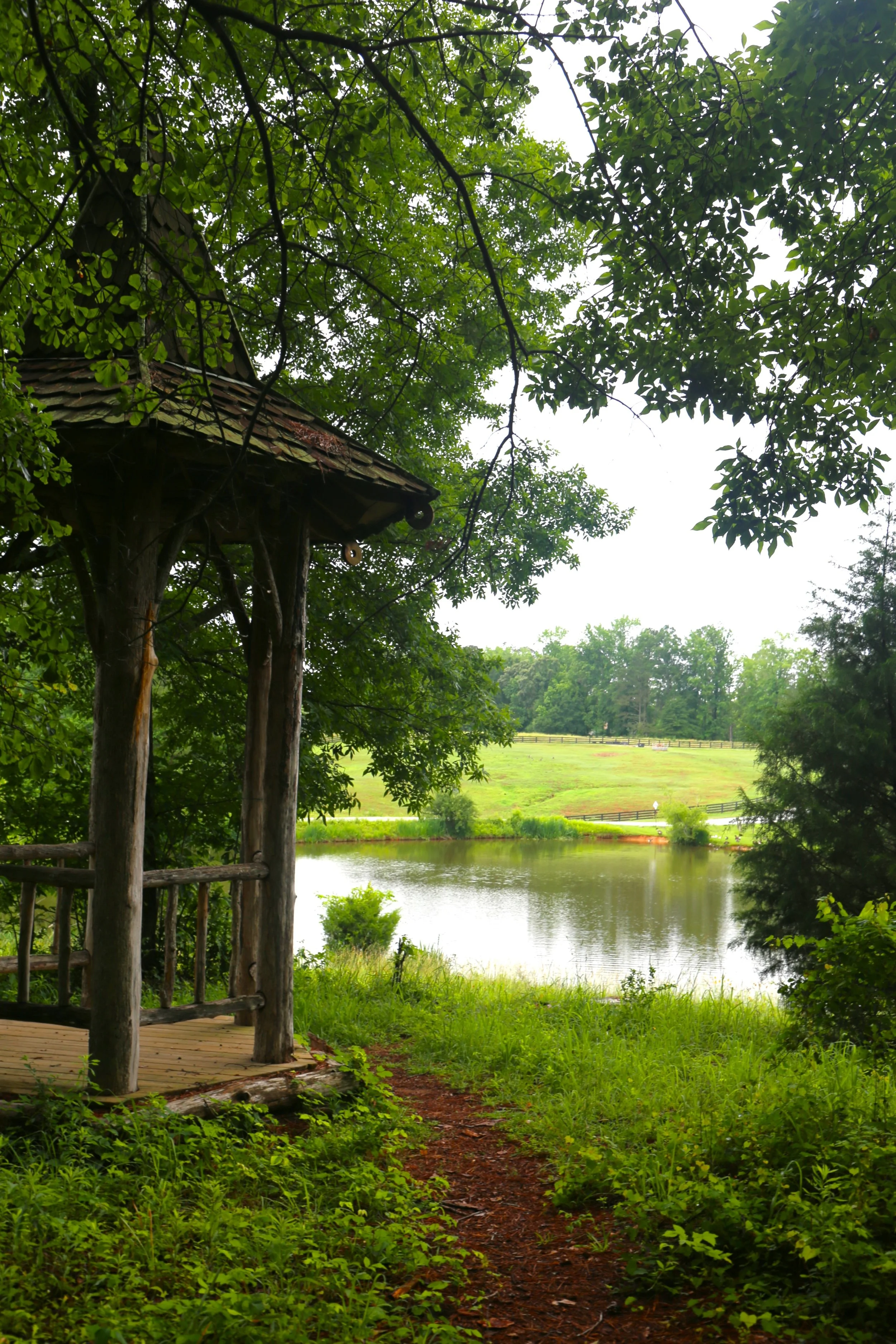
Refuge by the pond at Serenbe, Georgia. Photo: Dan Slone
Just as the physical layout of a community functions as its "hardware" and the governing covenants and rules act as its "software," the intrinsic benefits outlined below represent the distinguishing "heartware" of the neighborhood.
Community Heartware (Intrinsic Benefits)
Enhanced physical health and lowered baseline risks of chronic disease.
Improved mental and emotional well-being, including restored cognitive focus and lower stress.
Heightened creative function and an elevated sense of personal safety.
Active nature play and rich, wildlife engagement opportunities for all age groups.
Intact acoustic soundscapes and preserved, dark night skies.
Abundant presence of native fauna, including fireflies, butterflies, songbirds, and amphibians.
Pet-friendly environments with shaded, walkable destinations that encourage human interaction.
Spiritual engagement, wonder, and everyday access to moments of deep awe.
Stronger neighborhood socialization, civic trust, and long-term attachment to place.
Biophilic design generates an immediate, measurable financial return on the capital expenditures required to conserve local habitats and fund biophilic programming.
By translating natural amenities into tangible real estate performance indicators, project managers and investors can capture concrete market advantages across the entire lifecycle of the community.
Advertisement
Return on Investment (Extrinsic Benefits)
Expedited permitting and regulatory goodwill, reducing market entry friction for zoning and discretionary approvals.
Earned positive publicity and strong brand differentiation.
Substantial asset appreciation and sustained sales price premiums.
Higher long-term place attachment, creating a built-in repeat buyer pipeline as residents transition between life stages.
Amplified, organic word-of-mouth marketing that significantly reduces customer acquisition costs.
Decreased operational expenditures for municipal infrastructure, stormwater handling, and landscape maintenance.
Higher amenity satisfaction achieved at lower upfront capital expenditure compared to conventional facilities.
Stabilized property values with resilient downstream resale performance.
Passive neighborhood security generated through activated public spaces and natural "eyes on the street."
Monetizing the Ecological Advantage
While biophilic design creates these advantages naturally, relatively few developers—and almost no HOAs—fully understand how to harvest them.
For example, many large-scale real estate developments take advantage of zoning laws that enable them to cluster housing and achieve higher density if they protect significant areas of open space. Sometimes they utilize this open space as agricultural areas or recreational areas, essentially more conventional human habitats. But some, such as Serenbe, outside of Atlanta, Georgia, not only utilize a portion of the area for organic farming but also provide multiple social experiences in the forests and meadows they have retained. These include a 96-foot outdoor walking meditation labyrinth and seating for small groups to look out over the pond or the meadow.
Similarly, one HOA discovered that simply encouraging people to "go out and experience nature" was not enough to generate active involvement. They developed sky-gazing parties, community sports events along their trails, organic dinners under the trees, and dog-friendly events. They found that when people did things they already loved in the settings the community had preserved, the participants became interested in their surroundings and more protective of the surrounding ecology.
Advertisement
There are many ways the ROI on these sorts of communities increases.
Most large-scale developers understand the commercial value of entering a market with an impeccable reputation.⁸ Improving biodiversity retention benefits not only the proposed community but also the surrounding municipality. Embedding biodiversity within the project's master narrative connects the physical build to the core values of modern buyers, lowering market resistance and streamlining municipal reviews. Carrying through on these commitments builds regulatory goodwill, mitigates community opposition, and lowers carrying costs while generating valuable, earned media.
"Fourth place" nature nodes not only demonstrate a developer's environmental commitments, but they also foster genuine community interaction. Homebuyers consistently pay a premium for properties that cultivate an authentic sense of belonging.⁹ When residents discover and follow the stories of local wildlife through neighborhood education and citizen-science apps, their attachment to the land deepens.
The nocturnal chorus of a restored wetland, the seasonal return of lightning bugs, and unobstructed views of starry night skies establish a distinct sense of place. Residents become attuned to the seasons and local circadian rhythms. This deep connection significantly boosts retention, encouraging homeowners to upsize or downsize within the same development rather than moving away—simplifying sales pipelines across product lines.
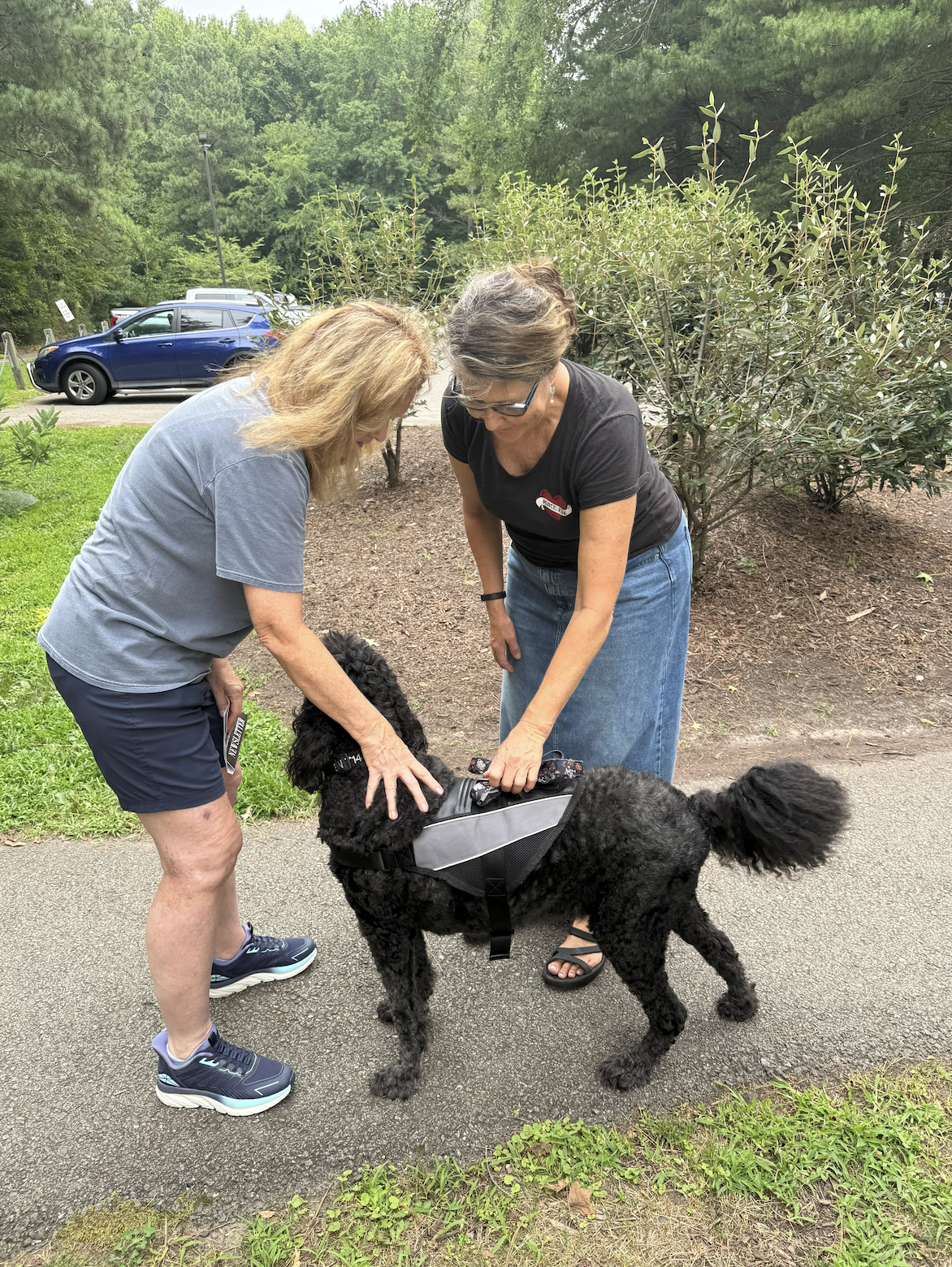
Dogs facilitate human socializing on a fourth place trail. Photo: Dan Slone
When residents fall in love with their surroundings, word-of-mouth advocacy brings organic buyer referrals, drastically lowering marketing budgets. Ecologically responsive design also reduces ongoing operations: "living soils" lower stormwater management infrastructure costs, while native meadow plantings eliminate recurring mowing, fertilization, and chemical treatments.
Native landscapes require minimal maintenance, and calibrated dark-sky lighting reduces utility overhead. Natural play spaces and protected conservation corridors routinely cost less to construct and maintain than structured amenities like golf courses or formal clubhouses, while delivering equal or superior market distinction.¹⁰ Developers have long recognized that properties fronting open green space or natural waterways command substantial price premiums that ripple throughout the entire community.¹¹
Finally, thoughtfully routed multi-use trails activate public spaces across all hours of the day. This sustained presence creates natural "eyes on the street," providing an exceptionally effective, passive neighborhood security network without the recurring expense of private security patrols.¹²
Conclusion
Biodiversity-driven biophilia delivers a clear, triple-bottom-line win for communities, developers, and property owner associations alike. Master developers should integrate these ecological frameworks from initial site planning, while existing HOAs can retrofit their common grounds to unlock latent ecological, social, and economic value for their residents.
Advertisement
Dan Slone is an author, TEDx speaker, avid storyteller, and veteran New Urban Real Estate lawyer. CV & Legal Practice: www.verticalvision.legal. Books & Stories: www.danielkslone.com. Initiatives (Under Construction): www.makingroomforwildlife.com
References
McHargian Analysis: Based on Ian McHarg's Design With Nature, a graphic overlay method considering Earth's natural and human systems to identify preferred locations for land and water activities. ou.edu/class/webstudy/fehler/E3/go/introduction.html.
Edward O. Wilson, Biophilia (Cambridge: Harvard University Press, 1984), 1–5.
Terrapin Bright Green, 14 Patterns of Biophilic Design: Improving Health and Well-Being in the Built Environment (New York: Terrapin Bright Green LLC, 2014), 12–18.
Danielle Buttke et al., "The Human Health Benefits of Nature and Biodiversity," Park Science 31, no. 1 (2014): 32–37, nps.gov.
Science Advances, "Biodiversity and Human Well-Being: Testing the Behavioral Pathways," Science Advances 6, no. 12 (2020): eaba2578, science.org.
Timothy Beatley, "Greening Cities in an Urbanizing Age: The Human Health Bases in the Nineteenth and Early Twenty-First Centuries," Living Architecture Monitor 14, no. 2 (2017): 22–26.
Fourth Places: Spaces where people socialize within a natural context. Designed to highlight biophilic elements while supporting shared community experiences (expanding upon Ray Oldenburg's classic "third places" in The Great Good Place).
Pristine Properties, "The Importance of Strong Foundations: Why the Reputation of a Real Estate Developer Matters," Pristine Insights (blog), March 14, 2024, pristinepune.com.
Urban Land Institute, Serenbe Community Case Study: High-Density Development in a Forested Ecosystem (Washington, DC: Urban Land Institute, 2021), 8–12, uli.org.
Natural Playgrounds, "What Does a Natural Playground Cost? Capital Expenditures vs. Long-Term Maintenance Operations," Natural Playgrounds Blog, May 8, 2022, naturalplaygrounds.com.
Sarah Fletcher and James Harrison, "The Urban Green Premium: Distributed Spatial Asset Valuation Using Hedonic Pricing Models," Landscape and Urban Planning 192, no. 4 (2019): 103–114.
Jane Jacobs, The Death and Life of Great American Cities (New York: Random House, 1961), 35–42.