Are Green Walls and Potted Plants Good for Improving Indoor Air Quality? Yes, and No!
Advertisement
Introduction
With all the misinformation out there, it is hard to tell what is right and what is wrong these days. Marketing professionals have a remarkable way of presenting facts when it comes to enhancing air quality in homes and businesses. After COVID, there have been thousands of new ideas and products and each is pitching theirs as the best solution. Yet, without better government indoor air quality standards, they can get away with saying almost anything.
The best standard is the Clean Air Delivery Rate (CADR) which is a figure of merit that is based on the cubic feet per minute (CFM) of air that has had all the particles of a given size removed. Unfortunately, CADR only tests for the removal of a specific amount of smoke, pollen and dust in a 1,008 square foot closed room. It does not cover important contaminants such as chemicals, bacteria, viruses and odours. In the real world and in any given space, air pollution is always changing - it is never a static situation. Although there is a great deal of misinformation swirling around the health benefits of indoor plants in soil or other mediums, there are now solutions that address all the issues, have all the needed features required to have clean air and a healthy indoor space.

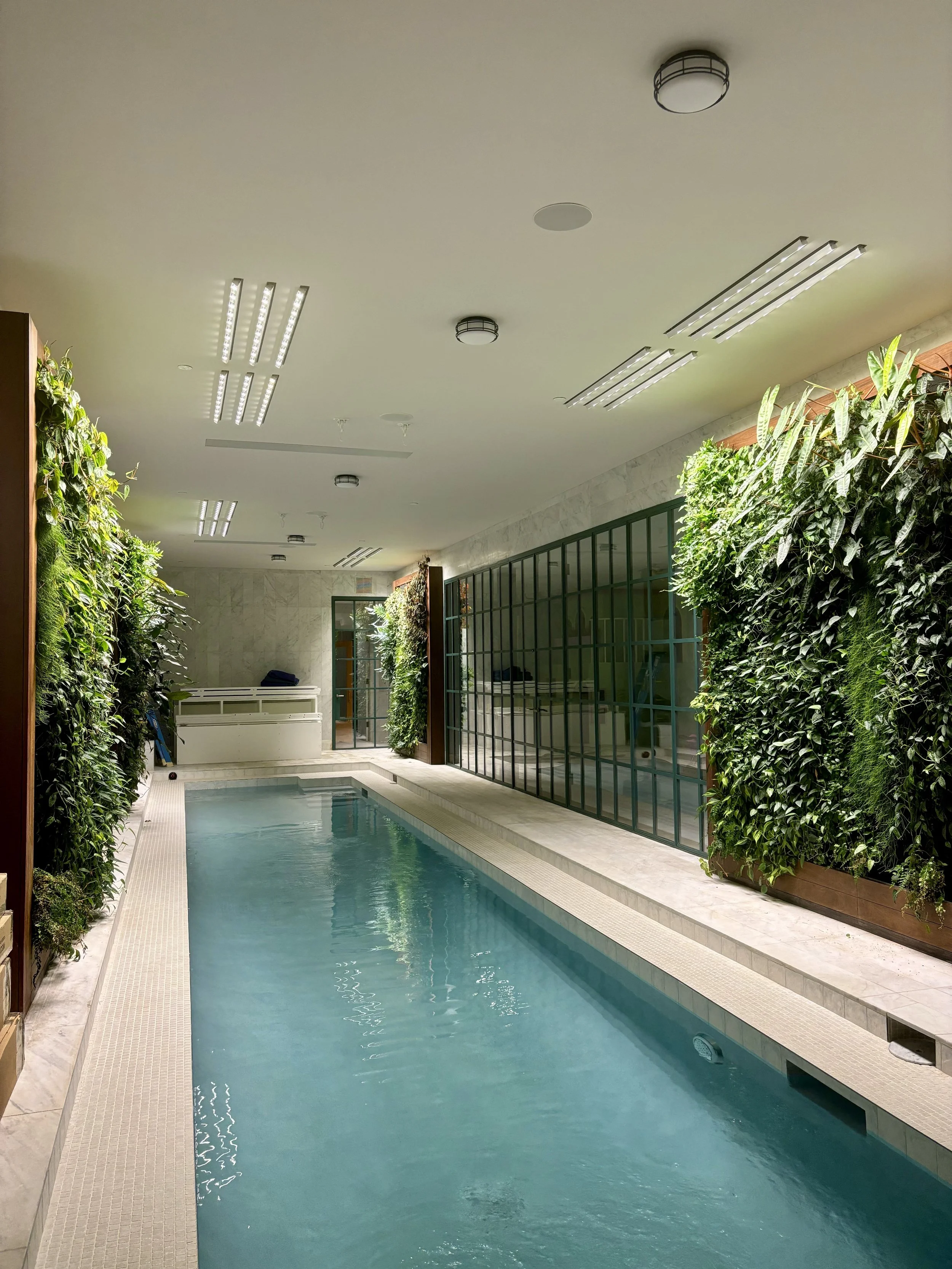
Green wall air quality benefits can be significantly increased by using special plants designed to remove VOCs. Photo: Ginkgo Sustainability
Indoor Plant Limitations
The health significance of plants for humans in indoor spaces was mainly connected with the positive psychological effects, the possible removal of volatile organic compounds (VOCs) and the expectations for improved indoor air quality [7]. In addition, the appearance of indoor plants can significantly improve people's perceptions of a space's humidity and their individual well-being [4]. However, there are some concerns regarding the release of fungal/bacterial components from potting soils the plants are in [1]. Bacteria and fungi will grow on building materials if moisture is readily available, and plants release moisture through evapotranspiration [2]. Building conditions that allow excessive growth of bacteria and/or fungi can lead to occupants developing various medical symptoms, and exposure to high levels of indoor moisture is associated with upper respiratory concerns [2]. As well, indoor air pollutants can lead to health issues such as irritation of the eyes, nose, and throat; headaches, dizziness, and fatigue; and respiratory diseases, heart disease, and cancer, according to the United States Environmental Protection Agency [3]. VOCs, an example of an indoor air pollutant, can cause fatigue, headaches, dizziness, nausea, lethargy, and depression in the short-term and chronic respiratory effects as well as lung cancer in the long-term [5].
Plants also release bioaerosols, a subset of atmospheric particles that are directly released from the biosphere into the atmosphere. These bioaerosols comprise various living and dead organisms (e.g., algae, archaea, bacteria), dispersal units (e.g., fungal spores and plant pollen), and various fragments or excretions (e.g., plant debris and brochosomes) [6]. We spend up to 90 percent of our time indoors, where the frequency and the duration of exposure to such contaminants is generally at higher levels than outdoors [2].
Advertisement
Solutions
What is the solution? Start with what you are dealing with. Every space is different, so the only way to definitively know what your needed solution needs to be is to start with a complete air test that covers a significant period of time. There are three ways, but only one can provide the correct information to make an informed decision. Tests for 15 minutes to an hour or 24-hour tests provide only one set of data points that has been averaged from a single air sample. The better air quality tests take air samples every one to five minutes, 24 hours a day, for at least a week, resulting in thousands of data points showing not just the pollutants, but also the rate of changes in air quality. This large data set will show the rate of change in the air quality in any specific situation. The rate of change in air quality is the most important number in figuring out what air purification system is required. A system needs to be able to adjust for any fluctuations in the rate at which pollutants are entering an area, not just clean pollutants that are already present. Most air purification systems are rated for how long they take to remove a single sample of impurities that is inserted into the test chamber at the beginning of the test. In the real world, carpets and furniture degas, pollutants seep in from other rooms, from the outside, and from an unlimited number of other sources; thus, a static test is just not helpful. So start with a good air test, then move on to picking the right system that eliminates all the nasty things about plants and enhances all the great things about having plants indoors.
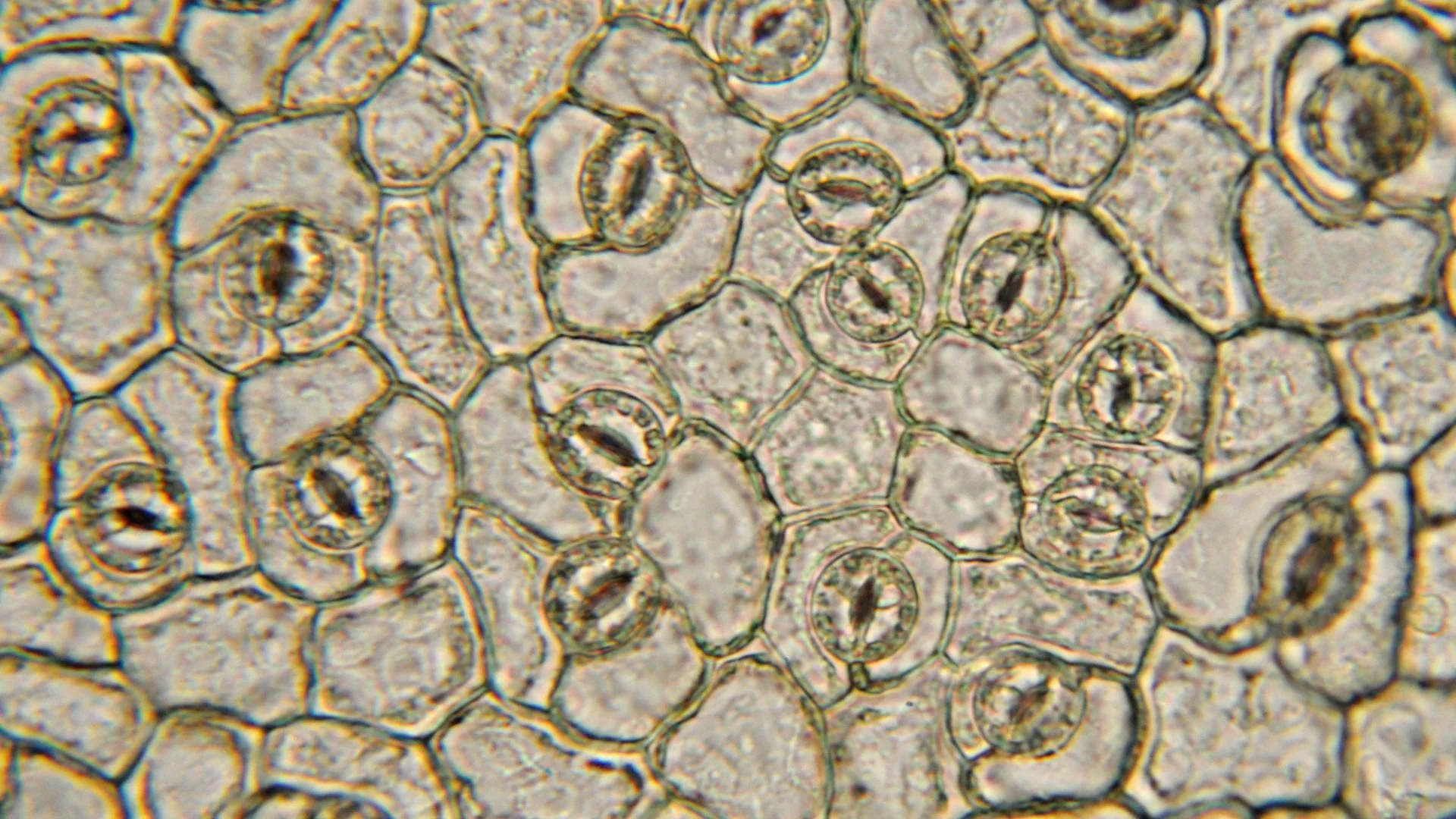
Image of Stomata, the tiny openings or pores found on the surfaces of plant leaves, stems, and other green parts. They play an important role in gas exchange, allowing plants to take in carbon dioxide for photosynthesis and release oxygen and water vapor. Stomata are surrounded by specialized guard cells that can open and close to regulate the rate of gas exchange and control water loss through transpiration.
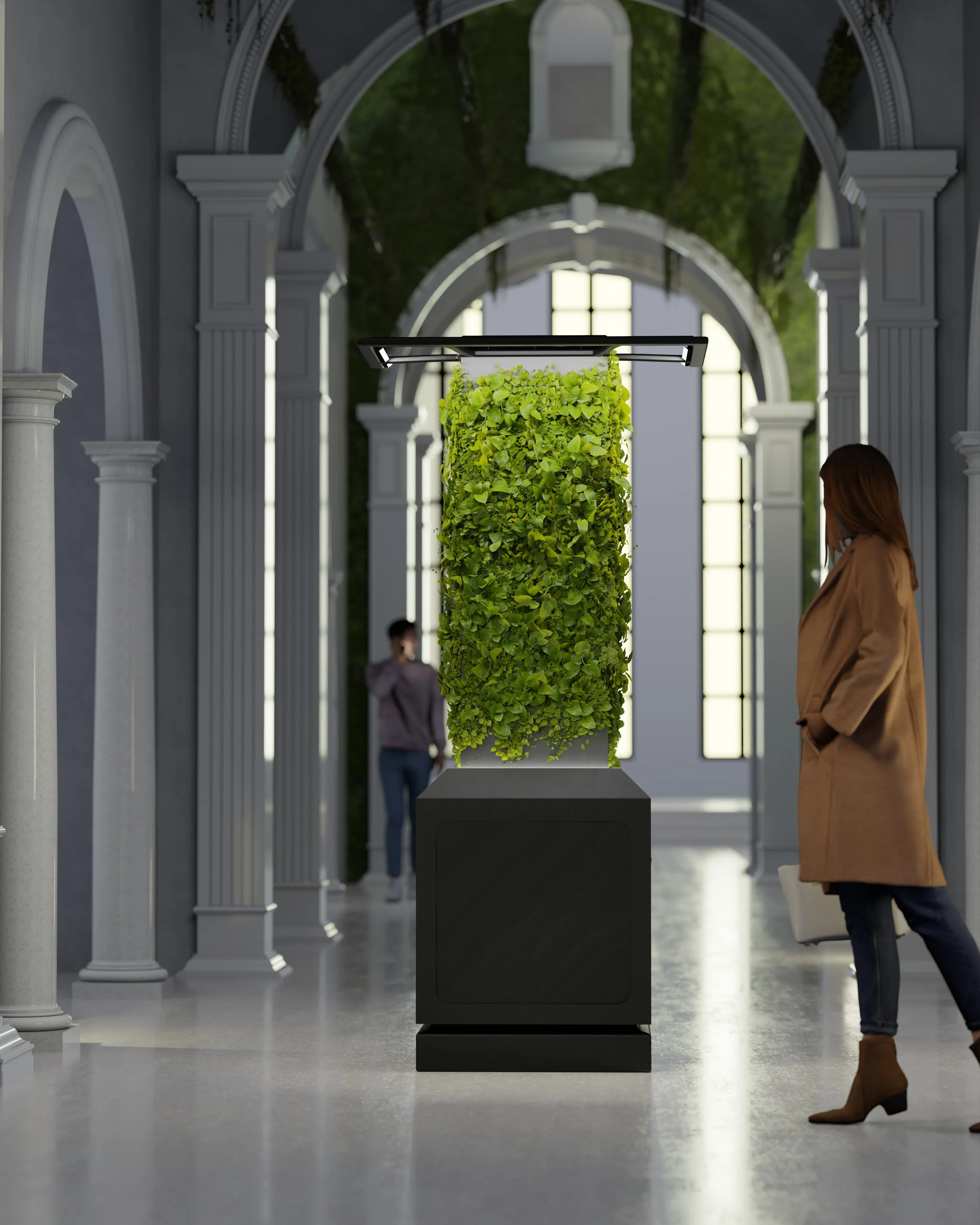
The best green walls and indoor planters do not have any soil or medium that can produce bacteria, mold and fungi. The root systems are completely contained and cannot release any pathogens into the indoor space. The plants are specifically chosen so they do not release pollen or harmful chemicals. Very few plants do anything to improve the quality of the air and most actually make it worse. However, there are now plants that have been specifically engineered to actually remove VOCs and can convert them into a harmless chemical called phenol. These plants will then use the phenol in their growth thus permanently removing the VOCs from the planet. They have none of the harmful effects on the air and all of the wonderful benefits of plants. So make sure the plants you pick are engineered for indoor use and actually clean the air. “Interior Landscape Plants for Indoor Air Pollution Abatement”, a study commissioned by NASA in 1989 [8], has been circulating for nearly 50 years and has fostered so much misinformation that unfortunately we will never overcome it. It concluded with a list of 10 best plants that clean the air. Unfortunately, it was easily disproved in the study, “Potted plants do not improve air quality: a review and analysis of reported VOC removal efficiencies” [9], but that NASA commissioned study is still widely circulating to this day. To be clear, the only thing that regular plants take from the air is carbon dioxide. They use the carbon in their growth and expel most of the oxygen back into the air. They only absorb enough carbon as they can use for cellular growth. They do not absorb any other chemicals through the leaves without being specifically engineered to do so.
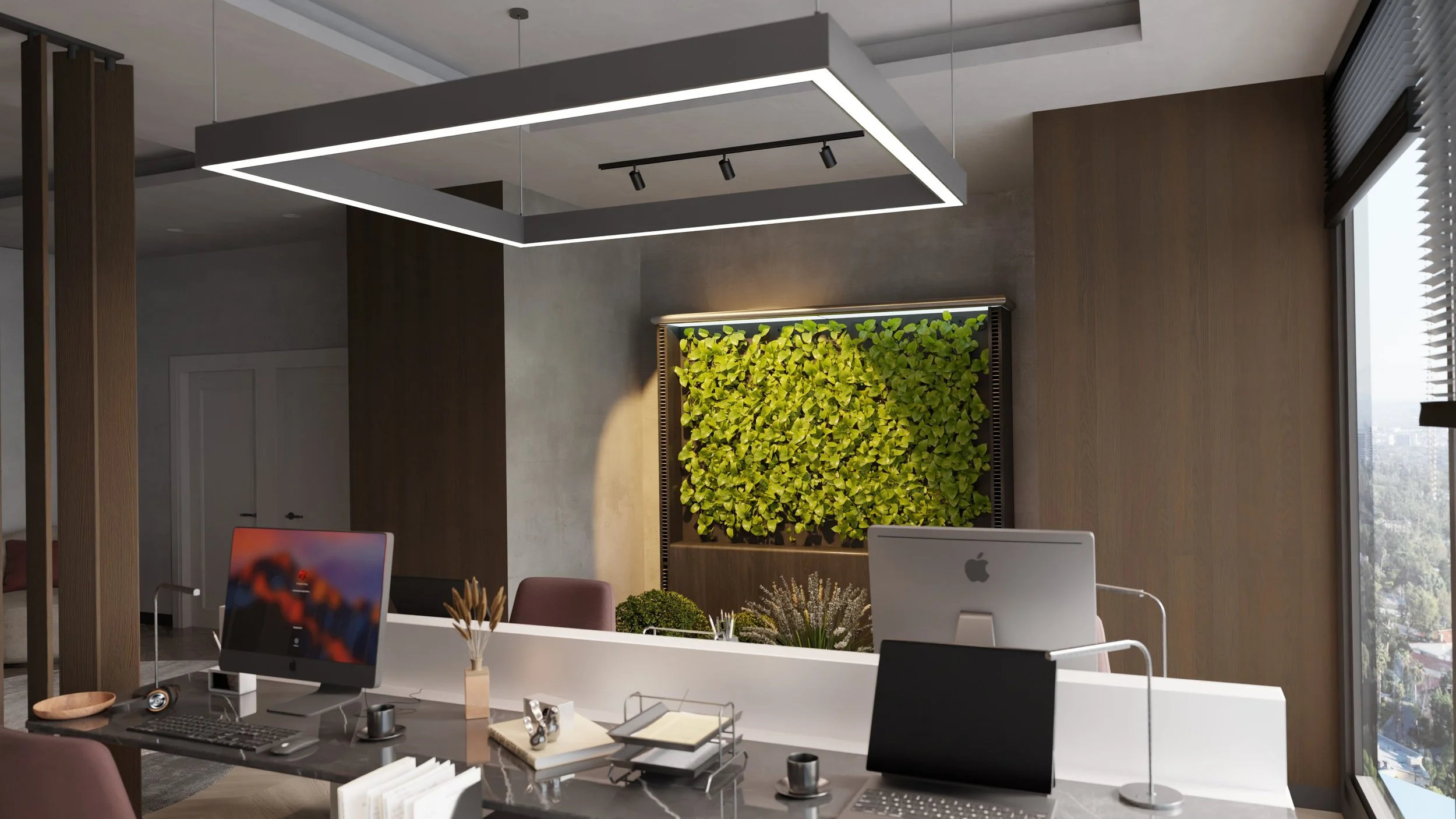
Strategically placed green walls with proper plantings can be beneficial to air quality, as well as biophilic design benefits. Photo: Ginkgo Sustainability
Conclusion
Although there is an incredible amount of false and misleading information in the green wall and air purification industry, with a little homework the right solution for every indoor space can be found. There are very real benefits to green walls with proper plantings. Systems that have overcome the issues will truly bring the outdoors inside. With a little help from additional air filtration, green walls and planters can have a dramatic positive effect on our health, our overall well-being and our enjoyment of indoor spaces. So, take the time to do a little research and enjoy the indoors!
Advertisement
About the Author:
Joel Ferguson is the General Manager of GINKGO Air and Director of Innovation. He's been working on technical advancements for 35 years.
Citations:
[1] https://www.sciencedirect.com/science/article/pii/S0360132323000847
[2] https://www.conforlab.com.br/wp-content/uploads/2017/07/Iaq.pdf
[3] https://www.epa.gov/report-environment/indoor-air-quality
[4] https://www.sciencedirect.com/science/article/pii/S0360132322003882#sec4
[5] https://link.springer.com/article/10.1007/s11157-023-09644-5
[6] https://www.sciencedirect.com/science/article/pii/S0169809516301995?via%3Dihub#ks0005
[7] https://www.sciencedirect.com/science/article/pii/S0360132319306468#sec5