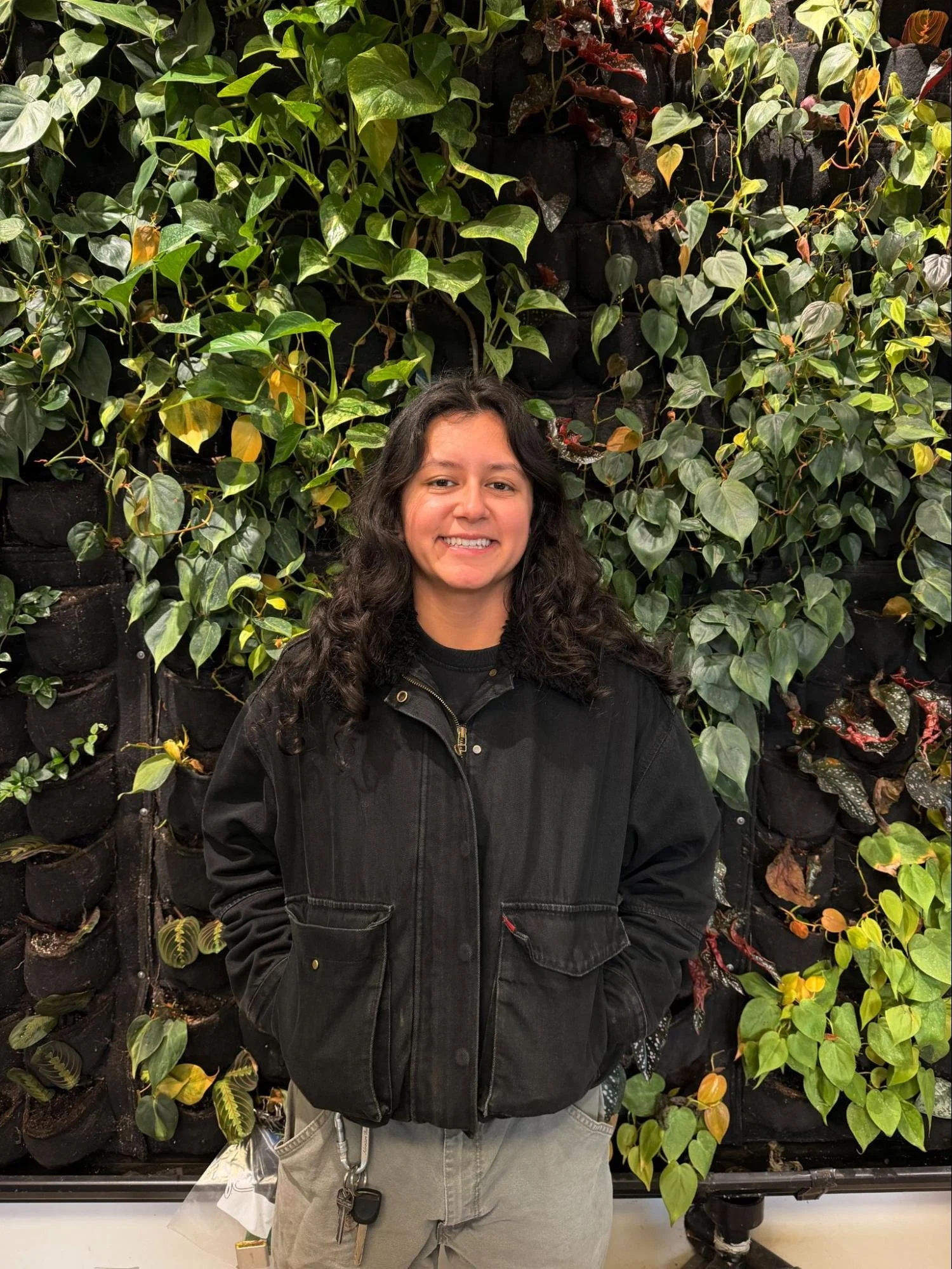
Nadezhda Pirovich | Green Roof Installation and Maintenance Professional (GRIMP)
Advertisement
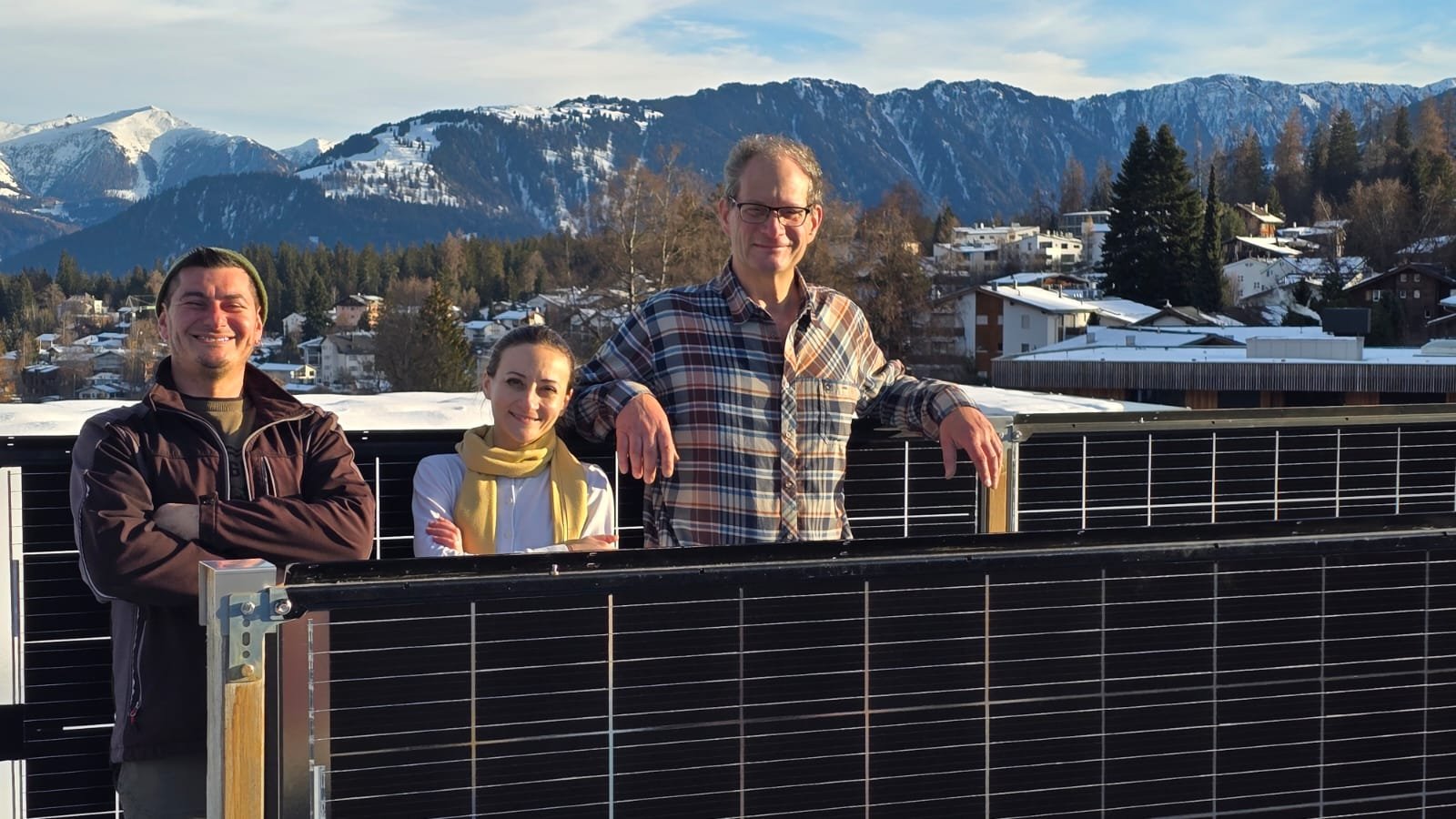
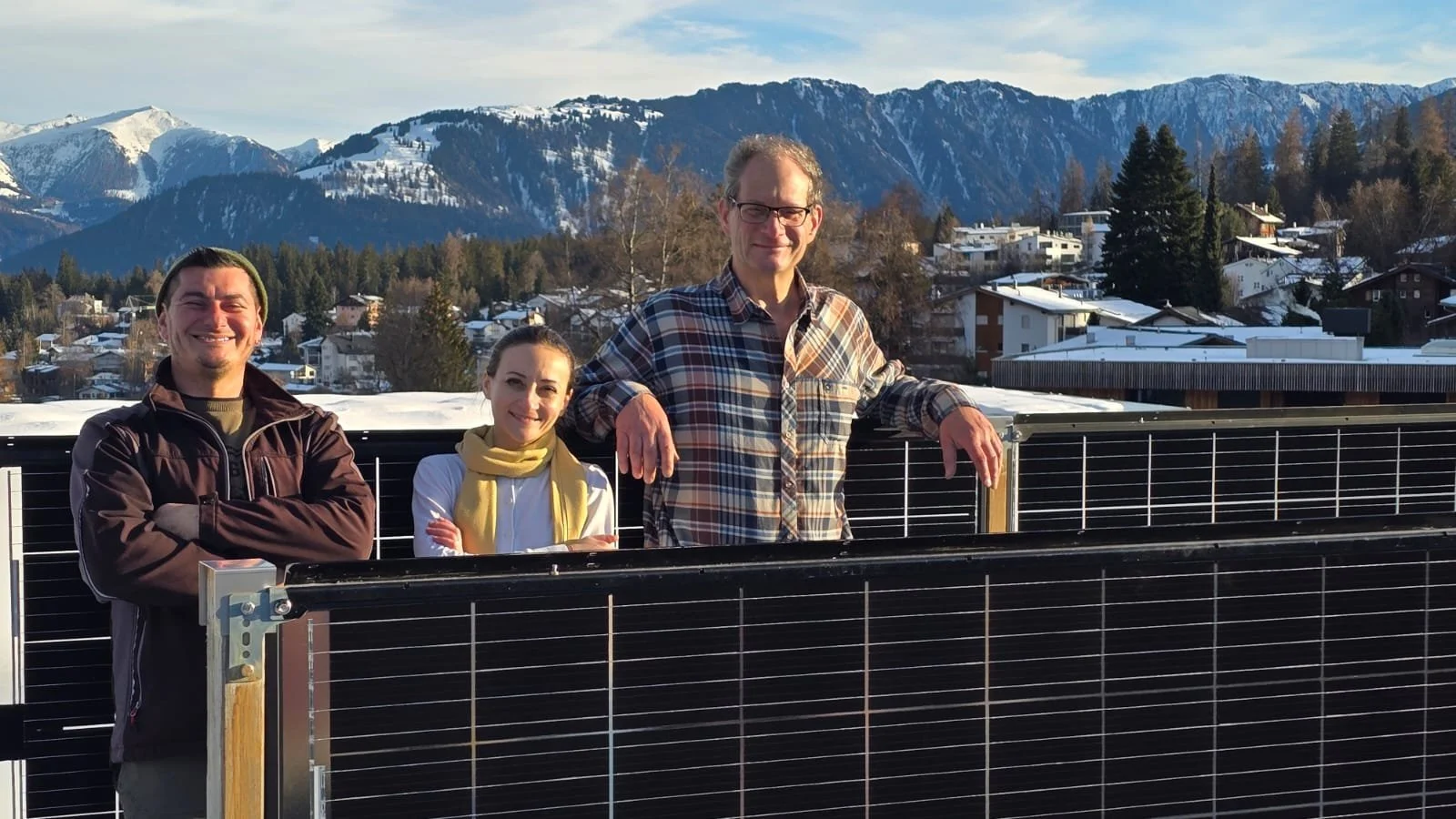
FlimsXLaax, December 2024 – Julian, Nadezhda Pirovich, Andreas Dreisibner. Photo: Andreas Dreisiebner.
Nadezhda Priovich is a graduate Environmental Engineer and certified Green Roof Professional with applied experience in substrate characterization, hydrological performance, and rooftop ecology. Her work focuses on biochar-integrated substrates, nutrient retention, runoff dynamics, and the role of vegetation composition — particularly dominant grasses versus forbs — in balancing structural stability and floral resources. She actively design and monitor pollinator habitats, with a focus on wild bees (Hymenoptera: Apoidea), across extensive and semi‑intensive green roof systems, supporting biodiversity-driven and climate-adaptive urban infrastructure. If you’d like to stay connected or follow her work in green roof ecology, pollinator habitats, and biodiversity‑driven design, please feel free to connect with her on LinkedIn.
How did you hear about Green Roofs for Healthy Cities and the GRIMP program?
I first came across Green Roofs for Healthy Cities (GRHC) while searching online for professional training opportunities. After completing my M.Sc. at the University of Parma and an internship with ZinCo in Germany, I discovered the GRP Training in 2023. GRIMP felt like the natural next step. I learned about the program through LinkedIn at the end of 2024 and successfully completed the training in Colorado in August 2025. It was a true milestone in my professional career.
What motivated you to pursue GRIMP accreditation?
I wanted to deepen my practical knowledge of green roof installation and maintenance systems. The opportunity to travel to Colorado was also very motivating — I had the privilege of visiting the CSU Spur research team led by Jennifer Bousselot, meeting Andy Creath from Green Roofs of Colorado, and visiting Jack’s Solar Garden, a leading agrivoltaics project in the state. The combination of education, research, and real-world projects made the experience especially valuable.
During the training or in your work, what aspect of green roof installation and maintenance did you find most rewarding?
During my professional experience in Switzerland, I gained hands-on knowledge in the installation and maintenance of biosolar roofs. What made this work particularly unique was the site-specific approach — projects were adapted to local conditions rather than replicated. Each roof differed in substrate composition, plant communities, or biodiversity goals.
One especially rewarding experience involved maintaining a roof dominated by grass species, linked to experimental trials conducted by ZHAW University. This open living lab allowed me to combine theoretical research with practical maintenance strategies, which were both challenging and enriching.
What advice would you give to someone considering a career in green infrastructure?
First and foremost, invest in high-quality training programs such as those offered by GRHC. If local options are limited, seek credible online alternatives. Building a professional network early is also essential — it helps you understand regional challenges and opportunities. Focus on upgrading existing systems, replacing synthetic materials with natural ones, improving nutrient cycles and soil microbiology, and supporting the successful establishment of selected flora on rooftops.
What trends in green roofs or sustainability inspire you for the future?
I am particularly inspired by the growing emphasis on biodiversity alongside water retention and energy efficiency. Biochar applications to enhance nutrient binding and water cycles in substrates show great promise. I’m also encouraged by the increasing creation of foraging and nesting habitats on green roofs to support pollinators and urban biodiversity.
How do you see the role of skilled green roof installation and maintenance in promoting urban resilience or addressing environmental challenges?
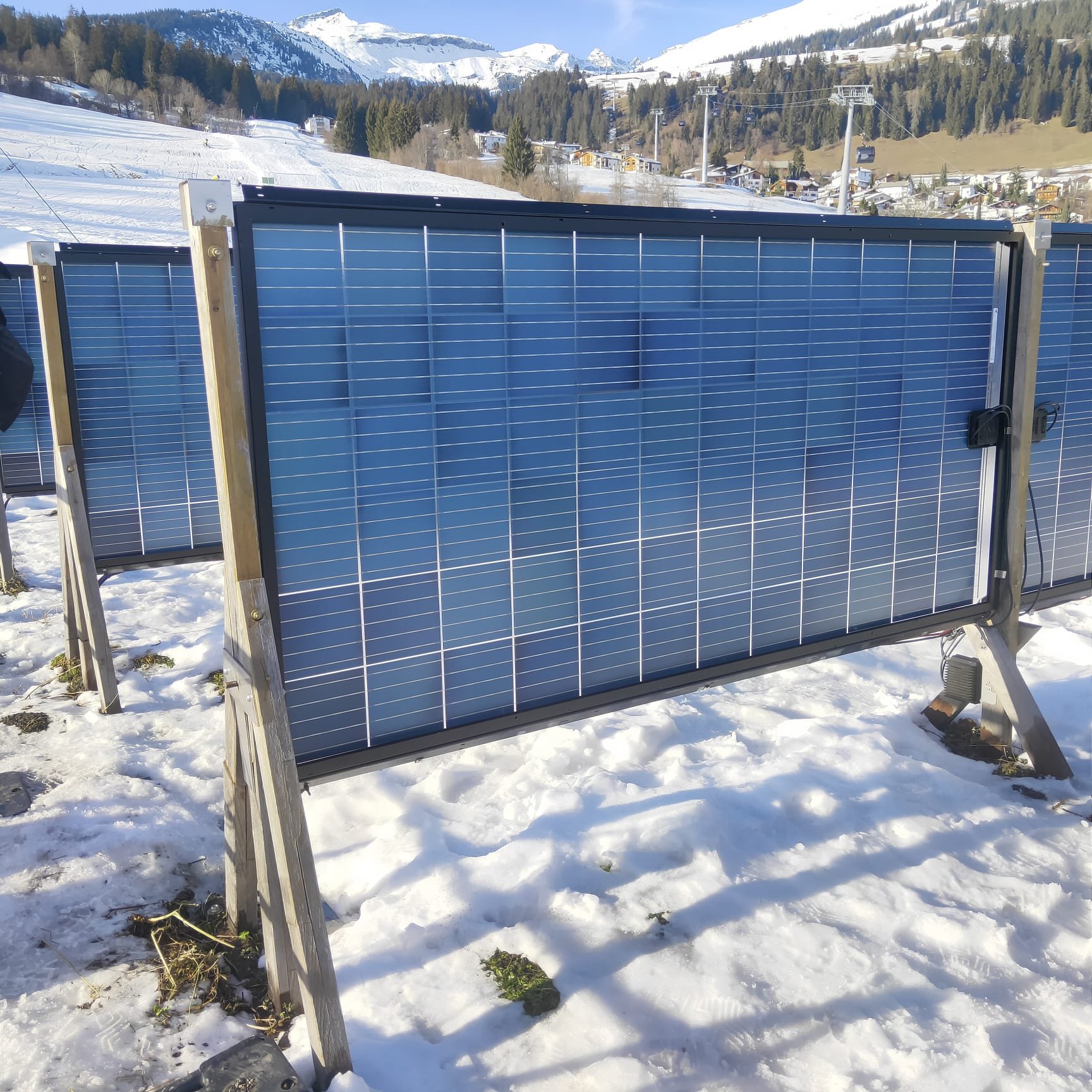
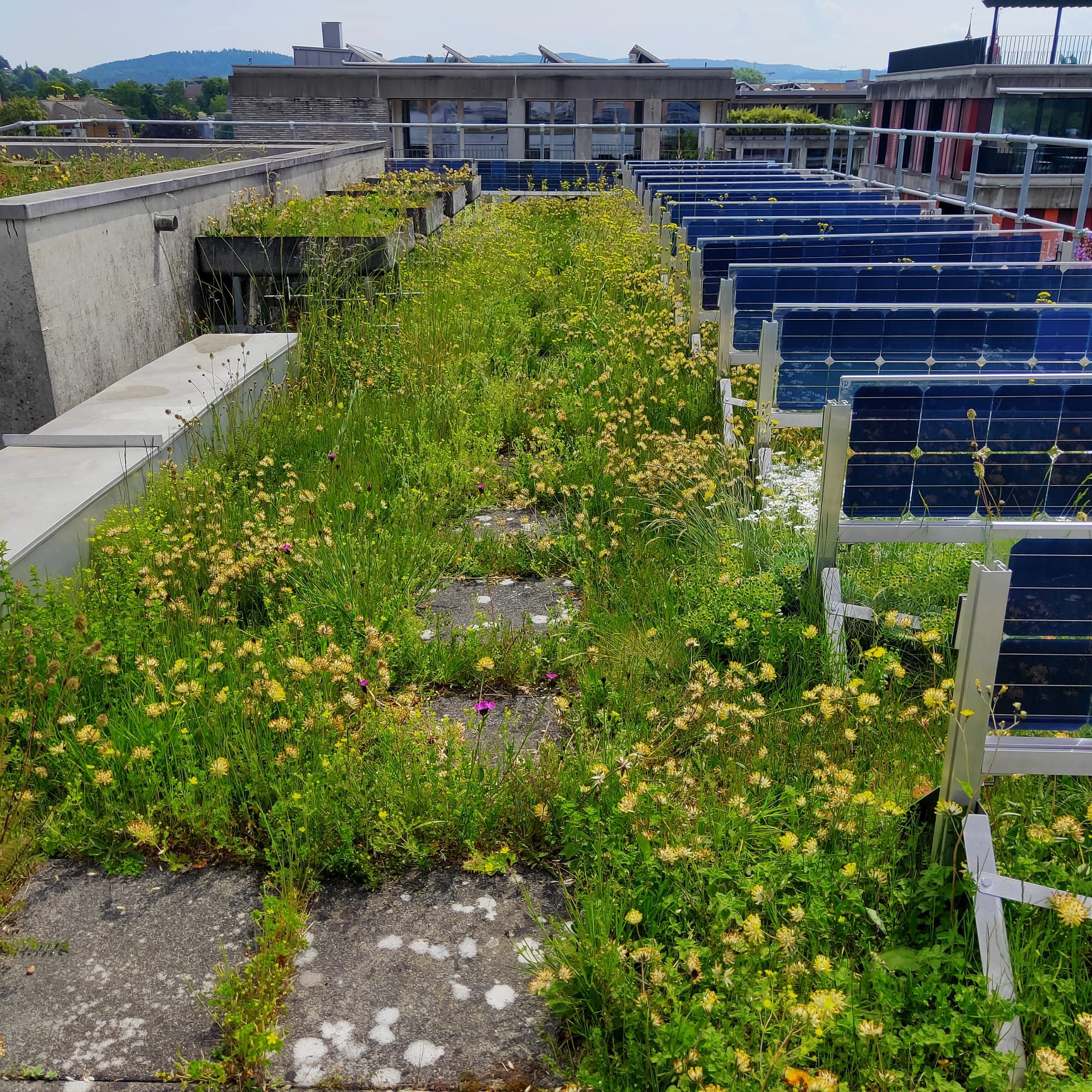
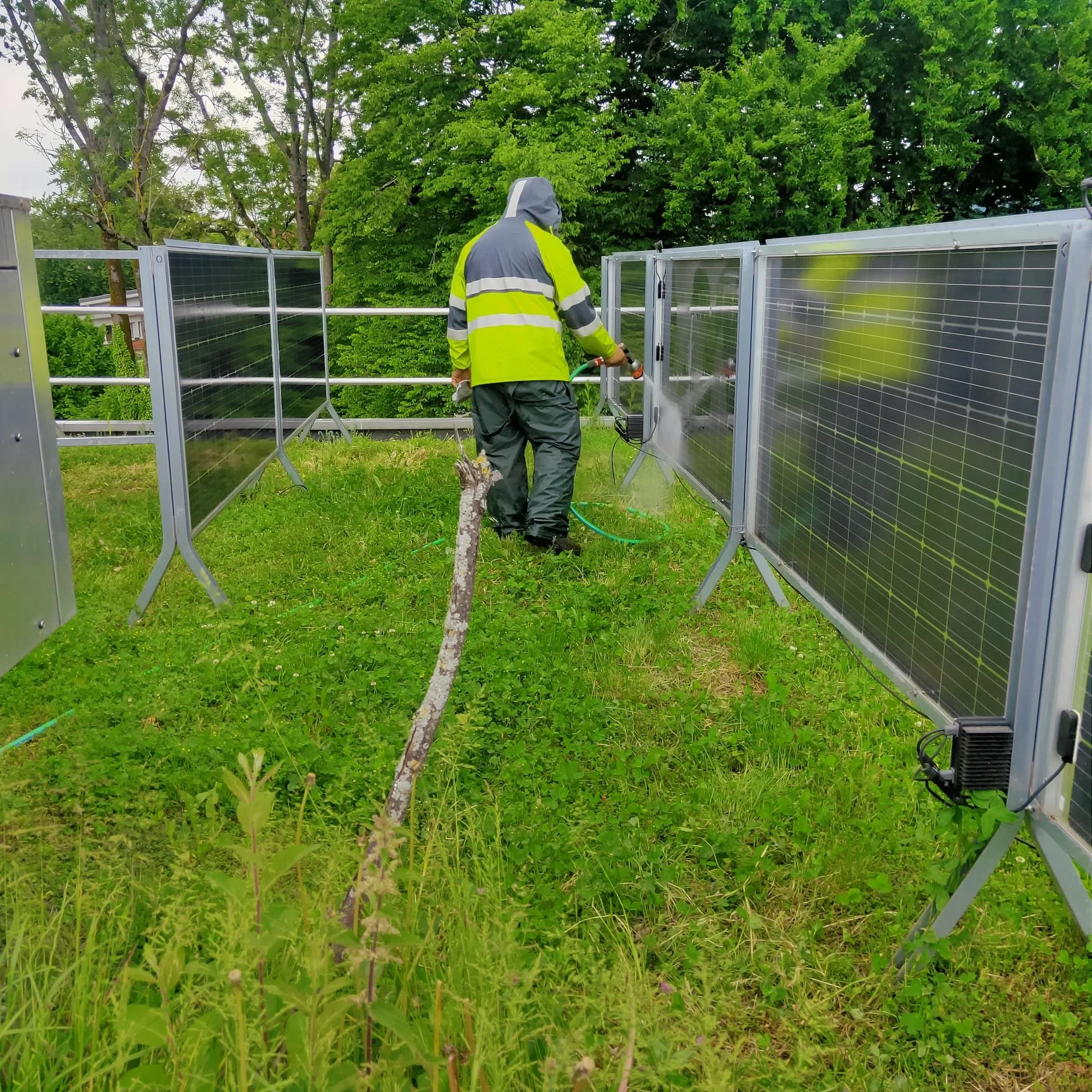
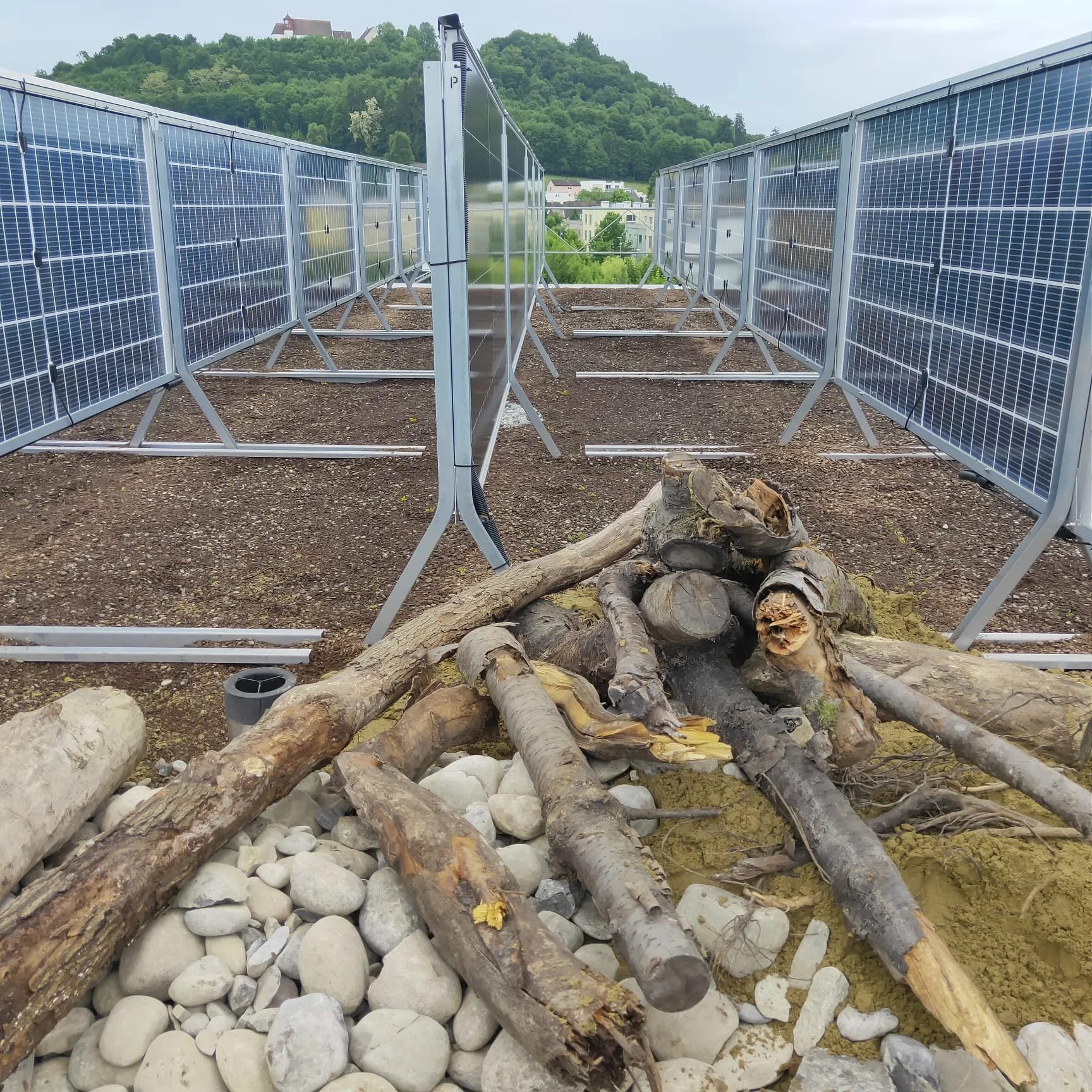
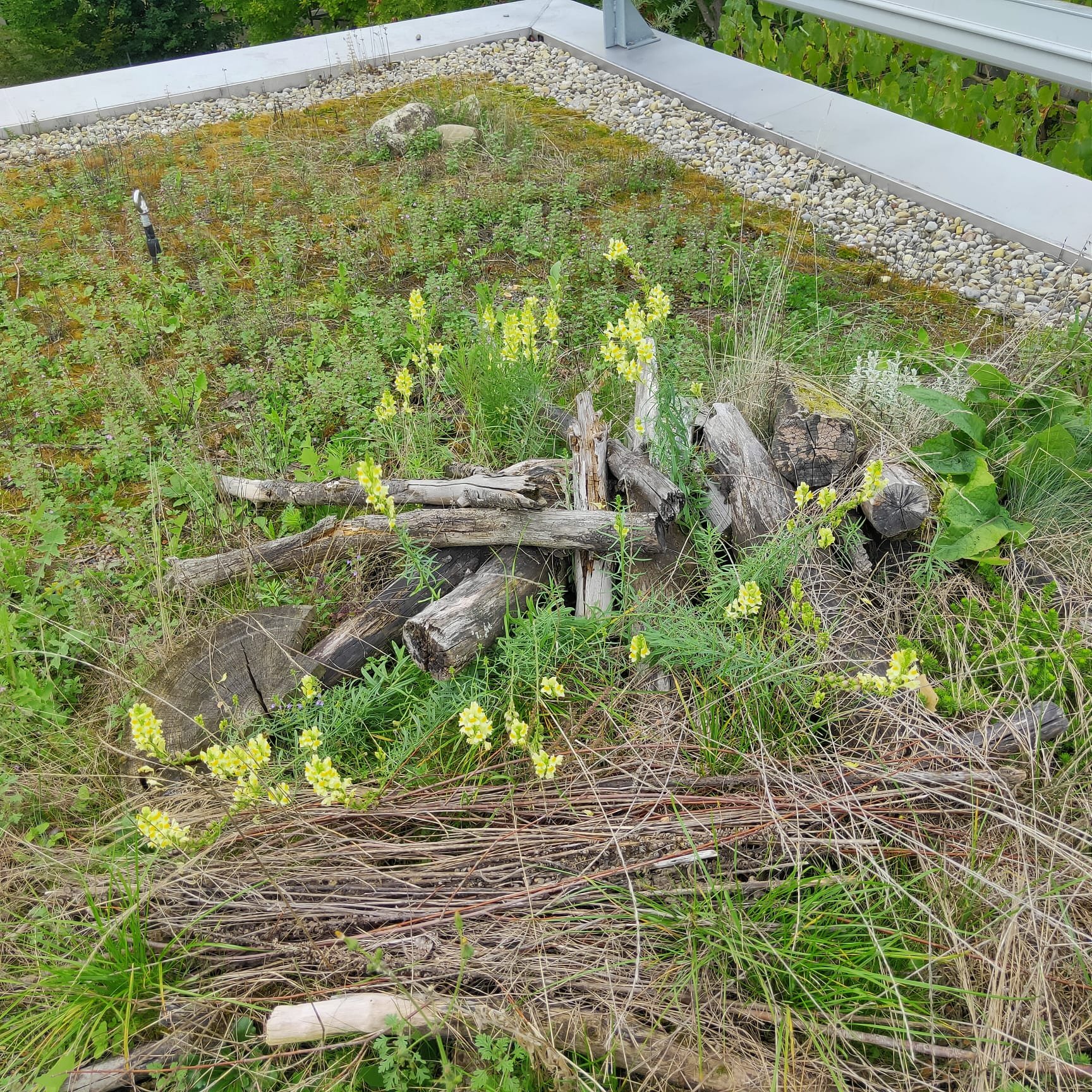
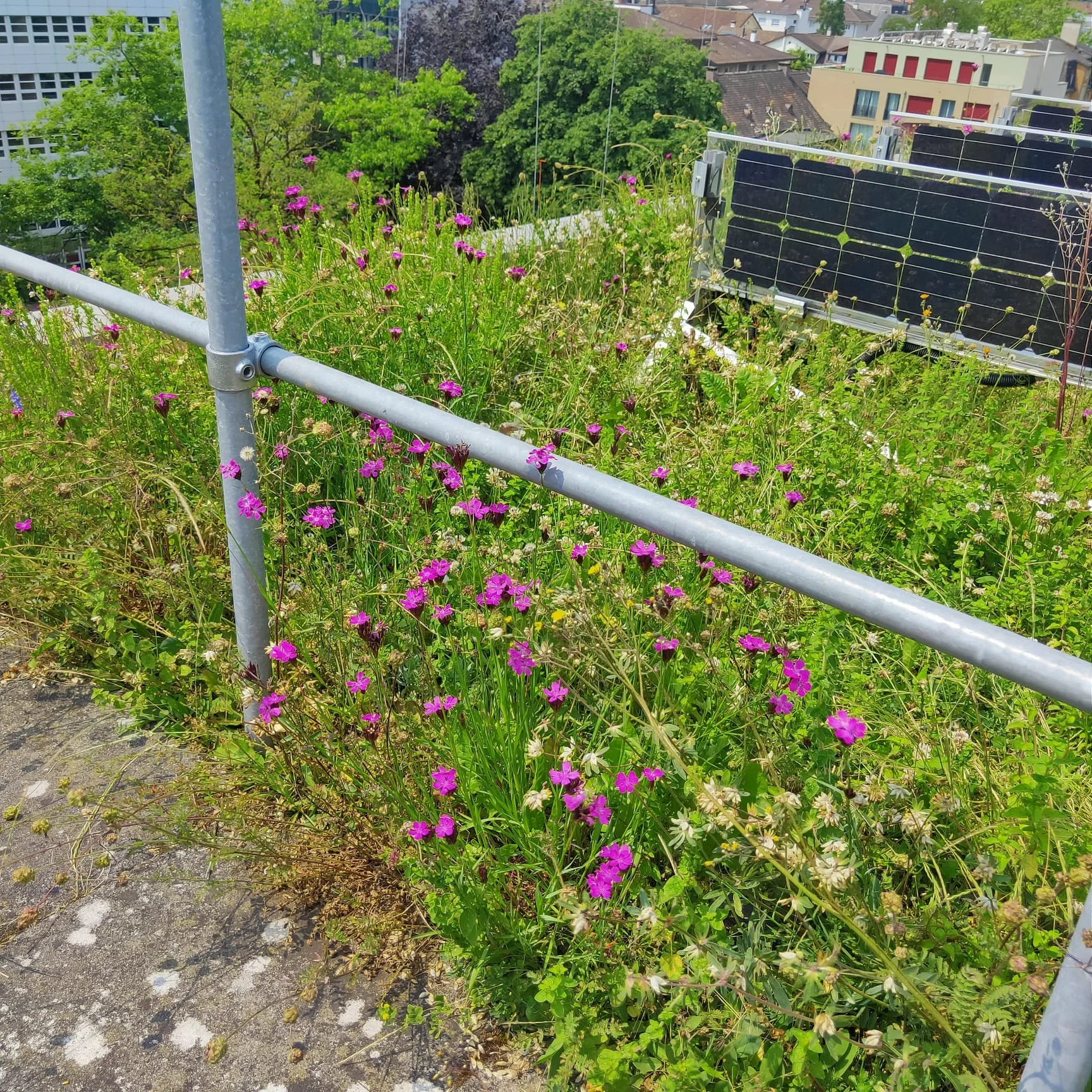
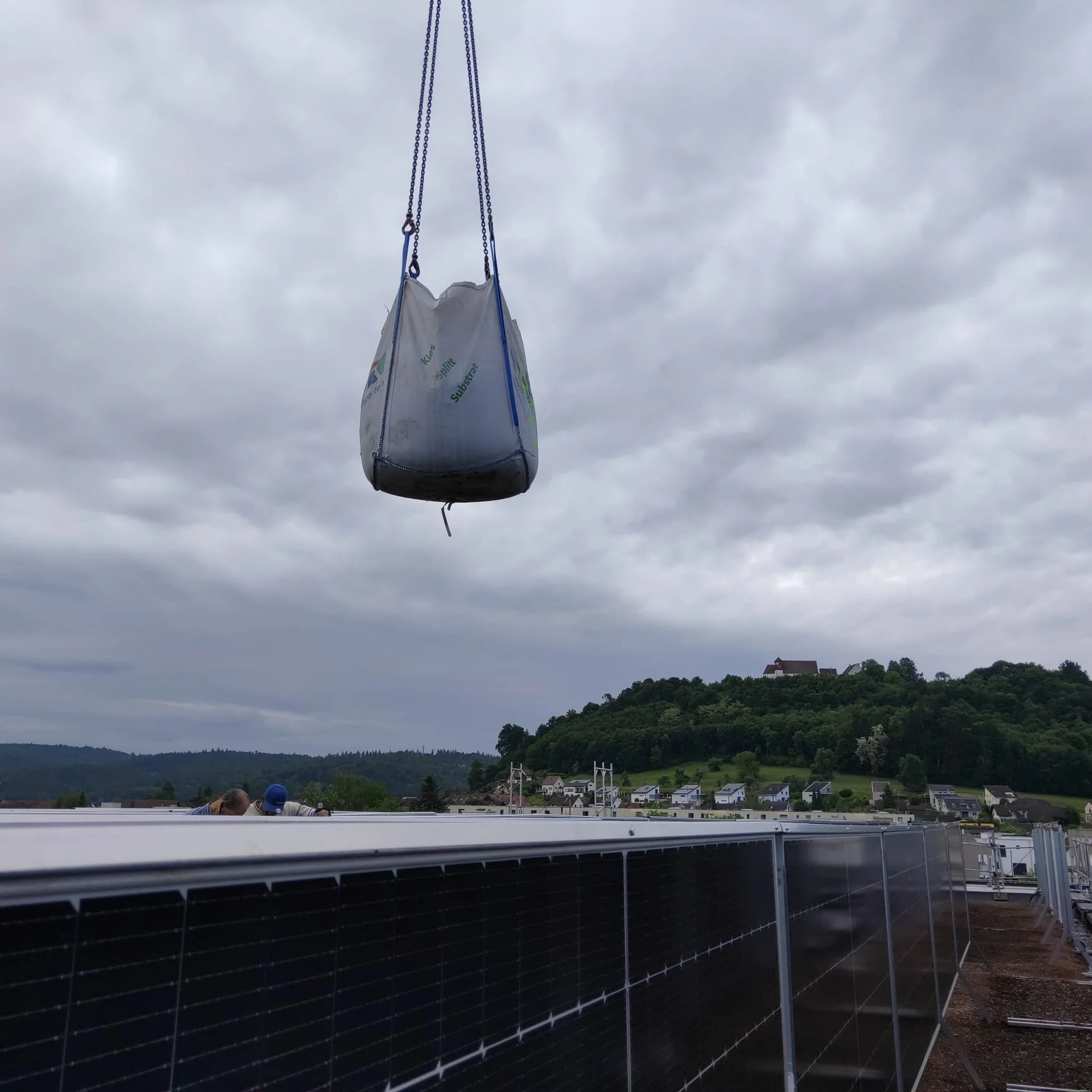
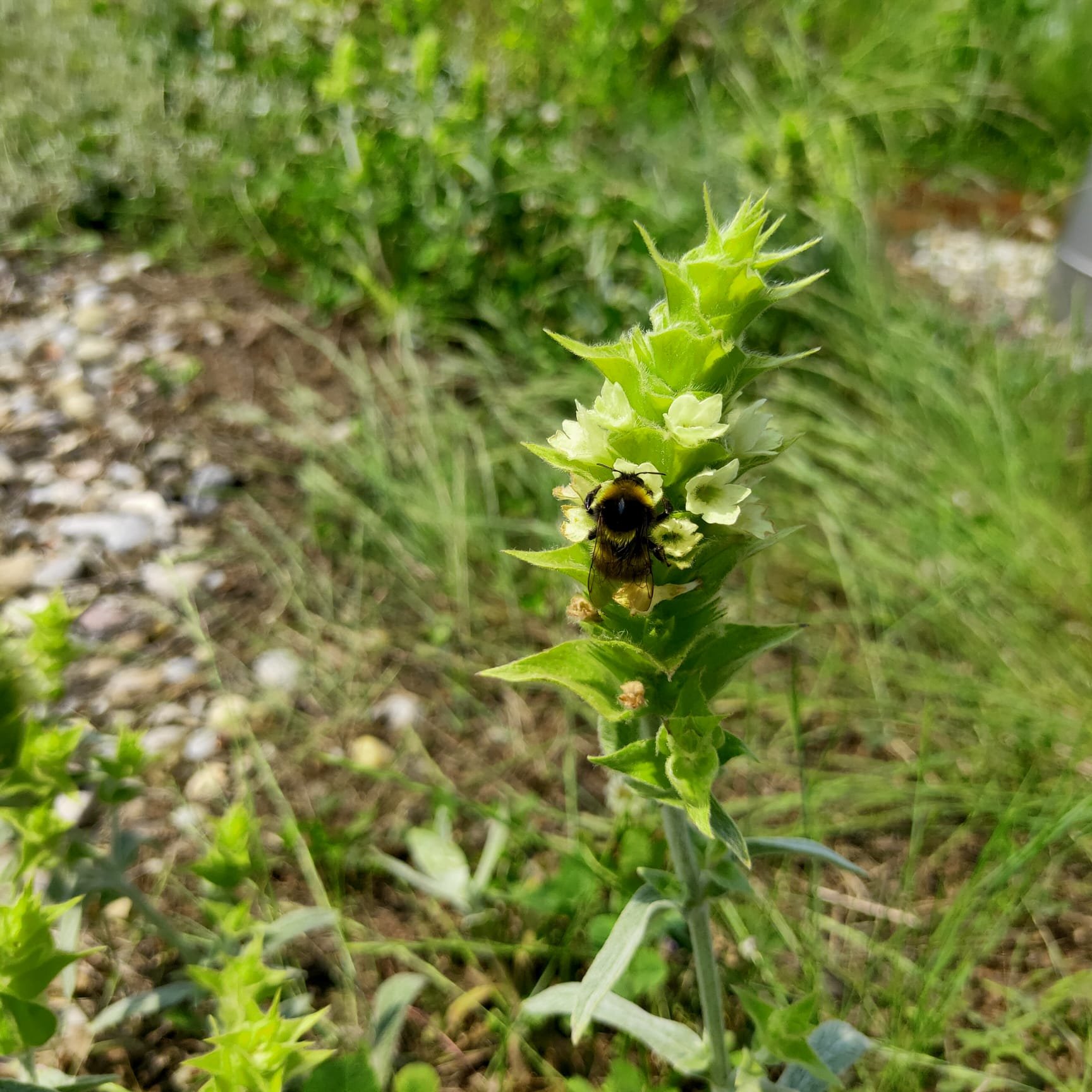
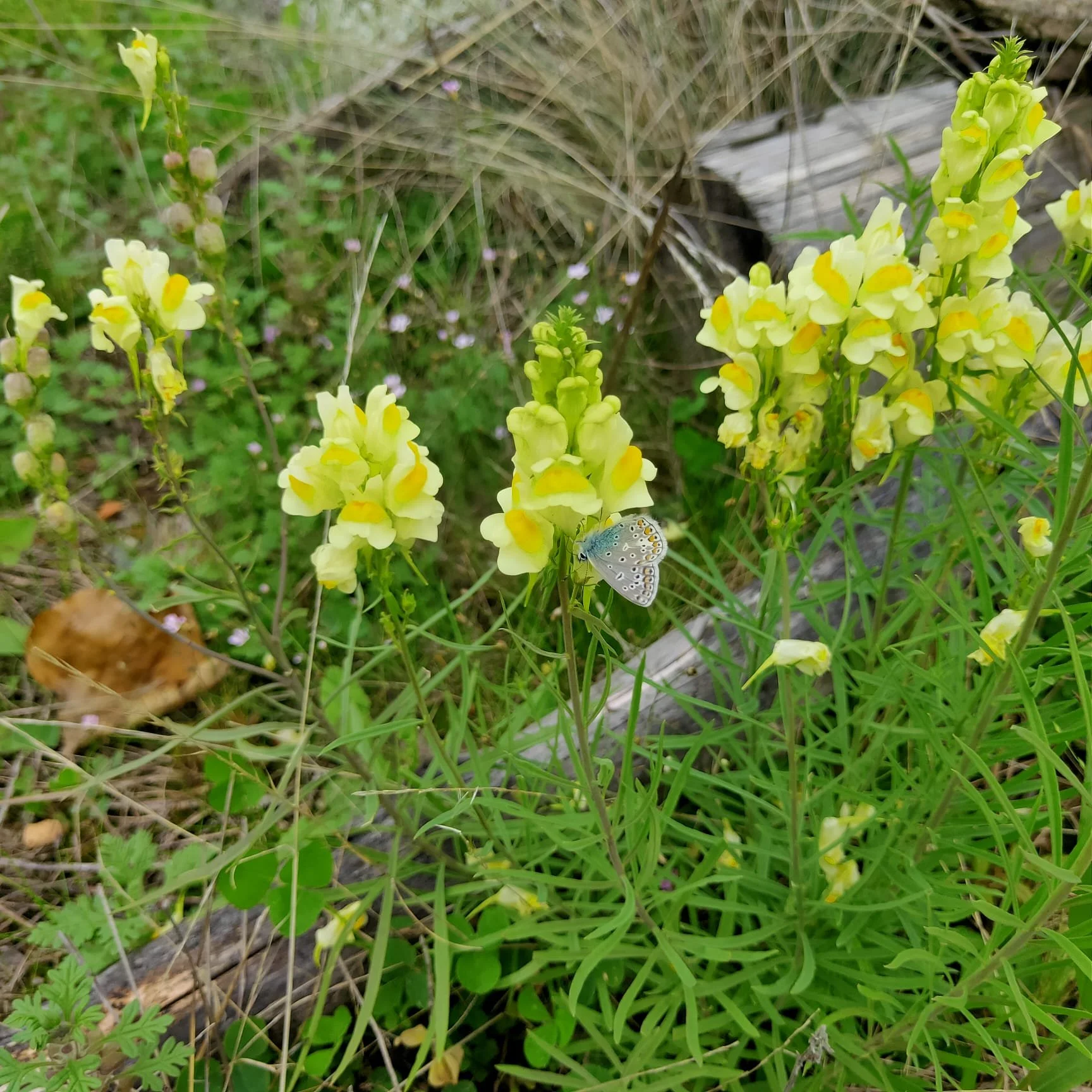
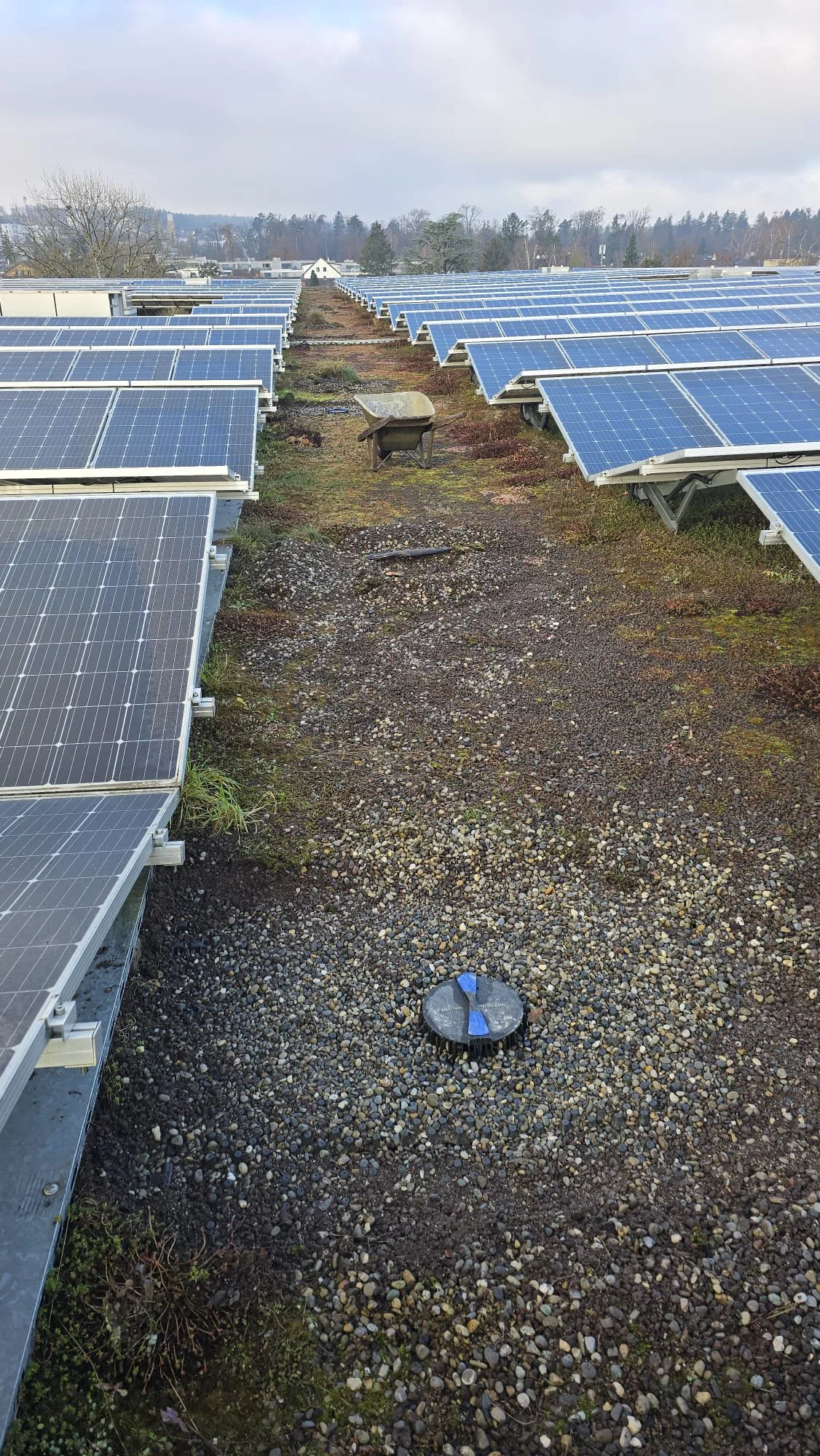
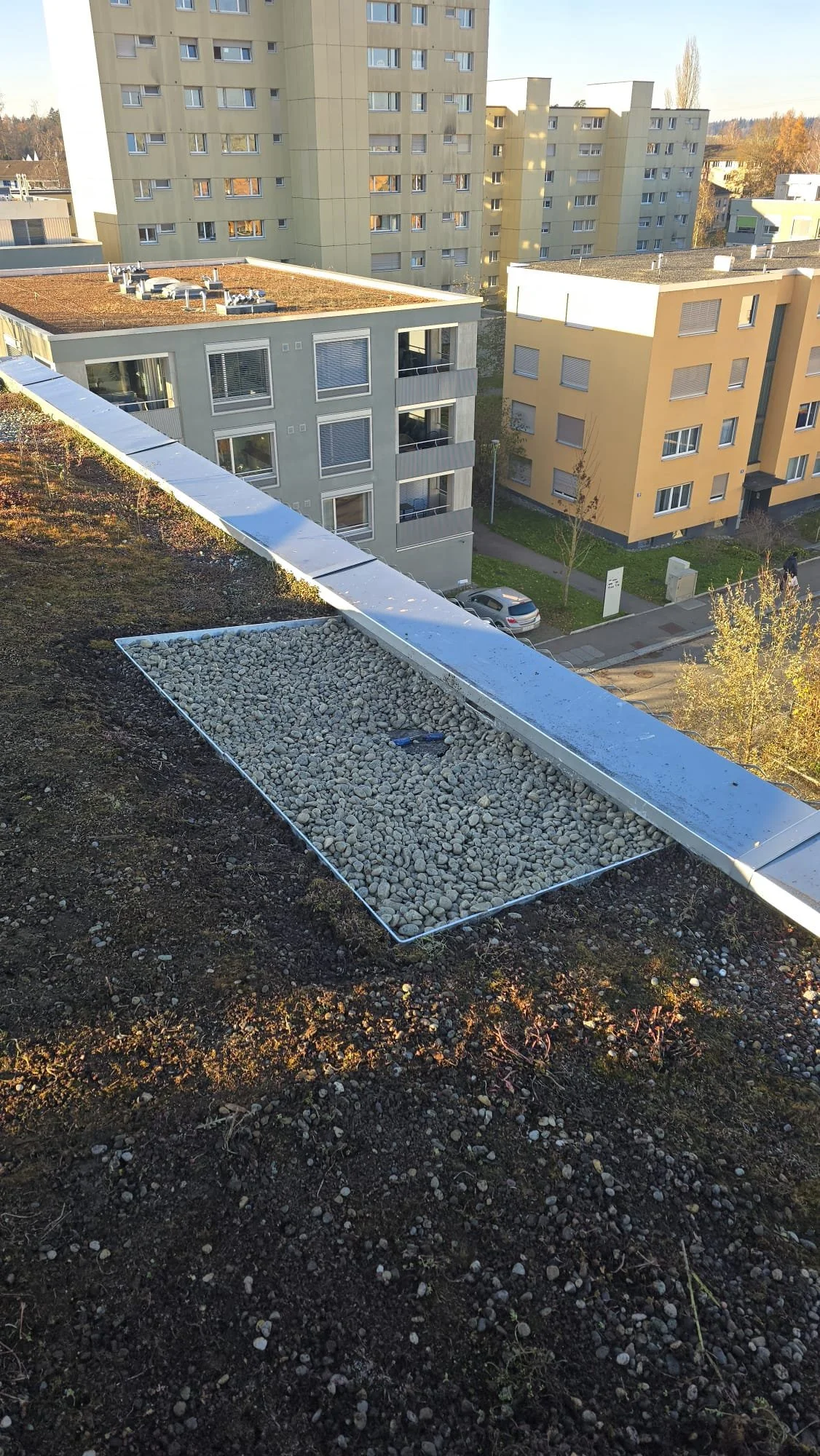
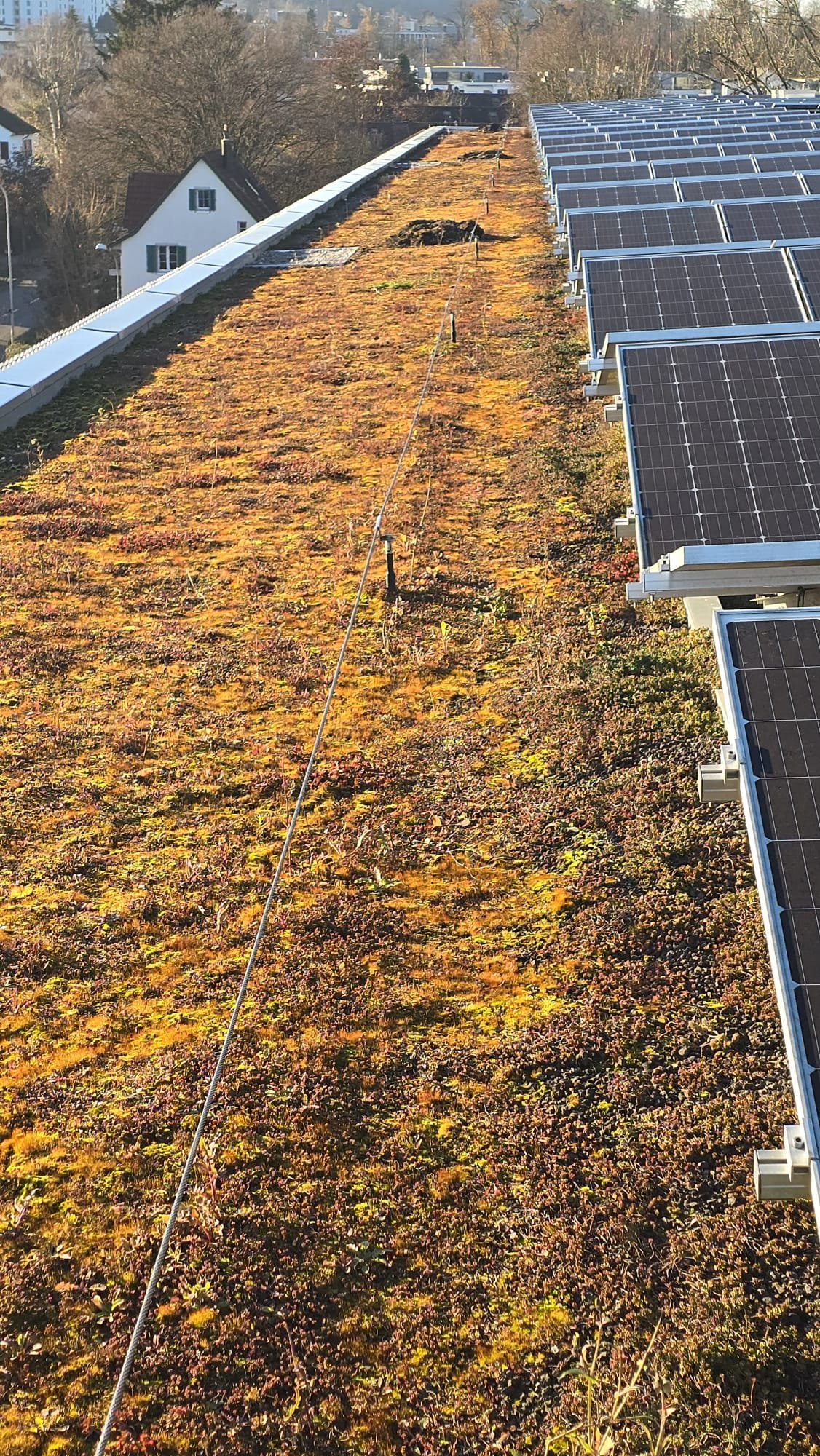
Photo1: FlimsXLaax, December 2024 – Installation of photovoltaic systems on rooftops. Photo 2: Mattenbach Green Roof, Winterthur, May 2025 – Routine maintenance of semi-intensive biosolar roof system. Photo 3: Eichgut Green Roof, Winterthur, June 2025 – Flowering species including Anthyllis vulneraria, Dianthus carthusianorum, and Potentilla argentea. Photo 4:" Lenzburg (AG) Biosolar Roof, May 2025 – Installation of biodiversity islands with sand for bees, dead wood, and pebbles. Photo 5: Mattenbach Green Roof, Winterthur, May 2025 – Biodiversity island featuring Cerastium tomentosum, Salvia officinalis, Stachys byzantina. Photo 6: Sideritis scardica & Bombus terrestris. Photo 7: Mattenbach Green Roof, Winterthur, September 2025 – Biodiversity island with Geranium robertianum. Photo 8: Linaria vulgaris & butterfly Polyommatus icarus . Photo 9: Zurich Opera House warehouse, December 2024 – Comparison of old and upgraded (Photo 10) drainage systems. Photo credits: Andreas Dreisiebner. Photo 11: Zurich Opera House warehouse, December 2024 – Green roof maintenance and drainage improvements. Photo credits: Andreas Dreisiebner.
Proper installation — from material selection to additional water retention elements — directly affects plant establishment and long-term performance. Skilled maintenance can significantly reduce costs by managing water and nutrient cycles according to soil and plant requirements, preventing grasses from outcompeting forbs that are valuable to pollinators and often require less intensive upkeep. Ultimately, early system design decisions shape maintenance needs for years to come, and trained professionals can identify and resolve issues before they escalate into costly problems.
How do you envision having a GRIMP-certified professional contributing to the success of green roofing projects?
GRIMP provides strong theoretical and practical foundations in green roof installation practices, covering materials, system layers, substrate composition, planting strategies, and roof typologies. The program also offers valuable insight into project bidding processes and clarifies how different stakeholders interact throughout project implementation.
Overall, the training delivers a clear and holistic understanding of how green roof project decisions should be made and coordinated. While GRIMP addresses a wide range of practical scenarios, certain challenges can still arise — particularly in experimental projects functioning as open living labs. In these cases, materials and practices are tested under highly specific local conditions, and additional expertise from scientific or academic partners may be required to resolve emerging issues
Have you had a chance to put what you learned into practice? If so, can you share a recent project where it was particularly beneficial?
Yes. One notable application of my GRIMP training was during maintenance work on the green roof of the Zurich Opera House warehouse, where long-term water management issues had gradually reduced drainage performance. Over time, water outflow from the roof had slowed significantly.
By applying GRIMP principles, we improved runoff efficiency through targeted interventions, including cleaning drainage caps, increasing gravel size, and redesigning the perimeter to enhance water outflow. These measures resulted in a substantial improvement in drainage performance and overall roof functionality.
Photo 1: Performing seasonal maintenance on a green roof system. Credit: Ginkgo Sustainability. Photo 2: A healthy roof system following a repair. Credit: Ginkgo Sustainability. Photo 3: A healthy and lush green roof system in Downtown Toronto. Credit: Ginkgo Sustainability. Photo 4: A tiny green roof resident I met during maintenance. Credit: Ginkgo Sustainability
Advertisement
GRIMP Trainings will be held on June 11 in Chicago, May 22 in Toronto, and September 30 in Brooklyn. Learn more here.
Green Roofs for Healthy Cities is a non-profit 501(c)(6) professional industry association working to grow the green roof and wall industry throughout North America since 1999. Our mission is to develop and protect the market by increasing the awareness of the economic, social, and environmental benefits of green roofs, green walls, and other forms of living architecture through education, advocacy, professional development, and celebrations of excellence.
We publish The Living Architecture Monitor quarterly online magazine where industry leaders share their insights and expertise. These articles increase awareness of the economic, social, and environmental benefits of green roofs, walls and other forms of living architecture.
We also offer free access to The Living Architecture Academy, an online professional development platform which is dedicated to bringing you the best, most up to date professional training information on design, installation and maintenance practices across a wide range of green infrastructure topics. The LAA offers short lectures and multi-day courses such as: Green Roof Professional Training, Introduction to Green Walls, Biodiverse Green Roof Maintenance, and more.
We also publish the Green Pages: Industry Green Roof and Wall Directory which is designed to support you with your living architecture projects by providing a list of trusted manufacturers, suppliers of accessories, green walls, nurseries, and certified Green Roof Professionals (GRPs). From small-scale residential projects to large commercial installations, this directory has everything you need to find support to create a sustainable and beautiful living space.
From the Living Architecture Monitor