
Emily Gregory | Green Roof Installation and Maintenance Professional (GRIMP)
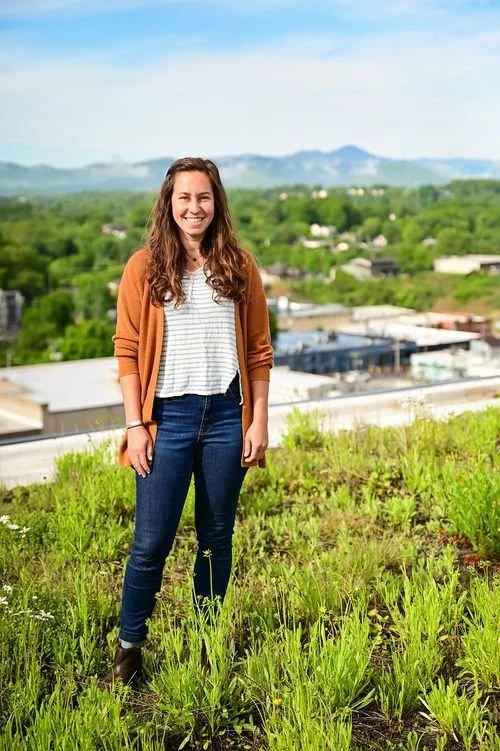
Emily Gregory, GRIMP
Emily Gregory holds a Bachelor of Science and Technology degree with a minor in Sustainable Development from Appalachian State University, and an obsession for horticulture. Having grown up with parents who worked professionally as an ecologist and outdoor recreation manager, she developed a deep appreciation for the natural world from a young age. After graduating college, she worked for 9 years in the at-grade landscaping industry as an estate-level gardener and worked her way up to the designer of a large design build maintenance firm.
Emily’s career in the vegetated roof industry began in 2023. She found it to be a perfect melding of all her interests in horticulture, ecology, sustainable development and design. Her current position as the Horticulture and Maintenance Manager with Living Roofs Inc. based out of Asheville, NC, involves the management of multiple crews that care for 70+ green roofs throughout the Southeast. Emily is committed to environmental stewardship, cultivating biodiversity in urban spaces, and being an advocate for the green infrastructure industry as a whole.
Learn more about our GRIMP trainings happening in Denver on August 14, and in Raleigh, NC on October 23.
1. How did you hear about Green Roofs for Healthy Cities and the GRIMP program?
The company I work for, Living Roofs Inc, has been a member of GRHC for many years so I heard the name mentioned in passing many times. While on the Living Architecture Academy website looking for courses related to green roof maintenance, I stumbled upon the GRIMP program.
2. What motivated you to pursue GRIMP accreditation?
With GRHC being such an incredible resource in the green roof industry, serving as a wealth of intradisciplinary knowledge and connection opportunities, I knew that getting certified through the organization would give me the best training, the greatest access to resources, and would hold the highest value in the industry.
Through taking the hands-on portion of this certification, I connected with fellow green roof professionals and was able to widen my breadth of knowledge from solely green roof maintenance focused to the wider scope of all that comprises a successful green roof installation.
3. During the training or in your work, what aspect of green roof installation and maintenance did you find most rewarding?
As the Horticulture and Maintenance Manager, I know our green roofs intimately through the lens of caring for the soil and plants. The demands, the quirks, the access, and the blooms that can be expected each year. We’re on-site performing maintenance between April and October so the roofs are left untouched between the months of November to March. The most rewarding moments for me are when I step onto a green roof for the first time each April and see the plants come to life. It’s like visiting an old friend you haven’t seen in a while and being welcomed with a big smile.
4. What advice would you give to someone considering a career in green infrastructure?
I would advise them to connect with GRHC as a starting place! The Living Architecture Academy has very informative courses that advise on important topics in the green infrastructure industry, and much can be learned through these courses.
5. What trends in green roofs or sustainability inspire you for the future?
One thing I love about the company I work for is their steadfast effort to recreate complex ecosystems – the ones that are destroyed when any new construction breaks ground. The traditional sedum monocrop green roofs are so much better than no green roof at all, but I believe we take it a few steps further. At the soil level, we’re ensuring appropriate nutrients and microbial activity to provide the plants with the best foundation for sustainable, long-term growth. Next, the plants are intentionally selected and arranged to mimic natural environments which creates a true habitat for birds, mammals (humans and animals), and insects. Lastly, our maintenance practices encourage natural succession; we learn what works on each roof and we adapt accordingly rather than trying to adhere to a rigid format of “this goes here and that goes there”. We all need to learn to work with nature instead of against it. I see this trend happening in at-grade landscapes, and I hope the trend spreads upwards to landscapes on structure.
6. How do you see the role of skilled green roof installation and maintenance in promoting urban resilience and addressing environmental challenges?
As green infrastructure professionals, we need to be strong advocates. Staying involved with local and regional municipalities to push for by-laws that incentivize green roofs as well as being educated on industry best-practices, new initiatives and products designed for efficiency and sustainability is key.
7. How do you envision a GRIMP-certified professional contributing to the success of green roofing projects?
Having the GRIMP certification gives me the confidence that I am approaching each green roof task and issue with the collective knowledge and support of the GRHC team. They are industry leaders so after taking the course I feel like I have learned from the best.
8. Have you had a chance to put what you learned into practice? If so, can you share a recent project where it was particularly beneficial?
While I have been working in this industry for 2 years, my primary focus is the maintenance department and not the estimating, project management or installation departments. Most recently, I was brought into a meeting with my team about a large upcoming install project that we are bidding on. The purpose of the meeting was to review all the architectural drawings, so everyone was in the know about the full scope of the project. Even though it was my first official meeting of this type, because of my GRHC training I was able to look at the construction detail drawings and understand what build-up the designer had spec’d, what materials would be needed, and what was missing from the drawings that we’d need to request and RFI for. It was a very cool feeling!
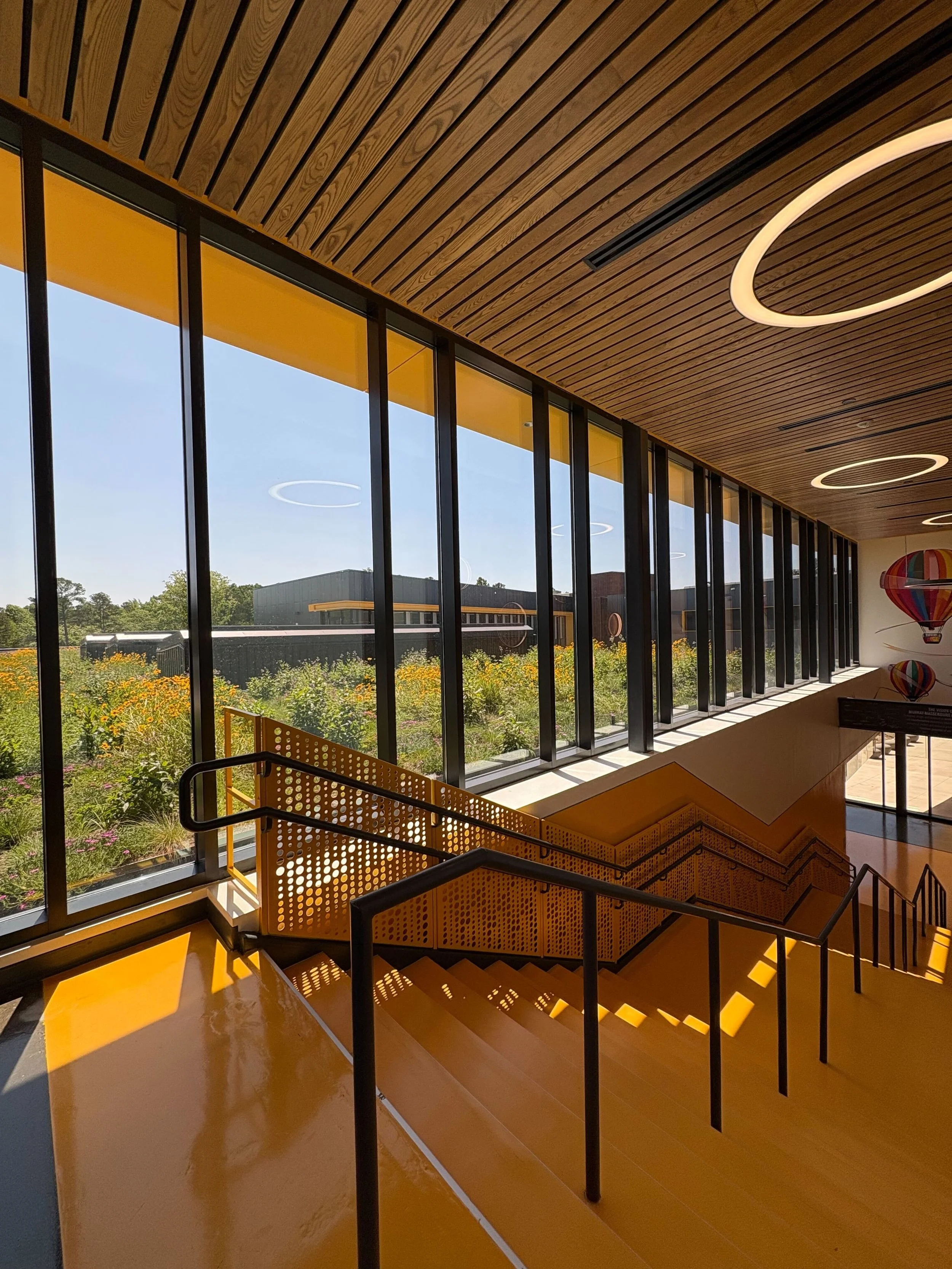
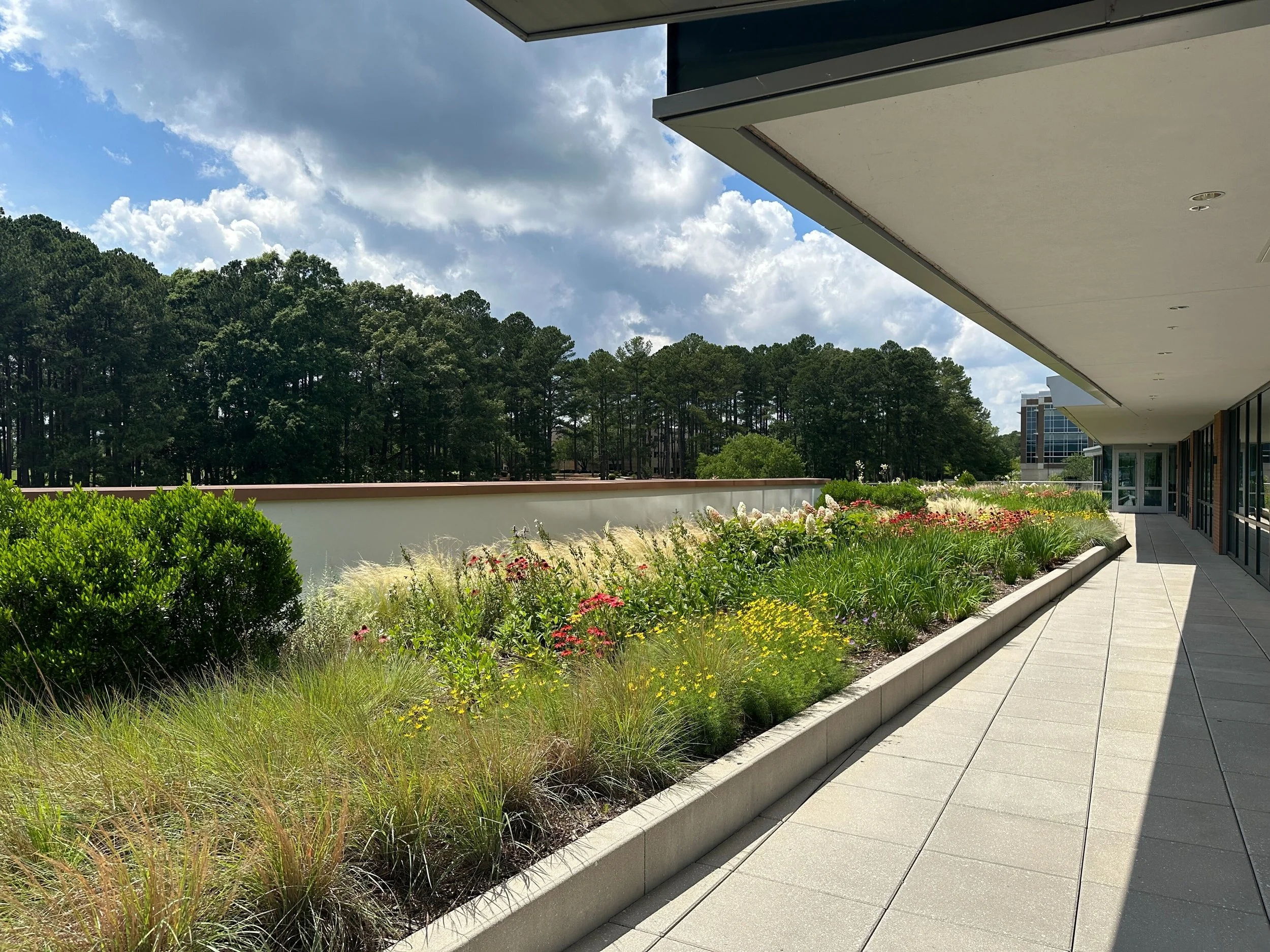
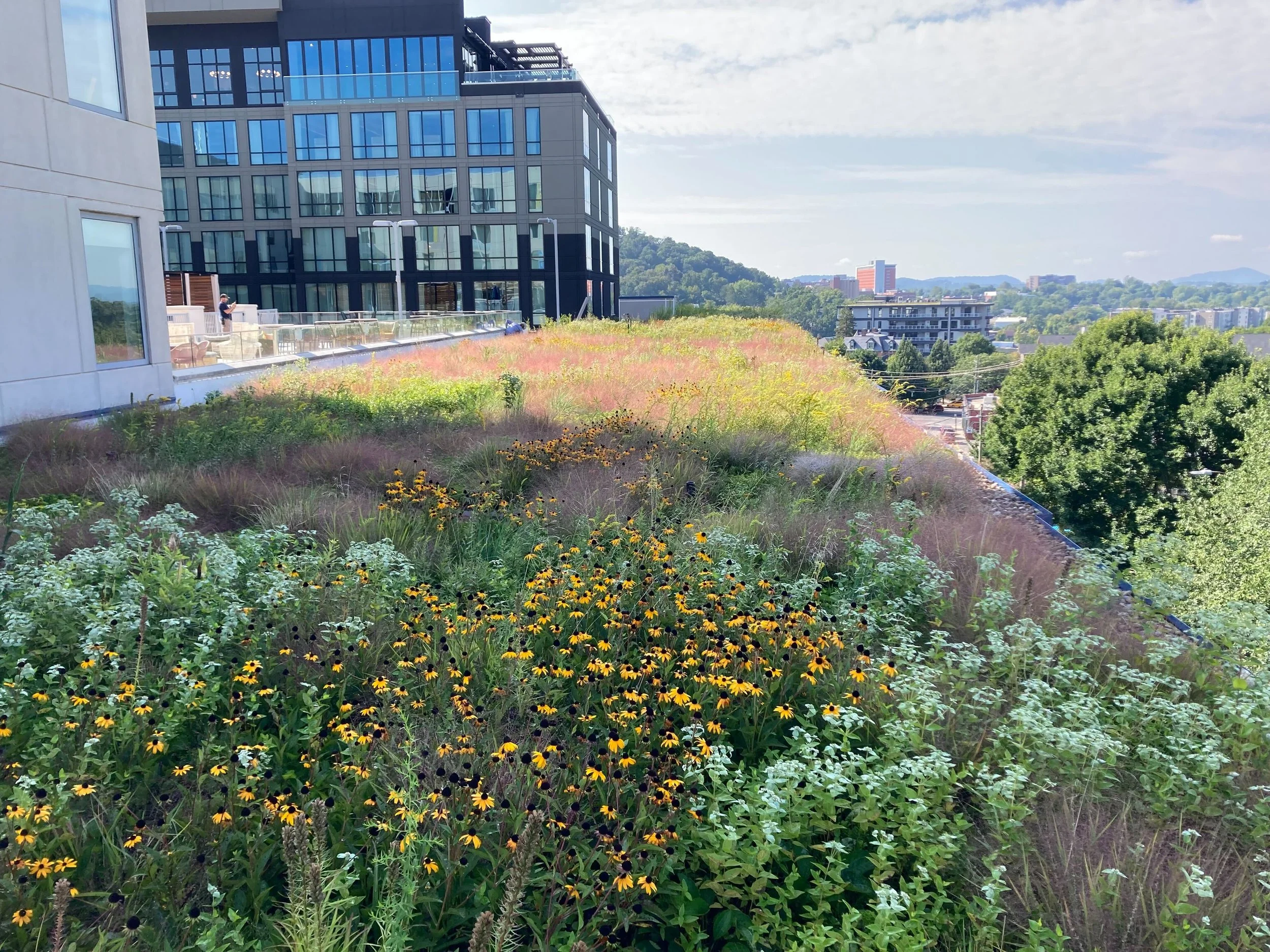
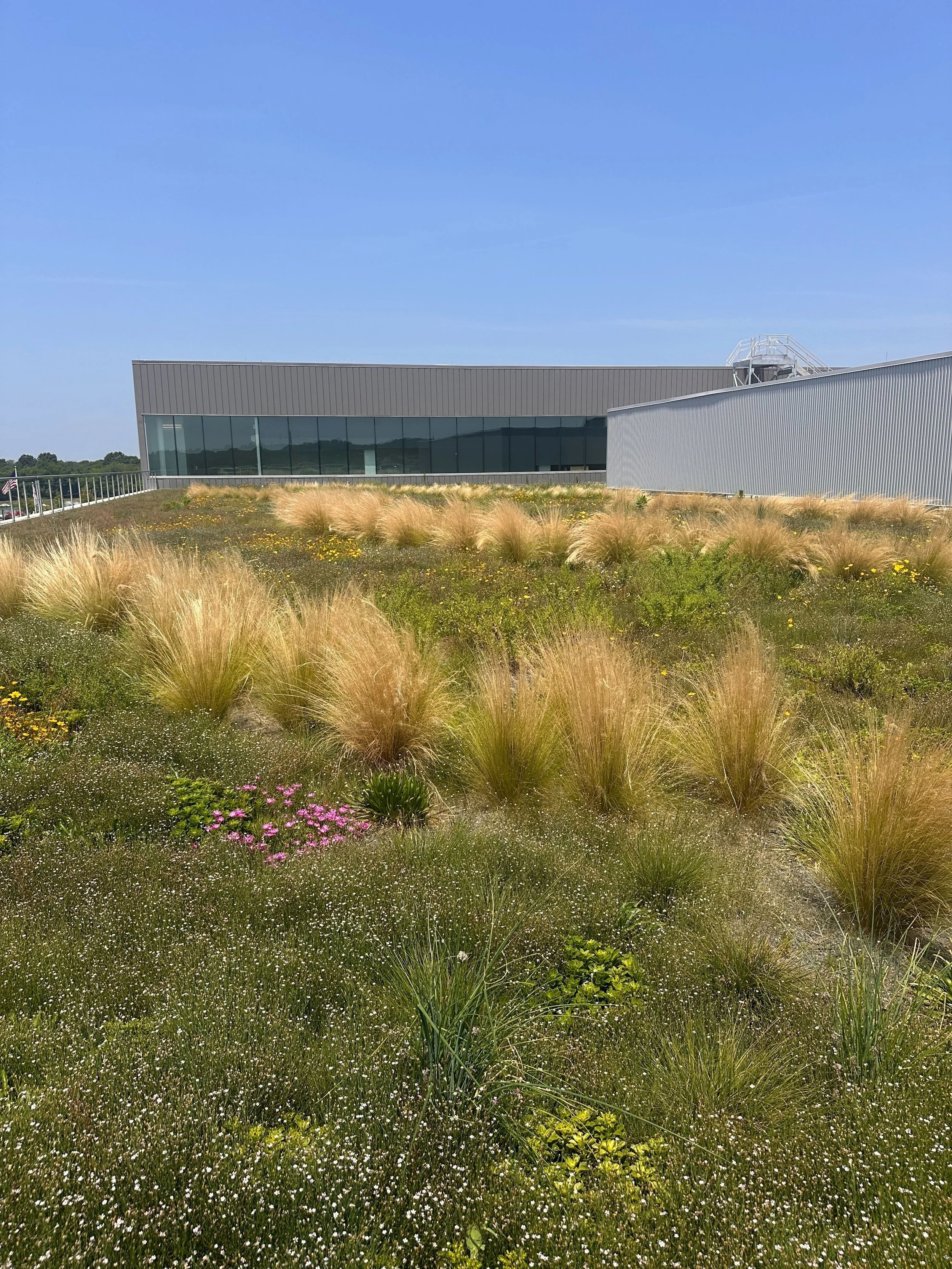
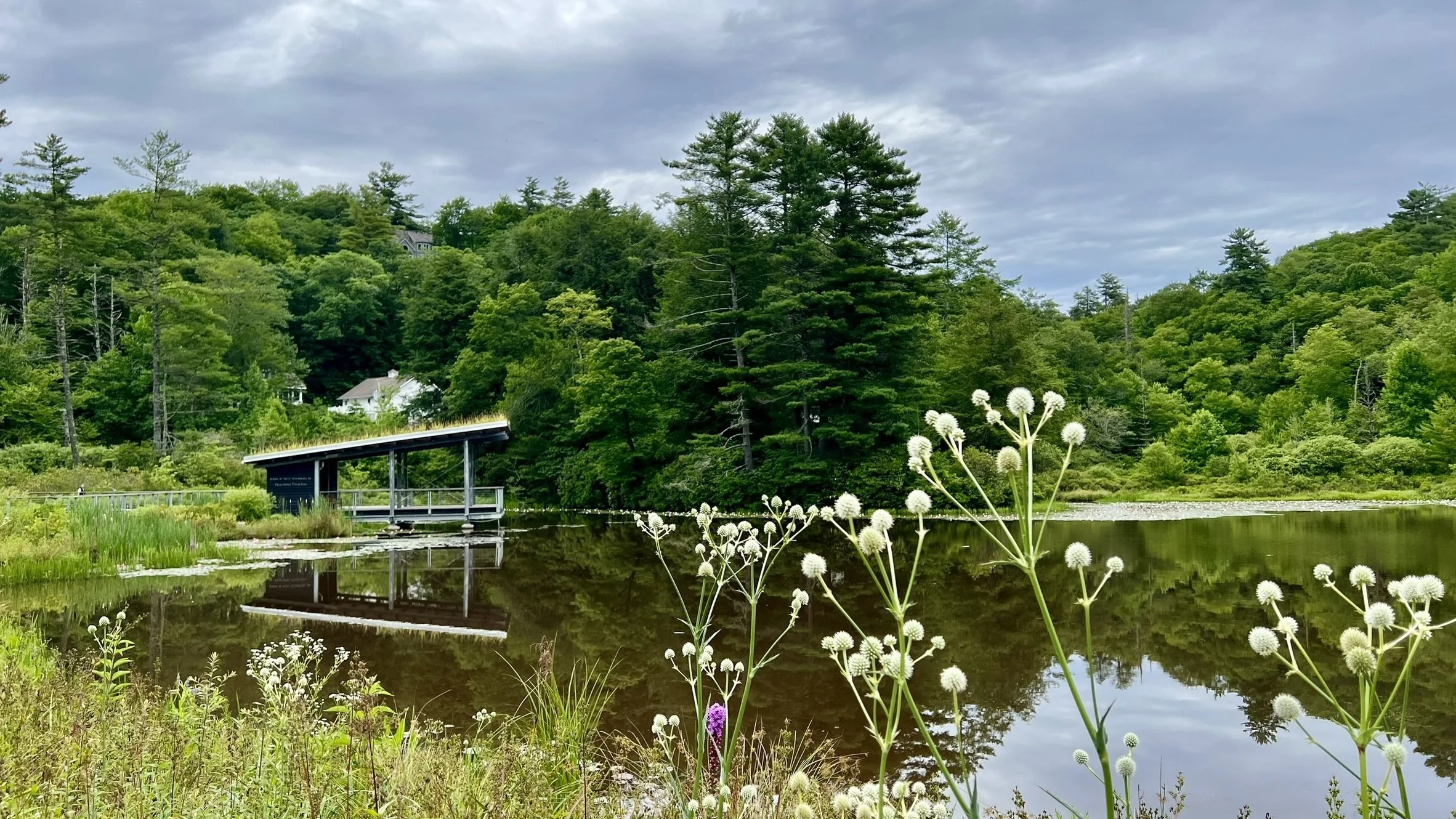
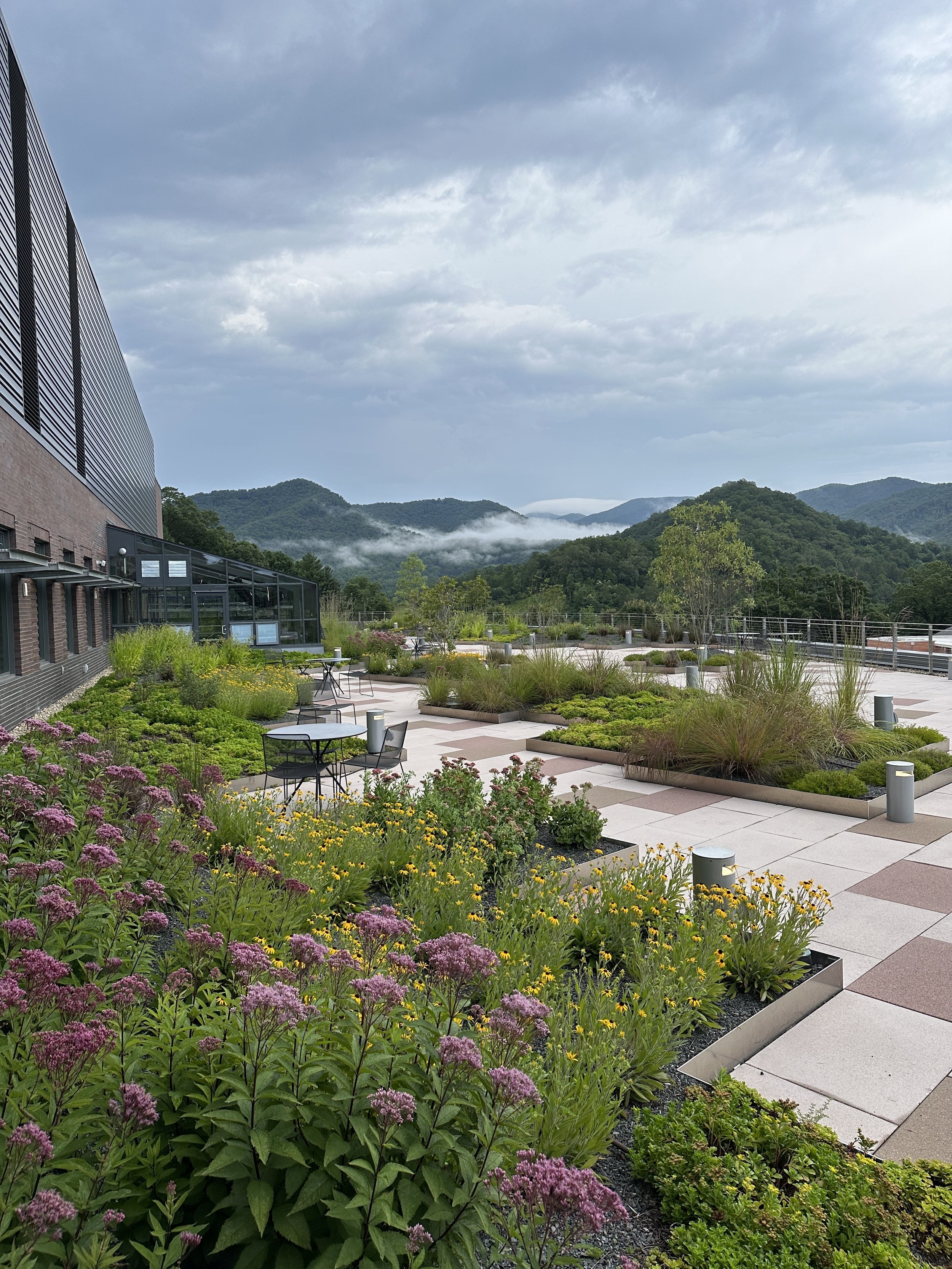
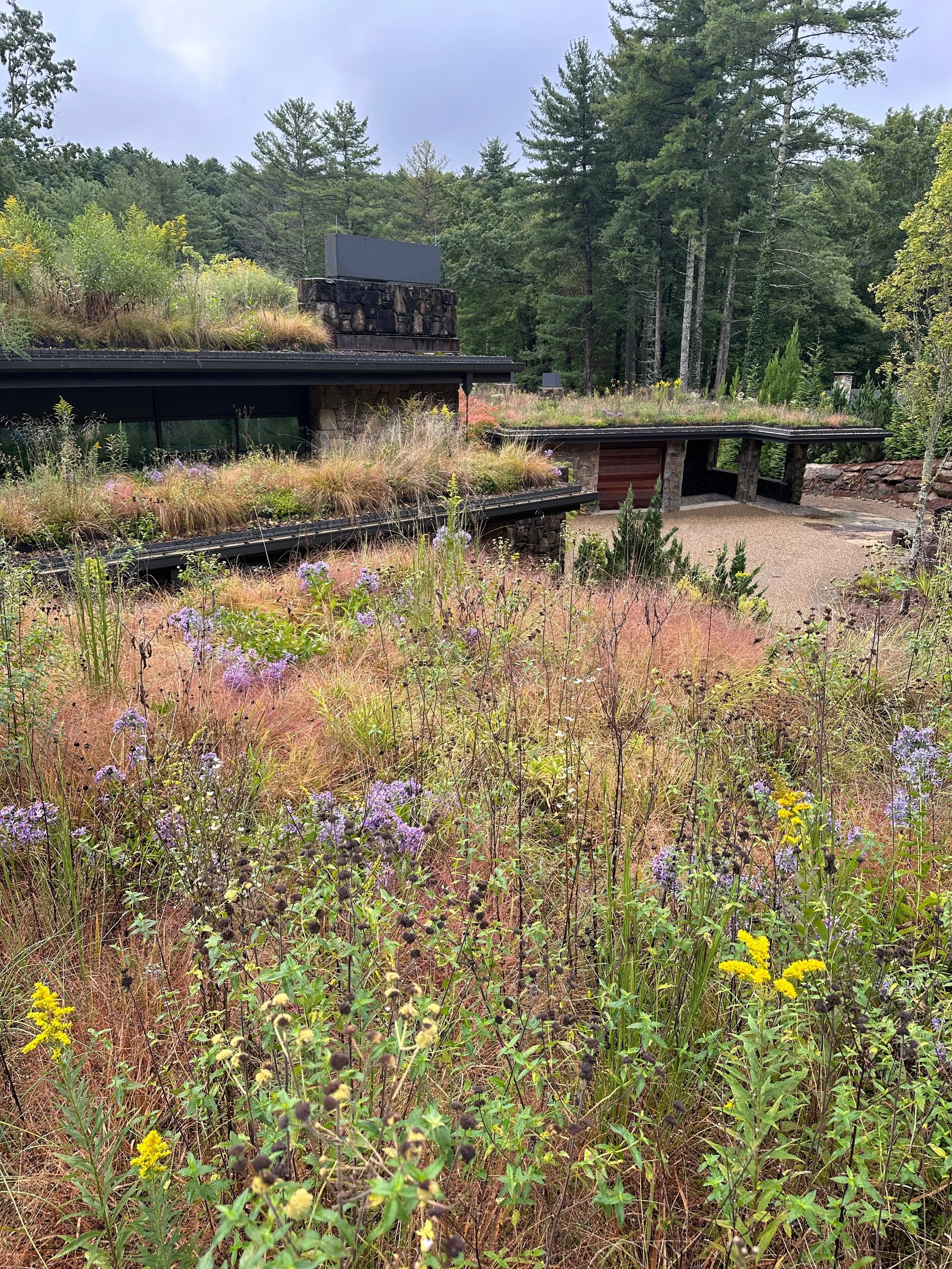
Photo 1: The green roof on the Murray Massenburg Elementary School was installed in 2023 in Durham, North Carolina. Photo taken by Zachary Briggs
Photo 2: RTI International in the Research Triangle area of North Carolina features an intensive system suitable for Ilex glabra and Hydrangea quercifolia native accent shrubs. Photo taken by Emily Gregory
Photo 3: The green roof above Garage Apartments in Asheville, NC reduces stormwater runoff volume by an estimated 69% (9,933 gallons) during a 10 year storm. Photo by Kira Young
Photo 4: The 11,000 green roof at Eli Lilly in Concord, NC features drifts of Nassella tenuissima complemented by Allium 'Summer Beauty', Petrorhagia saxifraga, Coreopsis pubescens and Delosperma cooperi. Photo by Emily Gregory
Photo 5: The green roof at the Highlands Biological Station in Highlands, NC supports plants endemic to the region. Photo by Anna Ahern
Photo 6: Nestled in the mountains of NC, the Western Carolina University Apodaca green roof and amenity space provides students an outdoor learning space. Photo by Emily Gregory
Photo 7: A private residence in western NC features late season pollination for insects and seeds for native birds. Photo by Emily Gregory
Green Roofs for Healthy Cities is a non-profit 501(c)(6) professional industry association working to grow the green roof and wall industry throughout North America since 1999. Our mission is to develop and protect the market by increasing the awareness of the economic, social, and environmental benefits of green roofs, green walls, and other forms of living architecture through education, advocacy, professional development, and celebrations of excellence.
We publish The Living Architecture Monitor quarterly online magazine where industry leaders share their insights and expertise. These articles increase awareness of the economic, social, and environmental benefits of green roofs, walls and other forms of living architecture.
We also offer free access to The Living Architecture Academy, an online professional development platform which is dedicated to bringing you the best, most up to date professional training information on design, installation and maintenance practices across a wide range of green infrastructure topics. The LAA offers short lectures and multi-day courses such as: Green Roof Professional Training, Introduction to Green Walls, Biodiverse Green Roof Maintenance, and more.
We also publish the Green Pages: Industry Green Roof and Wall Directory which is designed to support you with your living architecture projects by providing a list of trusted manufacturers, suppliers of accessories, green walls, nurseries, and certified Green Roof Professionals (GRPs). From small-scale residential projects to large commercial installations, this directory has everything you need to find support to create a sustainable and beautiful living space.
From the Living Architecture Monitor