Toronto Couple Turns to Green Roof as City Faces Climate-Driven Flooding
Sourced from Canada’s National Observer
When Julie Wang sees streets turn into rivers after another heavy downpour in Toronto, she thinks of the 600-square-foot patch of greenery on her roof — and feels a little less helpless.
“It’s a fantastic feeling to know you’re doing your part — for stormwater management and all the other benefits of the green roof,” said Wang, who lives with her husband, Edmund, in the city’s east end. “If everyone does their bit, the collective effect would be huge. That’s why I believe every flat roof in the city should be green.”
The Wangs are among a growing number of Toronto homeowners turning to green roofs — layers of vegetation installed on rooftops — as a way to help the city adapt to climate change. Flash floods are becoming more frequent and intense, overwhelming aging infrastructure and causing costly damage.
On Monday, Toronto ranked among the most polluted cities in the world, with wildfire smoke and extreme heat triggering simultaneous air quality and heat warnings in the Greater Toronto Area (GTA).
Last year, flash floods shut down highways, swamped basements and pushed storm sewers beyond their limits in cities across the GTA. Friends from Julie’s old neighbourhood in North York told her their basement flooded during storms.
While no single solution can stop these impacts, experts say infrastructure like green roofs plays a valuable role in helping cities adapt.
Julie and Edmund moved into their home on Gough Avenue about six years ago, bringing with them a shared commitment to sustainability — partly inspired by their daughter, who works in environmental conservation. A green roof was one of their top design goals.
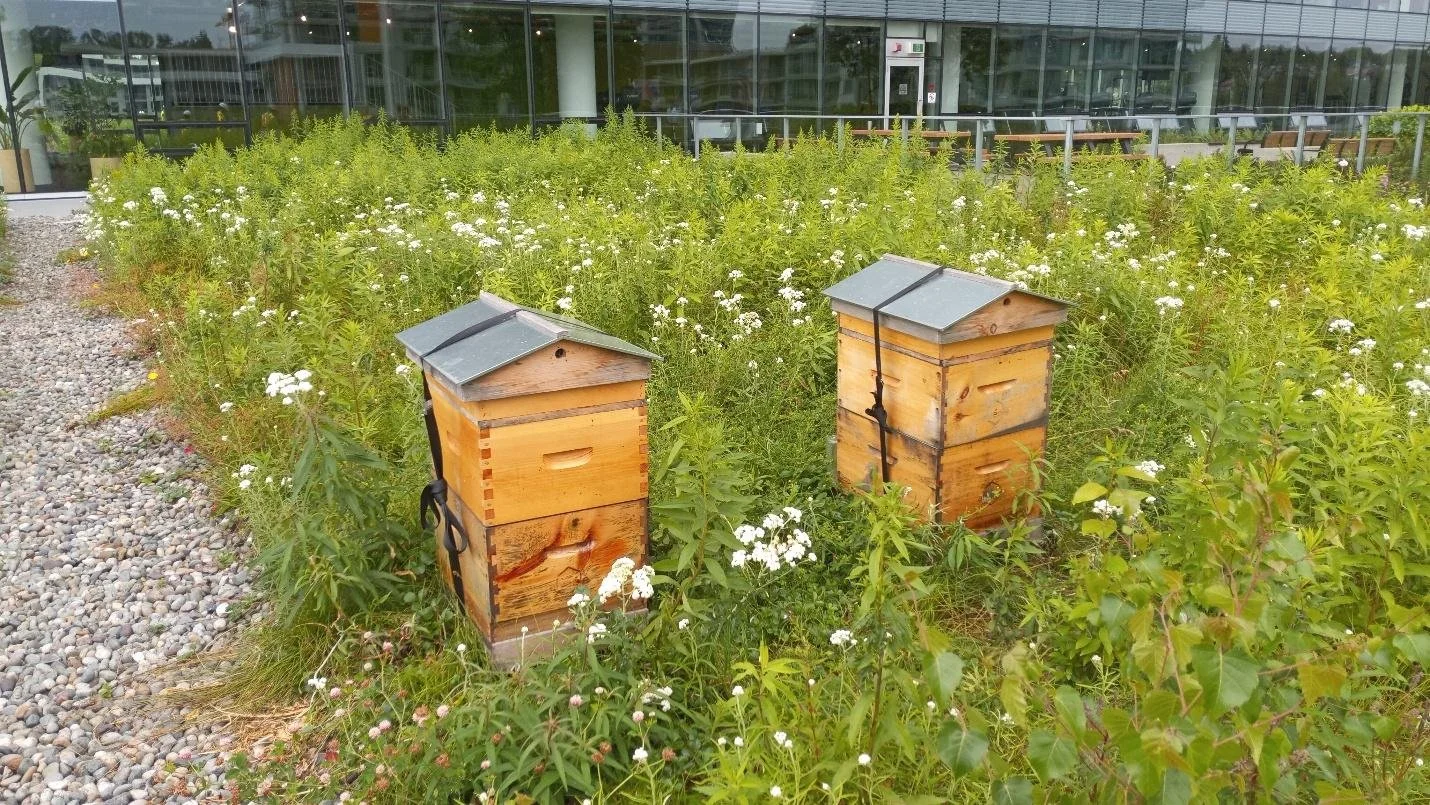
They weren’t sure how effective it would be, but the results quickly exceeded expectations. Their top floor is cooler in summer and warmer in winter, thanks to the insulating effect of the green roof. Sedum plants cover the roof, supported by a system that retains rainwater and reduces runoff. They estimate it absorbs more than 70 per cent of rainfall in a typical storm.
They also received a rebate from the City of Toronto’s Eco-Roof Incentive Program, which helped cover nearly half the cost.
From the Living Architecture Monitor