Why A Green Roof Could Protect You Against Microplastics From The Atmosphere
Sourced from IFL Science
Microplastics are everywhere and unavoidable. They’re in the water we drink, the food we eat, and the air we breathe. But if you’re a city slicker looking to reduce the impact of airborne plastic particles, a green roof could be your best bet.
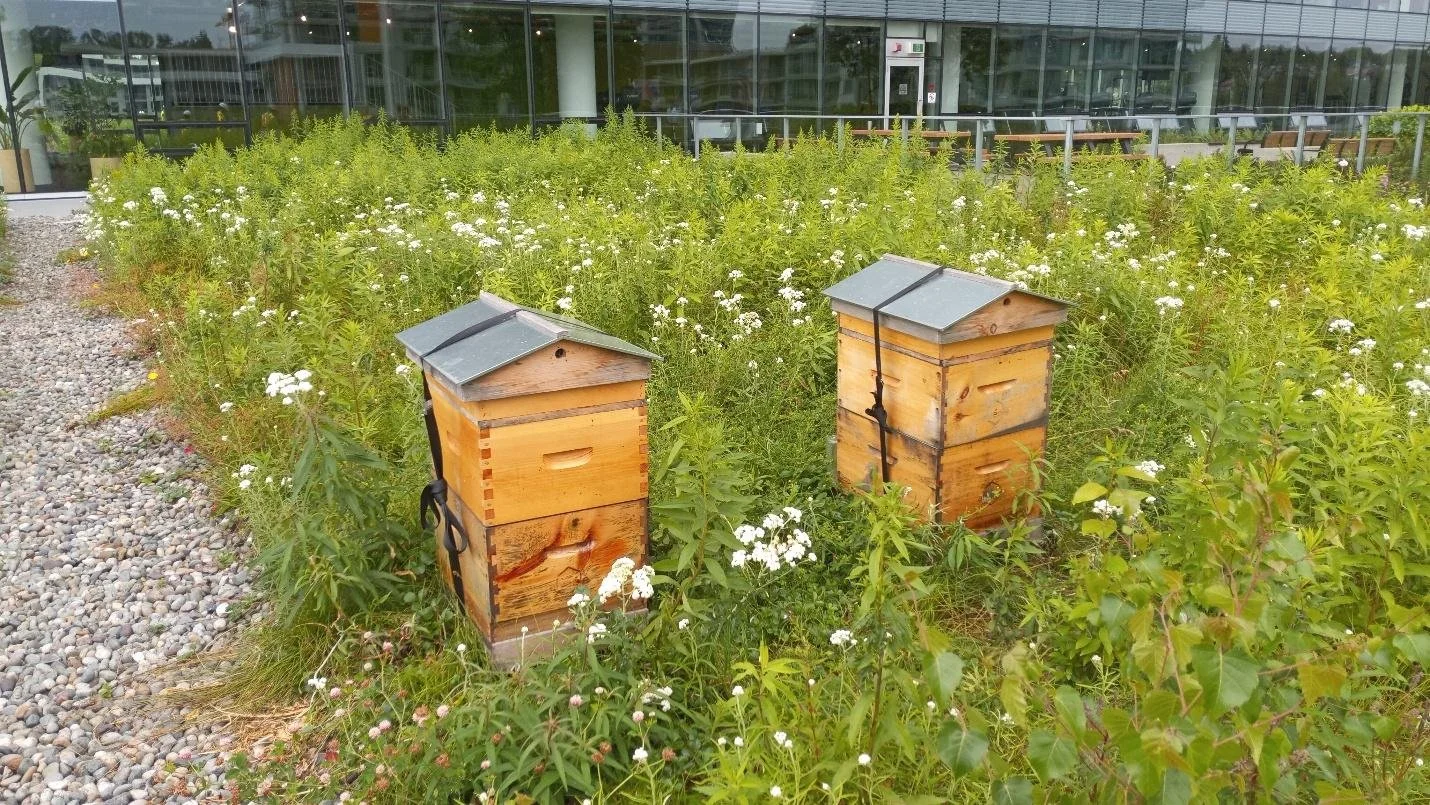
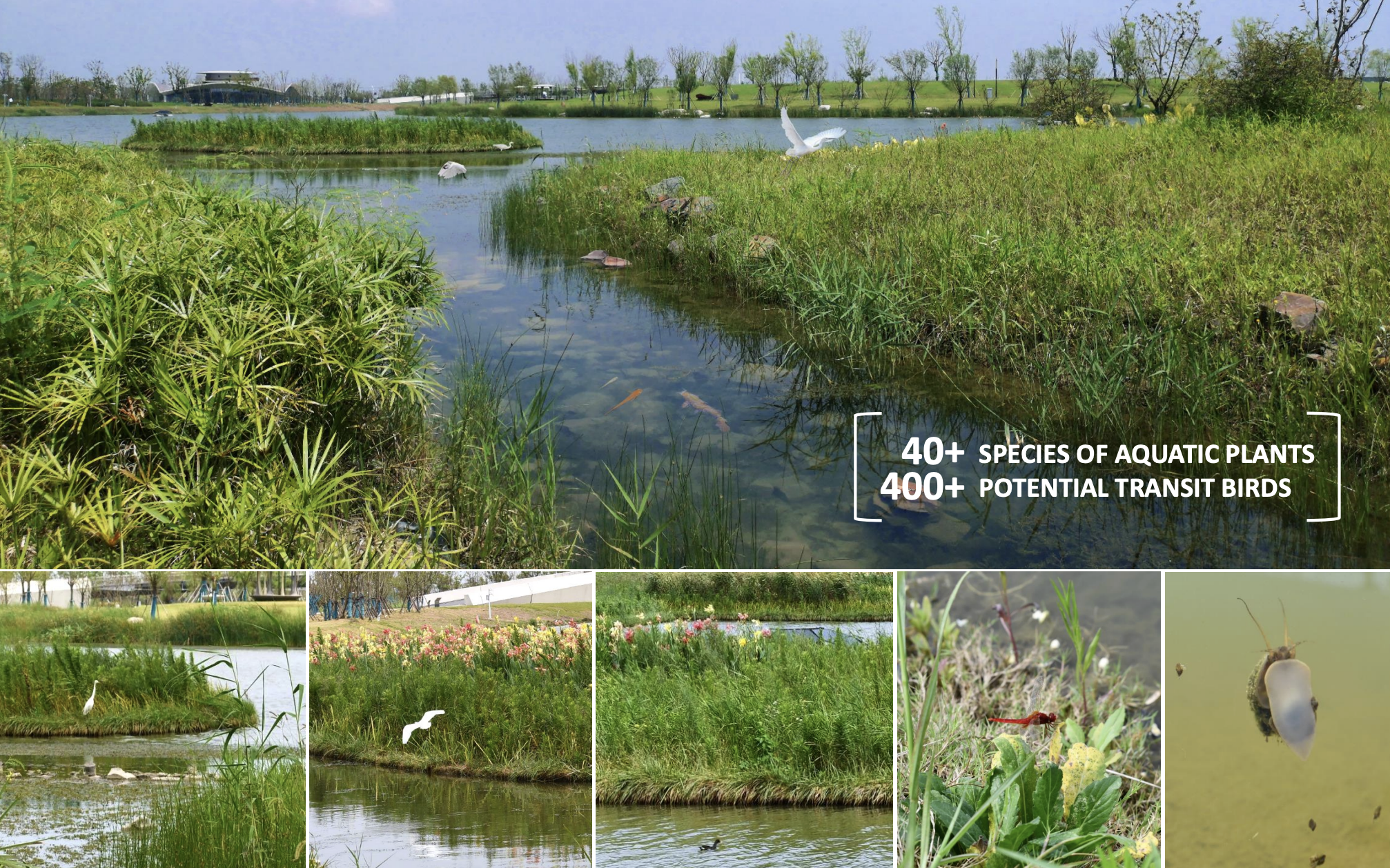
By green roof, we’re not talking about painting your house green. We're referring to urban infrastructure that’s topped with a lush array of flowering plants, shrubbery, and other vegetation.
Not only can they liven up a bleak cityscape and boost biodiversity, but green roofs have been shown to be effective tools to “cleanse” the urban air of smoggy pollutants by capturing airborne particles on plant surfaces, filtering contaminants through their soil layers, and absorbing gases like ozone and nitrogen oxides, thereby improving overall air quality.
In a new study, scientists at Tongji University in China have examined whether green roofs could have a similarly positive effect on reducing levels of atmospheric microplastics.
To investigate, the team examined several apartment rooftops across the megacity of Shanghai. Some were left bare, while others were covered with a thin layer of soil and planted with Rhodiola rosea and Sedum lineare, two plant species commonly used on urban green roofs in the region.
From the Living Architecture Monitor