Advertisement
Introduction
Our relationship with nature has always been a mixed bag. It is both a benevolent provider, and powerful destroyer of life. Over tens of thousands of years, humanity has struggled to survive ice ages, floods, storms, starvation, predators and more. All along, we have grown and evolved with our natural surroundings. Our environments have, and continue to, shape us. Now, with the rise of cities and technology, we have had the power to shape our environment like never before and even create alternative virtual realities.
The biophilia hypothesis, a concept popularized by E. O. Wison, draws our attention to the benevolent aspects of nature. It recognizes that we have evolved to love and value aspects of the natural world and our environment that support life – things like plant diversity, running water, camp fires, bird song and shelter to name a few. Biophilia is believed to be hard wired into our DNA. It is something that appears to transcend language and culture.
The existence of biophobia, on the other hand, reminds us that there are many things in nature that we fear because they can harm us – like bears, sharp objects, spiders, snakes, wasps, and other insects. Biophobia also has its origins in evolutionary survival instincts,(fear of snakes/spiders means fewer snake or spider bite deaths). But biophobia, while hardwired to some extent, can also result from learned behaviour. Different societies have varying degrees of biophobia built into their language and culture and hence greater or lesser relationships with their natural environments. Children are often taught to fear certain things, whether they are dangerous or not, like mud or bees, and may pass these fears onto their children.
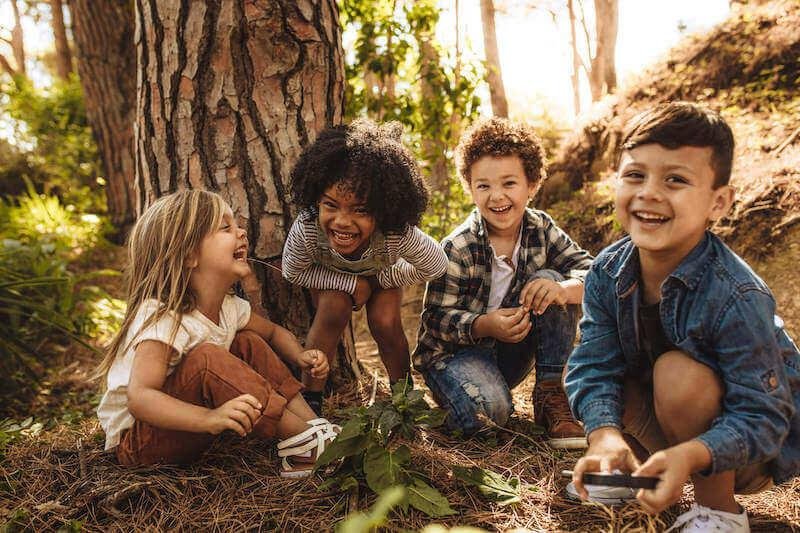
When children spend time in nature they not only learn about it so they don’t fear it, and this helps them become healthier, both physically and mentally. As adults, they are also more likely to protect nature. Photo: Wikipedia.
Engagement and Biophilic Benefits
Biophilia and biophobia are deeply rooted characteristics of the human experience and both have played a role in our survival. Their benefits must be activated through some form of engagement, or they can be over-ridden. Engagement requires opportunity. Despite their natural curiosity, children growing up with little or no relationship to the natural world, that are surrounded by war, poverty, or trapped in cars speeding around cities, will be less able to appreciate and experience the many physical and mental benefits that result from biophilic environments. Without this contact, they may come to fear nature, and avoid natural areas.
The benefits of time spent in nature for children and adults are well documented. The American Psychological Association published an article in 2025 by Kirsten Weir in which she states:
“From a stroll through a city park to a day spent hiking in the wilderness, exposure to nature has been linked to a host of benefits, including improved attention, lower stress, better mood, reduced risk of psychiatric disorders, and even upticks in empathy and cooperation. Most research so far has focused on green spaces such as parks and forests, and researchers are now also beginning to study the benefits of blue spaces, places with river and ocean views.”
Advertisement
The Growth of Biophobia
Biophobia may be defined as the fear, dislike, aversion or disgust of non-human organisms and natural environments. (BES p.4) The global trend toward more urban living, combined with the powerful pull of the digital world is resulting in less and less time spent in nature, and more time spent online. Current evidence suggests that the presence of biophobia is highest in countries that are more economically advanced and urbanized. Masashi Soga, an ecologist researcher at the University of Tokyo, specializes in researching the psychological benefits of nature. He studies how people’s interactions with nature affect their attitudes toward it and has written about the rise of biophobia in society and its potential dangers:
“If a person lacks the knowledge to interact with wildlife safely, or never learns to tell the difference between approachable and potentially dangerous species, aside from avoiding nature, they become ignorant of the natural world. This ignorance often leads to the sharing of sensationalist stories and spreading of misinformation. The result is growing biophobia at the societal level and fewer people interacting with nature. And, since people are unlikely to protect something they fear, the end result is a cycle of environmental degradation.”(Harwitz)
Biophobic people are not only less likely to protect nature, they may even seek to destroy or harm it. Research suggests that the levels of biophobia within individuals and societies can change quickly. The novel coronavirus disease (COVID-19) pandemic for example, raised public awareness that bats can serve as vectors for various coronavirus strains. This resulted in a significant surge in negative public attitudes towards bats. (Soga) I shall never forget the trauma of seeing someone spraying insect repellant on a little brown bat which was trapped inside their house and just desperately seeking a way out. This event is but one example of what can result from a combination of ignorance of nature with fear. At a societal scale, ignorance of nature and the indispensable ecosystem services it provides by political leaders is one reason for the continuance of destructive policies and programs, and nature’s systemic undervaluation.
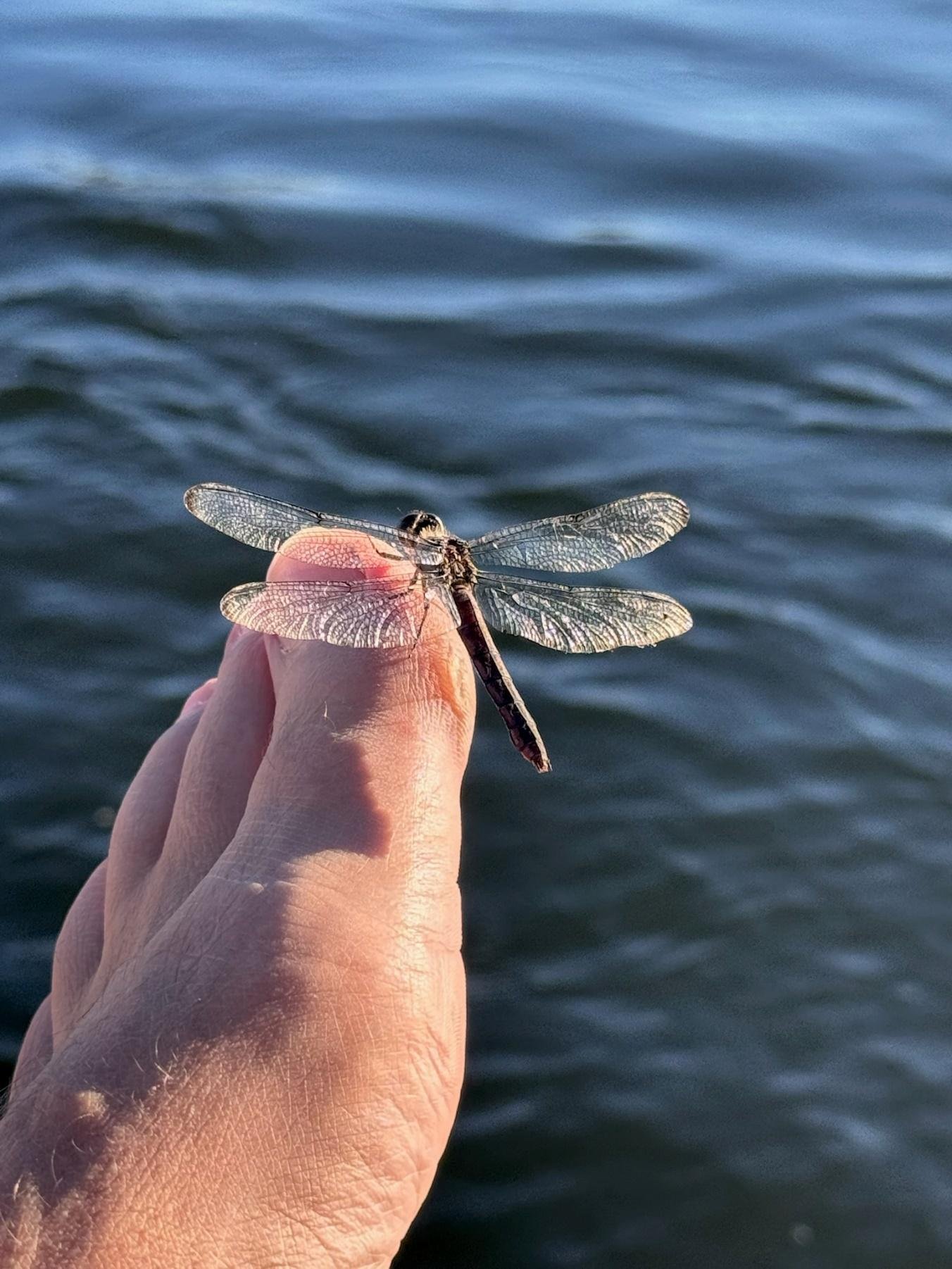
Biophilia, while backed into our DNA, still has to be activated through nature engagement. This also helps us to learned not to fear nature, like this dragonfly which does not bite humans and eats biting insects like deerflies and blackflies. Source: Todd Latham.
Why Nature Needs Child Advocates
Experiencing and having knowledge of the positive, biophilic aspects of nature is a foundation for caring for and loving it. While innate, biophilia must also be triggered, or it can remain dormant. Nature engagement and education is critically important if we are to maintain human health and well-being, and support the political basis for nature protection, conservation and restoration. Children are key to this undertaking. As children, we are naturally curious and open to having a healthy relationship to the natural world. Our ability to do so often depends greatly on the attitude of our parents or guardians, as well as our ability to access nature at a young age, even in the form of a small urban park. Did your parents let you climb trees, jump in puddles, catch insects and play in the mud when you were growing up?
Being able to safely engage with nature as children and learning the difference between biophilic and biophobic elements are essentials. Understanding the differences between a black fly, deer fly and a dragon fly for example, is a natural process. It, like many other lessons, is rooted in our day-to-day experience of nature that has been a constant in our lives for millennia. Nurturing biophilia in turn, lays the groundwork in us to protect nature. (Note: dragonflies eat insects like black flies and deer flies which will bite you if given the chance.)
Advertisement
Designing Communities and Buildings for Human Health
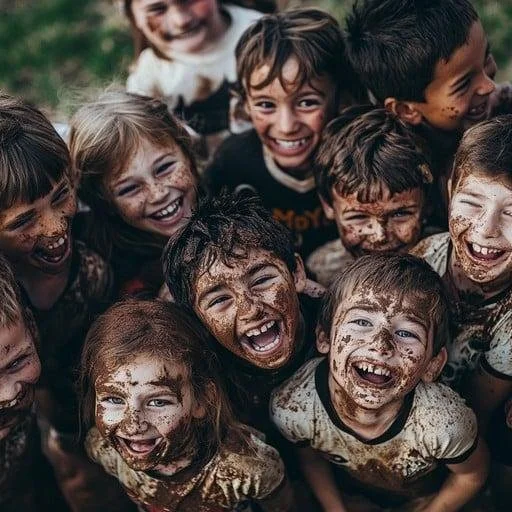
Nature needs children. Children that grow up with regular experiences of nature, whether a green roof or a local or regional park, are far more likely to be prepared to advocate for nature as adults. Source Wikipedia.
Engaging with nature requires opportunity. Given the growing body of scientific literature correlating positive health outcomes to time spent in nature, it appears that designing communities and buildings with nature integration as a central feature is becoming increasingly recognized as important as clean water, waste collection and transportation infrastructure. Linda Powers Tomasso, an environmental health researcher specializing in human-nature interactions at the Harvard T. H. Chan School of Public Health in Boston writes:
“If you don’t care about something, you’re not going to take that next step to protect it. That’s why education, nature mentorship, and making natural places and urban green spaces welcoming and accessible are so important for conservation and human well-being.” (Deville and Tomasso)
Hence, in addition to reducing the urban heat island, supporting biodiversity, cleaning the air and managing stormwater, many biophilic elements (i.e., green infrastructure, living architecture, nature-based solutions) have a direct and positive impact on human health. The more time spent with nature, the greater the impact. The movement to design children’s playgrounds with the use of natural materials that provide opportunities for direct engagement with water, soils, plants and mud, is a great start.
Urban forestry has tremendous underrealized potential to support healthier neighborhoods and to teach children about the many benefits of trees, not to mention the provision of opportunities to climb one. Edible landscapes which feature fruit trees can help people reconnect with nature and its fundamental role as a source of food.
The development of sponge cities, whereby natural systems are restored and reintroduced to help manage extreme rainfall events and prevent flooding, while also providing recreational activities for city dwellers is another positive trend. (Malik)
How cities operate and manage their green spaces also has an important impact in this regard. Some cities actively promote community-based maintenance of green infrastructure, such as bioswales. Then there is the ability of cities to reduce the area of mown grass in city parks and boulevards, thereby allowing meadows to emerge. This not only saves cities money, it provides people with the chance to see a variety of wildflowers, grasses and insects up close.
Advertisement
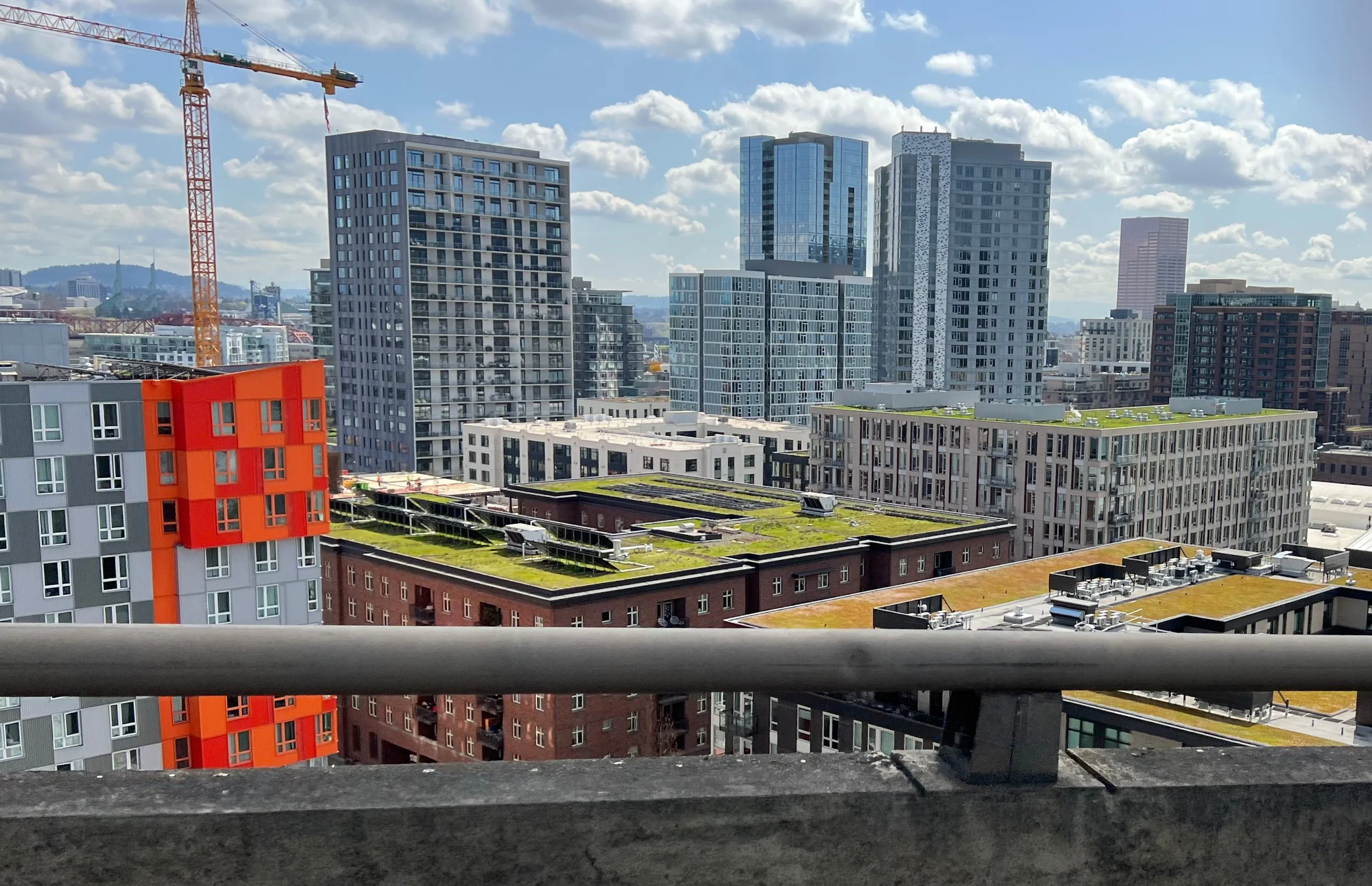
Accessible or visually accessible green roofs designed for biodiversity on the tops of schools hospitals, apartment and office buildings provide designers, developers and building owners with opportunities to improve the performance of buildings and provide meaningful engagements with nature. Examples of how to do this are beautifully provided by Bruce Dvorak in his LAM article in this issue entitled, “Planting Green Roofs for Biophilic Effects”. Living green walls are an excellent way to cool cities while also providing impactful biophilic benefits, particularly when the plantings are diverse.
Then there is the opportunity for biophilic design within buildings. Bill Browning has done a fantastic job of identifying, from the scientific literature, the 14 key patterns of biophilic design. In their recently updated book, Nature Inside: A Biophilic Design Guide Vol. 2, Browning and Ryan articulate the principles and processes of biophilic design in practice, showcasing a variety of interior spaces and highlighting exemplary projects including:
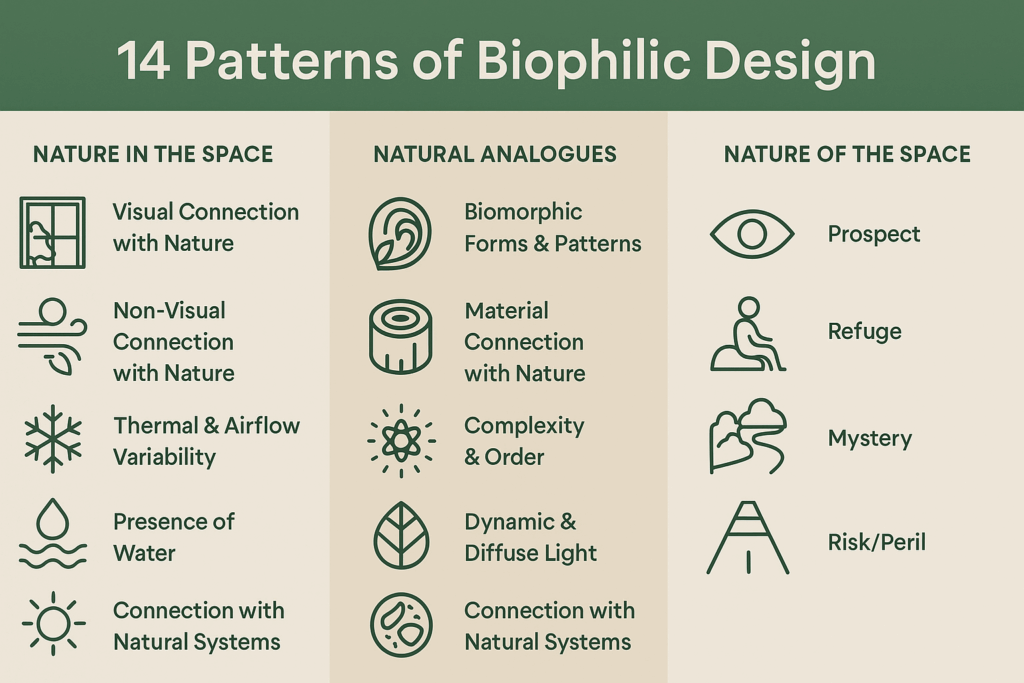
Bill Browing and his team have identified these 14 fundamental patterns of biophilic design which they describe in great detail in their book entitled, Nature Inside: A Biophilic Design Guide, Vol. 2. (2026)
PDX International Airport Terminal, Portland, by ZGF Architects
Maggie’s Centre, Leeds, by Heatherwick Studio
The London home of Kelly Hoppen MBE
Seesaw Coffee, Beijing, by nota architects
The Spine, Liverpool, by AHR
Central Library, Calgary, by Snøhetta
The opportunities to redesign and redevelop our buildings and communities, in terms of preparing for extreme climate impacts, supporting human health and well-being, allowing children to engage with nature, generating economic returns, and biodiversity are truly enormous.
Conclusion
There are many forces in play supporting the unhealthy spread of biophobia, not the least of which includes the addictive pull of the online world, and the ongoing urbanization of humanity. Thankfully, design professionals, developers and policy makers have the knowledge and tools to design and redevelop buildings and communities that simultaneously help us prepare for the impacts of the climate crisis, while ensuring urban populations can thrive in healthy, restorative environments. A green roof or green schoolyard can store water, cool the neighborhood, and provide biophilic experiences for people in an urban setting. Biophilic elements in our urban areas should be considered as essential infrastructure that must be protected, restored and expanded in order to future proof cities against climate extremes, and give the next generation the opportunity to engage with nature and learn to love, cherish and protect it.
Note: Please join us at the CitiesAlive conference in New York City and take Bill Browning’s master class on biophilic design, September 30 to Oct. 2, 2026. www.citiesalive.org.
Advertisement
Steven W. Peck, GRP, GRIMP is the founder of Green Roofs for Healthy Cities and the Editor of the Living Architecture Monitor.
Resources
Kirsten Wier. Nurture by Nature. https://www.apa.org/monitor/2020/04/nurtured-nature. 2025.
Emily Harwitz. Beware Creeping Biophobia. (https://hakaimagazine.com/news/beware-creeping-biophobia/. 2023
Masashi Soga and Maldwyn J. Evans. Biophobia: What it is. How it works. And why it matters. British Ecological Society. https://besjournals.onlinelibrary.wiley.com/doi/pdf/10.1002/pan3.10647. p.5
Nicole Deville, Linda Powers Tomasso et. al. Time Spent in Nature Is Associated with Increased Pro-Environmental Attitudes and Behaviors. https://pubmed.ncbi.nlm.nih.gov/34299948/. 2021. The authors call for more research to understand the duration and frequency of time spent in nature which is required to support pro-environmental attitudes and behaviours and reverse or present nature alienation.
Rushil Malik. Sponge Cities and Nature Based Stormwater Management. Water Issue 2026. Living Architecture Monitor. www.livingarchitecturemonitor.com
Bruce Dvorak. Planting Green Roofs for Biophilic Effect. Living Architecture Monitor, Biophilic Issue 2026. www.livingarchitecturemonitor.com
William Browning and Catherine O. Ryan. Nature Inside: A Biophilic Design Guide. Volume 2. 2026. RIBA Publishing.
See the www.livingarchitectureacademy.com for an introductory online lecture by Bill Browning on Biophilic Design.