Articles
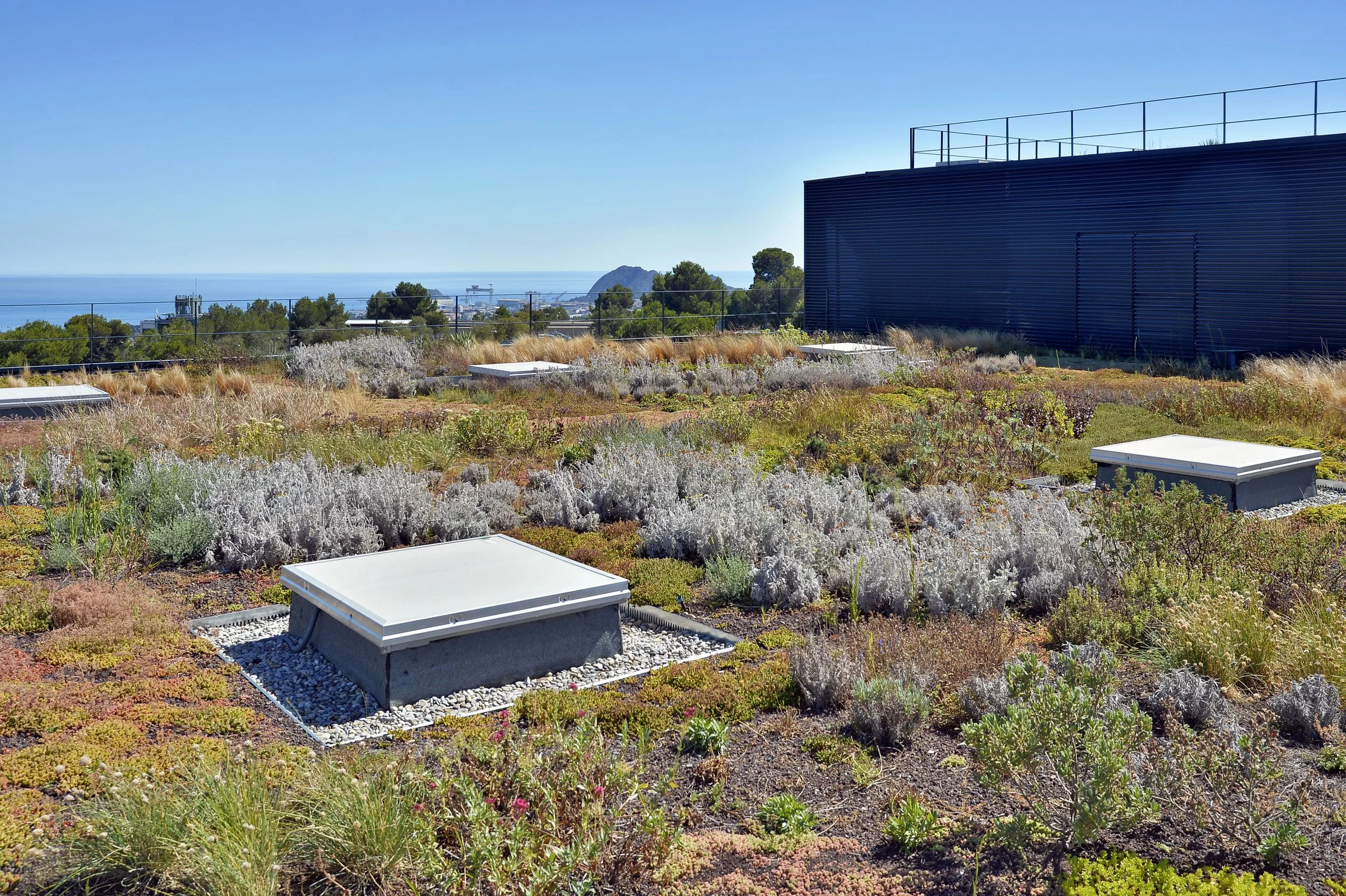
In France, a New Law Supports Green Roofs on Buildings
Promulgated on August 24, 2021, the Climate and Resilience Act includes article 101 that strengthens and expands previous laws in favor of implementing green roofs. The French government is taking these additional steps so that green roofs can be implemented more widely, particularly to promote the acceptance of biodiversity and the fight against climate change.

Experimental Evidence for Delayed Stormwater Runoff From Building Roofs Covered With Suspended Vine Canopies
Rainfall interception by the leaf canopies of natural forests are typically 25% of annual rainfall. Promoting canopy interception in the urban environment (e.g., roofs and parking lots) with vine canopies grown on suspended trellises could delay and reduce urban stormwater runoff and suppress peak flows.
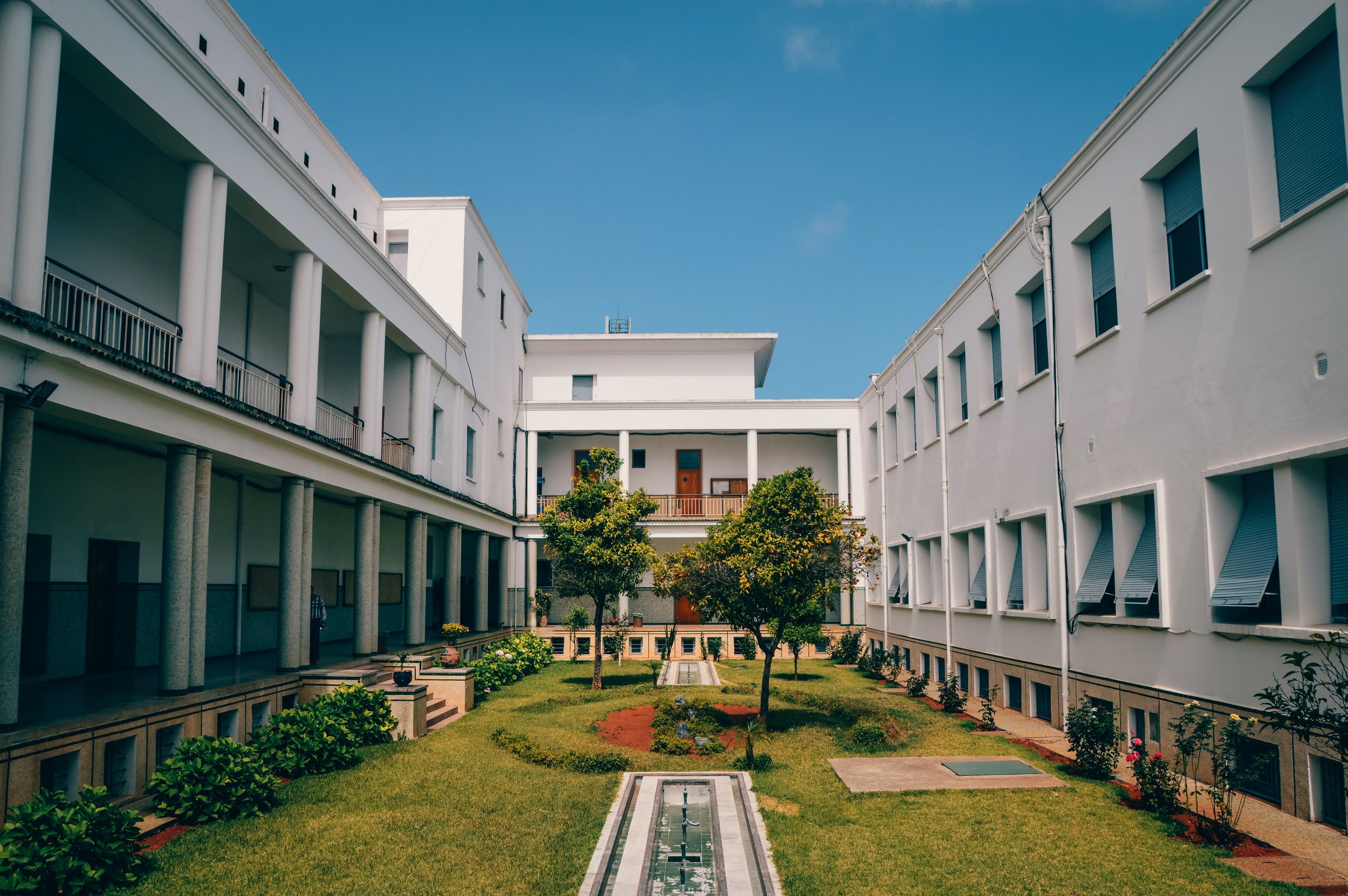
Biophilic Design for Schools & More
This article provides an overview of the new products and services being offered by GRHC as well as a list of new members, GRPs and upcoming events over the next quarter.

Eight Key Lessons from the Eye of the Pandemic Storm – Designers Take Note
Some of the hard lessons of the pandemic hold promise for the green roof and wall industry, and for society as a whole, and may help designers respond to the new wave and waves to come.
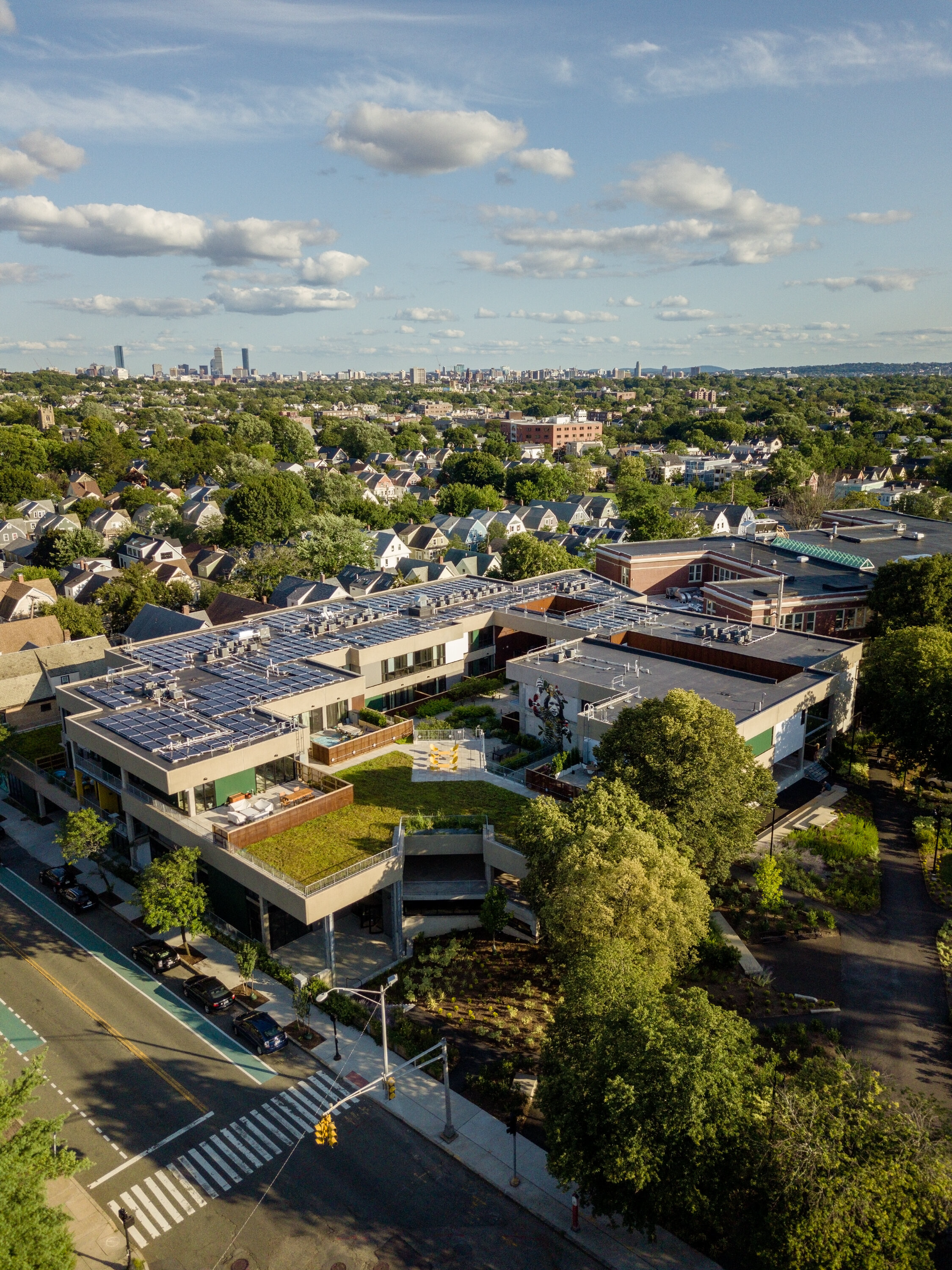
Award Winning Powderhouse Project: An Exquisite Synthesis of Art and Nature
The Jeffrey L. Bruce Awards of Excellence winning Powderhouse intensive green roof in Somerville, MA illustrates the function and beauty of integrating nature and built form into design. The former elementary school - vacant for 15 years - was brought back to life by a team featuring Recover Green Roofs.
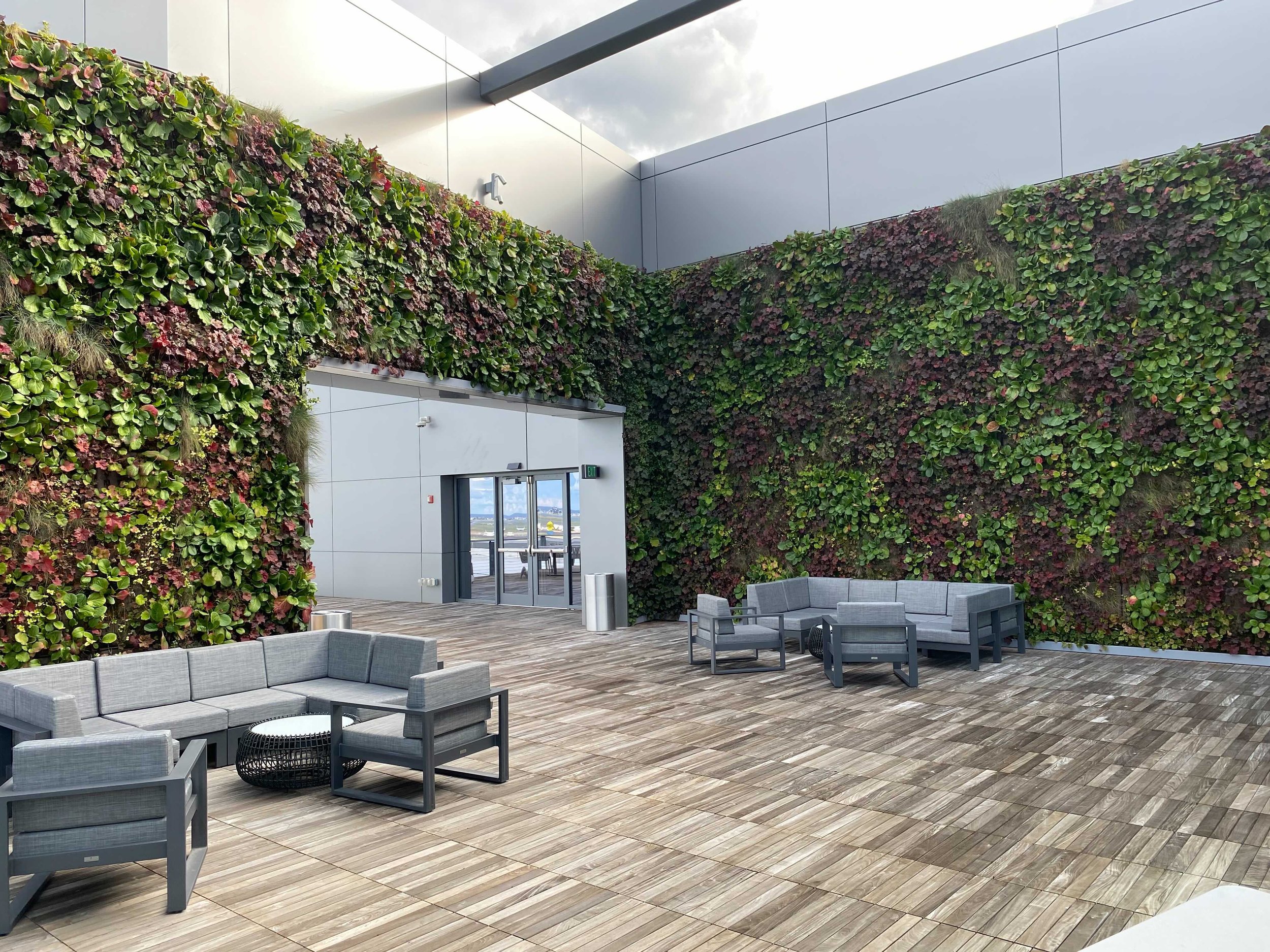
How to Keep Exterior Green Walls Alive in the Winter
There is a growing demand for planting exterior green walls in cold climates, but freezing temperatures can take a toll on plants in these systems. Three experts weigh in to share their winter survival secrets: Joep van Vilsteren of Sempergreen; award-winning green roof and wall designer Randy Sharp; and Lucas Moran of green wall manufacturer New Earth Solutions.
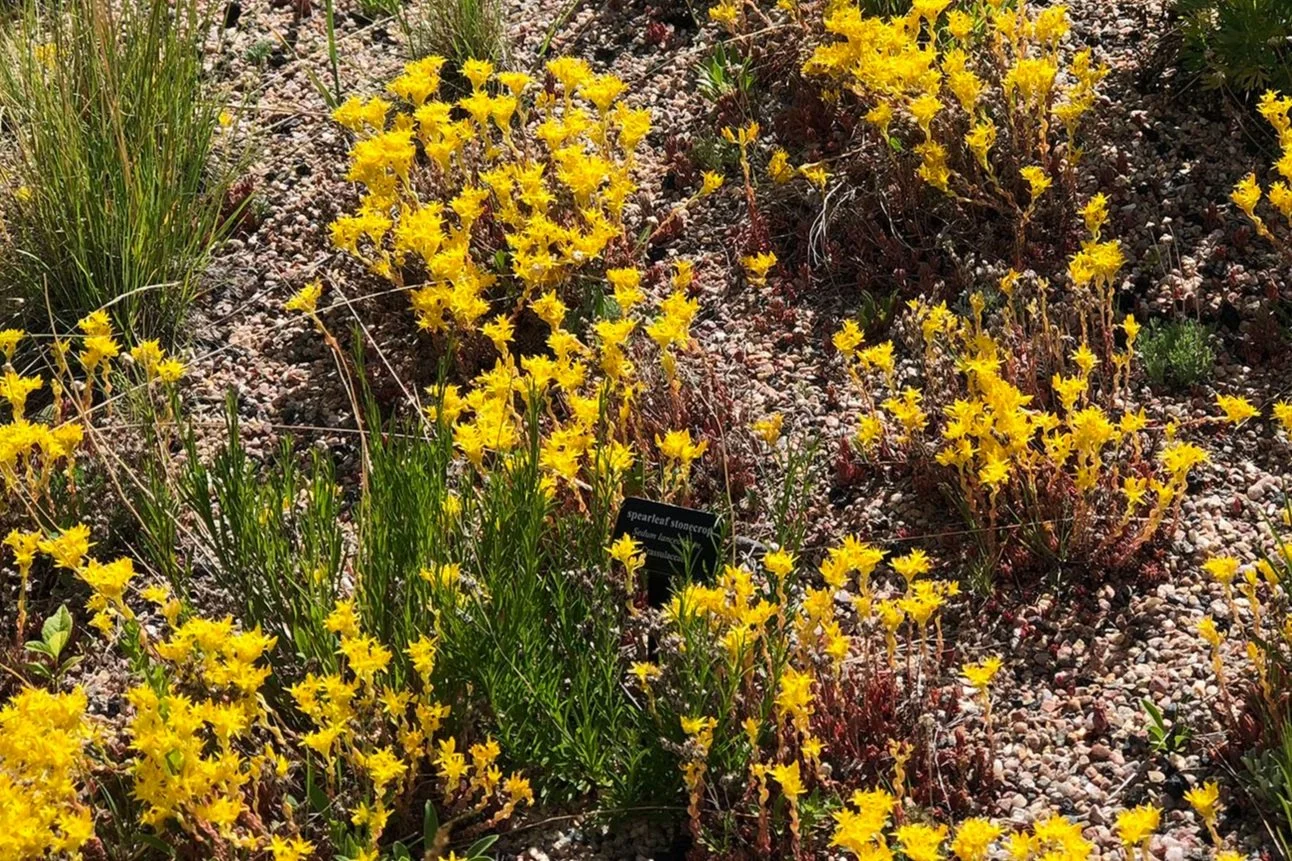
Planting Living Roofs for Native Pollinators (Part I: Sedums)
Green roofs can recover space for pollinators in dense urban environments, where native ecosystems once persisted. This article is the first of several that will focus on the unique role of living roofs made for the preservation of native pollinators - looking at Sedums in particular.
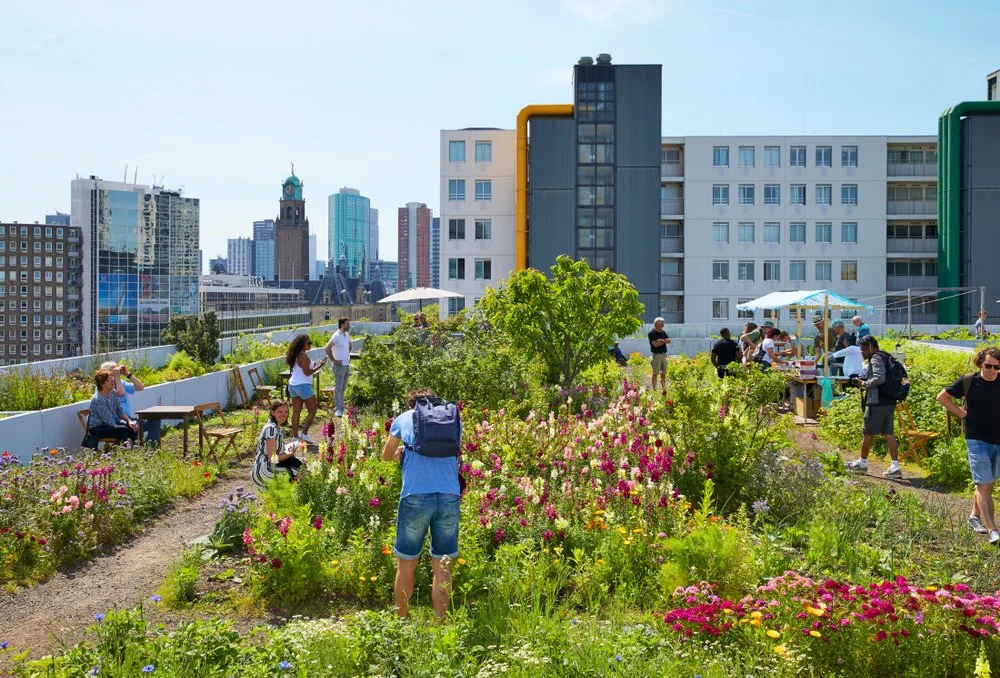
New European Proposal for Energy Performance of Buildings Is a Missed Opportunity for Nature and Well-Being
The European Union’s new Energy Performance of Buildings Directive falls short when it comes to the integration of living architecture, despite widespread public support for having more nature in cities and more government action on climate change.
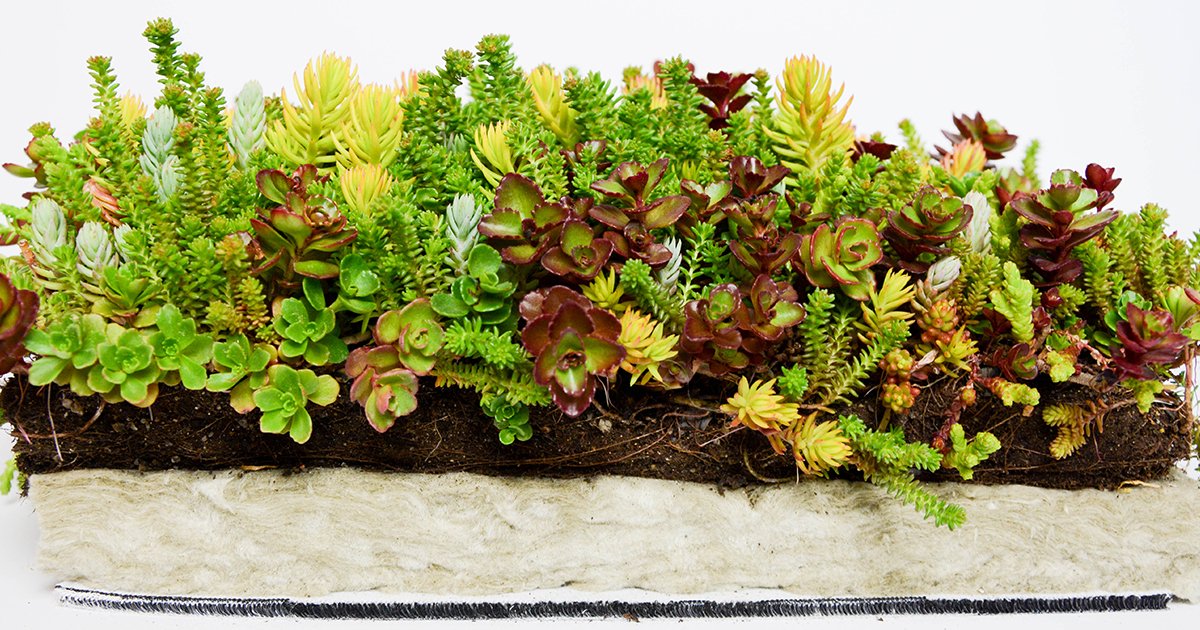
Why Evapotranspiration and Retention Volumes are the Same
How much water can a green roof retain? The rate at which the roof regains retention capacity is determined by the combined processes of evaporation and transpiration – the evapotranspiration process. This is the driving factor that should be considered for green roof design.

Helping Green Roofs Survive the Winter Months
How green roof plants can survive the freezing, thawing and warming of our winters is a mystery to many, and it has become more complicated due to climate change. Find out how they survive and what you can do to help them adapt to these changes.
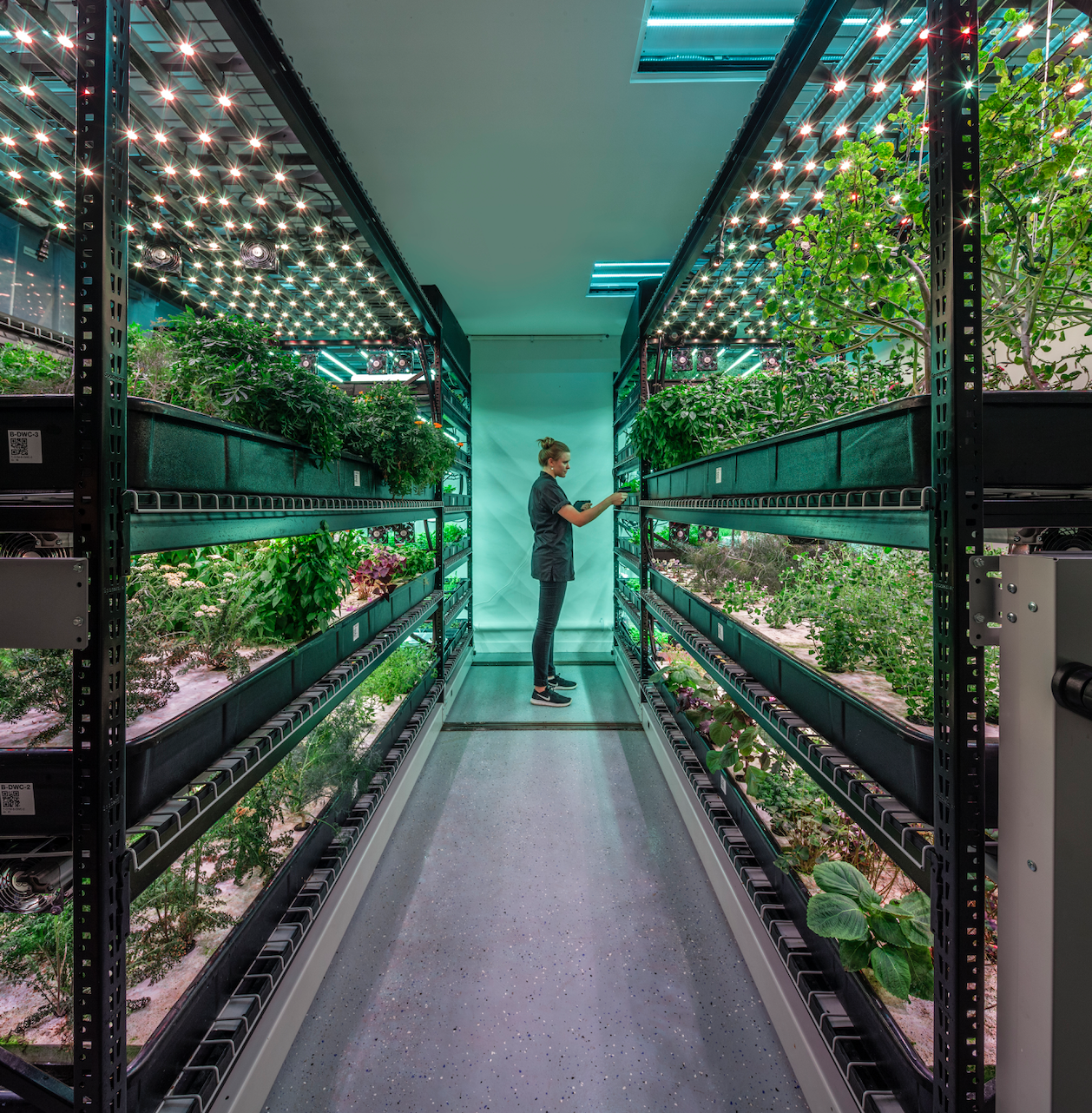
The Critical Need for Smart Agriculture for Truly Smarter Cities
Smart cities are anything but smart, if they don’t develop the capacity to feed their residents sustainably. Urban agriculture technology consists of a variety of solutions that can help turn cities smart.
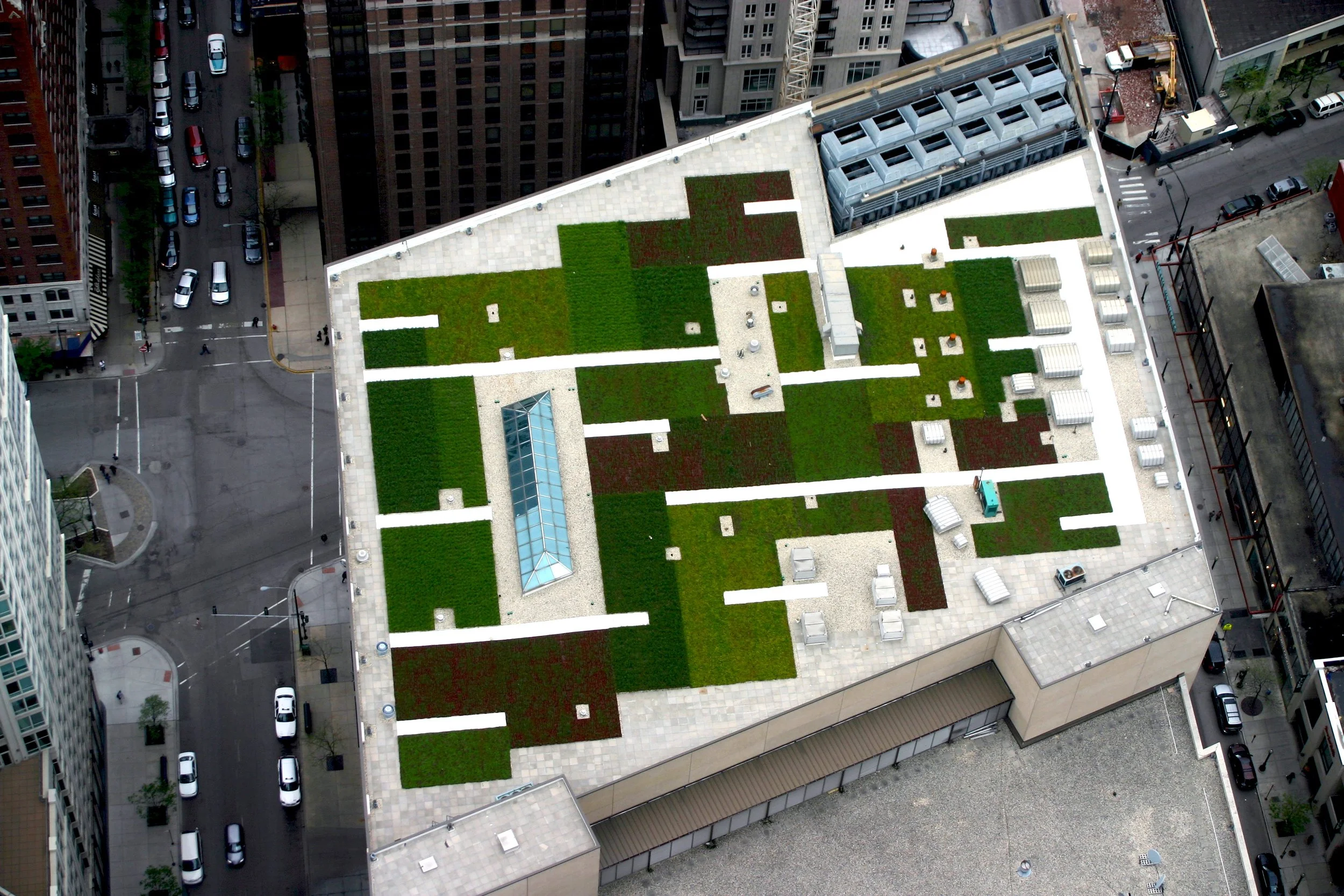
Mind the Edge: How to Select the Best Edging for Your Project
Selecting the proper edging technology for your green roof project takes more thought than you think, with a wide range of materials and functions available to choose from. Proper edging selection involves matching edging material and functionality with the design goals of your project.
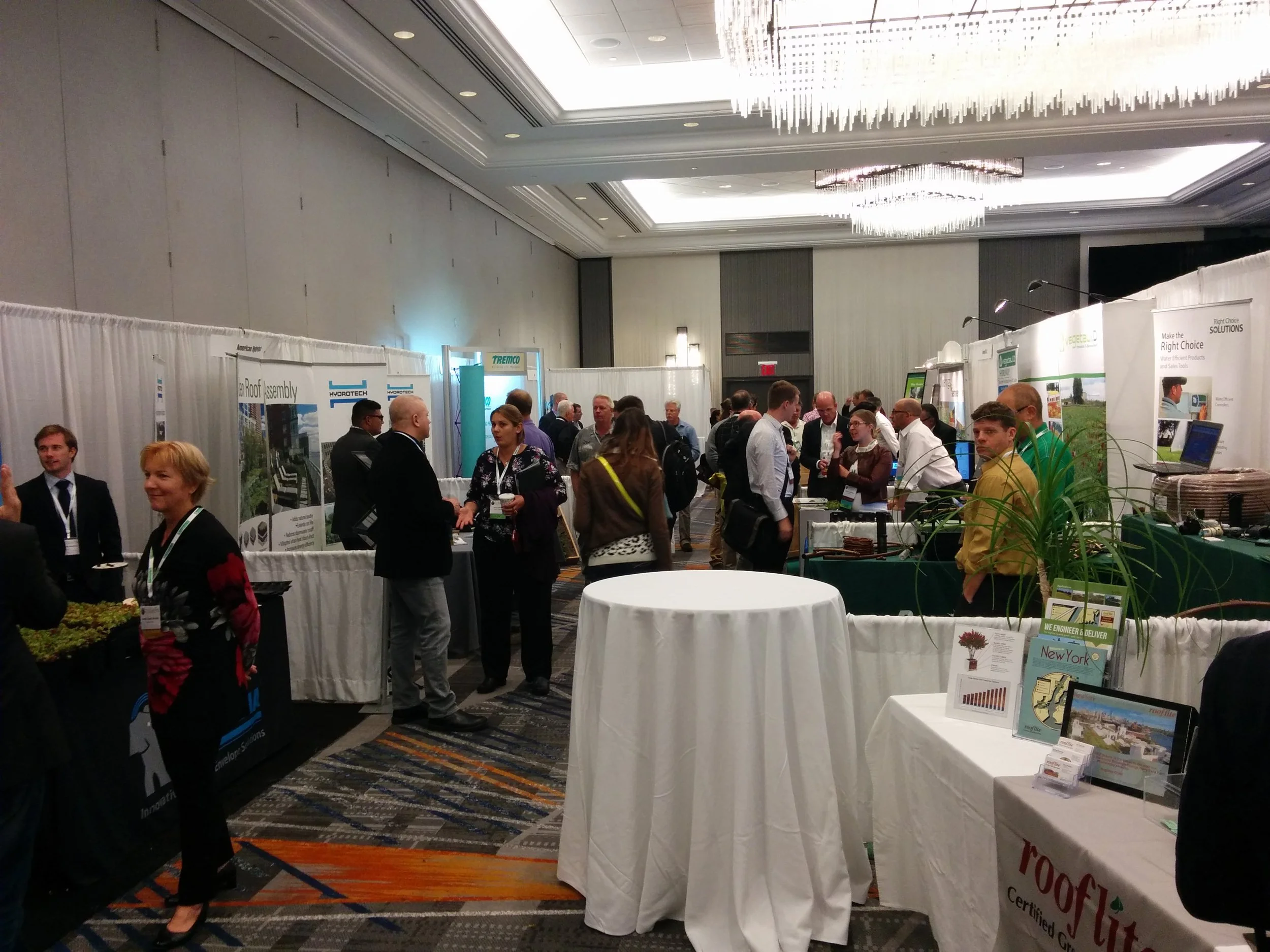
CitiesAlive 2022: The Homecoming, Green Infrastructure & Water in a Changing Climate
CitiesAlive 2022 in Philadelphia in November affords us an opportunity to get together, in a homecoming after two years away. We will explore the many facets of living architecture and water management in our changing climate.

Winter Events, Holiday Sale, New Members
Find out about our Winter Holiday Sale which runs until January 15, 2022. You can earn CEUs and take the latest courses, including our GRP bundle at 25% off our regular prices. Find out about our new corporate members and new GRPs. Thanks for your support.

Green Rooftop Parks - Supporting Densification and a Better Quality of Life for Urban Residents
In densely populated cities, land values are often at a premium, and land for parks or urban farms is often too expensive to provide. This makes the provision of roof parks an opportunity for building owners, planners, and politicians to accomplish multiple goals. A review of parks like the Salesforce Transit Center in San Francisco demonstrates how converting air space over infrastructure into roof parks should become more commonplace.

Dr. Nadina Galle on the Internet of Nature
Over the past decade, there has been a lot of talk, research, and pilot projects around the concept of "smart cities", integrating technology into our cities. For the most part, nature, the very foundation on which cities are built, has been left out of these discussions. Dr. Nadina Galle shares with us here her pioneering work on a new concept she calls the "Internet of Nature".
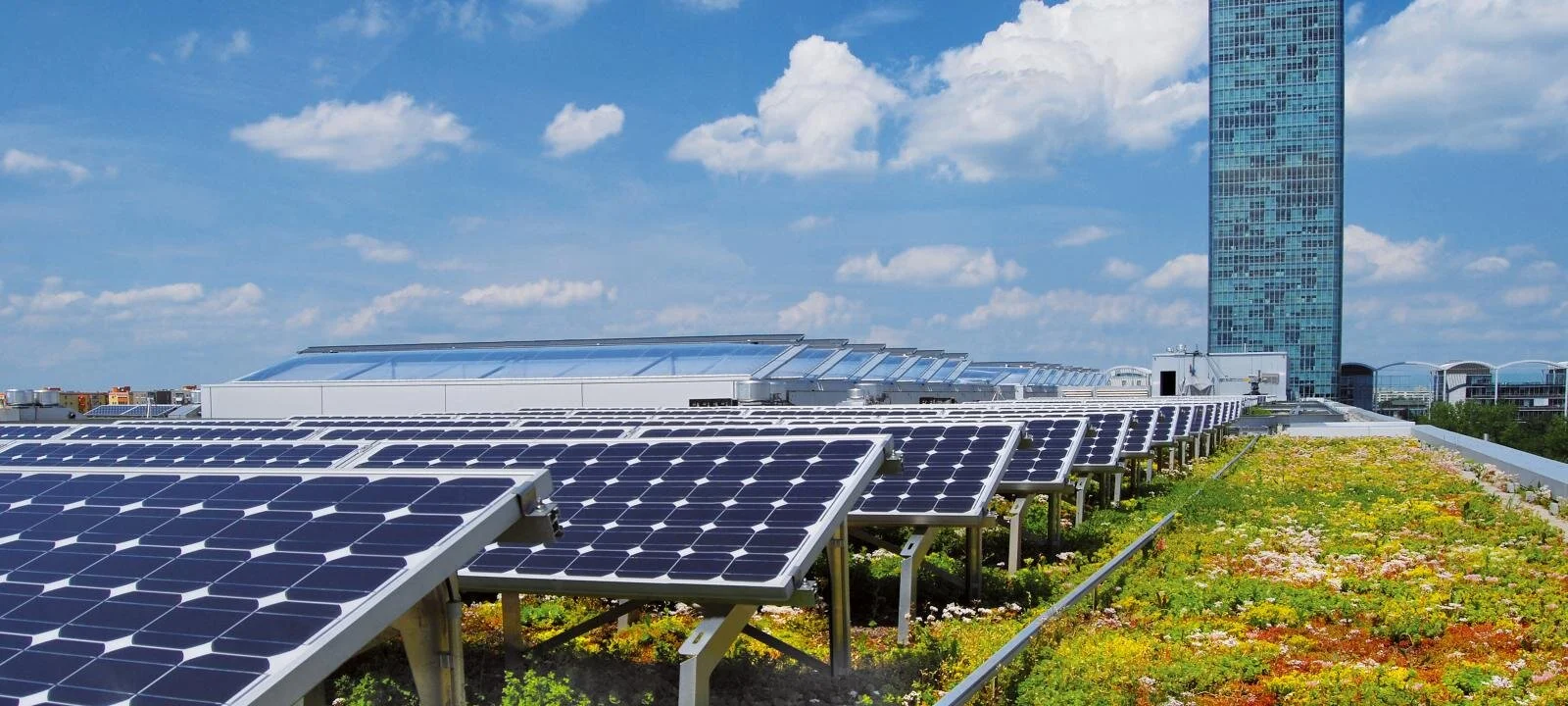
Designing for Maximum Energy and Climate Benefits of Green Roofs
Green roofs and walls can provide a myriad of energy benefits, from moderating heat through the building envelope, to improving solar PV efficiency, to reducing the urban heat island, and more. A new report provides an exhaustive summary and literature review of these benefits and how designers can maximize them on their projects.
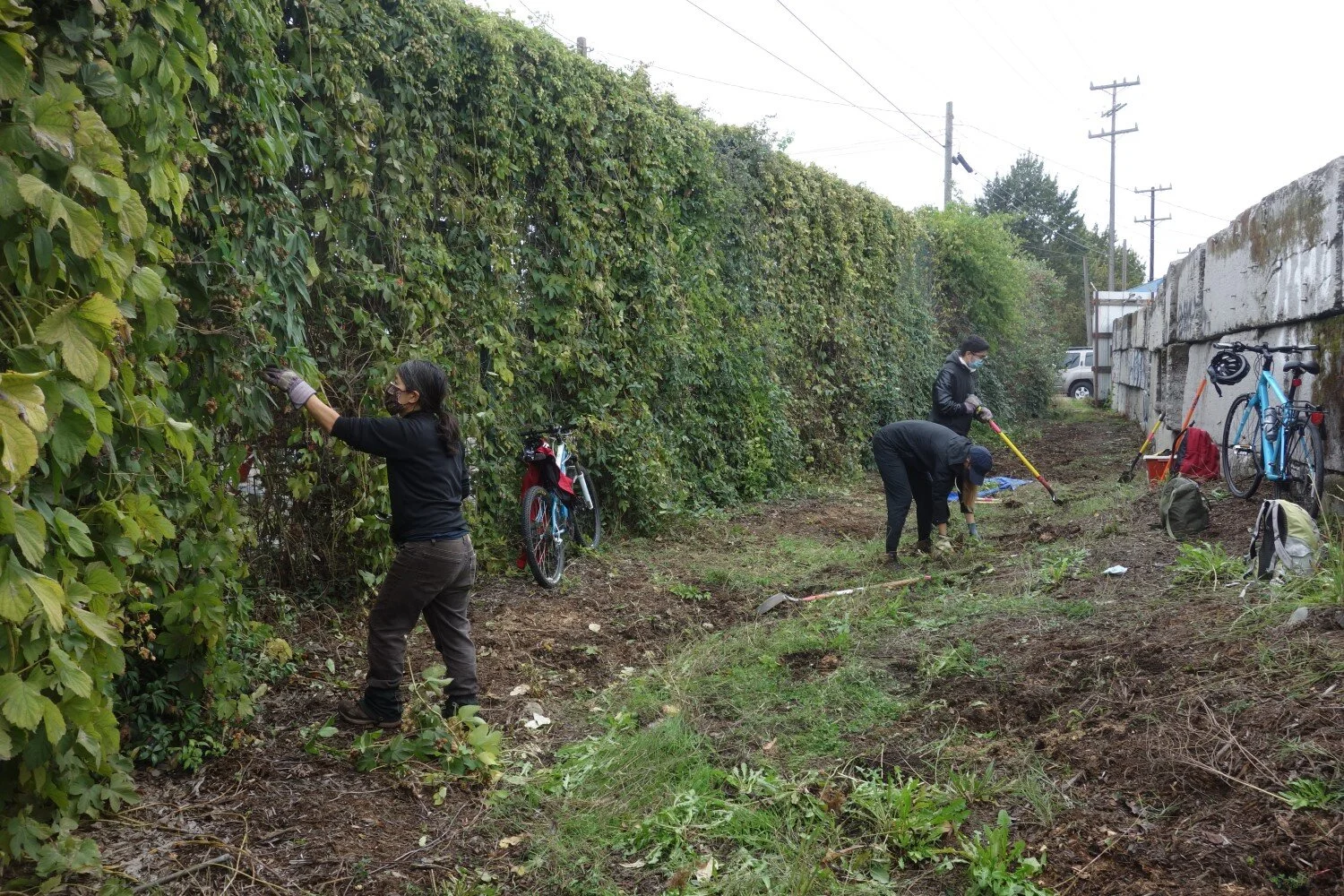
“My Neighborhood Is Killing Me” – A Seattle Green Wall is Raised in Hope
In Georgetown, the largest freestanding Green Wall in the Seattle area stands as a banner to community health in action, hiding an ugly concrete barrier. The Green Wall is not only a successful, sustainable structured landscape ‘intervention’ in its inherent functionality, but delivers benefits that satisfy the goals articulated in the participatory design process.
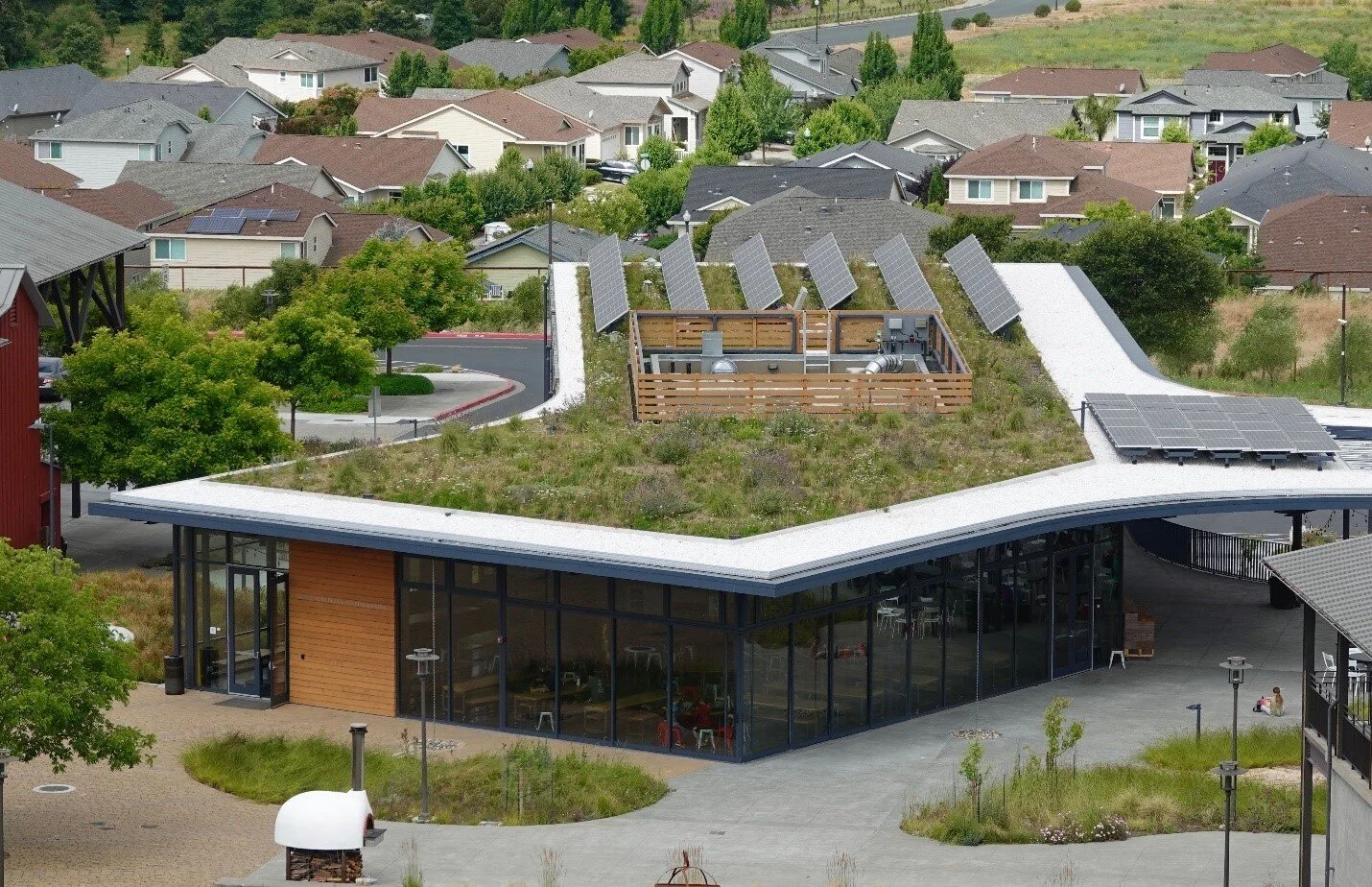
Four Approaches to Making Living Roofs With Native Plants
There is a great potential for and an essential role for making green roofs with native plants. If conservation practices are not taking place at the ground level, or if the native plant communities have already been significantly altered, then living roofs may provide a last chance to support the ecological heritage of the region. This article explores four approaches to make living roofs with native plants.
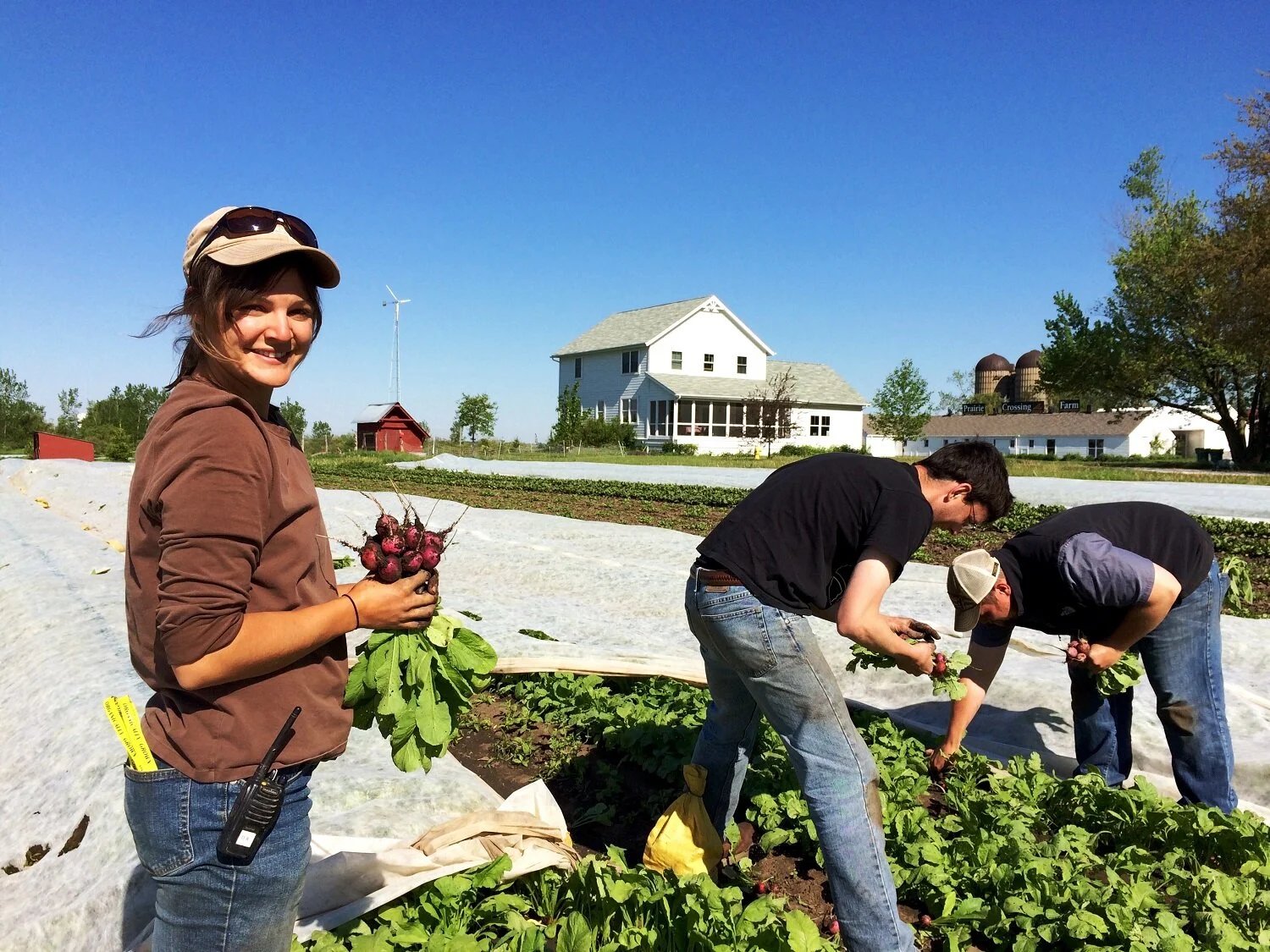
The Growing Attraction of Agrihoods
A growing number of urban/rural communities are developing this kind of co-operative, food-friendly approach. Instead of building a residential development around a swimming pool, a tennis court or some kind of hard landscaping, more innovative developers are creating “agrihoods” - neighborhoods with a farm as the central focus.