Why Insurers Have a Critical Stake in Greener Buildings and Landscapes
Introduction
This winter has once again shown how exposed Europe is to flooding. In just a few weeks, severe rainfall has affected France, Spain, Portugal and Morocco, reminding us that heavy rain can cause serious damage, to rural areas as well as to places that are densely built. What these events also highlight is how differently water behaves depending on the environment it encounters. Fields, forests and open land can, to a smaller or larger extent, depending on the circumstances, slow and/or absorb water; while built up areas, with their hard surfaces and aged drainage systems, very often, cannot. With climate change accelerating, this contrast is likely to become even more visible and impactful.
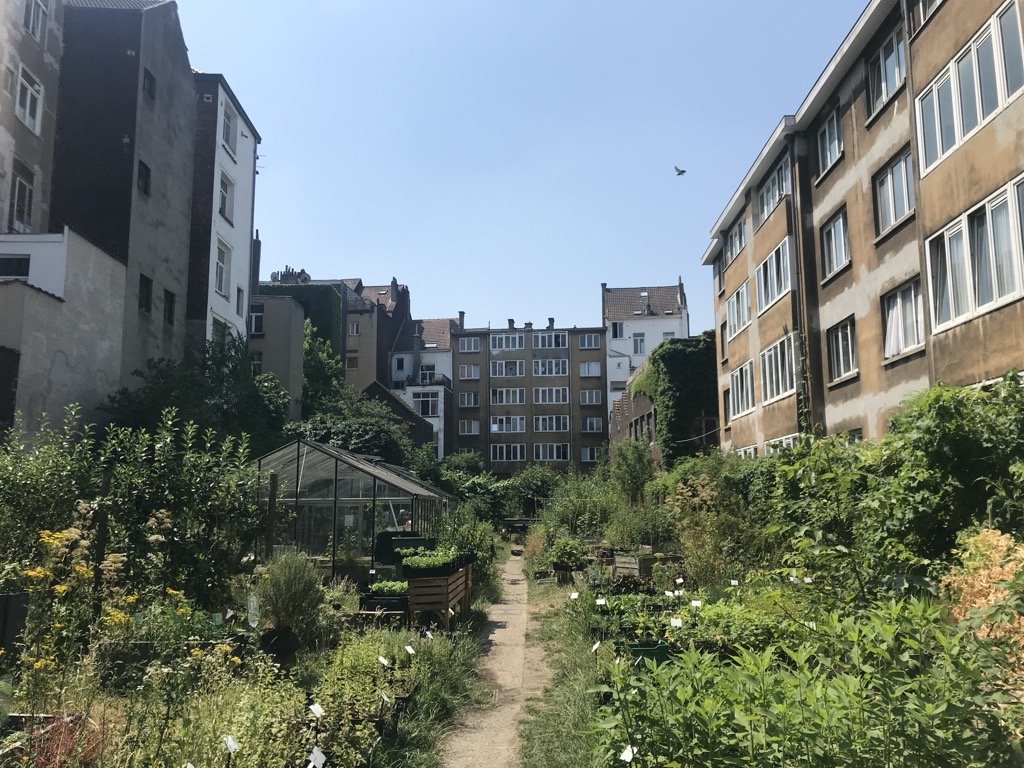
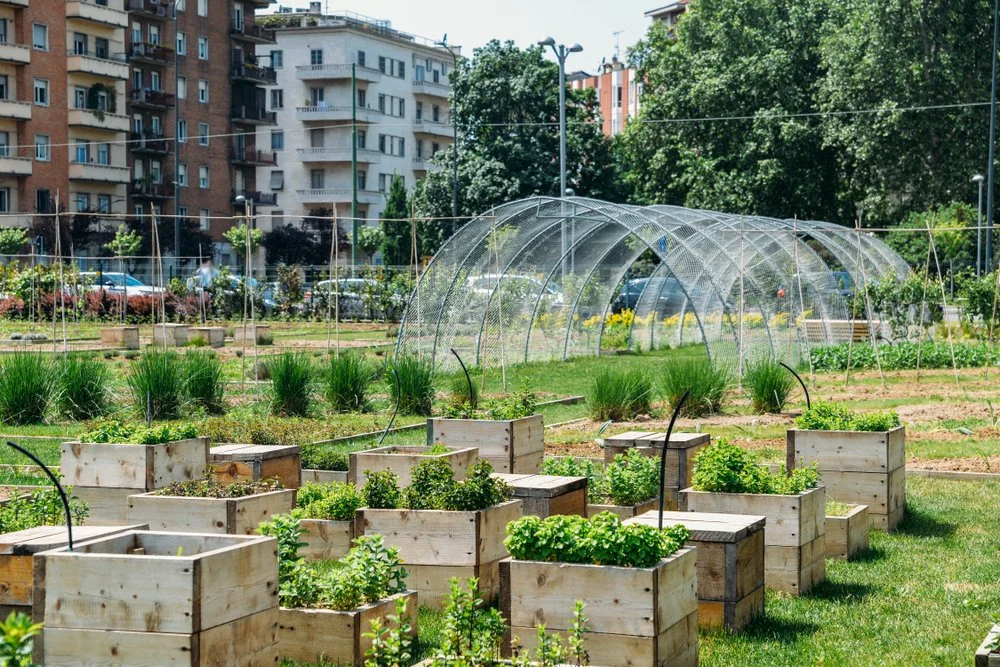
La Pousse qui Pousse is an urban garden in Saint-Gilles, Brussels, where residents cultivate plants and vegetables in a shared community space. The garden enhances urban climate resilience by cooling the area, absorbing rainwater, supporting biodiversity, and strengthening community adaptive capacity. Photo: Nicolas Jeanmart
For those working with green roofs, green walls and other forms of living architecture, these realities are influencing their design choices and water management needs. For insurers, which observe more frequent and severe events, as well as a significant gap between “exceptional” and “expected” events, there is a growing need to better understand how buildings and landscapes either absorb or amplify climate events.
Despite their different experiences and perspectives, insurers and living architecture experts, being similarly affected by our changing climate, are likely to arrive at the same conclusion: how we design, adapt and maintain our built environment determines how resilient our societies are, and at what cost, including from an insurance perspective.
Role of Insurers
Insurability rests on three elements: the hazard itself (the physical event, such as heavy rainfall or extreme heat), the level of exposure (the value of what is located in the area affected), and the vulnerability of what is exposed (how sensitive a particular asset is to damage). Hazards are affected by climate change, highlighting the need to keep reducing emissions, but any change in this respect will not have short term effects given the long term nature of climate change. Exposure and vulnerability, on the other hand, are directly impacted by policy and design choices, with direct consequences on the insurability of a particular risk, and on the price of the insurance to cover it. This is why insurers, in their traditional role of enhancing prevention, are increasingly advising homeowners, businesses and public authorities on ways to reduce the exposure and vulnerability of their assets to climate change impacts.
Indeed, the increase in climate-related events means that prevention and adaptation are becoming even more important, shedding new light on the decisions on where and how to build. These are questions which are typically in the hands of public authorities, but on which insurers are increasingly vocal, given their potential impact on insurers’ ability to provide coverage, and at what price. Insurers sometimes contribute to such discussion through public-private partnerships, which create a safe space for the sharing of risk management expertise and data, with the ultimate goal of identifying vulnerabilities and/or ways to enhance long-term resilience.
In several countries, this has led to collaborations between insurers, municipalities and research institutes to develop more granular risk maps. These maps aim to help homeowners, developers and policymakers by highlighting where traditional infrastructure may need reinforcement or where future development should be reconsidered altogether. They may also help identify where and how nature-based solutions can offer cost-effective preventive benefits.
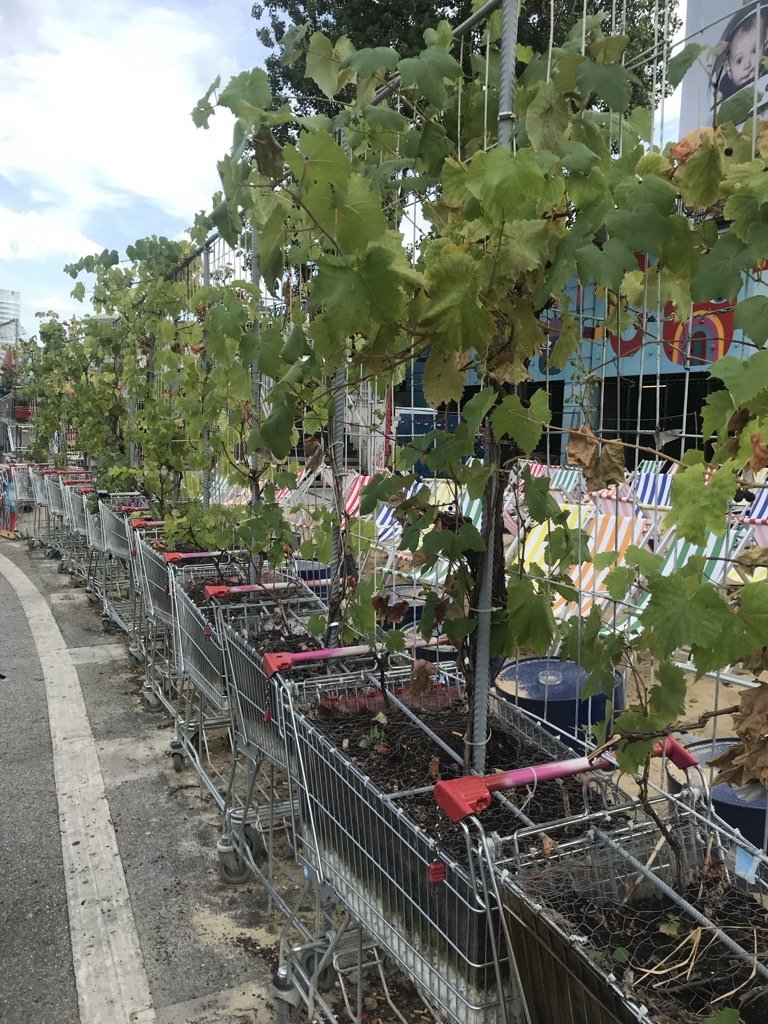
Repurposed supermarket shopping carts filled with soil support a growing grapevine in Vienna. The installation is part of an experimental urban greening project where mobile “micro-vineyards” act as artistic and climate-awareness interventions. Photo: Nicolas Jeanmart
The Role of Living Architecture in Prevention
Green roofs, green walls and other vegetated landscapes can temper some of the impacts of climate change. By retaining water, slowing runoff and relieving pressure on drainage systems, they help limit damage during heavy rainfall. Their cooling effect reduces stress on buildings and on people during prolonged heat, and in doing so helps curb the conditions that often lead to losses. As such, they are potentially powerful loss prevention measures, and as mentioned, prevention is central to maintaining insurability.
Put differently, such measures, which have the potential to reduce the frequency or severity of damage, contribute to risks remaining within manageable bounds. For this reason, insurers in several countries have begun exploring cooperation with the real estate sector, homeowners, municipalities, researchers and other sectors to understand how living architecture performs in practice, and how greater uptake might be encouraged. These initiatives remain in their early stages, but they reflect the important principle that preventing damage - at the level of individual buildings, neighbourhoods or entire communities – is the key to resilience.
Why Local, Cumulative Measures Matter
A common misconception is that adaptation depends primarily on large-scale public works. Such investments are indeed essential, but they are not sufficient. In fact, the opposite is true. Local measures - many of which fall within the realm of living architecture - play an equally important role.
One green roof does not transform a region’s risk profile. But thousands of green roofs, combined with permeable pavements, shaded streets, trees and restored green spaces, help form a buffer that reduces stress across the system. These measures are cumulative, reducing the overall pressure on infrastructure and lowering exposure of entire communities.
For insurers, this cumulative impact is key. The more communities invest in damage reducing measures, the better in terms of resilience and therefore insurability. Without appropriate adaptation, insurance becomes costlier. In extreme cases, some risks may become difficult to insure at an affordable price. Ensuring that insurance remains widely accessible requires coordinated action across many stakeholders, including insurers, but, importantly, also those who design, construct and maintain the built environment.
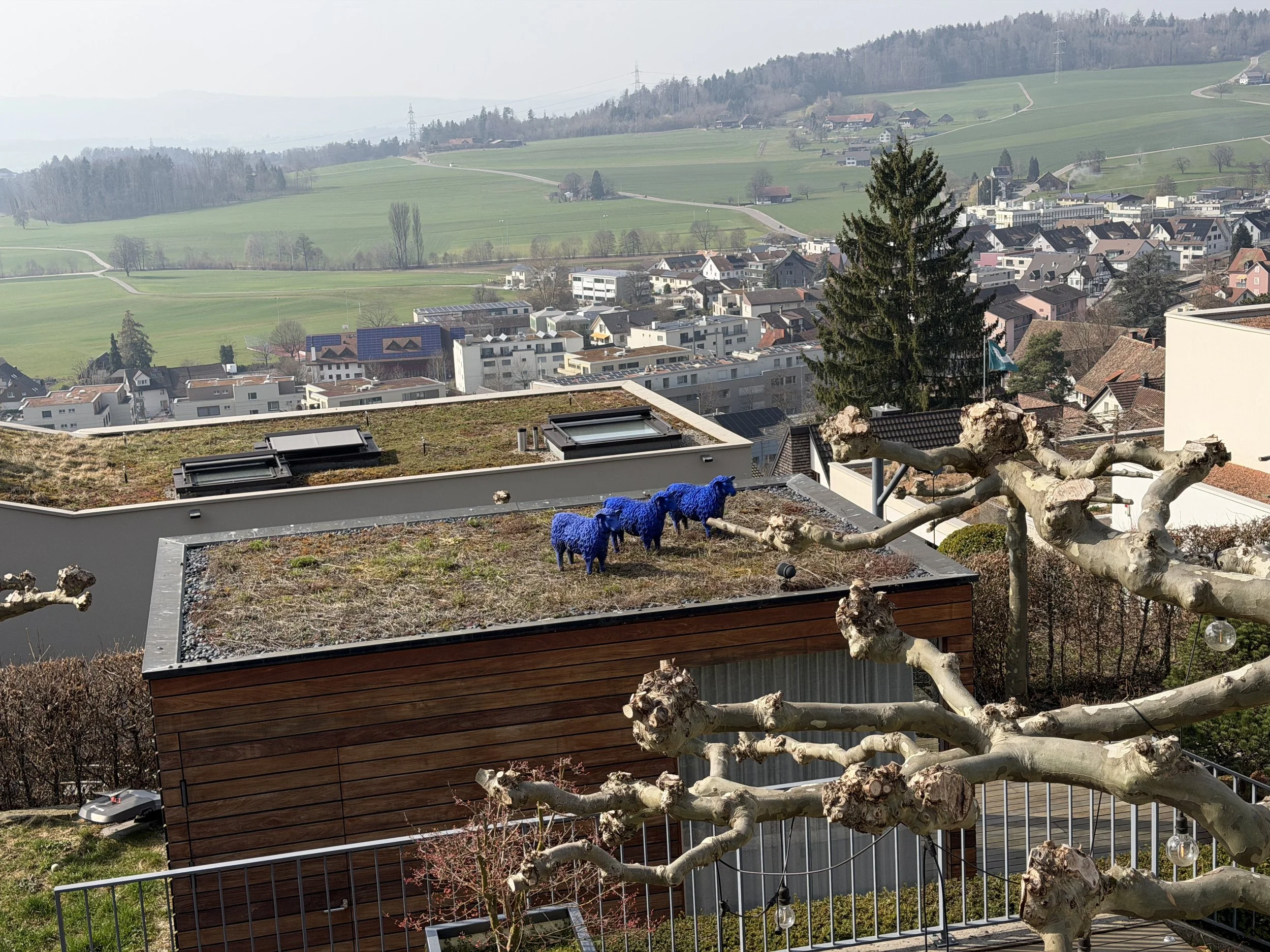
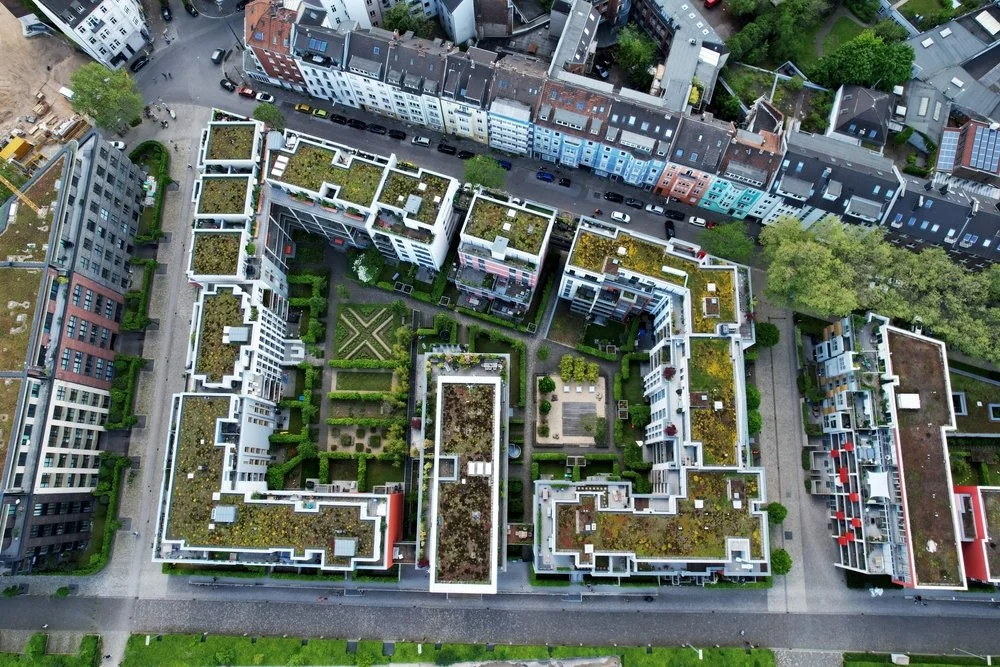
Houses in the Zurich Canton, Switzerland, with a sedum-covered green roof, which helps regulate temperature, retain rainwater, and so contribute to regional climate resilience.
Conclusion
Insurers’ ability to provide protection will increasingly depend on the resilience of the physical environment. Looking ahead, therefore, the question is no longer whether climate impacts will intensify - they will - but how different sectors respond and work together.
The choices made in architecture, landscape design and urban planning will influence not only the character of the spaces where people live and work, but also how well society withstands climate-related shocks. For insurers, an interest in greener, more adaptive buildings therefore reflects the reality that the long-term sustainability of insurance is linked to the robustness of the assets it aims to protect.
This shared interest creates an opportunity for more coordinated multi-stakeholder approaches, such as collaboration between insurers, designers, municipalities and citizens. Each brings unique expertise to the table and progress will depend on these actors working together, aligning prevention efforts, sharing data and insights, and coordinating rather than acting in isolation. Living architecture specialists have long contributed to making built environments more pleasant to live in, and also more resilient. In the years ahead, cross-sector collaborations involving them, insurers and others, will become even more central to keeping these environments insurable as well.
Nicolas Jeanmart leads Insurance Europe’s personal and general insurance department, where he contributes to European and global debates on non-life and life insurance. His recent work has focused on reducing protection gaps in areas such as natural catastrophes, pensions, cyber and health, including contributions to the GFIA’s protection gaps report and the European Commission’s Climate Resilience Dialogue and Reflection Group on Resilience Financing. His responsibilities also span motor insurance, in-vehicle data, emerging risks, liability, pensions, and AML. Before joining Insurance Europe in 2010, he worked in the banking sector, economic policy, consultancy and financial sector training.
Insurance Europe is the European insurance and reinsurance federation. Through its 39 member bodies — the national insurance associations — it represents insurance and reinsurance undertakings active in Europe and advocates for policies and conditions that support the sector in delivering value to individuals, businesses, and the broader economy.For more information, please visit Insurance Europe.